This site is supported by our readers. We may earn a commission, at no cost to you, if you purchase through links.
Your skin sheds about 30,000 dead cells every hour—yet for millions of people, that natural process goes visibly wrong. Instead of shedding quietly, skin peels, flakes, and cracks in ways that feel impossible to manage.
The culprit isn’t usually a single problem.
Dry skin issues build from layered causes: winter air pulling moisture from your barrier, hot showers stripping protective oils, aging slowing sebum production, even medications working against you from the inside.
Understanding factors are wearing your skin down changes everything about how you treat it.
Table Of Contents
- Key Takeaways
- Why Dry Skin Starts Peeling
- Dry Skin Symptoms to Spot
- Best Moisturizers for Peeling Skin
- Daily Habits That Help Skin
- Home Remedies That Actually Help
- When Dry Skin Needs Care
- Frequently Asked Questions (FAQs)
- Why is my skin so dry and shedding?
- What deficiency causes skin shedding?
- Can dry skin affect sleep quality at night?
- Does stress worsen skin peeling and flaking?
- Are certain fabrics more irritating to dry skin?
- Can sunscreen help prevent moisture loss outdoors?
- Does swimming in chlorinated pools worsen dryness?
- Conclusion
Key Takeaways
- Your skin dries out and peels when its barrier breaks down—caused by cold air, hot showers, aging, or medications stripping away the oils that hold moisture in.
- Ingredients like ceramides, glycerin, and hyaluronic acid rebuild your barrier most effectively, and applying moisturizer within three minutes of bathing makes a real difference.
- Small daily habits—lukewarm showers, a humidifier, gentle cleansers, and wearing gloves while washing dishes—protect your skin more than any single product can.
- If your skin cracks deeply, shows signs of infection, or keeps flaking despite consistent care, it’s time to see a dermatologist—there may be an underlying condition driving it.
Why Dry Skin Starts Peeling
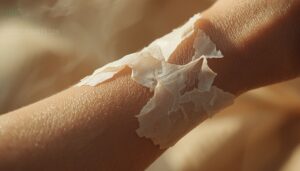
Dry skin doesn’t just happen out of nowhere — something is always pulling moisture away from your skin before it gets a chance to stay. A few common culprits tend to show up again and again, and once you know what they are, they’re easier to manage.
Here’s what’s most likely behind the peeling.
Low Humidity and Cold Weather
Winter is tough on your skin. Low humidity and cold air evaporation pull moisture straight from your surface, while wind‑induced moisture loss strips the protective layer your skin barrier function depends on. Barrier Lipid Depletion follows quickly. Maintaining adequate low indoor humidity can reduce skin barrier damage.
Seasonal Peeling Zones on:
- Hands and knuckles
- Shins and forearms
- Cheeks and neck
- Ankle joints
A humidifier helps counter winter skin dryness indoors. Static Charge Irritation from dry air and rough fabrics worsens already‑stressed skin. Moisturizing strategies for dry skin work best when you start early in the season.
Catching the early warning signs matters too—watch for dry skin shedding and dullness signs before they get harder to reverse.
Hot Showers and Harsh Soaps
Hot showers feel relaxing, but water temperature impact is real — hot water causes skin barrier disruption, stripping protective oils and triggering pH imbalance that leaves your skin raw and reactive. Harsh soaps make it worse.
Surfactant stripping from cleansers like SLS pulls out the lipids your barrier needs. Microbiome stress follows quickly.
Lukewarm water and gentle cleansers protect your moisturizing routine and keep dry skin from getting worse.
Aging and Reduced Skin Oils
Age plays its own role here. As you get older, sebaceous atrophy sets in — your oil glands simply produce less sebum.
Hormonal changes after menopause or around age 80 in men accelerate this barrier lipid loss, weakening aging skin’s ability to hold moisture.
The result is skin elasticity loss, flaking, and tightness. A good emollient therapy or daily moisturizer genuinely helps with skin barrier repair.
Medications and Skin Conditions
Some prescription medications quietly work against your skin. Retinoid peeling is common in early use, and topical steroids can thin skin over time. Watch for these drug-related triggers:
- Steroid adverse effects like stretch marks or rebound redness
- Retinoid peeling worsened by cold or wind
- Antibiotic allergic rash or contact dermatitis
- Immunosuppressant skin flares or photosensitizing drug reactions
Eczema and psoriasis raise the risk further.
Dry Skin Symptoms to Spot
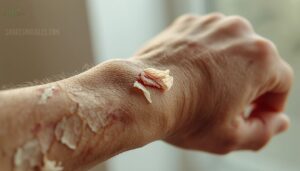
Dry skin doesn’t always announce itself with one obvious sign. Your skin has a few ways of telling you something’s off, and knowing what to look for makes it easier to catch it early.
Here are the most common symptoms worth paying attention to.
Flaking and Rough Patches
Flaking and rough patches are your skin’s way of signaling barrier lipid loss. With xerosis, the skin barrier breaks down, causing rough and flaky patches that feel like sandpaper — especially on your shins and forearms.
Resist the urge to pick or peel those rough patches — letting the skin soften first prevents microtears that can make the barrier damage even worse.
Scale color indicators matter too: silver-white suggests psoriasis, while yellowish flakes point to other underlying dermatoses. good moisturizer can restore what’s been stripped away.
Itching and Tightness
When your skin barrier breaks down, nerve endings just beneath the surface become exposed and oversensitive — a process called nerve sensitization. That’s why dry skin triggers pruritus, that persistent itchy feeling that worsens with heat exacerbation in warm rooms.
A damaged skin barrier exposes nerve endings, turning everyday warmth into relentless, persistent itch
Nighttime itch peaks when body temperature rises. Clothing friction against a compromised skin barrier intensifies tightness.
A good moisturizer helps calm these signals quickly.
Redness and Irritation
When your skin barrier breaks down, even mild irritants can trigger a vascular response — blood vessels widen, and redness appears fast. Immune activation releases histamine and prostaglandins, turning dry skin into a cycle of skin inflammation and neurogenic flare.
Managing triggers like hot water and harsh products matters.
Consistent barrier repair using emollients reduces skin irritation, calming itchy, reactive skin over time.
Cracks, Bleeding, and Pain
When dry skin goes untreated, it can crack — and those cracks run deeper than they look.
Heel fissures are a good example: cracking skin that may bleed when pressure splits fragile vessels below the surface. Pain shows up with every step.
Fissure healing strategies combine moisturizer for skin barrier repair, anti-inflammatory topicals, pressure redistribution techniques, and protective footwear options as practical pain modulation approaches.
Best Moisturizers for Peeling Skin
Not all moisturizers work the same way, and picking the wrong one can leave your skin just as dry as before. The good news is that a few key ingredients and formulas do most of the heavy lifting.
Here’s what you should look for.
Creams Versus Lotions Versus Ointments

Not all moisturizers work the same way. The oil-water ratio is what separates them.
Lotions absorb fast but offer the least barrier occlusion.
Creams balance spreadability factors with moderate protection — a solid over-the-counter cream works well for most.
When peeling is severe, an occlusive ointment wins. Its thick, preservative-lean formula locks in moisture longer.
Application timing matters too — always apply within three minutes of bathing.
Ceramides, Glycerin, and Hyaluronic Acid
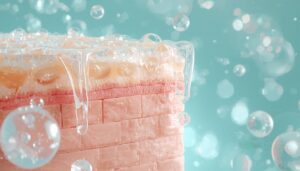
Think of your skin barrier as a brick wall — ceramides are the mortar holding it together. Ceramide Barrier Repair moisturizers rebuild that structure directly.
Glycerin Humectant Action pulls water into the outer layers, while Hyaluronic Water Retention keeps it there.
Together, their Ingredient Synergy Benefits tackle both dryness and barrier weakness at once.
Non-Greasy Gel Formulas make these moisturizing strategies easy to stick with daily.
Petroleum Jelly and Mineral Oil
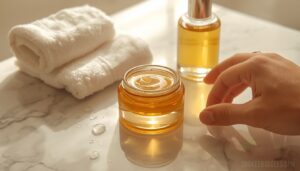
Sometimes the simplest tools work best.
Petroleum jelly‘s Occlusive Barrier Mechanism creates a protective film that locks in moisture — its TEWL Reduction Efficacy can cut water loss by up to 99%. Mineral oil works similarly as an emollient.
For Application Timing Strategies, apply within three minutes of bathing. Both Formulation Variants suit most Skin Compatibility Considerations as affordable, effective dry skin treatment options.
Fragrance-free Formulas for Sensitive Skin
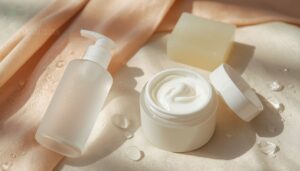
If your skin is already raw or reactive, fragrance adds fuel to the fire. Fragrance-free soaps and moisturizers skip the irritants that trigger stinging and redness.
Look for:
- Barrier lipids like ceramides to seal moisture in
- simple ingredient list with fewer sensitizing additives
- preservative choice for low-irritation tolerability
- Hypoallergenic claims worth verifying through patch testing
Gentle soap, real results.
Daily Habits That Help Skin
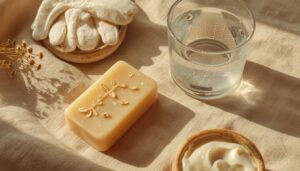
Small daily choices make a bigger difference than most people expect. Your skin reacts to what you do every single day — from how you shower to what you wear while doing the dishes.
four simple habits worth building into your routine.
Short Lukewarm Showers
Hot showers feel great, but they’re quietly stripping your skin’s natural oils. Lukewarm temperature benefits your barrier far better — keep water around 98–104°F and limit shower duration limits to about 10 minutes.
Gentle rinsing technique matters too; don’t linger under the stream unnecessarily. Apply moisturizer right after bathing, while skin is still slightly damp, to lock in that moisture before it escapes.
Gentle, Non-foaming Cleansers
Your cleanser choice matters just as much as water temperature. Foaming soaps — even "gentle" ones — often rely on surfactant systems that strip away your skin’s protective lipids.
Switch to a nonfoaming skin cleanser instead. Look for fragrance-free options with pH-balanced formulas and barrier-supporting additives like glycerin or ceramides.
Hypoallergenic soaps and non-foaming textures help prevent skin barrier dysfunction and support real skin barrier repair daily.
Humidifiers for Dry Indoor Air
Indoor heating quietly pulls moisture from the air — and dry skin follows.
A humidifier helps restore that balance.
Aim for 30–50% indoor humidity using Humidistat Control to avoid overdoing it. For Mist Type Selection, cool mist works well in bedrooms.
Consider Tank Size Considerations for overnight use, Water Quality Impact by using distilled water, and Safety Auto Shut‑Off for peace of mind.
Gloves for Cleaning and Dishwashing
Washing dishes without protection is one of the fastest ways to strip your skin dry. For anyone dealing with dry skin or at risk of contact dermatitis, gloves for housework aren’t optional — they’re essential.
Look for Lining Comfort, solid Grip Texture, and Cuff Design that seals at the wrist. Neoprene or nitrile offer strong Material Resistance to soaps and heat.
Ventilation Design matters too — air gloves out after use.
Home Remedies That Actually Help

You don’t need a medicine cabinet full of products to see real improvement. A few simple habits, done consistently, can make a noticeable difference in how your skin looks and feels.
Start with these four home remedies that actually work.
Apply Moisturizer Right After Bathing
Timing matters more than most people realize. Apply moisturizer right after bathing — ideally within a Three Minute Window — before your skin fully dries.
Use the Dab Drying Technique: pat gently, don’t rub.
Then Seal In Hydration using Layered Cream Application over Targeted Body Zones like elbows, shins, and hands.
Apply ointment or creams within a few minutes after bathing for the best results against dry skin issues.
Avoid Over-scrubbing and Exfoliating
Scrubbing harder doesn’t mean cleaner — it means more damage.
When your skin is already peeling, friction makes things worse fast.
Here’s what to watch:
- Control Scrub Pressure Control — use fingertips, not a loofah
- Practice Exfoliant Patch Testing before full application
- Limit exfoliating to once or twice weekly for dry skin
- Apply Post-Exfoliation Soothing with Barrier-Strengthening Ingredients like ceramides
- Catch Irritation Early Warning signs — redness, tightness, or stinging mean stop
Overuse of soaps, harsh soaps, detergents, or perfumes strips your skin’s protective layer.
Use warm water, not hot, and keep it gentle.
Stay Hydrated Throughout The Day
Your skin is basically a mirror — and dehydration shows up fast. Start a Morning Water Routine to replace fluids lost overnight.
Then keep your Sip Frequency steady throughout the day rather than gulping all at once. Bottle Placement matters too: keep water visible so you drink without thinking. Use Hydration Tracking cues like urine color to stay on track. Consistent hydration from fluids genuinely helps your moisture barrier.
Eat Skin-supporting Foods and Fats
What you eat shows up on your skin. The right nutrients quietly rebuild your moisture barrier from the inside out.
- Omega-3 Rich Foods — Salmon, sardines, and walnuts supply omega‑3 fatty acids that reduce inflammation and support your skin’s lipid layer.
- Vitamin E Sources — Almonds, sunflower seeds, and avocados protect skin cells from oxidative damage.
- Collagen Boosting Protein — Fish, poultry, and leafy greens provide amino acids your skin needs to repair itself, alongside vitamin C for collagen production.
- Antioxidant Rich Fruits — Citrus and berries deliver vitamin C, while fortified foods and sunlight exposure help maintain vitamin D levels for Healthy Fat Balance and skin renewal.
When Dry Skin Needs Care

Most of the time, dry skin responds well to simple changes at home.
But there are moments when it’s telling you something more serious is going on.
Here’s how to know when it’s time to get a professional involved.
Deep Cracks or Bleeding Skin
When dry skin cracks deeply enough, it’s no longer just a comfort issue. Pressure point fissures on your heels or toes can split down to capillaries, causing real bleeding.
If you’re on blood thinners, clotting medication risks make even small breaks harder to heal. Don’t rely on moisturizing strategies alone — wound sealing dressings and prompt urgent care criteria apply here.
Signs of Infection or Worsening Redness
Cracked skin can open a door to infection.
Watch for increasing warmth, rapid redness spread beyond the original patch, or escalating pain that throbs rather than stings.
New pus formation or blisters signal the clinical presentation has shifted from dryness to active skin infection.
Lymph node swelling nearby confirms your immune system is responding.
Don’t wait — inflammation moving this fast needs prompt evaluation.
Dryness That Keeps Returning
Sometimes chronic dry skin isn’t just about the weather.
If your skin keeps flaking despite consistent moisturizing strategies and products, something deeper may be driving it — barrier lipid loss, seasonal recurrence, or underlying medical conditions like thyroid disease, diabetes, or kidney disease.
Certain medications cause medication xerosis that moisturizer alone won’t fix.
Environmental factors and skin microbiome disruption can compound skin barrier disruption, keeping the cycle going.
When to See a Dermatologist
When home care stops working, it’s time to call a dermatologist. Recurrent skin flares, intense nocturnal itching, and nonhealing wounds aren’t things to wait out.
Here’s when to seek professional dermatology care:
- Rapid spot changes in size, shape, or color
- Unusual skin bleeding without injury
- Dryness returning despite consistent moisturizing
- Rashes spreading or accompanied by fever
Patient education starts with knowing your limits.
Frequently Asked Questions (FAQs)
Why is my skin so dry and shedding?
Your skin sheds when it loses moisture faster than it can replace it.
Dry skin, often tied to hormonal moisture influence, nutrient deficiency impact, or genetic skin variants, is the most common reason.
What deficiency causes skin shedding?
Vitamin A deficiency, Zinc deficiency, Vitamin C deficiency, and Vitamin D deficiency can all trigger shedding. Essential fatty deficiency strips your barrier too.
These nutritional gaps slow repair and leave skin flaking.
Can dry skin affect sleep quality at night?
Yes. Nighttime itching and barrier disruption from dry skin cause sleep fragmentation. Pruritus intensifies after dark, and thermal discomfort from bedding worsens it.
Bedtime moisturization helps skin hydration and delivers meaningful itch relief before sleep.
Does stress worsen skin peeling and flaking?
When your mind is under fire, your skin often bears the cost.
Psychological stress effects trigger cortisol barrier dysfunction, driving skin peeling and worsening dry skin through stress‑induced inflammation and immune system overreaction.
Are certain fabrics more irritating to dry skin?
Yes — fabrics matter.
Synthetic heat trapping from polyester or nylon traps warmth against sensitive skin, worsening itch. Rough fabric friction from wool irritation can aggravate dry patches.
Choose breathable fabrics like cotton and silk instead.
Can sunscreen help prevent moisture loss outdoors?
Sunscreen does more than block UV rays. It helps reduce transepidermal water loss by shielding your skin barrier outdoors.
A water resistant SPF with hydrating sunscreen ingredients keeps moisture where it belongs.
Does swimming in chlorinated pools worsen dryness?
Chlorinated pools strip your skin’s natural oils and trigger a pH alkaline shift that weakens your barrier.
Chloramine irritation adds to the problem, and wet skin evaporation afterward pulls out even more moisture.
Conclusion
Picture your skin as a slow-healing wall—each layer a brick, moisture the mortar holding everything together. When that mortar dries out, cracks appear.
Managing dry shed skin issues isn’t about chasing a quick fix; it’s about rebuilding your barrier one habit at a time.
The right moisturizer, a cooler shower, a humidifier in winter—small changes stack into lasting relief.
Your skin already knows how to heal. Give it the right conditions.