This site is supported by our readers. We may earn a commission, at no cost to you, if you purchase through links.

Setting up your first breeding project with corn snakes sounds straightforward until you’re staring at a clutch of eggs and realizing your enclosure setup wasn’t ready for this.
Most new breeders underestimate how much the hardware matters—not just the snake.
A poorly heated terrarium or a flimsy lid can unravel months of careful pairing work overnight.
The right corn snake kits for hobbyist breeders don’t just house your animals; they give you control over every variable that determines whether hatchlings thrive.
What follows breaks down exactly what to look for, what to skip, and which setups hold up when your collection starts growing.
Table Of Contents
- Key Takeaways
- Best Corn Snake Kit Features
- Comparing KAKOOTI Terrarium Models
- Breeding Setup Essentials
- Temperature, Humidity, Feeding
- Choosing The Right Starter Kit
- Frequently Asked Questions (FAQs)
- What is the biggest trouble with corn snakes as pets?
- What to buy before getting a corn snake?
- How do I sex corn snakes before breeding?
- What morphs are best for beginner breeders?
- How long is a corn snakes brumation period?
- When can hatchlings be sold or rehomed safely?
- How do I handle shipping live corn snakes?
- Conclusion
Key Takeaways
- A 20 Gallon Long enclosure is your real starting point for hatchlings, but you’ll need to size up fast — once your snake hits two-thirds of the enclosure length, it’s time to move.
- Your heat mat should cover half the enclosure floor on one side, paired with a calibrated thermostat, to build a reliable warm zone (85–90°F) and cool zone (75–80°F) that your snake can move between freely.
- Keeping hatchlings separate from juveniles isn’t optional — size mismatches lead to tail biting, feeding competition, and stunted growth that can derail your whole breeding project.
- Don’t sell or rehome hatchlings until they’ve had at least two clean meals with no regurgitation and cleared their first shed — that’s your real green light, usually around six to eight weeks post-hatch.
Best Corn Snake Kit Features

Not every starter kit is built the same, and the features you choose now will shape how smoothly your breeding setup runs down the road. From enclosure size to thermal gradients, the right combination makes daily care easier and keeps your snakes healthier.
Adding the right hides is just as critical—snake hides for breeding setups give females the security they need to cycle properly and feel safe during egg deposition.
Here’s what to look for.
Terrarium Size for Hatchlings and Juveniles
Size matters right from day one. Follow the minimum terrarium length guideline to guarantee proper enclosure sizing.
A hatchling measuring 8–12 inches needs a 10–20 gallon enclosure temporarily, but a 20 Gallon Long is your real starting point for minimum hatchling volume. Plan your sizing for corn snakes based on growth:
- 10 Gallon – short-term only
- 20 Gallon Long – ideal starter with proper floor area ratio
- 29 Gallon – solid juvenile growth space with vertical clearance needs met
Heat Mat and Thermal Gradient Setup
Once you’ve nailed the enclosure size, heat becomes your next priority.
The included 16W heat mat works best when placed under one side of the terrarium floor — your mat placement strategy should cover about half the base to build a reliable thermal gradient.
Pair it with a calibrated thermostat, position it away from the water dish, and check substrate heat conductivity regularly, since moisture impact can quietly flatten your gradient.
UVB Lamp and Lighting Options
Heat sorted, now let’s talk light.
The kit’s Reptile UVB100 13W compact bulb covers the UVB spectrum types that corn snakes benefit from, and the included light bracket makes positioning straightforward.
Mount it with a reflective hood for better coverage, avoid glass or plastic safety barrier materials that block UV output, and swap fluorescent bulbs every six to twelve months — lamp lifespan management keeps intensity where it needs to be.
Hide, Water Dish, and Substrate Essentials
The large reptile cave hide does the job well — the hide entrance size lets your snake slip in without squeezing, and the smooth, non-abrasive hide materials won’t snag during a shed.
Pair it with the moss mat medium for a solid substrate moisture gradient, keeping things drier on top and slightly damp underneath.
The included water dish medium sits at the right dish depth guidelines — about one to one and a half inches — so there’s no drowning risk. Use a weighted water dish to stop it shifting when your snake climbs in for a drink.
Magnetic Closure and Escape Prevention
Don’t underestimate a good latch — corn snakes are escape artists. Look for front opening doors with dual-action release mechanisms that need both a magnet and a manual step to disengage.
Corrosion-resistant magnets handle humid conditions without weakening, while tight alignment tolerances keep the seal reliable long-term.
Pair that with a screen top for reptile ventilation and reptile enclosure temperature control, and your snake stays exactly where it belongs.
Comparing KAKOOTI Terrarium Models
KAKOOTI makes a few terrarium models worth looking at side by side before you commit to one. Each has its own strengths depending on your setup, how many snakes you’re keeping, and what fixtures you need to run.
Here’s how they stack up across the details that matter most to hobbyist breeders.
Acrylic Build Quality and Visibility
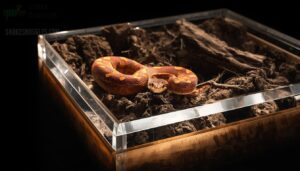
Clear acrylic isn’t just pretty — it’s functional. KAKOOTI panels deliver 92–93% light transmission, so you can actually see your snake without pressing your face against the glass.
UV stabilization keeps panels from yellowing, and edge polishing gives them a clean finish.
- Panel thickness sits at 6 mm for solid rigidity
- Scratch resistance rates 3H–5H for daily handling
- Light transmission rivals Exo Terra 24x18x12 Glass Terrarium clarity
- UV stabilization preserves optical quality long‑term
- Edge polishing eliminates visual distractions near heat mat and UVB zones
Magnetic Access for Feeding and Cleaning
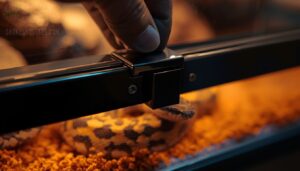
Feeding time shouldn’t feel like defusing a bomb. KAKOOTI’s magnetic doors give you Tool-Free Access with one hand — no clips, no fumbling — so you’re in and out before your snake even notices.
Quick-Release Panels detach cleanly for washing, and Alignment Precision keeps edges sealed tight, which matters a lot for Hygiene-Friendly Seals when substrate dust builds up fast.
| Feature | Benefit |
|---|---|
| Magnetic Quick-Release Panels | Tool-free removal for cleaning |
| Modular Feeding Trays | Snap in, snap out — no disassembly |
| Alignment Precision seals | Prevents bedding gaps and escapes |
| Glove-compatible closures | Safe handling during maintenance |
Space for Heat and UVB Fixtures
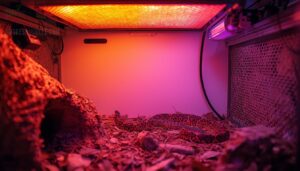
Getting fixture placement right can make or break your thermal gradient. KAKOOTI’s top-mounted layout gives you the Fixture Clearance needed to run the Heat Mat 16W and Reptile UVB100 13W without crowding.
- UVB Distance stays within 6–12 inches for hatchlings
- Reflective Wall Boost increases UVB reach up to 30 percent
- Ventilated Fixture Design prevents heat buildup at the Basking Spot Size
Suitability for Single Snakes or Pairs

One snake or two? That decision shapes everything about your setup.
Corn snakes can coexist in compatible pairs, but they demand strict Territory Allocation — each snake needs its own hide on both the warm and cool sides. Aggression Monitoring is non‑negotiable. Watch for tail whipping or skipped meals.
| Factor | Single Snake | Paired Snakes |
|---|---|---|
| Social Compatibility | Simple | Size‑matched only |
| Feeding Separation | One dish | Separate containers |
| Heat Mat 16W Coverage | Sufficient | Monitor closely |
Which Model Fits Hobbyist Breeders Best
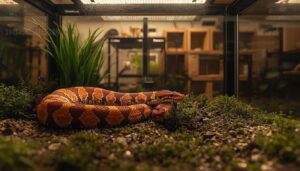
For hobbyist breeders, the right KAKOOTI model comes down to Budget vs. Features and Growth Scalability. The starter kit’s 60 × 45 × 30 cm enclosure covers corn snakes, milksnakes, kingsnakes, and ball pythons through early stages.
Its Portability and Setup make relocation easy. Warranty and Durability hold up long-term. Community Support through active breeder groups keeps you from figuring it out alone.
Breeding Setup Essentials
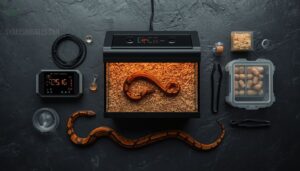
Getting your breeding setup right makes everything else easier. There are a few key pieces of equipment you’ll want in place before your first clutch ever hits the incubator.
Here’s what every hobbyist breeder should have on hand.
Separating Hatchlings and Juveniles
Once hatchlings emerge, keeping them separate from juveniles isn’t optional — it’s how you protect your entire breeding project. Stress from older snakes stunts growth fast.
Here’s what individual housing prevents:
- Tail biting from size mismatches
- Feeding competition that skews weight tracking
- Tail between life stages
Use age-specific hides, independent heat gradients, separate water dishes, visual barriers, and quarantine protocols for every new arrival.
Incubator Tray and Digital Thermostat
Once each hatchling has its own space, your next job is keeping temperatures rock-steady during incubation.
A BPA-free incubator tray paired with a digital thermostat manages Thermal Gradient Control automatically — warm beneath, cooler above. Place the sensor low for Sensor Placement Optimization, run Calibration Procedures before eggs arrive, and always have a Power Failure Backup ready.
| Feature | Why It Matters |
|---|---|
| Digital thermostat | Holds precise setpoint temps |
| Remote sensor | Reads actual tray conditions |
| Audible alarm | Flags dangerous temp swings |
| Cleaning Protocols | Prevents cross-contamination between clutches |
Temperature and Humidity Gauges, your heat mat, and solid heat source installation in reptile enclosures round out reliable temperature and humidity management for corn snakes and thermal regulation for corn snakes overall.
Vermiculite or Perlite for Egg Incubation
With temperatures locked in, your substrate choice becomes the next variable. Vermiculite manages moisture retention well, while perlite improves airflow balance and mold prevention.
A 50/50 mixing ratio gives you both. For sterile preparation, rinse either option before use and hydrate until damp — not soggy.
That balance provides steady humidity control and thermal regulation throughout the clutch without suffocating your eggs.
Humidity Gauge and Spray Bottle Use
Once your substrate is dialed in, humidity control takes over as the silent variable. Keep a digital hygrometer at snake level for accurate microclimate monitoring, and check gauge calibration every few months.
Use a fine-mist spray bottle — misting droplet size matters more than frequency. Dechlorinated water, like Aquatize Terrarium Water Conditioner, prevents mineral buildup on sensors.
Swap batteries on a regular battery replacement schedule to avoid false readings.
Pairing Logs and Hatch Date Tracking
solid pairing log separates guesswork from strategy. Assign each clutch a unique number using a Clutch Numbering System, then timestamp your Candling Milestones at days 7 and 14.
Log Standardization keeps pairings traceable across seasons. Use Hatch Forecast Adjustments when temperatures drift. Access Control Protocols protect your records.
Pair that with a Genetic Calculator or Punnett Square Calculator to predict the outcome of your Cornsnake morph genetics and breeding calculators before the eggs even drop.
Temperature, Humidity, Feeding

Getting the basics right makes all the difference between a thriving snake and a stressed one. Temperature, humidity, and feeding aren’t complicated — they just need consistency.
Here’s what you need to dial in.
Warm Zone and Cool Zone Targets
Getting your thermal gradient right is the foundation of a healthy corn snake setup. Think of it as two distinct zones that your snake moves between to regulate its own body temperature.
- Warm zone: 85–90°F (29–32°C), powered by your heat mat
- Cool zone: 75–80°F (24–27°C), ambient floor area
- Gradient Calibration: verify both zones weekly with a reliable thermometer
Airflow separation between zones keeps temperatures stable — no heat bleed, no hot spots.
Nighttime Temperature Management
Once the lights go out, your thermal gradient still needs to hold. Aim for 70–75°F (21–24°C) overnight, with a warm zone using your heat mat staying within ±2°C of target.
Thermostat redundancy — a backup unit set at a Night Heat Cutoff of 38°C — prevents dangerous spikes.
Combine solid Insulation Techniques with Temperature Drift Monitoring and a Power Backup plan to keep everything stable until morning.
Prey Sizing by Snake Growth
Prey size isn’t guesswork — it’s math.
As your corn snake grows from an average hatchling size of 8–12 inches to 3.5–5 feet as an adult, prey mass scaling keeps pace.
Gape development drives everything: match prey width to your snake’s thickest body point. Weight-based prey selection and size matching guidelines keep growth stage feeding on track — start with pre‑killed frozen mice around 0.5–2 g, then progress steadily.
Fresh Water and Conditioner Use
Water might seem like an afterthought, but it’s quietly one of the biggest factors in keeping your corn snake healthy. Change it daily — Water Refresh Frequency matters more than most keepers realize.
Fresh water changed daily is one of the simplest habits that keeps your corn snake thriving
- Use dechlorinated water or treat tap water with a reptile-safe conditioner
- Avoid distilled water and reverse osmosis water; both strip beneficial minerals
- Place the Water Bowl away from heat to keep Temperature Stable Water
pH Monitoring (6.5–7.5) and Conditioner Necessity round out your Hydration Safety routine.
Shedding Support Through Humidity Control
Shedding problems almost always trace back to humidity. Keep ambient humidity around 70 percent during pre-shed, and use your hygrometer placement strategically — mid-height and near the substrate give you the full picture.
A consistent misting schedule, paired with smart substrate moisture from coconut fiber or cypress mulch, creates natural humidity gradient zones.
Tweak seasonal humidity adjustments between warmer and cooler months to keep sheds clean every time.
Choosing The Right Starter Kit

Not every starter kit earns its price tag, so it helps to know what actually matters before you buy. Whether you’re housing your first hatchling or scaling up a small breeding project, the right kit saves you money and headaches down the line.
Here’s what to look for.
Best Kit for First-time Breeders
If you’re just starting out, the right kit removes most of the guesswork. The Starter Kit For Corn Snakes, Milksnakes, Kingsnakes and Ball Pythons covers the essentials without overwhelming you.
- Beginner setup guide included in the box
- Cost-effective accessories bundled together
- Warranty and support from an established brand
- Community forums for quick troubleshooting
- Transparent shipping and handling policies
When to Upgrade Enclosure Size
Growth milestones sneak up fast. When your corn snake reaches two-thirds of the enclosure length, it’s time to move up.
Watch for signs like thermal gradient degradation across the floor, feeding space limits that prevent natural foraging, humidity stability issues from insufficient substrate depth, and escape risk increase near undersized lids.
Sizing enclosures for corn snakes based on growth keeps everything running clean.
Essential Add-ons to Buy Separately
Once you’re sizing up, the kit alone won’t cut it. A thermostat controller paired with a ceramic heat emitter keeps nighttime temps stable without light disruption. Add a wax paper liner under your heat pad, a non-slip water bowl, and adjustable ventilation ports for humidity control.
- Reptile Cave Large for secure hiding
- Compressed Sphagnum Moss Brick or Snake Bedding 8Q88L for substrate
- Reptile UVB100 13W for natural light spectrum
Value Factors for Breeding Projects
Beyond the hardware, a breeding project’s real value comes down to what you can prove. Pattern Consistency across clutches, solid Genetic Documentation, and a strong Hatch Success Rate all drive buyer confidence.
Track Growth Milestones and Disease Prevention routinely — they tell the story of your program. Tools like the Genetic Calculator and Punnett squares for predicting color morph inheritance make that story credible.
Matching The Kit to Long-term Goals
If you’re thinking five clutches ahead, your kit needs to grow with you. Expandable Enclosure Design and Modular Heating Zones mean you’re not replacing everything in two years.
Built-in Data Tracking Integration, paired with a Genetic Calculator and morph guide, keeps your records clean.
Future Upgrade Compatibility and smart Long-Term Cost Planning turns a thorough snake starter kit into a real breeding program foundation.
Frequently Asked Questions (FAQs)
What is the biggest trouble with corn snakes as pets?
The biggest trouble is Salmonella risk — it is real and easy to overlook.
Adding parasite infestations, stress-related illnesses from poor sanitation, and feeding injuries creates a pet that demands consistent, attentive care.
What to buy before getting a corn snake?
Before your corn snake arrives, grab a Starter Kit For Corn Snakes, a secure transport box, handling gloves, and a Corn Snake care sheet.
Budget your first-year costs and schedule a veterinary checkup early.
How do I sex corn snakes before breeding?
Sexing Pantherophis guttatus before breeding comes down to three methods: tail morphology, cloacal probing, and hemipenes popping.
Skip behavioral cues alone — they’re unreliable.
Wait until snakes mature; never attempt probing on hatchlings.
What morphs are best for beginner breeders?
Start simple.
Pastel Ball, Mojave Ball, Banana Morph, Spider Morph, and Axanthic Morph are all solid picks — easy to track, widely available, and forgiving enough while you’re still building your morph guide instincts.
How long is a corn snakes brumation period?
Brumation length runs about two to three months. For young snakes, eight weeks is common. Adults can go the full three. Age-dependent duration matters — don’t rush it.
When can hatchlings be sold or rehomed safely?
Wait until each hatchling receives at least two solid, no-regurgitation meals, clears its first shed, and passes a basic health clearance.
That’s your green light — usually around six to eight weeks post-hatch.
How do I handle shipping live corn snakes?
Pack your corn snake in a ventilated deli cup inside an insulated box, ship Monday or Wednesday via FedEx Priority Overnight, and confirm arrival inspection within 30 minutes of delivery.
Conclusion
Sure, throw any old tub under a heat lamp and call it a breeding program—what could go wrong? Experienced hobbyists know that corner‑cutting catches up fast, usually right when your first clutch needs stable temps at 2 a.m.
The right corn snake kits for hobbyist breeders aren’t a luxury; they’re the difference between controlled outcomes and costly guesswork. Build your setup right from the start, and the snakes—and the hatchlings will show you exactly why it mattered.