This site is supported by our readers. We may earn a commission, at no cost to you, if you purchase through links.
That thin streak of clear fluid on your boa’s snout might mean nothing. Or it might be the first sign of pneumonia, which can kill a snake within days.
Boa constrictor nasal discharge symptoms hide in plain sight, and the color of that mucus tells you which problem you’re facing. Clear means irritation. White and stringy means infection is already taking hold. Yellow-green means pus, and pus means bacteria have moved in.
Snakes mask illness until they can’t anymore, so by the time your boa acts sick, you’re racing a clock. Here’s how to read the signs and know exactly when to act.
Table Of Contents
- Key Takeaways
- Recognizing Boa Constrictor Nasal Discharge Symptoms
- When Nasal Discharge Requires Emergency Care
- Common Causes of Nasal Discharge in Boas
- How Veterinarians Diagnose Nasal Discharge
- Treatment and Prevention for Affected Boas
- Frequently Asked Questions (FAQs)
- Can snake respiratory infection go away on its own?
- What could be causing my rabbit to have mucus from their nose?
- How to tell if a boa has IBD?
- What are the signs of respiratory infection in snakes?
- Can nasal discharge in boas resolve without treatment?
- Is nasal discharge contagious between snakes in a collection?
- How long does recovery from respiratory infection take?
- Should I quarantine a boa with nasal discharge?
- Can stress alone cause a boas nasal discharge?
- Conclusion
Key Takeaways
- Discharge color is your key diagnostic clue: clear mucus suggests mild irritation, white stringy discharge signals an early respiratory infection, and yellow-green pus means bacteria have taken hold and need urgent vet attention.
- Open-mouth breathing, wheezing, head tremors, or rapid decline from sluggish to unresponsive are emergency signs—get same-day care, as delayed treatment of outbreaks like nidovirus has pushed mortality past 50%.
- Husbandry is often the root cause: keep humidity between roughly 50–80% with proper ventilation, a digital hygrometer, clean substrate, and a solid temperature gradient, or the discharge will keep returning.
- Quarantine any boa with nasal discharge immediately (bacteria like Pseudomonas survive 72 hours on surfaces), and see a reptile vet within 48 hours since respiratory infections rarely resolve on their own and can turn fatal.
Recognizing Boa Constrictor Nasal Discharge Symptoms
Your boa’s nose tells you more than you might think. That little bit of moisture on its nostrils could be nothing, or it could be the first alarm bell of a serious respiratory infection. Here’s what to watch for, starting with what the discharge looks like and how your snake is acting.
A good rundown of snake respiratory infection symptoms breaks down each of these warning signs so you can tell harmless moisture from real trouble.
Discharge Color and Texture
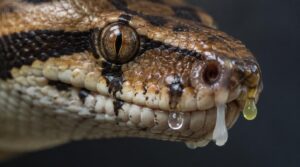
Three discharge colors tell you everything. Clear mucus means mild irritation or shedding prep. White, stringy discharge signals early respiratory infection. Yellow-green means pus, and pus means bacteria are winning. Texture matters too: frothy or caseous, cheese-like discharge screams expert disease. Check discharge color daily under white light, and photograph changes. Your notes become gold during veterinary diagnostics.
Surprisingly, mucus color also reflects immune activity in humans, where yellow or green discharge indicates white blood cells fighting infection, as shown in this snot color health guide.
Breathing and Behavior Changes

Discharge never travels alone. Watch for open-mouth breathing, wheezing, or head held oddly high, all signs that nasal discharge is compromising respiratory function. Count breaths per minute and log them.
Breathing difficulties paired with lethargy or skipped meals mean infection is spreading, not just irritating. Head tremors or choking motions signal secretions reaching lower airways. Photograph everything, then call your exotics vet today.
When Nasal Discharge Requires Emergency Care

So when does nasal discharge cross the line from "watch it" to "go now"? The answer is simple: the moment breathing becomes work.
A snake struggling for breath needs proper enclosure conditions fast, and our guide to ball python hiding houses can help you set up a humid retreat that eases the strain.
Open-mouth breathing or gaping means your boa is fighting for air. Add nasal discharge to that, and you’re likely looking at an obstruction or severe inflammation blocking airflow. That’s an emergency, full stop.
Escalation speed matters too. A snake that was sluggish yesterday and is unresponsive today is decompensating. Lethargy plus refusal to move plus worsening breathing difficulties signals systemic trouble, not a localized sniffle.
Watch for shock markers: sunken eyes, sticky saliva, cold body. Multiple snakes sick at once? Contagious spread raises the stakes for the whole collection.
Don’t wait it out. Get emergency care the same day.
Common Causes of Nasal Discharge in Boas

You’ve spotted the discharge. Now you need to know what’s behind it, because not all causes are equal. Here are the three culprits you’ll face most often, from treatable infections to viruses you can’t cure.
Respiratory Infections
Think of a boa’s airway like a chimney: once soot builds, smoke backs up fast. A respiratory infection works the same way, starting as mild nasal discharge, then flooding the lungs. Watch for:
Because mouth infections often show up alongside respiratory trouble, it’s worth reviewing the early signs of snake mouth rot so you can catch both before they escalate.
- Bubbles or mucus at the nostrils
- Wheezing or clicking sounds
- Labored breathing
- Openmouth breathing or neck stretching
Don’t wait. See a reptile vet now.
Viral Disease Warning Signs
Although nasal discharge seems minor, it can signal viral disease warning signs like IBD.
| Sign | What You See | Action |
|---|---|---|
| Regurgitation | Undigested prey returned | Vet immediately |
| Head tremors | Shaking, facial tics | Neurologic workup |
| Abnormal tongue flicks | Weak, uncoordinated | Don’t wait |
| No symptoms | Asymptomatic carrier | Test annually |
Openmouth breathing or labored breathing alongside these means possible respiratory infection plus virus. Quarantine that boa now.
Humidity and Enclosure Problems
In many cases, nasal discharge traces straight back to your husbandry. Humidity below 50% dries respiratory mucosa; above 80% with ventilation problems breeds bacteria. Check your setup:
- Digital hygrometer readings, not analog guesses
- Damp, never soggy, substrate and a clean humid hide
- A proper temperature gradient with balanced airflow
Fix enclosure hygiene now, or the discharge returns.
How Veterinarians Diagnose Nasal Discharge
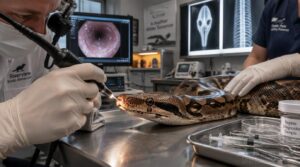
Picture your boa on the exam table, a reptile veterinarian peering through an endoscope while monitors hum softly. That’s where guesswork ends and answers begin.
Here’s the typical diagnostic sequence:
- Physical exam checking nares, breathing posture, and body condition
- Radiographs (X-rays) revealing pneumonia or sinus involvement
- A mucus sample culture identifying the exact bacteria
- Bloodwork flagging infection or organ stress
- PCR testing catching hidden viruses like reptarenavirus
Chronic or one-sided nasal discharge may warrant endoscopy or biopsy, since tumors and foreign bodies hide where X-rays can’t see. Don’t skip the husbandry review either; your vet will interrogate your temperatures and humidity like a detective.
Bring fecal samples and photos of your enclosure. Every detail speeds diagnosis.
Treatment and Prevention for Affected Boas
Here’s a number that should stop you cold: studies of nidovirus outbreaks in pythons and boas show mortality rates climbing past 50% in collections where treatment was delayed. That’s the cost of "waiting to see." And while you’re tightening up biosecurity, don’t overlook cage materials—a degraded liner can shed fragments your snake swallows, so check our guide to substrate liners and impaction risk.
Delayed treatment of nidovirus outbreaks has pushed mortality past 50%—waiting to see can cost your boa’s life
If your boa’s nasal discharge turns out to be a bacterial respiratory infection, your reptile vet will likely pair culture and sensitivity testing with targeted antibiotics. Don’t demand a prescription blind; the wrong drug breeds resistance. While you’re treating the infection, switching to low-dust bedding like the options in this guide to reptile substrates for allergy sufferers can keep irritated airways from getting worse.
If it’s viral, antibiotics won’t help. Recovery hinges on stable temperatures, correct humidity, and hydration while the immune system does the work.
Either way, quarantine that snake. Change gloves between enclosures, disinfect shared tools, and scrub water bowls.
Recheck in 5 to 7 days. No improvement means wrong diagnosis, not wrong dose. Fix the husbandry or dig deeper.
Frequently Asked Questions (FAQs)
Can snake respiratory infection go away on its own?
Can a snake respiratory infection go away on its own? Rarely. That nasal discharge usually signals deeper airway trouble, not a passing sniffle. Get a veterinary checkup now, because delays let infection spread while antibiotic therapy and humidity control remain your snake’s best odds.
What could be causing my rabbit to have mucus from their nose?
That mucus is a five-alarm flare. Bacterial infection, most often Pasteurella causing "snuffles," tops the list, but overgrown tooth roots, sinusitis, or dusty hay can trigger it. Colored discharge? See your vet now.
How to tell if a boa has IBD?
How to tell if a boa has IBD? Watch for head tremors, stargazing behavior, loss of coordination, and chronic regurgitation. These signal Inclusion Body Disease, which is fatal. Get RT-PCR testing immediately.
What are the signs of respiratory infection in snakes?
Respiratory infection in snakes shows up as cloudy nasal discharge, oral discharge, wheezing or noisy breathing, open-mouth gaping, lethargy, appetite loss, an elevated head posture, and eventually labored breathing that demands immediate veterinary care.
Can nasal discharge in boas resolve without treatment?
Can nasal discharge in boas resolve without treatment? Sometimes, if it’s minor irritation and you fix environmental stressors fast. But infections don’t self-heal. Waiting risks fatal pneumonia. See a reptile vet within 48 hours.
Is nasal discharge contagious between snakes in a collection?
Yes, absolutely. Nasal discharge is contagious. Bacteria like Pseudomonas survive 72 hours on surfaces; viruses linger in debris. Quarantine procedures and strict enclosure sanitation stop spread. Isolate that snake now.
How long does recovery from respiratory infection take?
How long does recovery from respiratory infection take? Expect days to two weeks with mild cases, longer if pneumonia sets in. Correct your heat gradient, keep humidity right, finish antibiotic therapy, and schedule veterinary checkups if discharge persists.
Should I quarantine a boa with nasal discharge?
Quarantine immediately. Nasal discharge often signals a contagious respiratory infection or viral disease. Separate the room, use dedicated equipment, wash hands between animals, and book a veterinary checkup today. Don’t wait for symptoms to worsen.
Can stress alone cause a boas nasal discharge?
Funny thing about stress: it never works alone. Stress alone won’t cause nasal discharge. It weakens immunity, letting respiratory infections take hold. Fix your husbandry, and if discharge persists, call your exotics vet.
Conclusion
Here’s a number that should stop you cold: respiratory infections account for roughly one in ten health problems seen in captive boas, and many of those snakes arrive too late. Your boa won’t cry for help. It hides. So the discharge you spot today is your one honest warning.
Check the color, check the breathing, and call your reptile vet early. Boa constrictor nasal discharge symptoms reward the owner who acts first and waits never.