This site is supported by our readers. We may earn a commission, at no cost to you, if you purchase through links.

Watch a snake glide through water sometime and you might catch a tiny bubble trailing behind it. That’s not digestion trouble. That’s your answer to do snakes fart, delivered in real time.
Snakes don’t have a separate anus like you do. Everything, waste, gas, even reproduction, funnels through one opening called the cloaca. So yes, they toot. They just do it through a multipurpose hatch that would make plumbers nervous.
Stick around and you’ll learn why some snakes stay quiet for weeks, and what a smelly one might be telling you.
Table Of Contents
- Key Takeaways
- Do Snakes Fart? Yes, Through Their Cloaca
- What Do Snake Farts Sound and Smell Like?
- Why Do Snakes Rarely Pass Gas?
- Is Defensive Cloacal Popping a Fart?
- When is Snake Farting a Health Concern?
- Frequently Asked Questions (FAQs)
- Are there animals that can’t fart?
- Why is my snake making fart noises?
- Which animal is the gassiest?
- How do snakes pass gas?
- Can snake farts hurt other pets nearby?
- Do baby snakes fart more than adults?
- Can diet changes stop excessive snake gas?
- Do all snake species fart the same?
- Is snake farting linked to stress levels?
- Conclusion
Key Takeaways
- Snakes don’t have a separate anus—everything, waste, gas, and reproduction, exits through one multipurpose opening called the cloaca.
- Most snake farts are silent and odorless thanks to their low-fiber, meat-heavy diet, though you might spot tiny bubbles underwater or a little puff in loose substrate.
- Some snakes, like the Sonoran coral snake, use a totally different trick called cloacal popping, sucking in air and blasting it out in under 0.2 seconds to startle predators, which has nothing to do with digestion.
- Frequent farting paired with bad smells, swelling, lethargy, or appetite loss can signal a real health problem, so it’s worth a vet visit rather than a shrug.
Do Snakes Fart? Yes, Through Their Cloaca
So yes, snakes fart. It’s a weird little party trick of biology, and it all comes down to one multi-purpose opening. Here’s what’s actually happening down there.
That same cloaca is also responsible for how snakes handle both solid waste and the chalky uric acid crystals, a combo worth understanding in how snakes actually poop and pee.
Cloaca Versus Anus
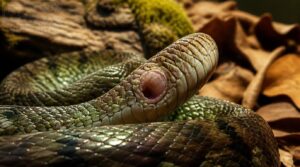
One hole, many jobs. That’s the cloaca for you.
Unlike mammals, snakes lack a separate anus. Their digestive tract, urinary system, and reproductive openings all share one exit. It’s a multitasking marvel, part sewer line, part delivery room. This cloacal multifunction is normal reptile anatomy, not some evolutionary shortcut. This shared-opening design is common to reptiles, birds, and amphibians, making snakes far from unique in this regard. So yes, snake farts, waste, and eggs all use the same door.
How Snakes Expel Gas
So how does the gas actually get out? Muscular contractions do the work.
The cloacal chamber acts like a pressure valve. Abdominal pressure pushes air toward it, and cloacal muscular action forces it out, voluntary or not. Sometimes it’s just gas expulsion in reptiles doing its job quietly, no drama, no warning, just relief.
Swallowed Air and Fermentation

Where’s the gas actually come from? Two sources.
Snakes gulp air during hasty feeding, and natural bacteria ferment leftovers in the gut. Picture:
- Air ingestion during a rushed swallow
- Gut fermentation of scraps
- Gas composition heavy in nitrogen
- Slow transit time in cold-blooded guts
- Microbial influence varying by meal
Nothing glamorous. Just intestinal gas buildup, quietly working through the digestive system.
What Do Snake Farts Sound and Smell Like?
So what does a snake fart actually sound like? Most of the time, nothing at all. Here’s what you might notice instead, if you’re paying close attention.
Usually Silent and Odorless
Blink and you’ll miss it. Snake farts are usually silent and odorless, thanks to minimal byproducts from a low-sulfur, meat-heavy diet.
Most releases are invisible, just a subtle expulsion of intestinal gas through the cloaca, blending into normal movement. No drama, no smell. Just a quiet, natural bodily function doing its job.
Bubbles During Underwater Expulsion
Underwater, though, is a different story. Gas leaving the cloaca forms visible bubbles, shaped nearly spherical by surface tension, then rising and merging as they ascend.
If those bubbles seem unusually frequent or persistent, it’s worth reviewing what causes snake bloating to rule out feeding-related digestive issues.
- Small bubbles drift slowly, larger ones speed up
- Expansion and pinch-off create faint acoustic pulses
- Mostly nitrogen and oxygen, so bubbles stay clear
Turbulence can zigzag their path. Cute, honestly.
Substrate Movement and Dust Clouds
No water nearby? Watch the substrate instead. Loose bedding like sawdust or fine sand puffs up right where the cloaca sits, a tiny dust cloud giving away the moment.
| Substrate Type | Visible Sign |
|---|---|
| Fine sand | Small puff |
| Sawdust | Dust cloud |
| Aspen shavings | Slight shift |
| Coconut fiber | Minimal cloud |
| Solid liner | No sign |
Rare Audible or Smelly Gas
Every rule has exceptions. Some owners swear they’ve heard a genuine toot, or caught a whiff of something off. Rare Gas Events like these usually trace back to a hearty meal or slow gut transit, not a broken snake.
Sulfur compounds occasionally sneak in, producing rotten-egg smells. Substrate can mask gas smells too, so don’t assume silence means nothing happened.
Why Do Snakes Rarely Pass Gas?
So why don’t snakes rip one every five minutes like your dog after taco night? Turns out their whole biology works against it. Here’s what’s actually keeping things quiet down there.
Low-Fiber Carnivorous Diets
Meat in, minimal gas out. Snakes run on a carnivore diet with almost no fiber, so there’s nothing for gut bacteria to ferment. Their intestinal tract absorbs protein and fat efficiently, skipping the fermentation that gives plant-eaters (and us, after burrito night) their notorious toots. Less fiber means less fermentation, means less gas. Simple digestive math.
Large or Infrequent Meals
Ever eat a huge dinner and feel like a python that swallowed a goat? Same idea.
A big meal stretches gastric emptying time by 4 to 6 hours, causing postprandial discomfort and transient gas as fats and proteins digest slowly.
Infrequent feeding also shifts nutrient absorption timing, so occasional bloating is just biology, not a bug.
Fur, Feathers, and Exoskeletons
Fluffy, feathery, or crunchy, the packaging matters.
Prey covered in fur, feathers, or chitin forces gut bacteria to work overtime breaking down tough keratin and swallowed air pockets.
That means more fermentation gas, even in a low-fiber carnivore diet.
- Fur trapping tiny air pockets during swallowing
- Feathers adding bulky, hard-to-digest structure
- Chitin resisting quick enzymatic breakdown
- Extra bacterial fermentation from all that texture
Gas Buildup During Brumation
Winter changes the math entirely. During brumation, a snake’s metabolism idles, slowing microbial fermentation just enough to let gas linger instead of clearing out.
| Factor | Effect | Result |
|---|---|---|
| Temperature | Gas solubility shifts | Cloacal pressure buildup |
| Hydration | Drier tissue | Firmer gas pockets |
| Gut motility | Slows down | Brumation gas retention |
Not exactly a party in there.
Air Intake for Self-Cleaning
Here’s a weird one: snakes sometimes gulp air on purpose. This voluntary air intake works like a built-in cleaning cycle, pushing debris out of the cloaca. Think of it as cloacal hygiene maintenance, an airflow diversion system flushing out gunk. These "selfcleaning farts" aren’t digestive at all. Different job than defensive farting, same exit door.
Is Defensive Cloacal Popping a Fart?

Not every weird noise from a snake’s backside is gas. Some species have turned their cloaca into a tiny defense weapon. Here’s what that trick actually involves.
How Cloacal Popping Works
So how does a snake pull off this trick? It sucks air into its cloaca, then fires it out through rapid cloacal muscle contractions, all in under 0.2 seconds. That’s the whole air suction mechanism.
The result is a high-pitched popping sound up to 5,500 Hz, a burst of acoustic defense meant purely to startle, not to digest anything.
Snakes That Use It
Not every snake bothers with this party trick. Defensive cloacal popping shows up mainly in two desert dwellers: the Sonoran coral snake and the western hooknosed snake.
Both rely on tight cloacal muscle control as their go-to predator deterrence mechanisms. It’s a classic case of species-specific behavior, a niche skill, not a universal snake feature.
Startling Predators With Sound
Why does a pop work so well? Predators expect silence, not a sudden squeak.
That’s the whole trick: an auditory startle response buys the snake a getaway window. This sound-based deterrence causes real predator confusion, often making mammals or birds freeze or bolt. No venom needed, just a well-timed noise release doing the heavy lifting.
Digestive Gas Versus Defense
Here’s where people mix things up: cloacal popping isn’t a fart with better PR.
Regular gas comes from swallowed air or slow intestinal fermentation, seeping out whenever it builds up.
The pop is a defensive mechanism, a fast muscular squeeze built purely for sound.
One’s digestion doing its job. The other’s survival, on demand.
One toot is digestion at work; the other is a snake fighting for its life
Musk and Waste Release
That squeaky pop rarely travels alone. Cloacal glands often add oily secretions, mixing musk with waste gas for extra deterrent punch.
Three things shape the effect:
- Stress-induced release ramps up with handling
- Odor dispersion depends on wind and humidity
- Secretion strength varies by species
It’s a combined defensive mechanism, not just noise. Smell and sound, working together.
When is Snake Farting a Health Concern?
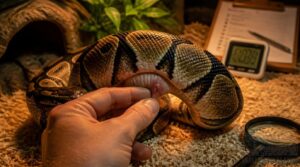
Most snake farts are nothing to worry about. But every once in a while, gas is your snake’s way of waving a little red flag. Here’s what to watch for.
Excessive or Persistent Farting
One toot is normal. A week of them is a gas buildup warning.
Watch for a real farting frequency increase, especially paired with lethargy or skipped meals. That combo signals poor digestive efficiency, not just a gassy meal. Persistent flatulence lasting several days deserves real symptom observation. These are veterinary concern signs, not quirks, so don’t just shrug and wait it out.
Foul-Smelling Gas
Smell is your best diagnostic tool here. Healthy snake farts are odorless, so any rotten egg stink means sulfur compounds from bacterial infection, parasites, or gut imbalance.
Foul odor often follows:
- Bacterial overgrowth
- Parasitic infections
- Dietary triggers
- Malabsorption issues
- Fermentation abnormalities
Sulfurfree diets rarely explain the stench. Trust your nose.
Swelling or Gas Retention
A puffy snake isn’t always plotting anything sinister, but check it anyway.
Gas buildup causes distention over hours, especially after big meals or during brumation gas retention. Look for swollen areas, uneven body weight fluctuation, or tissue gas pockets that don’t budge.
Hydration reduces swelling, so offer water and warmth to support gas expulsion. Persistent puffiness past 24 hours? Time to worry.
Lethargy and Appetite Loss
Checking swelling matters, but check the whole snake too.
A gassy snake that’s also lethargic and skipping meals is telling you something bigger. Parasites, respiratory infection, mouth rot, egg binding, wrong tank temps, all cause appetite loss alongside excess gas. Brumation slows things naturally, but healthy snakes still perk up. If yours won’t eat and won’t move, gas isn’t your only problem.
When to Contact a Veterinarian
So when do you actually call your local veterinarian? Skip the wait-and-see approach if you spot respiratory wheezing, cloacal discharge, persistent vomiting, weight loss, or skin lesions alongside excessive farting.
Gastrointestinal gas paired with any of these isn’t a coincidence, it’s a pattern. Stress indicators in reptiles matter too. When in doubt, call. Good pet snake care means trusting your gut, even when your snake’s gut is the problem.
Frequently Asked Questions (FAQs)
Are there animals that can’t fart?
Picture an octopus, gliding off silently instead of ripping one. Turns out gut fermentation absence is common: birds, insects, and deep sea organisms mostly skip gas production entirely, thanks to fast digestion and different plumbing.
Why is my snake making fart noises?
Likely cloacal muscle control at work, either a defensive pop or normal gas escaping the vent. Could stem from air ingestion, prey material, or brumation buildup. Rarely alarming unless paired with lethargy or odor.
Which animal is the gassiest?
Cattle take the crown, burping and farting out 250 to 500 liters of methane daily. Termites and other ruminants rank high too, thanks to gut bacteria breaking down fiber. Snakes? Barely a blip on the gas chart.
How do snakes pass gas?
No dramatic exit required. Snakes just contract the cloaca, one exit for waste and gas alike, pushing trapped air out in quiet, barely-there bursts. No fanfare, no smell, just quiet plumbing doing its quiet job.
Can snake farts hurt other pets nearby?
Short answer: no. Cloacal gas is quiet and odorless, settling near the snake rather than spreading like an aerosol. Even defensive popping just startles predators with sound. Other pets face zero real exposure risk, just mild curiosity at most.
Do baby snakes fart more than adults?
You’d think tiny bodies mean tiny gas, but nope. Juvenile feeding frequency is higher, so digestion runs constantly.
Smaller prey means less bulk gas per meal, but frequent cloacal activity from rapid growth rate keeps things moving more often than in adults.
Can diet changes stop excessive snake gas?
Often, yes. Meal frequency control, lean protein balance hydration, and fiber avoidance strategies calm the gut.
Moderate whole prey, stabilize gut flora, and track intestinal health through simple diet monitoring, since excessive gas usually eases once carnivore diet effects settle down.
Do all snake species fart the same?
Nope, no two toots are alike. Species variation is huge: gas volume, odor detection, and even sound frequency differ, plus defensive poppers like coral snakes turn cloacal function into a predator alarm, not just carnivore diet leftovers.
Is snake farting linked to stress levels?
Kind of. Stress raises corticosterone, which can trigger extra tongue flicking, erratic movement, and yes, stress-induced air swallowing.
That swallowed air needs somewhere to go. So excessive gas alongside jumpy behavior might mean your snake’s cloaca is signaling more than just digestion.
Conclusion
So is the myth true? Turns out do snakes fart less as comedy and more as quiet biology working through one hardworking opening. Most days that cloaca stays silent, saving its drama for defense or digestion.
But when the smell turns foul or the belly swells, that’s not personality. That’s your snake asking for help. Watch the cloaca. It rarely lies, and when it finally speaks up, listen closely.