This site is supported by our readers. We may earn a commission, at no cost to you, if you purchase through links.
Walk into any reptile expo and you’ll find two camps arguing over enclosure floors like it’s a religious debate. One side swears by loose substrate, the other won’t touch anything but a wipeable liner. Here’s the clinical answer: do snakes need substrate liners? No, not for health or happiness.
Your snake won’t know the difference between vinyl and cypress mulch on a biological level. What changes is your workload, your enclosure’s humidity stability, and how fast you can clean up after a messy shed or feeding.
Your species, your setup, and your cleaning habits decide which floor covering actually earns its spot.
Table Of Contents
- Key Takeaways
- No, Snakes Don’t Need Substrate Liners
- How Snake Substrate Liners Work
- Liners Versus Loose Snake Bedding
- Choosing a Safe Snake Liner
- Installing and Cleaning Substrate Liners
- Frequently Asked Questions (FAQs)
- What is the best substrate to use for snakes?
- What not to use for snake bedding?
- How often should you replace your snakes substrate?
- Do snakes like being under blankets?
- Can substrate liners be used with heat mats?
- Do liners work in bioactive or planted enclosures?
- Are liners safe for baby or juvenile snakes?
- Can I make a DIY substrate liner at home?
- Do liners affect a snake’s shedding process?
- Conclusion
Key Takeaways
- Your snake doesn’t need a substrate liner to stay healthy or happy, since it comes down to your convenience, not your snake’s biological needs.
- Liners make cleanup, waste containment, and traction easier, while loose substrate lets your snake dig and burrow the way it would in the wild.
- Loose substrate carries an ingestion risk during feeding, since materials like sand or walnut shells can cause impaction if swallowed, while liners remove that danger entirely.
- Whatever floor covering you pick, match it to your snake’s species and habits, and keep up with regular cleaning, since consistent maintenance matters more than the material itself.
No, Snakes Don’t Need Substrate Liners
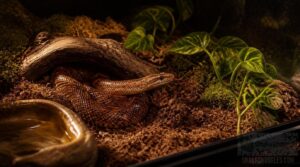
No, your snake doesn’t need a substrate liner to stay healthy or happy. Liners are simply optional, a floor covering you can add for convenience rather than a requirement for good care. Here’s what you’ll want to know before deciding if one belongs in your setup.
If you’d rather skip liners altogether, check out these budget-friendly substrate options for snake enclosures that keep your setup simple and safe.
Liners Are Optional Floor Coverings
Your snake doesn’t need a liner to stay healthy. Think of it as optional floor coverage, not a requirement.
Vinyl or plastic mats simply wipe clean, cutting down on debris and easing your substrate maintenance routine.
Whether you add one comes down to your setup and cleaning habits, not your snake’s wellbeing.
When Liners Can Help
Certain setups do benefit from a liner. If you’re keeping a species that needs steady humidity control, a washable reptile mat with moisture barrier backing helps lock moisture where you want it.
You’ll also get better waste containment, easier spot-clean waste daily habits, and improved surface traction for snakes prone to slipping on smooth glass.
When Loose Substrate Works Better
Other setups do better without a liner at all. If your snake digs for enrichment, loose substrate lets it express that behavior naturally, mimicking its wild habitat.
- Watching your snake vanish into the bedding, safe and content
- Knowing humidity stays stable without extra fuss
- Saving money while still meeting your snake’s needs
It’s often the more cost-effective, species-appropriate choice.
Consider Your Snake’s Behavior
Watch how your snake actually behaves before picking flooring. Frequent burrowing points to loose substrate. Flattened posture or fast tongue flicking during handling signals stress, not a liner problem.
| Behavior | Better Substrate Choice |
|---|---|
| Digs often | Loose bedding |
| Rarely burrows | Liner works fine |
| Stays hidden | Loose bedding |
Species needs and exploration tendencies matter more than convenience, since species-specific behavioral profiles show that natural habitat shapes how much a snake digs, hides, or explores its enclosure.
How Snake Substrate Liners Work
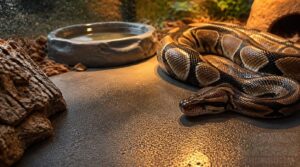
Once you decide a liner makes sense for your setup, you’ll want to know how it actually functions inside the tank. You’ll find it does more than just sit on the floor, working as a barrier that changes how waste, moisture, and traction behave in the enclosure. Here’s what you need to understand before picking one out.
Since liners still need regular upkeep, it helps to know how often you should change snake bedding to keep waste and moisture from building up.
Types of Enclosure Liners
Not all liner materials behave the same way.
Vinyl and PVC stay flat and wipe clean fast. Rubber-backed mats add grip and cushion underfoot. EVA foam softens pressure points for heavier-bodied snakes. Silicone liners seal watertight against moisture. Laminated fabric, often called reptile carpet, uses coated fibers for a durable, washable terrarium liner.
Waste and Moisture Containment
When waste hits a liner, it stays put on the surface instead of sinking in. You’ll get real waste containment since urine and feces sit on top, ready for spot cleaning.
Some liners even feature drainage channels for moisture wicking, pulling liquid away from your snake’s body. That means better odor control and easier substrate hygiene overall.
Traction and Surface Comfort
Grip matters more than looks here. Raised grain patterns on liners give your snake’s belly better contact, which means steadier traction during movement instead of sliding around like a hockey puck.
Good liners also insulate, keeping basking spots comfortably warm while cushioning scales against rough enclosure floors, protecting sensitive skin from abrasion over time.
Burrowing and Enrichment Limitations
A flat liner can’t replace what dirt does. Your snake loses the chance to dig, so burrow depth stays at zero and natural behavior support drops off.
Complex textures matter too:
- Scent marking opportunities
- Tactile exploration
- Digging-based stress relief
This substrate complexity gap affects burrowers most. Corn snakes and hognoses need real substrate enrichment, not just a wipeable surface.
Liners Versus Loose Snake Bedding
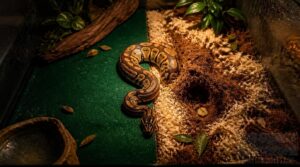
Liners and loose bedding both get the job done, but they get there in different ways. You’ll want to know where each one pulls ahead before picking sides. Here’s how they stack up on the things that matter most.
If you’re starting out, choosing a calm, beginner-friendly pet snake breed can make bedding decisions feel a lot less overwhelming.
One key factor to weigh is feeding safety, since loose substrate often sticks to prey during a strike, a risk this comparison of substrate liners versus loose bedding for snakes breaks down in detail.
Cleaning and Odor Control
That ammonia smell hits fast once urine sits. You’ll want to spotclean waste daily, then wipe liners with reptile-safe cleaners or a mild enzyme cleaner to break down residue.
Good enclosure ventilation helps odors escape instead of lingering.
Rinse liners fully and air-dry them, since damp liners breed the exact bacteria you’re trying to eliminate.
Humidity and Moisture Retention
Can a thin sheet of liner really hold humidity like loose bedding does? Not quite. Nonporous liners dry fast after misting, so moisture retention drops compared to substrate.
For humidity-loving species, this matters:
- Shed quality suffers without stable moisture
- Dry air stresses respiratory health
- Microclimate stability slips near water bowls
Porous liners help some, but loose substrate still wins on humidity regulation.
Burrowing Opportunities
Moisture aside, liners simply can’t replicate what burrowing behavior offers your snake. Wild snakes dig for predator refuge, moisture collection, and even food caching, activities loose substrate allows through adequate substrate depth. A flat surface removes that outlet entirely.
A flat liner strips away a snake’s chance to dig for refuge, moisture, and food
Digging also mimics natural habitat functions like soil aeration. Loose substrate with the right texture lets your snake express these instincts safely.
Ingestion and Impaction Risks
Digging instincts aside, loose bedding carries a hidden cost: ingestion risk. Sand, walnut shells, and calci-sand can cause impaction when swallowed accidentally during feeding. Particle size matters here, coarse or non-digestible materials are more likely to lodge internally.
Liners remove that danger entirely, since there’s no loose substrate for your snake to accidentally ingest while striking prey.
Cost and Replacement Frequency
Safety aside, your wallet cares about this too. Liners run $15 to $60 depending on material, with silicone costing more but resisting humidity best.
High-moisture enclosures wear liners out 20 to 40% faster, so plan replacements every 6 months.
Buying in bulk saves 5 to 20% per liner, cutting long-term costs compared to constantly replenishing loose bedding.
Choosing a Safe Snake Liner
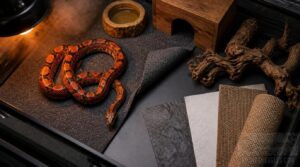
Not every liner belongs in every enclosure, and picking the wrong one can undo all its benefits. You’ll want to weigh a few key factors before buying, from your snake’s species to the material’s texture and fit. Here’s what to check before you commit to one.
If odor control is a top priority, it’s worth reading up on how substrate liners actually trap smells before deciding which type fits your setup.
Match Your Snake Species
A liner that suits a corn snake won’t necessarily suit a ball python. Match the material to your species’ natural habits, humidity needs, and burrowing style. Ask yourself:
- Does your snake burrow or dig for enrichment?
- Does it need 60-80% tropical humidity?
- Does it favor coiling or climbing?
- What substrate depth mimics its wild habitat?
Answers guide safer, species-appropriate liner choices.
Choose Nontoxic Materials
A handful of materials make the difference between a safe enclosure and a hidden hazard. You’ll want nontoxic substrate options free of dyes, adhesives, and VOC-heavy coatings, since fumes build up fast in glass tanks.
Look for VOC-free materials and chemical-free liners labeled safe for reptile use.
Eco-friendly substrates cost a bit more, but substrate toxicity isn’t worth risking for savings.
Avoid Abrasive, Snagging Textures
Run your hand across the liner before buying it. Nonabrasive reptile flooring protects belly scales, so avoid frayed materials, raised piles, or rough weaves. Choose sealed vinyl with proper liner edging and edge reinforcement strips to stop snagging.
Check weekly for wear indicators like pilling. That’s basic reptile liner texture evaluation, and it prevents scale damage fast.
Check Moisture-Wicking Performance
Since snake waste carries moisture, you’ll want a liner with real moisture-wicking materials, not just a water-resistant coating. Check specs for wicking efficiency testing or fabric comparison data, since synthetic fabrics usually outperform cotton.
Ask about wash durability effects too, since reptile liner moisture resistance often fades after repeated cycles, slowing the reptile liner drying process and letting substrate moisture linger.
Select The Correct Size
A liner that’s too small leaves gaps for waste to slip under, and one too big bunches up. You’ll want to measure enclosure dimensions and match floor space calculation to your snake’s growth stage sizing, since subspecies size variations matter too.
Beginners often start with a Zoo Med Eco Carpet Terrarium Liner, then use custom cutting and fitting techniques for multi-level enclosure space.
Installing and Cleaning Substrate Liners
A good liner only works if you install and maintain it right. You’ll need to get the fit snug, keep it clean, and know when it’s time for a replacement. Here’s what that upkeep actually looks like, step by step.
If your snake is a reluctant eater, proper liner hygiene pairs well with thoughtful feeding habits — explore feeding tongs sized for small or juvenile snakes to make mealtime safer and less stressful.
Measure The Enclosure Floor
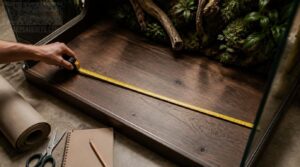
A sloppy fit ruins a good liner fast. Measure the enclosure floor with a flexible tape: width at the widest point, length front to back, then note curves or corners.
- Check surface material compatibility
- Round up slightly for custom cutting
- Record measurements before shopping
Getting this right saves you a return trip and a wasted liner.
Prevent Gaps and Curling
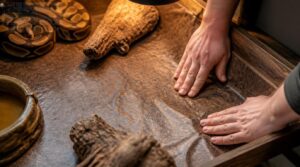
A curled edge is where trouble sneaks in. Once you’ve cut your liner, press it flat and check every corner for lift.
Use edge sealing strips at all four corners, and resecure any seams that shift. You’ll want a snug, wrinkle-free fit, so re-tuck loose spots and inspect weekly for gaps that invite curling.
Spot-Clean Waste Daily
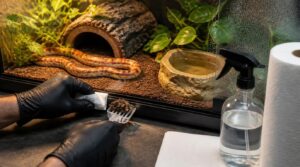
With edges secured, daily upkeep is what actually protects your snake. Remove waste within 24 hours using a paper towel or scoop, then wipe the spot with a fragrance-free, reptile-safe cleaner.
Track moisture and frequency each day. Odor spikes or loose stool often signal health issues worth noting, so keep a simple log as you clean.
Disinfect Liners Regularly
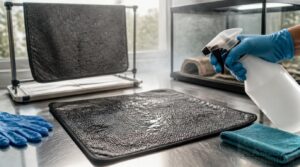
Daily spot-cleaning only goes so far. You’ll want a full reptile-safe disinfectant session weekly for low-use tanks, or every 3-4 days for busier ones.
Remove waste first, apply an EPA-registered cleaner or diluted bleach (1:32), then rinse well. Wear gloves, ventilate the room, and airdry liners fully before reinstalling your washable terrarium liner.
Replace Worn or Smelly Liners
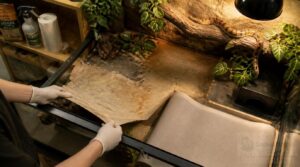
Even a good scrubbing routine won’t make a liner last forever. You’ll want to follow a liner replacement schedule of every 2 to 6 months, sooner if you notice lingering ammonia smells, since that’s a sign uric acid has worked into the material.
Watch for:
- Persistent odor after cleaning
- Discoloration or cracked surfaces
- Reduced traction underfoot
Fresh liners cut bacterial buildup and support real reptile enclosure hygiene.
Frequently Asked Questions (FAQs)
What is the best substrate to use for snakes?
Every snake carries its wild ancestry into your home. The best substrate matches that history: aspen for burrowers, coconut fiber for humidity-loving species, matched to natural habitat needs, moisture retention, and safe, non-toxic bedding choices.
What not to use for snake bedding?
Skip toxic wood shavings like cedar and pine, which cause respiratory issues from harmful oils. Avoid impaction-risk sands, blockage walnut shells, and harmful synthetic substrates. These threaten substrate safety and stray far from your snake’s natural habitat.
Safer beddings like aspen, coconut fiber, and paper hold humidity well and are gentle on scales, and this guide to choosing the best snake substrate compares them side by side.
How often should you replace your snakes substrate?
Like clockwork on an old VHS tape, your substrate replacement frequency depends on species and mess. Spot clean soiled areas daily, then plan a full reset every one to four weeks, sooner if odor or dampness lingers.
Do snakes like being under blankets?
Yes, many snakes seek blanket warmth and hiding spots, mimicking natural burrowing instincts. Watch for restricted movement or poor ventilation, though, since both cause stress and disrupt healthy temperature regulation and substrate comfort your snake needs.
Can substrate liners be used with heat mats?
Think of a liner as a blanket between mat and belly. Yes, but you’ll need a heat resistant liner, paired with a thermostat, and check manufacturer guidelines, since insulation can raise surface temperature unexpectedly.
Do liners work in bioactive or planted enclosures?
In a planted or bioactive enclosure, non-porous liners work well underneath the substrate, offering root zone protection, better drainage efficiency, microbe compatibility, and moisture regulation, all while keeping plant stability intact for your snake’s habitat.
Are liners safe for baby or juvenile snakes?
Hatchlings aren’t picky interior decorators, but sharp edges still scrape them raw.
Choose nontoxic liner materials with smooth, snag-free surfaces sized for baby snake liner fit, and add hides for juvenile snake enrichment alongside good textured liner grip.
Can I make a DIY substrate liner at home?
You can build a DIY substrate liner from rigid, nontoxic acrylic or PVC. Measure precisely, cut clean edges, seal seams against moisture, and choose smooth, moisture-wicking materials that resist bacteria and simplify cleaning.
Do liners affect a snake’s shedding process?
Like a VCR tape needing the right tension, your snake needs the right humidity control to shed cleanly. Moisture-retentive reptile carpet helps shedding assistance, while dry, rough substrate texture risks stuck patches.
Conclusion
You reap what you sow, and your enclosure floor is no exception. So, do snakes need substrate liners?
No, your snake needs cleanliness, stable humidity, and safe footing, not a specific material. Liners simplify cleanup. Loose substrate encourages natural digging behavior.
Match your choice to your species, your feeding schedule, and your tolerance for mess. Whichever floor you choose, consistent maintenance matters more than the material sitting beneath your snake’s belly.