This site is supported by our readers. We may earn a commission, at no cost to you, if you purchase through links.

Your snake spends nearly every minute of its life in direct contact with its bedding. It sleeps on it, sheds against it, and swallows a few stray flecks of it with every meal.
That’s why choosing safe substrate for pet snakes shapes their health more than almost any other setup decision. Damp bedding breeds bacteria, sharp chips scratch skin, and fine dust invites impaction. A desert kingsnake needs 40% humidity or less, while a rainforest species wants 60 to 80%.
Here are five proven substrates, matched to species and humidity needs, plus the common bedding you should never put in your tank.
Table Of Contents
- Key Takeaways
- Why Substrate Choice Matters for Snake Health
- Best Substrates by Snake Species and Humidity Needs
- Top 5 Safe Substrates for Pet Snakes
- Unsafe Substrates to Avoid and How to Maintain Safe Bedding
- Frequently Asked Questions (FAQs)
- What is the safest substrate for snakes?
- What is the best substrate for a snake tank?
- What not to use for snake bedding?
- What should I put at the bottom of my snakes cage?
- What kind of substrate is best for snakes?
- What substrate is toxic to ball pythons?
- What substrate is best for snakes?
- What bedding is safe for snakes?
- What is the best substrate for house snakes?
- What is the best material for a snake enclosure?
- Conclusion
Key Takeaways
- Match your snake’s bedding to its species, since desert snakes like kingsnakes need humidity at 40% or less while rainforest species need 60 to 80%.
- Keep bedding clean and dry by spot-cleaning daily, letting damp patches dry fully, and checking humidity with a hygrometer, because wet pockets breed mold and bacteria that harm your snake’s lungs and skin.
- Choose low-dust, nontoxic options like coconut fiber, aspen shavings, reptile carpet, or paper towels, and avoid cedar, pine, sand, cat litter, and walnut shell, which cause respiratory irritation, impaction, or mold.
- Pick the substrate that fits your setup, such as Eco Earth or ReptiSoil for humid enclosures, a reusable liner for quarantine tanks, and alfalfa pellets only for dry ones.
Why Substrate Choice Matters for Snake Health
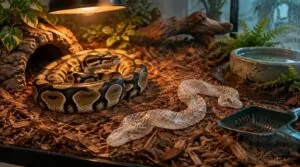
Choosing the wrong bedding puts your snake at risk every single day. Your substrate isn’t just a floor. It traps waste, holds heat and shapes how your snake moves, eats and sheds.
Damp, dirty or dusty bedding can lead to skin infections and respiratory trouble, so it helps to know how bad bedding can make your snake sick before problems start.
Your snake’s bedding is more than a floor: it traps waste, holds heat, and shapes how your snake moves, eats, and sheds
Substrate moisture drives everything. Damp bedding that dries slowly leaves wet pockets where bacteria thrive, which hurts respiratory health and invites mold. Fast-drying media give microbes less time to spread, so mold prevention gets easier. Solid humidity control means matching moisture to your snake, not soaking the whole tank. A digital reptile hygrometer thermometer lets you check humidity and temperature at a glance, so you can fix damp spots before they turn into problems.
Texture matters too. Loose, fragmenting particles can get swallowed during feeding, and rough or sharp bits irritate skin, which hurts shedding success. Uneven heat transfer creates hot and cold patches underfoot. Pick stable, low-dust bedding you can spot-clean fast.
Best Substrates by Snake Species and Humidity Needs
Your snake’s species sets the rules, so match the bedding to its home climate.
Desert and arid snakes, like many kingsnakes and some pythons, do best at 40% humidity or lower. Use a fine, low-dust base 1 to 3 inches deep. Aspen shavings work for dry setups, and reptile carpet is easy to clean. Skip anything aromatic, because it irritates heat pits and lungs.
Rainforest species need 60 to 80% humidity. Coconut fiber holds moisture well, and sphagnum moss works nicely in a humid hide. Add a drainage layer, and make sure the surface dries within hours after misting.
Burrowers want 4 to 6 inches of loose, fine-grained bedding with a dry top layer. Sift it often.
Never use cypress mulch in tight, damp enclosures. It molds fast.
If you keep a ball python, check humidity and enclosure setup against these ball python pet care tips so damp bedding never lingers long enough to turn moldy.
Top 5 Safe Substrates for Pet Snakes
You’ve got the basics down, so it’s time to pick your Snake Safe Substrate. The five products below are trusted Reptile Bedding Options that support your snake’s health, humidity, and burrowing needs. Check each one against your species and your setup before you buy.
1. Zoo Med ReptiSoil Terrarium Substrate
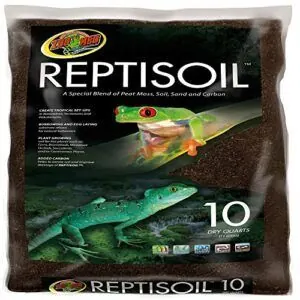
Picture a ball python keeper whose tank sits at 35% humidity, and every shed comes out in ragged, stubborn pieces. Switching to Zoo Med ReptiSoil can often fix that problem fast.
This mix of humus, peat moss, sand, and coconut carbon delivers strong moisture retention without turning soggy. The porous carbon hosts helpful bacteria that break down waste and tame odors.
It’s loose enough for burrowing, which makes it ideal for naturalistic terrarium design and bioactive builds. For substrate safety, keep it near neutral pH, skip lime-heavy additives, and don’t let it stay wet near the water dish. Good humidity control means misting and checking, not guessing.
At $10.98 a bag, it’s a practical pick. It isn’t reusable, so plan a full change every 4 to 8 weeks or sooner.
2. Zilla Green Terrarium Liner
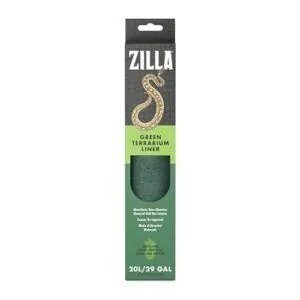
Not every setup needs soil. ReptiSoil fits a bioactive build, but the Zilla Green Terrarium Liner suits the opposite: a clean, simple enclosure you can reset in minutes.
It’s made from recycled polyethylene and polypropylene, so it won’t crumble or get swallowed during feeding. That’s a real plus for juveniles and aggressive strikers. Substrate safety starts with a surface your snake can’t ingest.
Enzyme treatment keeps odors in check between cleanings. Rinse it with cold water, let it dry, and reuse it. At $9.38, it’s easy on your budget.
Know the limits, though. It doesn’t support burrowing, and its humidity control is low, so you’ll need a hygrometer and regular misting for tropical species. It also isn’t built for naturalistic enclosure design. Use it for quarantine tanks and temporary setups, where nontoxic materials and fast cleanup matter most.
Check it for tears or peeling, since damaged edges can harbor bacteria.
3. Zoo Med Forest Floor Substrate
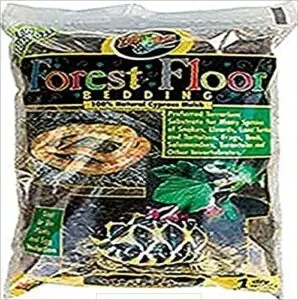
Zoo Med Forest Floor Substrate suits humidity-loving species like ball pythons. This loose, soil-like mix of pine bark, leaf litter, and organic matter mimics a woodland floor and holds substrate moisture longer than clay-based options, so you’ll mist less and keep humidity control steady around 50–70%.
Keep it shallow, about 1–2 inches. That’s deep enough for light digging and shallow enough to keep skin folds clear. Slip a liner underneath to cut ingestion risk.
Overwatering invites mold, so let the surface dry between mistings. Mold prevention protects your snake’s respiratory health. Spot-clean waste right away and replace everything every 4–6 months.
Pick unscented, pesticide-free bags only. At $29.98 for a 10.6 lb bag, it’s economical, especially when you mix in coconut fiber. Arid species? Skip.
4. Zilla Alfalfa Meal Reptile Bedding
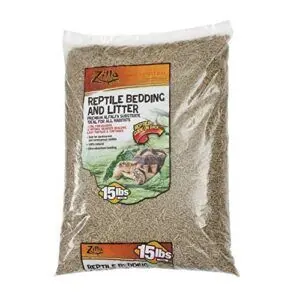
A dry-dwelling snake that gulps down loose bedding during feeding changes your substrate safety math fast. Zilla Alfalfa Meal Reptile Bedding offers a digestible pellet option, which lowers your substrate ingestion risk, though it never erases it.
Use it only in dry, low-humidity setups. Moisture retention is its weak spot, and damp pellets clump, grow mold, and attract mites.
Here’s how to use it right:
- Keep depth at 1 to 2 inches so your snake can burrow without compacting.
- Spot-clean daily and dry any damp patches.
- Feed on a bare tray or slab to limit accidental swallowing.
- Replace everything every 2 to 4 weeks.
Skip it for arboreal species and humid shedders. In a naturalistic enclosure, pair it with a dry hide and keep your humidity gauge in view.
5. Zoo Med Eco Earth Reptile Substrate
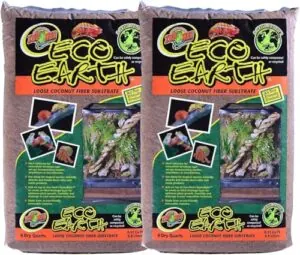
Worried coconut fiber is too damp for a snake? It isn’t, if you manage it right. Zoo Med Eco Earth gives tropical species like ball pythons steady humidity control without turning the enclosure into a swamp.
Made from natural coconut husks, it offers excellent moisture retention and loose texture for burrowing. Spread it 2 to 4 inches deep. Mist it until it feels like wrung-out cloth, never soggy. Substrate moisture that pools invites mold, so keep ventilation strong.
Spot-clean waste often and replace the bedding every 4 to 6 weeks. Choose the plain, unscented bag for better substrate safety.
At $26.55 for a 6.4 lb pack, it suits medium to large enclosures. It isn’t reusable, so budget for regular refills and plan your replacements.
Unsafe Substrates to Avoid and How to Maintain Safe Bedding
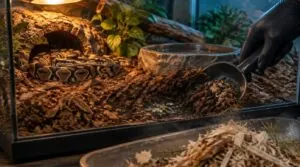
Respiratory trouble ranks among the most common problems reptile vets see in pet snakes, and your bedding is often a quiet culprit.
Skip pine and cedar shavings. They release toxic aromatic compounds that cause respiratory irritation. Fine dusty mixes add impaction risk too. Choose ingestion safe bedding instead.
Here’s what’s at stake when you get it wrong:
- Watching your snake gasp with its mouth open.
- Rushing to the vet at midnight, scared and helpless.
- Losing a companion you trusted yourself to protect.
- Blaming yourself for a preventable mistake.
Spot clean waste daily, but don’t stop there. Spot cleaning leaves wet pockets underneath, and those feed mold. Let damp substrate dry fully before you re-wet it, and replace it if soggy. A slotted reptile substrate scoop lifts waste and damp clumps, making it easier to dig out those hidden wet pockets before mold sets in.
Frequently Asked Questions (FAQs)
What is the safest substrate for snakes?
The safest substrate is one that’s clean, nontoxic, and species-matched. Paper-based bedding or a reptile liner wins for impaction risk reduction. Skip fine sand and mystery shavings. Stick to a strict spot cleaning routine.
What is the best substrate for a snake tank?
The best substrate for a snake tank depends on your species specific substrate needs. Tropical snakes thrive on Zoo Med Eco Earth, which offers strong moisture retention and humidity control. Desert species need drier bedding, so match humidity first.
What not to use for snake bedding?
Some bedding is a wolf in sheep’s clothing. Always skip cedar shavings, pine shavings, cat litter, walnut shell, gravel, calcium sand, and cocoa mulch. They cause impaction, mold, and dust problems your snake can’t escape.
What should I put at the bottom of my snakes cage?
Picture a cage floor that’s dry, clean, and soft underfoot. That’s your goal. Start with Coconut fiber for humidity-loving snakes, or Aspen shavings for dry-climate species. Need something simple? Paper towels work. Skip cedar and pine.
What kind of substrate is best for snakes?
Your snake’s species decides everything. Pick a species specific substrate that matches its humidity control needs, then prioritize substrate safety. Coconut fiber, aspen, or cypress mulch work well, and moisture retention helps a naturalistic vivarium.
What substrate is toxic to ball pythons?
Wondering what’s actually hurting your ball python? Pine and cedar shavings lead the list, since their aromatic oils inflame airways.
Skip cypress mulch, walnut shell, calcium sand, and cat litter; they’re dusty, treated, or impactable.
What substrate is best for snakes?
Which substrate wins? It depends on your animal. Coconut fiber offers strong moisture retention and burrowing support.
Aspen shavings stay low on dust accumulation for dry-climate species.
Cypress mulch holds humidity well. Match each to species-specific needs for substrate safety.
What bedding is safe for snakes?
Your safest bets are aspen shavings, coconut fiber, reptile carpet, and paper towels. Match each to your species’ humidity needs.
Running a humid setup? Try bioactive soil. Skip cedar and pine; their oils harm lungs.
What is the best substrate for house snakes?
Go with Coconut fiber, like Zoo Med Eco Earth. It holds moisture, lets air move through, and resists mold when you keep it damp, not soggy. Spot-clean daily. Aspen shavings, Reptile carpet, and Paper towels work too.
What is the best material for a snake enclosure?
Your enclosure floor is a mattress, and every species sleeps differently.
Coconut fiber and cypress mulch hold humidity for tropical snakes, while aspen shavings suit dry species. Paper towels or reptile carpet work for quarantine.
Conclusion
Humidity needs run from 40% or less for a desert kingsnake to 60 to 80% for rainforest species, and your bedding has to match.
Choosing safe substrate for pet snakes comes down to one habit: pick for the species, then check it often. Spot-clean waste right away, swap out damp patches, and track humidity with a hygrometer. Skip cedar, pine, and sand.
Get it right and your snake sheds, rests, and eats on safe ground.