This site is supported by our readers. We may earn a commission, at no cost to you, if you purchase through links.
Impaction sends more snakes to my clinic than mites, burns, and bites combined. Most cases share one culprit: loose substrate clinging to a rat during a strike. That’s the real fight in the debate over substrate liner vs loose substrate for snakes.
Owners assume it’s cosmetic, carpet versus dirt. It’s not. One choice affects humidity swings, burrowing instinct, and what ends up in your snake’s gut.
You want your enclosure clean and your snake thriving, not stressed by a surface that fights its natural behavior. Let’s settle which option actually earns its place in your tank.
Table Of Contents
- Key Takeaways
- Substrate Liner Vs Loose Substrate: Key Differences
- Benefits and Drawbacks of Substrate Liners
- Benefits and Drawbacks of Loose Substrate
- Match Substrate to Snake Behavior
- Compare Humidity, Health, and Feeding Safety
- Best Substrate Choices by Snake Species
- Choose Based on Cost and Maintenance
- Frequently Asked Questions (FAQs)
- What is the best substrate to use for snakes?
- What not to use for snake bedding?
- How often should you replace your snakes substrate?
- What to put in the bottom of a snake enclosure?
- How often should snake substrate be fully replaced?
- Can liners and loose substrate be combined together?
- Does substrate choice affect a snakes temperature regulation?
- What tools help transition a snake to new substrate?
- Are scented or dyed substrates safe for snakes?
- Conclusion
Key Takeaways
- Loose substrate causes most impaction cases because loose particles cling to prey and get swallowed during strikes, so use a feeding dish to keep meals off it.
- Liners win on safety and cleanup, but loose substrate wins on humidity retention, thermal insulation, and letting your snake express natural burrowing behavior.
- Match your substrate to your species: diggers like sand boas and corn snakes need loose material, while surface-dwellers like ball pythons do better on liners.
- Avoid pine, cedar, sand, and dyed or scented products, since they release irritating oils and chemicals or raise the risk of gut blockage.
Substrate Liner Vs Loose Substrate: Key Differences
Liner or loose substrate? The choice affects more than looks. Here’s how they stack up on five things that actually matter.
For boa constrictors specifically, a detailed boa bedding comparison guide can help you weigh humidity retention against cleanup effort before choosing sides.
Cleaning and Waste Control
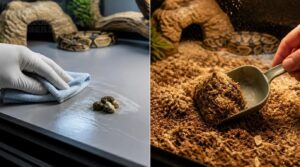
When waste hits a substrate liner, cleanup takes seconds, not sifting. Daily spot cleaning lifts stool before it soaks in. Vinyl wipes clean with alcohol; loose substrate needs full removal, batching odor and ammonia risk. A data-centered approach to observation similar to structured tracking methods can help owners notice waste patterns and catch odor issues before they escalate.
| Task | Liner | Loose Substrate |
|---|---|---|
| Daily Cleaning | Wipe, 1 min | Scoop, dispose |
| Odor Control | Low ammonia buildup | Moderate to high |
| Replacement | Monthly (washable) | Weekly refresh |
Humidity Retention
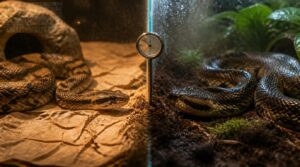
Cleanup’s easy, but what about moisture? Loose substrate acts as a natural buffer, absorbing and slowly releasing water. Substrate liners don’t; they depend on ambient air, so humidity swings faster.
| Factor | Liner | Loose Substrate |
|---|---|---|
| Moisture Retention | Low | High |
| Ventilation Impact | Dries fast | Buffered |
Place your digital hygrometer near the substrate for accurate humidity gradient readings.
Burrowing and Enrichment
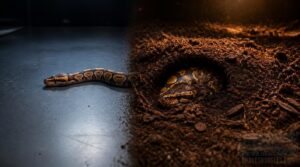
Moisture aside, what about instinct? Burrowing is hardwired behavior, and flat liners can’t support it. Loose substrate, like coco fiber, lets snakes dig real burrows with thermal gradient zones and varied burrow depth.
| Feature | Liner | Loose Substrate |
|---|---|---|
| Burrow Enrichment | None | High |
| Substrate Texture Effects | Flat, less traction grip | Textured, natural |
Tunnel construction materials like coco fiber beat vinyl for foraging enrichment, hands down.
Feeding Safety
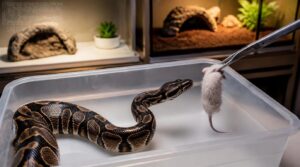
Digging aside, what happens at mealtime? A separate feeding container eliminates ingestion risk entirely. Use feeding tongs for safe prey placement, sized to your snake’s girth. Wait 48 hours before handling.
| Method | Ingestion Risk | Impaction Risk |
|---|---|---|
| Loose Substrate | Higher | Elevated |
| Liner | Low | Minimal |
| Separate Tub | None | None |
Comfort and Traction
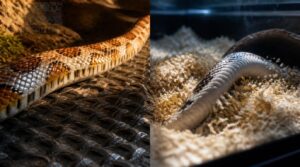
Ever watch a snake struggle for grip? Surface texture grip matters more than you’d think. Liners offer raised patterns for steady traction, while loose substrate shifts underfoot.
| Surface | Traction Quality |
|---|---|
| Liner | Consistent, textured |
| Aspen | Variable, loose |
| Cypress | Moderate, moist |
| Carpet | High, cushioned |
Foot cushioning and thermal comfort round things out. Wear patterns stay predictable on liners, unlike substrate that flattens fast.
Benefits and Drawbacks of Substrate Liners
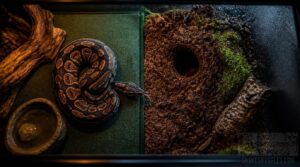
Liners look simple, but they carry real tradeoffs. Some make cleanup a breeze, others fall short on comfort or humidity. Here’s what you’re actually getting with a liner.
Easy Surface Cleaning
Wipe it, rinse it, done. A damp cloth clears most messes in under 60 seconds flat.
No scrubbing required—just check out these low-maintenance water bowls built for small tank setups for an easy-clean upgrade.
Liners resist staining too. Feces and urine lift with mild detergent in under 3 minutes, no scrubbing marathon required.
Fast drying time matters more than you’d think. Smooth surfaces dry within 5-10 minutes, so your snake isn’t stuck on a damp mat. Machine washable liners? Toss them in at 30°C, air dry in an hour.
Reduced Ingestion Risk
Impaction prevention starts with what’s under your snake’s belly. Loose substrate clings to prey during strikes, and swallowed particles risk substrate ingestion and gut blockage.
A flat liner solves this. No loose grains to grab, no contaminated prey, just a clean feeding surface you can inspect in seconds for lingering debris.
Stable Moisture Control
Nonporous liners can’t store water like loose substrate does, but they still shape your humidity picture. A wipeable surface limits surface evaporation, keeping moisture from escaping too fast between misting cycles.
Pair that with moisture sensor placement near the substrate and you’ll catch dry pockets before shed problems start. Stable humidity isn’t automatic here, it’s managed.
Limited Burrowing Opportunities
Flat surfaces can’t replace substrate depth, and that’s the tradeoff. Liners cause burrowing instinct suppression, since there’s no loose substrate to dig into.
Tunnel formation loss follows fast, cutting off vertical retreat options your snake would normally use to escape heat or light. Behavioral digging decline shows up within weeks. No ingestion risk here, just fewer outlets for natural exploration.
Common Liner Materials
Not all liners perform the same, so material matters. Vinyl PVC liners run $15-$30 and wipe clean fast. Rubber-backed mats add grip for heavier bodies.
- Vinyl PVC liners
- EVA foam liners for large-bodied snakes
- Silicone liners (watertight, up to $60)
- Laminated fabric carpet, like Zoo Med Eco Carpet
Reptile carpet suits snakes that shred loose substrate given half a chance.
Benefits and Drawbacks of Loose Substrate
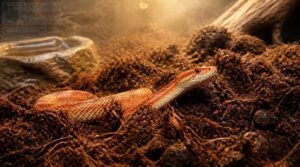
Ready to let your snake dig, burrow, and act like a snake? Loose substrate brings its own set of trade-offs, from moisture perks to dust concerns. Here’s what you need to know before choosing.
Natural Digging Behavior
Ever watch a corn snake vanish into aspen like it’s slipping under a blanket? That’s natural digging at work, driven by thermoregulation and predator avoidance. Burrowing species prefer medium-textured substrate for easy tunneling.
A corn snake vanishing into aspen isn’t play, it’s instinct driven by thermoregulation and predator avoidance
A loose substrate lets them push material, build side chambers, and mimic natural habitat far better than any substrate liner ever could.
Improved Humidity Retention
Digging into loose material does more than satisfy instinct. Coconut fiber and cypress mulch hold water like a sponge, keeping ambient humidity around 70-95% for tropical species.
- Moisture trapping happens naturally between particles
- Retains humidity better than any sealed surface
- Is great for boas and ball pythons needing high moisture
- Reduces reliance on constant misting
- Stabilizes humidity swings day to day
Thermal Insulation
Moisture isn’t the only thing loose substrate holds onto. It also traps air between particles, working like natural thermal insulation. Aspen and coconut fiber create tiny air gaps that slow heat loss, helping heat mats maintain steady temperature control.
Bare liners can’t do that. They conduct heat fast, with nowhere for warmth to hide.
Contamination and Dust Risks
That insulation comes at a cost. Dusty substrate kicks up fine particles during digging, raising dust inhalation hazards for you and your snake.
Airborne contaminant spread happens fast in enclosed tanks. Mold spores and decaying matter fuel respiratory irritation, while surface dust fallout settles on hides and bowls, creating contaminant transfer risks every time you clean.
Popular Loose Substrates
Not all loose substrates work the same way, so pick with purpose.
- Aspen shavings: burrowing support, 30-70% humidity
- Coconut husk: moisture retention, odor resistant
- Cypress mulch: soft footing, low dust
- Pine bark: lightweight, drains well for drier setups
Sand mixes drain fast for diggers. Reptile soil blends buffer temperature and support shedding. Paper towels stay the budget-friendly fallback.
Match Substrate to Snake Behavior
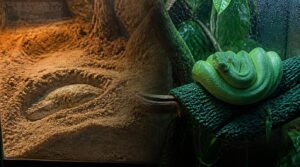
Not every snake acts the same way. Your substrate choice should match its natural behavior, not just your cleaning preferences. Here’s what different species actually need.
Burrowing Snake Needs
Ever watch a sand boa vanish into substrate in seconds? That’s natural burrowing instincts at work. Wedge-shaped heads and reinforced rostral scales protect their snout during tunnel navigation.
| Snake Type | Substrate Need |
|---|---|
| Sand boa | Deep loose substrate |
| Kingsnake | Moderate depth |
| Corn snake | Light burrowing layer |
| Rosy boa | Fine, loose particles |
A substrate liner can’t replicate that soil displacement or their natural habitat.
Surface-Dwelling Snake Needs
Ball pythons and corn snakes don’t dig, they glide. Surface traction matters more than depth here. A nonslip, washable liner gives them grip without loose particles underfoot.
Humidity stability still counts. Pair a semi-solid liner with a humidity box for moisture wicking. Waste management stays simple too, spot-clean and wipe down, keeping feeding safety and enclosure maintenance quick and low-mess.
Hiding and Refuge Support
A stressed snake won’t thrive, no matter what’s under it. That’s why a dual refuge system matters: one hide box, one cooler retreat.
- Openings 2.5x snake girth
- Dark, secure walls
- Cool microclimate access
- Weekly refuge cleaning
- Replace if chewed
Substrate choice affects hide stability. Loose material lets you bury a hide’s edges; liners need weighted, secured boxes instead.
Movement and Traction
Watch a snake glide, and you’re seeing friction physics in action. Rougher surfaces grip ventral scales; slick liners cause slipping, cutting propulsion.
| Surface | Traction | Best For |
|---|---|---|
| Loose substrate | High | Burrowing species |
| Textured liner | Moderate | Surface dwellers |
| Smooth vinyl | Low | Easy cleanup only |
Small irregularities matter most. Aspen shavings beat flat vinyl every time your snake needs real footing.
Enrichment Opportunities
A bored snake is a stressed snake, and substrate drives half the fun. Loose material lets you bury puzzle feeders, drag scent trails, and rotate textures monthly. Liners can’t hide anything.
Add vertical hides and foraging puzzles for bioactive, planted enclosures mimicking natural habitat. Burrowing species especially need that depth. Liners offer traction, sure, but zero mental stimulation.
Compare Humidity, Health, and Feeding Safety
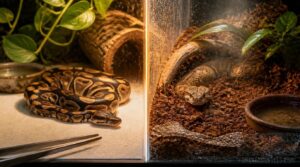
Safety isn’t just about wiping down a surface. It’s about what your snake breathes, sheds, and swallows every day. Let’s break down the five factors that actually matter.
Species Humidity Requirements
Not all snakes want the same air. Tropical species like ball pythons need 60-80% humidity. Arid species thrive at 40-60%.
Your setup should build a humidity gradient across the tank:
- Damp hide corner
- Drier basking side
- Cool retreat zone
- Slightly moist substrate patch
- Open, dry floor space
A calibrated hygrometer keeps this honest.
Shedding and Skin Health
Getting humidity right doesn’t just prevent shedding problems, it fuels skin renewal. Juveniles shed every 4-6 weeks; adults every 2-4 months.
| Substrate | Shed Quality | Humidity Support |
|---|---|---|
| Reptile carpet | Fair | Low |
| Aspen | Good | Moderate |
| Coconut husk | Excellent | High |
Nontoxic materials matter too. Proper moisture means single-piece sheds, restored color, and fewer parasites clinging to old skin.
Respiratory Irritation Risks
Skin health isn’t the only thing dust ruins. Your snake’s lungs pay a price too.
Airborne particles under 50 microns lodge in nasal passages. Silica sand’s worse, linked to irritation in 85% of cases within six months.
- Fine dust clouds during cleaning
- Cedar and pine phenol fumes
- Mold spores from damp substrate
- Poor ventilation trapping particulates
Keep humidity near 45-55%, monitor air quality, choose nontoxic materials.
Impaction Prevention
Dust in the lungs is bad. A blocked gut is worse.
Impaction happens when particles under 2-3 mm get swallowed during feeding. Keep meals off loose substrate, use a dish, and hydrate snakes well, since dehydration slows motility.
| Substrate | Impaction Risk | Fix |
|---|---|---|
| Loose | High | Feeding dish |
| Liner | Low | None needed |
| Calcium sand | High | Avoid entirely |
Toxic Materials to Avoid
Ever sniffed a tank and winced? That’s chemical exposure talking. Skip pine and cedar, they release aromatic oils that irritate lungs.
Safer bedding like aspen, coconut fiber, or paper keeps the air clean, and this guide to choosing the right snake substrate compares options by humidity needs and species.
Watch for heavy metal toxins in dyed liners and plasticizer dangers in cheap vinyl. Fragrance-added products carry preservative hazards too.
Run material safety checks before buying. Clean with diluted bleach or a reptile-safe disinfectant, always rinsed well for true reptile safety.
Best Substrate Choices by Snake Species
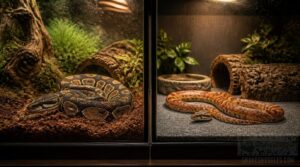
Every species has its own rulebook. What works for a ball python can spell trouble for a corn snake. Here’s how to match substrate to species, one enclosure at a time.
Ball Python Substrates
Ball pythons are homebodies, not diggers. That’s why substrate liners work well for calm adults, giving easy cleanup and steady humidity control near 55-65%.
Active or younger snakes often shed better with light coco fiber layers boosting moisture. Try Zoo Med Eco Carpet for feeding safety and cost efficiency, then add texture for enrichment depth.
Boa Constrictor Substrates
Boas love a little burrow, so a hybrid setup wins here. Pair a vinyl liner with a coco fiber top layer for humidity control near 60-70%.
This combo helps with shedding, feeding surface safety, and easy spot cleaning. Cost stays reasonable too, roughly $20-$40 monthly for materials.
Corn Snake Substrates
Corn snakes are drier-climate diggers, so aspen shavings fit them well at 30-70% humidity.
Coconut fiber works too, adding moisture retention without staying soggy. Keep substrate depth around 2 inches for burrowing.
Budget liner option? Paper towels run $5-$20 monthly. Whatever you choose, keep it nontoxic and wipe with reptile-safe cleaner weekly.
Tropical Snake Substrates
Think rainforest floor, not desert sand. Tropical species need 60-80% humidity, so reach for coconut fiber and orchid bark blends.
This combo holds moisture without turning swampy, and it allows shallow burrows too. Great for bioactive terrariums.
Daily misting stays manageable since the substrate itself buffers moisture swings, keeping shed quality high and skin healthy between soakings.
Arid Species Substrates
Desert dwellers like sand boas need a different game plan entirely. A substrate liner shines here, keeping humidity low and predictable for dry zone maintenance.
Loose substrate risks moisture pockets that spike humidity control problems. Liners give you surface traction, easy waste containment, and simpler shedding process management, no soggy corners to worry about.
Choose Based on Cost and Maintenance
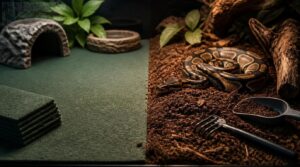
Budget matters too. Some setups cost more upfront but save you time later, and others flip that script entirely. Here’s how the numbers and the workload actually stack up.
Liner Purchase Costs
A basic vinyl or silicone liner kit runs $15 to $45, and yearly turnaround adds $8 to $20 per replacement.
- Bulk packs save 10-25%
- Shipping tacks on $5-$40
- Zoo Med Eco Carpet is machine washable
Want cheaper? Try a DIY substrate liner and reptile cleaning products instead of constant substrate replacement.
Loose Substrate Costs
Loose substrate flips substrate flips the cost math. Bag prices run $5 to $15, but a medium enclosure burns through 2 to 6 bags yearly. Buying in bulk saves 10-25%, though shipping adds $8 to $15 per order. Disposal stays cheap unless your town charges weekly waste fees. Add it up, and loose substrate can rival liner costs.
Spot-Cleaning Requirements
Money’s only half the equation. Spot-cleaning frequency is where liners and loose substrate really diverge.
High-traffic enclosures need daily attention either way. But liners take a wipe-down; loose substrate means scooping soiled patches by hand.
Cleaner selection matters too. Use reptile-safe, non-toxic solutions, and keep separate tools for waste disposal to avoid cross-contamination.
Quick inspections confirm your tank stays odor-free.
Replacement Schedules
Wiping daily only gets you so far. Full replacement schedules matter just as much for humidity impact and health monitoring.
Liners usually last 6-12 months. Loose substrate needs full turnover every 6-12 months too, sooner in high-waste tanks.
Sticking to a routine cuts enclosure stress, reduces waste, and keeps your reptile habitat genuinely healthy.
Final Selection Checklist
Down to the wire on a decision? Run through five checks.
Match species suitability first, humidity and behavior lead everything.
Weigh cleaning efficiency against enrichment value.
Check your enclosure design fits the substrate.
Confirm humidity stability for shed quality.
Then commit, monitor weekly, and adjust.
That’s real reptile husbandry in action.
Frequently Asked Questions (FAQs)
What is the best substrate to use for snakes?
There’s no single answer. Species preference drives it: liners suit easy cleaning and humidity control, while loose substrate fits burrowers. Match substrate safety needs to your snake’s natural behavior, not personal convenience.
What not to use for snake bedding?
Skip cedar, skip pine, skip sand. Pine and cedar release oils that irritate airways. Walnut shells and sand risk intestinal obstruction. Choose fragrance-free, nontoxic bedding instead, your snake’s lungs and gut will thank you.
How often should you replace your snakes substrate?
Loose substrate needs swapping every 1 to 3 months. Liners stretch to 6 to 12 months with weekly cleaning. Humid setups and shedding cycles shorten that window, so watch for odor, staining, or mold.
What to put in the bottom of a snake enclosure?
You don’t build a house on sand, and you shouldn’t build an enclosure without a solid foundation. Choose a washable substrate liner or reptile flooring for waste containment and moisture barrier placement, preventing prey ingestion while adding enclosure bottom insulation.
How often should snake substrate be fully replaced?
Plan a full change every 1 to 3 months. Watch for odor, waste buildup, or humidity spikes, those are your cues. Tropical setups need swaps every 4 to 8 weeks; arid tanks can stretch to 3 months.
Can liners and loose substrate be combined together?
Yes, a dual layer setup works. The liner sits on top, acting as a substrate barrier for easier waste separation. Just seal edges tightly and prioritize interface cleaning during your regular cleaning routine to prevent gaps.
Does substrate choice affect a snakes temperature regulation?
Substrate is your snake’s thermostat. Thermal inertia impact and heat gradient variation shape basking zone formation.
Loose material creates vertical insulation for steady warmth, while a substrate liner heats fast but fades quicker, affecting temperature regulation and humidity control in your reptile enclosure.
What tools help transition a snake to new substrate?
Five tools make the switch smoother: scented familiar bedding, gradual introduction techniques, digging boxes for enrichment, soft brushes for hygiene, and a digital hygrometer. Together they support tank maintenance while easing stress during substrate replacement.
Are scented or dyed substrates safe for snakes?
Pretty-but-risky is the honest answer here. Dyed chemical hazards and fragrance additives irritate lungs and skin. Stick with nontoxic, fragrance-free options like coconut fiber or aspen for real reptile health and lasting substrate safety.
Conclusion
A thousand loose pellets can hide in one bite of prey, and that’s all it takes to land your snake on my surgery table.
The substrate liner vs loose substrate for snakes debate isn’t about looks. It’s about risk versus enrichment. Liners win on safety. Loose substrate wins on natural behavior. Match the choice to your species, not your Pinterest board, and you’ll dodge impaction, stress, and a very expensive vet visit.