This site is supported by our readers. We may earn a commission, at no cost to you, if you purchase through links.
A snake’s body doesn’t lie, but it doesn’t shout either. Trouble builds quietly, a few extra tongue flicks here, a slightly duller shed there, until weeks pass and something real takes hold. By the time a snake stops eating or struggles to breathe, you’re often looking at a problem that started long before you noticed.
That’s why snake overall health checks need to become routine, not reactive. Your snake can’t tell you when something feels off, but its posture, breathing, and behavior will, if you know what to watch for.
This guide walks you through exactly what healthy looks like, day by day, so you catch trouble while it’s still small.
Table Of Contents
- Key Takeaways
- Begin With a Daily Behavior Check
- Perform a Head-to-Tail Physical Exam
- Track Feeding, Weight, and Shedding Trends
- Check Enclosure Conditions for Health Risks
- When to Seek Reptile Veterinary Care
- Frequently Asked Questions (FAQs)
- How to check if a snake is healthy?
- Can humans get diseases from snakes?
- What snake is worth $100,000?
- Do snakes have health problems?
- Do snakes need regular veterinary check-ups?
- Why do snakes need regular health checks?
- How do you know if a snake is healthy?
- Why is monitoring the health of a pet snake important?
- How often do snakes need a health check?
- How does a vet check a snake?
- Conclusion
Key Takeaways
- Watch your snake’s daily behavior, breathing, and posture closely, since illness usually builds quietly for weeks before obvious symptoms like loss of appetite or labored breathing show up.
- Run a head-to-tail physical exam regularly, checking eyes, mouth, skin, body condition, and vent, since these areas often reveal early signs of infection, dehydration, or poor shedding.
- Track weight, feeding, and shed cycles over time, since patterns spotted through biweekly weigh-ins and monthly reviews catch problems that a single check would miss.
- Keep enclosure temperature, humidity, and cleanliness dialed in, and call a vet right away for warning signs like open-mouth breathing, rapid weight loss, or lasting appetite refusal.
Begin With a Daily Behavior Check

Your snake can’t tell you when something’s wrong, but its daily behavior will, if you know what to watch for. Before you touch a scale or check its mouth, you need a baseline of what "normal" looks like for your snake. Here’s what you should be paying attention to every time you approach the enclosure.
Once you know that baseline, it’s much easier to spot the subtle red flags covered in this guide on how to tell if your ball python is sick.
Your snake can’t speak, but its daily behavior will tell you when something’s wrong, if you know what to watch for
Normal Activity and Responsiveness
Before touching your snake, watch it. Alert behavior shows steady tongue flicking, six to seven flicks per third-second, and smooth, deliberate movement toward stimuli.
Handling response matters too. A calm snake breathes steadily and relaxes into your grip. Rapid flicking or retreating signals stress.
Track responsiveness daily. Consistent activity levels and normal resting behavior are your baseline for spotting trouble early. It’s worth noting that research into snake stress indicators found that increased activity isn’t always a good sign, as heightened movement can actually reflect agitation rather than positive engagement.
Posture, Movement, and Muscle Control
Watch how your snake moves, not just whether it moves. Healthy spinal flexibility produces smooth, S-shaped curves, not stiff or lopsided bends.
If you notice asymmetrical or jerky movement, it may signal neurological issues more common in certain morphs — spider ball python care and genetics can help you understand what’s normal versus a red flag.
Weak muscle control looks like dragging, uneven weight distribution, or a head that lists to one side. That’s your cue to check for injury or neurological trouble, especially if normal locomotion patterns suddenly change.
Breathing Rhythm and Effort
Good muscle control means nothing if your snake can’t breathe properly. Respiratory rate monitoring should show 2-4 breaths per minute at rest.
Watch for:
- Rapid or open-mouth breathing
- Wheezing sounds or clicking noises
- Nasal discharge or gaping
- Rigid body movement per breath
Environmental factors matter too. Any respiratory symptoms warrant immediate attention, not a wait-and-see approach.
Handling Tolerance and Temperament Changes
Breathing tells you what’s happening inside. Temperament tells you what’s happening emotionally, and both matter.
Rapid tongue flicking, coiling, or striking during handling means stop now, that’s excessive stress, not bad manners. New snakes need 7-14 days acclimation first. Rescue snakes often tolerate less. As snakes age past 1-2 years, temperament usually stabilizes. Adjust frequency to what your snake accepts.
Resting Patterns and Lethargy
Since sleep varies by species, know your snake’s baseline. Ball pythons rest 20-23 hours daily, corn snakes 14-16.
Pathological lethargy means over 48 hours inactive without eating or shedding, dragging its belly, or tongue flicking under 5 times per minute. Pre-shed rest increases 2-4 hours, that’s normal. True lethargy isn’t.
Perform a Head-to-Tail Physical Exam
Once you’ve watched your snake move and act, it’s time to get hands-on. A proper physical exam means checking every section of your snake’s body, one area at a time. Here’s what you’ll want to look at, starting from the head and working your way back.
While you’re at it, keep a log of shed dates alongside notes from a reliable humidity gauge for snakes, since poor humidity often explains irregular sheds.
Eyes, Nostrils, and Facial Discharge
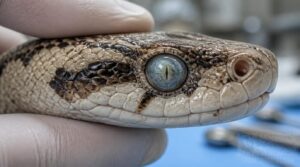
Clear eyes and open nostrils tell you a lot about internal health. Cloudiness lasting over 2 days post-shed suggests retained eye caps, needing vet removal. A brief blue haze during shedding is normal.
Watch nasal discharge color: clear is fine, yellow-green signals infection. Swollen eye caps without shedding may mean nasolacrimal blockage. Bubbly facial mucus indicates respiratory trouble, requiring prompt care.
Mouth, Gums, and Oral Swelling
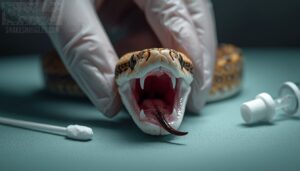
Open your snake’s mouth gently and check gum tissue for redness, puffiness, or bleeding, all signs of infection. Look for lesions or lumps, cheesy discharge, or sores signaling mouth rot. Swelling near one tooth suggests abscess. Rinse minor irritation with saline, but persistent swelling past two weeks needs veterinary referral. A healthy mouth aids quiet, easy breathing.
Skin, Scales, and Shed Quality
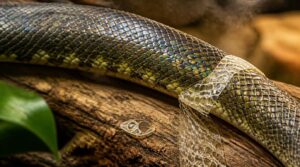
Your snake’s scales tell a story, made of keratin like your own fingernails, tough yet flexible. Run your hands down the body, checking:
- Smooth or keeled texture matching species norms
- Dorsal rows for damage or discoloration
- Ventral scales for wear
- Retained shed patches
- Shed timing, roughly every 9-14 days
Healthy shed peels in one piece, eye caps included.
Body Condition and Hydration
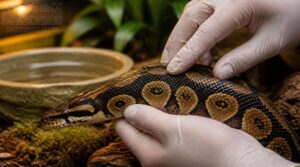
Run your fingers along the spine. You should feel muscle, not sharp bone or thick fat rolls, a sign of good body tone.
Pinch a bit of skin, it should snap back fast. Slow return signals dehydration. Check water intake, a full bowl untouched for days matters.
Poor hydration also disrupts shedding quality.
Vent Cleanliness and Waste Changes
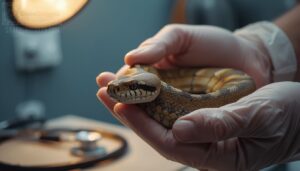
Your snake’s vent tells a health story most owners skip. Check it during handling: clean vent and normal waste means firm, brown-to-green feces with white urates, no smell.
Watch for stringy discharge, greenish tint, or watery stool lasting a day. That’s your cue for a vet visit, not a wait-and-see approach.
Track Feeding, Weight, and Shedding Trends

A single check tells you how your snake looks today. Patterns tell you how your snake is doing over time, and that’s where real health tracking happens. Here’s what to watch and log week after week.
Weigh Every Two Weeks
Every two weeks, put your snake on a digital scale accurate to 1 gram, before feeding, same morning routine each time. Bi-weekly weight tracking reveals trends single readings miss.
- Use a stable, flat surface
- Weigh on an empty stomach
- Record the exact gram count
Weight trend analysis paired with body condition scoring tells you far more than the number alone.
Record Appetite and Feeding Responses
Feeding logs matter as much as your scale. Note prey type, size, temperature, and acceptance time at each meal.
Watch for hunger behavioral cues like increased tongue flicking or perimeter prowling before offering food. Refusal to eat beyond 30 days needs veterinary attention. Weekly logs often reveal a link between temperature drops and appetite changes.
Monitor Regurgitation and Digestion
That log also helps you catch regurgitation early. It can happen seconds to hours after a meal, and undigested food often keeps a tubular shape.
Check whether it’s true vomiting (strong contractions) or gagging (mild). Note prey size, timing, and enclosure temps to analyze causes, weight trends, and body condition together.
Log Shed Cycles and Problems
Shedding tells you a lot, so track each cycle in your log. Note the start date, shed duration (5-7 days is normal), and humidity levels at the time.
Check for retained skin around the head or tail tip, that’s your incomplete shed pattern. Do an eye cap retention check too, since stuck caps need veterinary attention.
Review Changes Over Time
A single log entry means little. Thirty days of them tell a real story.
Sit down monthly and compare weight, appetite, and shed records side by side. Weight fluctuation tracking paired with feeding response history often reveals problems before symptoms show.
Ask yourself:
- Is body condition scoring trending down?
- Are shed cycles stretching longer, hinting at humidity issues?
- Has activity dropped off?
Patterns beat single snapshots every time.
Check Enclosure Conditions for Health Risks
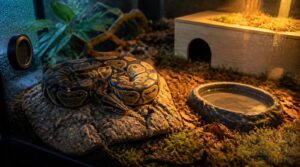
Your snake’s body tells you a lot, but its enclosure tells you the rest. Health problems often start with an environment that’s slightly off, long before you spot symptoms on the snake itself. Here’s what you need to check to keep that habitat working in your favor.
Species-Specific Temperature Gradient
Think of your enclosure as three thermal rooms, not one. Species range matching starts here: desert species need 65-85°F ambient with 90-110°F basking, tropical species run cooler.
| Zone | Temperature | Purpose |
|---|---|---|
| Basking | 88-92°F | Digestion |
| Cool | 76-80°F | Recovery |
| Middle | 80-86°F | Movement |
Check both ends daily. Sudden 5°C drops stress snakes badly.
Correct Humidity and Hydration
Your hygrometer needs calibration before you trust it. Use the salt-test method: sealed bag, salt, water cup, 12 hours, expect 75%.
Keep species-appropriate humidity levels near 50-60% RH normally. Bump humidity to 70-80% during your snake’s 5-7 day shed cycle. Avoid standing water that won’t evaporate, that’s poor hydration support. Watch for condensation, it signals excess moisture and fungal risk above 60% RH.
Clean Substrate and Fresh Water
Dirty substrate breeds bacteria fast, and a soiled water bowl is worse.
- Spot-clean waste daily
- Deep clean substrate every 1-3 months
- Scrub water bowls weekly with reptile-safe disinfectant
Use coconut coir or paper towels, never cedar. Choose bowl size by body length. Place bowls on the cool side, away from misting nozzles. Refresh water twice weekly using filtered water, never tap.
Ventilation and Odor Control
Stale air breeds bacteria as fast as dirty water. Your enclosure setup needs cross-ventilation, pulling fresh air in while pushing odors out, not trapping humidity levels against warm scales.
| Component | Function | Check Frequency |
|---|---|---|
| Vents | Airflow direction | Weekly |
| Screen top | Dilution effectiveness | Weekly |
| Filter media | Odor extraction | Monthly |
Good airflow helps your temperature gradient too, so check vents aren’t blocked.
Safe Enrichment and Hiding Spaces
A stressed snake hides poorly, so give yours options. You’ll want at least two hides, one per temperature zone, with visual barriers between them for security.
Check entrances are snake-width appropriate, and inspect climbing branches monthly for secure anchoring. Loose enrichment causes injuries. Verify humidity hides stay moist and mold-free during your weekly enrichment safety check.
When to Seek Reptile Veterinary Care
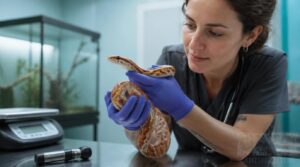
Even the best home care has its limits, and knowing when to call in a professional can save your snake’s life. Some symptoms need a quick check-in, while others mean you should get to a vet fast, no waiting around. Here’s how to tell the difference and what to expect once you’re in the exam room.
Emergency Breathing and Neurological Signs
Some signs can’t wait until morning. Open-mouth breathing, wheezing, or drooping eyelids (ptosis) signal true emergencies.
Watch for these five:
- Persistent gaping at rest
- Audible clicking or wheezing
- Muscle twitching near a bite site
- Limited eye movement or ocular paralysis
- Prolapse or sudden neurological changes
Any of these means an immediate vet call, not a wait-and-see approach.
Urgent Appetite and Weight Changes
Not every appetite change means an emergency, but some do. Sudden feeding refusal paired with vomiting, or rapid weight decline past 10% body weight, needs same-day care.
Juveniles skipping meals for 1-2 weeks, or adults past 2-3 months, qualify too. Track feeding habits and weight fluctuation closely.
When body condition slips fast, don’t wait it out.
Skin, Mouth, and Parasite Concerns
Weight isn’t the only body signal worth trusting. Crusty, thickened lesions point to fungal infection, while dark specks near the vent signal mites. Check the mouth for white plaques or ulcers, common with oral candidiasis or bacterial stomatitis.
Reddened, swollen skin needs culture-guided antibiotics fast. Catching these early keeps small problems from becoming enclosure-wide outbreaks.
Annual Wellness and Screening Exams
A healthy snake still needs yearly eyes on it. Schedule a wellness exam even without symptoms, including CBC and chemistry panel bloodwork, fecal parasite screening, and weight tracking against baseline metrics.
High-risk species like ball pythons benefit from biannual bloodwork. Snakes prepping for brumation need extra screening too. Regular preventive care catches problems your at-home checks simply can’t.
Preparing for a Reptile Vet
Before that appointment, call ahead to confirm the vet treats snakes, since not every clinic does.
Pack a secure travel container with familiar bedding, stable temps, and health records. Bring these:
- Symptom timeline notes
- Current food and meds
- Recent weight logs
- A fresh stool sample
Follow fasting instructions if given. Good prep means faster answers.
Frequently Asked Questions (FAQs)
How to check if a snake is healthy?
Like a mechanic listening for engine trouble, you’ll want to catch small changes early.
Watch daily observation habits: tongue flicking frequency, scale texture, feeding habits, respiratory symptoms, jaw alignment, fecal consistency, and hydration skin pinch tests within proper temperature gradient enclosure conditions.
Can humans get diseases from snakes?
Yes. Salmonella is the top risk, spread through hand-to-mouth contact after handling your snake or its enclosure. Fungal infections and parasites can pass along too. Wash hands with soap every time to prevent illness.
What snake is worth $100,000?
Ever wonder what makes a snake worth six figures? A pregnant boa’s rare morph genetics and breeding potential can hit $100,000, driven by market scarcity, legal import restrictions, and documented lineage collectors trust.
Do snakes have health problems?
Absolutely, snakes face real health risks. Respiratory infections, stomatitis, parasites, and shedding problems are common.
Behavioral changes, poor feeding habits, and weight loss often signal trouble early, so staying alert to environmental factors and physical symptoms protects your snake’s long-term wellness.
Do snakes need regular veterinary check-ups?
My snake looks fine, skip the vet" said no wise keeper ever. Annual wellness exams with a reptile veterinarian catch hidden problems early, and keeping health records helps you spot trends before appetite or weight changes turn serious.
Why do snakes need regular health checks?
Your reptile is a master of disguise. Illness hides beneath calm behavior until it’s serious, which is why early detection through regular checks matters so much. Annual exams and consistent wellness assessment catch problems while they’re still manageable.
How do you know if a snake is healthy?
Think of your snake as a mirror: clear eyes, steady breathing, and smooth scales reflect what’s happening inside. Consistent appetite, stable weight, complete sheds, and alert activity patterns all signal a body running the way it should.
Why is monitoring the health of a pet snake important?
You’ll catch problems while they’re still fixable. Daily observation of feeding habits, weight, and behavioral changes builds wellness tracking and health trends, giving you vet readiness before small issues turn into emergencies.
How often do snakes need a health check?
He looks fine, why bother?" That’s the trap. Healthy-looking snakes hide problems well. Pair daily observation with biweekly weigh-ins, quarterly trend reviews, and one annual wellness exam to catch issues before they become emergencies.
How does a vet check a snake?
Your vet works head to tail: tongue flick assessment, nostril and oral checks for discharge or ulcers, scale texture evaluation, and vent inspection. About 80% of visits include fecal exams, plus bloodwork or X-rays when something needs a closer look.
Conclusion
A snake’s coil hides its story, tight when trouble brews, loose when life feels safe. Reading that coil is the heart of snake overall health checks. You don’t need fancy equipment, just steady eyes and consistent habits.
Check daily, weigh biweekly, and treat the enclosure like an extension of your snake’s body. Small signs caught early save lives.
Trust your observations. Your snake depends on you to notice what it can’t say, and that quiet attention is the truest form of care.