This site is supported by our readers. We may earn a commission, at no cost to you, if you purchase through links.
Your snake turns its nose up at dinner, and your first instinct is to worry—but drop the enclosure temperature a few degrees and suddenly that refusal makes perfect biological sense. Snakes are ectotherms, meaning their body temperature tracks the environment around them, and when that environment cools, their metabolism slows in lockstep. A 10°C drop can cut metabolic rate roughly in half.
Cold weather snake feeding isn’t complicated once you understand what’s happening inside your snake’s body. Get the temperatures right, adjust your schedule, and feeding through winter becomes straightforward.
Table Of Contents
- Key Takeaways
- Why Cold Weather Reduces Feeding
- Brumation or Normal Appetite?
- Prepare The Enclosure for Winter
- Adjust Feeding Schedules Safely
- Offer Prey The Right Way
- Watch for Cold-Stress Warning Signs
- When to Pause Feeding or Call Vet
- Frequently Asked Questions (FAQs)
- Should I feed my snake in the winter?
- Will a snake eat if it’s too cold?
- How long can snakes go without eating in the winter?
- Can snakes eat live prey in winter?
- How do wild snakes find food in cold?
- Should water temperature be adjusted for winter?
- Do different snake species brumate at different temperatures?
- What substrates work best for winter enclosures?
- Can wild snakes find food during winter months?
- How does winter affect a snakes water intake?
- Conclusion
Key Takeaways
- When your snake’s environment cools, its metabolism halves for every 10°C drop, so a feeding refusal in winter is almost always biology talking—not stubbornness.
- Keeping a proper temperature gradient (warm side 88–96°F, cool side 75–80°F) and using a thermostat aren’t optional upgrades—they’re what keep your snake willing and able to eat through the cold months.
- Shift to smaller, less frequent meals in winter, and always warm frozen prey to 100–105°F before offering, since a cold or oversized meal risks regurgitation and real digestive harm.
- If your snake skips meals for more than 6–8 weeks, shows visible weight loss, wheezes, or has trouble shedding, stop waiting it out and call your vet.
Why Cold Weather Reduces Feeding
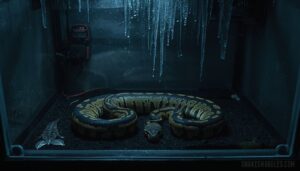
Your snake isn’t being picky — cold air is actually working against its body. Snakes are ectothermic, meaning internal temperature follows the room, and when that drops, so does everything else: metabolism, digestion, and hunger.
Getting the enclosure right makes a real difference — replicating your snake’s natural habitat temperature range is one of the most effective ways to keep its metabolism humming and appetite steady.
Here’s what’s really happening inside your snake when the temperature falls.
How Lower Temperatures Slow Snake Metabolism
When the temperature in your snake’s enclosure drops, its entire body slows down — and that’s not an accident. Snakes rely on external heat to drive metabolism, a process scientists describe through the Q10 effect: for every 10°C drop, metabolic rate roughly halves.
Every 10°C drop in temperature halves a snake’s metabolic rate, turning cold air into a biological off switch
Blood flow reduction limits oxygen delivery, hormonal regulation shifts, and your snake’s body quietly pivots to energy reserve utilization instead of active living.
Basking on sun‑exposed surfaces helps snakes raise body temperature before feeding.
Why Digestion Becomes Harder in Winter
Once metabolism slows, digestion follows. Blood flow constriction reduces oxygen reaching the gut, triggering a gut motility slowdown that leaves meals sitting longer than normal.
Enzyme activity decline means food breaks down less efficiently — think of it as your snake’s digestive system running on reduced power. This digestive transit delay turns feeding considerations during cold months into a real balancing act.
Appetite Changes in Ectothermic Snakes
As digestion slows, so does the hunger drive itself.
Ectothermic snakes experience a seasonal metabolic shift that reshapes their behavioral feeding cues entirely.
Hormonal influences — tied directly to thermal preference — signal the body to begin energy reserve utilization instead of seeking food.
Here’s what appetite changes generally look like:
- Hunger cues become less frequent
- Interest in prey drops noticeably
- Metabolic slowdown reduces overall energy demand
- Brumation can pause feeding for weeks
Risks of Feeding Too Soon After Cooling
Feeding a cold snake isn’t just ineffective — it’s risky. When your snake hasn’t fully warmed up, enzyme activity decline slows digestion to a crawl, raising regurgitation risk and gut flora imbalance.
Cold stress can even trigger aspiration hazard if swallowing coordination falters.
Stress-induced refusal often follows, disrupting feeding for weeks.
Always prioritize prey warming before offering any meal during cold months.
Brumation or Normal Appetite?
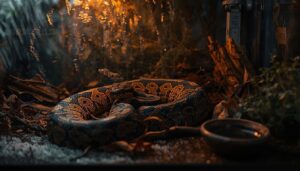
If your snake has gone off food this winter, don’t panic just yet — it might be completely natural. Brumation, the reptile equivalent of hibernation, can trigger a weeks-long fast that has nothing to do with illness.
Here’s how to tell what’s really going on with your snake.
Signs Your Snake May Be Entering Brumation
Your snake doesn’t flip a switch — brumation sneaks up gradually. Watch for increased hiding, extended rest periods, and a cool spot preference over the basking area.
You’ll also notice diminished prey response and general lethargy. A slower heartbeat and loss of appetite together signal a seasonal shift, not illness.
Identifying signs of cold stress in snakes early helps you respond confidently.
Brumation Vs. Hibernation Explained Simply
Both terms get mixed up constantly, but they’re not the same thing. Hibernation is a mammal strategy — think deep sleep with a dramatically reduced metabolic rate and almost no arousal patterns.
Brumation works differently. Hormonal triggers and shorter daylight cues signal your snake to slow down, conserving energy while still waking occasionally to drink. Duration variability is real — some snakes brumate briefly, others for months.
Species That Commonly Stop Eating in Winter
Not every snake follows the same winter playbook. Garter Snakes, Southern Corn Snakes, and Timber Rattlesnakes naturally enter brumation and stop eating for weeks or months.
Meanwhile, Tropical Boas and Sea Snakes stay active year-round. Knowing your species changes everything about winter feeding strategies for pet snakes:
- Garter Snakes — full seasonal fast
- Southern Corn Snakes — cool-season appetite drop
- Timber Rattlesnakes — deep brumation, no feeding
- Tropical Boas — metabolic slowdown minimal, feeding continues
When a Seasonal Fast is Normal
seasonal fast isn’t a red flag — it’s often your snake following its instincts perfectly. When metabolic slowdown in cold temperatures aligns with reduced activity and consistent hide use, skipping meals for weeks is within normal range.
| Indicator | Normal Fast | Concern |
|---|---|---|
| Body Condition Scoring | Stable weight | Noticeable mass loss |
| Activity Level Patterns | Calm, hide-resting | Lethargic, unresponsive |
| Seasonal Weight Monitoring | Gradual, minor dip | Rapid decline |
Trust environmental cue recognition alongside brumation management to guide your seasonal feeding adjustments confidently.
Prepare The Enclosure for Winter
Once temperatures drop, your enclosure becomes your snake’s first line of defense. Getting the setup right means your snake stays warm, comfortable, and willing to eat throughout winter.
Here’s what to focus on inside the tank.
Maintain Proper Warm-side and Cool-side Temperatures

Your enclosure’s temperature gradient is the backbone of healthy thermal regulation.
Position heat sources — undertank heaters or ceramic heat emitters — on one side only, creating a warm zone of 88–96 °F and a cool side around 75–80 °F.
Use proper insulation materials to prevent heat bleed, and always prioritize smart thermometer placement and regular gradient stability checks to make sure the zone separation design actually holds through winter.
Use Thermostats for Safe Heat Control

A thermostat isn’t optional — it’s your first line of defense against runaway heat. Match your heater load carefully so the unit isn’t overpowered, and nail thermostat probe placement directly on the heating surface for accurate readings.
On/off control manages basic setups, but proportional modes reduce temperature cycling.
Always add a fail-safe backup system in case your primary unit fails.
Prevent Drafts and Heat Loss Around The Tank

Once your thermostat is dialed in, tank placement becomes your next move.
Keep the enclosure away from windows, exterior walls, and HVAC vents — environmental drafts are silent heat thieves. Seal gaps where cables enter with grommets or foam.
Wrap sides with reflective insulation for solid enclosure insulation. A rigid draft barrier behind the tank helps maintain a consistent heat gradient without much effort.
Keep Winter Humidity Within Species Needs
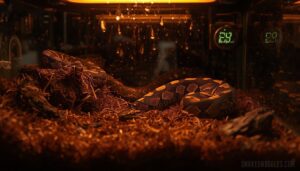
Temperature isn’t the only variable worth watching. Humidity matters just as much, and getting it wrong can lead to stuck sheds or respiratory trouble.
Most species do well between 40–60%, but ball pythons prefer closer to 50–60%.
Use a digital hygrometer — placement near the substrate gives the most accurate read. Moisture-retentive substrates like coconut fiber help stabilize levels naturally without constant misting.
Adjust Feeding Schedules Safely

Winter changes everything about how your snake eats — and your feeding schedule needs to keep up. A few smart adjustments can make the difference between a healthy fast and a real problem.
Here’s what to focus on during the colder months.
How Often to Feed During Cold Months
During cold months, feeding frequency should follow your snake’s metabolic rate — not the calendar. Most species shift from weekly to biweekly, and some temperate snakes may only need feeding once every four to eight weeks.
A month-by-month schedule tied to temperature-triggered feeding cues works best. Track behavior closely, because metabolic slowdown in cold temperatures tells you more than any fixed timetable ever will.
Why Smaller Meals May Work Better
When your snake’s metabolism slows in winter, smaller meals genuinely make a difference. Think of it this way — a smaller load means easier thermal digestion and improved metabolic matching to your snake’s reduced capacity.
- Reduced stomach distension lowers physical stress during slow digestion
- Lower regurgitation risk when enclosure temperatures fluctuate overnight
- Minimized overfeeding keeps digestive timing predictable
- Easier thermal digestion as your snake warms up post-feeding
- Feeding considerations during cold months become safer with portion control
Matching Prey Size to Body Condition
Body condition scoring is your best guide here. A snake carrying strong fat reserves can handle prey closer to its full gape measurement — roughly 1.5 times jaw width — while a thinner animal needs smaller portions to avoid digestive strain.
Practice flexible prey adjustment each feeding: if you notice weight loss or sluggish recovery, scale prey width ratio down until condition improves.
When to Skip a Feeding Attempt
Skip a feeding attempt when your snake shows clear signs it isn’t ready — staying coiled in its hide, ignoring prey entirely, or displaying cold stress signs like sluggish tongue flicks. Seasonal activity patterns shift during brumation, and metabolic slowdown in cold temperatures means forcing a meal risks regurgitation.
Run a quick hydration status check and review your weight monitoring frequency before trying again.
Offer Prey The Right Way
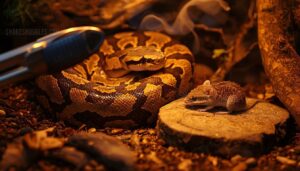
How you offer food matters just as much as what you offer.
A few small adjustments — like prey temperature and timing — can be the difference between a successful feeding and a flat-out refusal.
what to get right before that prey ever hits the enclosure.
Warming Frozen-thawed Prey to The Right Temperature
Temperature is everything here.
Seal frozen prey in a plastic bag and submerge it in 100–110°F water until fully thawed — about 15–30 minutes for mice. Then replace the water for a warm phase of 5–10 minutes, targeting a surface temperature of 100–105°F.
Do a quick infrared thermometer check before offering. This sealed bag method ensures even warming and solid hot spot prevention.
Best Time of Day to Offer Food
Timing your feeding around the morning heat peak or midday basking window gives your snake the best chance to respond. After a daylight activity surge, your snake’s metabolism is running warmer and its senses are sharper.
Evening temperature drop makes digestion harder, so avoid feeding then.
As part of your winter feeding strategies for pet snakes, consistency beats guesswork every time.
Using Tongs to Reduce Stress and Injury
A good pair of feeding tongs does more than keep your fingers safe. Tong Material Choice matters — rubber or silicone tips grip prey gently without scraping your snake’s jaws.
Locking Joint Stability keeps prey steady so that fewer attempts are needed.
An Ergonomic Grip reduces hand fatigue during Prey Temperature Control.
Follow basic Sanitation Protocols and wipe tongs clean after each use.
Avoiding Live Prey Unless Necessary
Live prey carries real Prey Injury Risk — a rodent that fights back can seriously wound your snake.
That’s why frozen-thawed prey is the smarter choice for Stress Reduction Strategies, especially during cold months.
Follow Prey Size Guidelines, stick to a Supervised Feeding Protocol, and only consider live prey as a last resort when all frozen-thawed options fail.
Watch for Cold-Stress Warning Signs

Even when your enclosure is set up right, cold stress can still sneak up on your snake.
Knowing what to look for early makes all the difference. Watch for these warning signs that something’s off.
Lethargy and Refusal to Leave The Hide
A snake that won’t leave its hide is often the first cold stress sign you’ll notice. Seasonal feeding adjustments matter here, because brumation-adjacent lethargy can look deceptively normal.
Watch for:
- Motionless for days despite correct temperatures
- Dull skin from hide moisture levels being off
- Stress hormone impact causing total disinterest in food
Poor ventilation draft effects and lighting cycle influence worsen this fast.
Frequent Seeking of The Heat Source
If lethargy is the first warning sign, frequent heat-seeking confirms something’s off. When your snake repeatedly returns to the basking spot or presses against the heat lamp, thermosensory cues indicate the enclosure isn’t retaining warmth. Warm zone contact should be occasional—not constant.
| Behavior | Likely Cause | Action |
|---|---|---|
| Repeated basking returns | Dropping ambient temps | Check heat gradient |
| Extended warm-side resting | Heat source inconsistency | Inspect thermostat |
| Repositioning frequency increases | Temperature stability lost | Add thermal insulation |
| Ignoring cool side completely | Enclosure-wide cold | Review temperature control for reptiles |
| Restless between zones | Failing heat lamp | Replace heating equipment |
Heat-seeking patterns that repeat throughout the day signal your setup needs attention, not your snake.
Incomplete Sheds and Slow Recovery
Cold stress shows up on your snake’s skin, too. Low humidity and sluggish metabolic processes slow the shed cycle, leaving dry, brittle patches behind.
Eye Cap Retention, Tight Skin Rings, and Skin Damage Risks aren’t rare—they’re predictable when humidity regulation in reptile enclosures slips.
Check shed completeness carefully, soak gently if needed, and keep Recovery Monitoring consistent through feeding considerations during cold months for snakes.
Wheezing, Mucus, or Open-mouth Breathing
Skin issues are one sign cold stress is taking hold — but the airway tells an even more urgent story.
Wheezing, mucus around the mouth, and open-mouth breathing are serious respiratory distress cues that demand prompt attention. These respiratory problems mean airways are narrowing or filling with mucus buildup effects.
Poor humidity regulation in reptile enclosures often triggers respiratory infections. Don’t wait — call your vet.
When to Pause Feeding or Call Vet

Sometimes a feeding refusal is just your snake being a snake — but other times, it’s a signal worth taking seriously. Knowing the difference can save you a lot of worry, and in some cases, it can save your snake.
Here’s what to watch for when it’s time to pause feeding or pick up the phone.
How Long Refusal Becomes a Concern
Most snakes can skip several weeks of meals without issue — that’s just winter slowing things down.
But extended refusal duration becomes a real concern when you start seeing body condition decline: visible spine ridges, sunken sides, or a noticeable weight loss indicator like dropping grams week over week.
If refusal stretches past 6–8 weeks with no improvement, that’s your veterinary consultation trigger.
Signs of Dehydration or Weight Loss
Weight loss monitoring tells you a lot — but dehydration sneaks up quietly. Watch for dry mouth, tacky mucus membranes, and skin turgor that doesn’t snap back when gently tented.
Dark urine or decreased output signals your snake is dehydrated. Reduced activity paired with visible weight loss means cold stress signs are stacking up.
These monitoring snake health signs in winter demand immediate hydration maintenance and veterinary attention.
When Digestive Issues Need Veterinary Care
Digestive issues don’t always resolve on their own. Persistent vomiting, signs of gastrointestinal bleeding like black or bloody stool, and obstruction signs such as repeated straining without passing waste all need veterinary guidance for winter snake care.
Respiratory distress — wheezing or mucus — alongside a weight loss alert means digestive health during winter has crossed into urgent territory.
Don’t wait on monitoring snake health signs in winter.
Feeding Problems That Need Urgent Help
Some feeding problems don’t just need patience — they need a vet.
- Regurgitation Risk: Repeated vomiting signals heat gradient failure or prey warming errors that your snake can’t recover from alone.
- Unusual Refusal Patterns: Weeks of stress-induced refusal despite correct winter temperature management for snakes warrant professional evaluation.
- Breathing symptoms: Wheezing alongside feeding considerations during cold months means illness, not season.
- Rapid weight drop: Digestive health during winter deteriorates fast — act immediately.
Frequently Asked Questions (FAQs)
Should I feed my snake in the winter?
Yes, but it depends on snake’s species and enclosure temps.
Winter feeding strategies for pet snakes require tracking seasonal feeding cues, adjusting frequency, and monitoring metabolic rate to keep digestion safe.
Will a snake eat if it’s too cold?
Most snakes won’t eat if it’s too cold. Seasonal metabolic shifts and energy conservation behavior suppress hunger entirely.
Brumation, thermal appetite threshold drops, and weakened feeding hormonal signals all tell your snake: not now.
How long can snakes go without eating in the winter?
Most snakes fast 2–6 months during brumation, drawing on fat reserves built in autumn.
Larger species like pythons outlast smaller colubrids, but body condition and temperature‑threshold fasting determine each snake’s winter survival limits.
Can snakes eat live prey in winter?
Technically, yes — but it’s rarely worth the risk. During cold months, live prey risks climb sharply.
A sluggish snake can’t react fast enough, and thermal stress effects make injury far more likely.
How do wild snakes find food in cold?
Wild snakes rely on microhabitat hunting and warm‑spot foraging, targeting thermal refuges where prey activity peaks.
They use opportunistic basking behavior in cold climates to raise body temperature just enough to strike when seasonal prey availability allows.
Should water temperature be adjusted for winter?
Not drastically, but avoid ice-cold water. Fresh water at room temperature prevents thermal shock risk and maintains the temperature humidity balance in your enclosure without disrupting your snake’s already-slowed metabolism.
Do different snake species brumate at different temperatures?
Yes, they do. Cold-climate species brumate near 4–6°C, while desert species sit closer to 8–12°C, and tropical ones around 12–15°C — species temperature range shapes everything.
What substrates work best for winter enclosures?
Coconut coir, orchid bark mix, and hemp bedding top the list.
Layer 2–4 inches deep for warmth, pair with straw insulation or a wood mulch layer, and keep substrate moisture levels balanced.
Can wild snakes find food during winter months?
In most temperate regions, prey availability in winter drops sharply — so brumation takes over.
Snakes tap into energy reserves instead of hunting, though brief thermal basking opportunities on warm days may spark rare microhabitat foraging.
How does winter affect a snakes water intake?
Winter slows your snake’s metabolism, which cuts reduced respiration loss considerably. With lower activity, winter drinking cues are rare — but hydration for shedding still matters.
Keep a clean water dish available always.
Conclusion
Seasons shift, and so should your approach—cold weather snake feeding isn’t a battle against nature, it’s a partnership with it. Your snake’s body already knows what to do; your job is to create the conditions that let it do so safely.
Keep temperatures steady, size meals thoughtfully, and watch for warning signs before they become real problems.
Do that consistently, and winter stops being a worry—it becomes just another season you’ve both handled well.