This site is supported by our readers. We may earn a commission, at no cost to you, if you purchase through links.

Your snake finished shedding, but one eye still looks dull and dimpled, like a tiny contact lens that never came out. That cloudy disc is a retained eye cap, and snakes eye caps won’t come off on their own once they dry and harden.
The problem often starts with low humidity, a smooth enclosure with nothing to rub against, or a snake that’s mildly dehydrated. Left alone, a stuck cap can scar the clear spectacle over the eye.
You can fix most cases at home, but one common instinct makes things worse. Here’s how to spot a retained cap, loosen it safely, and know when a reptile vet needs to step in.
Table Of Contents
- Key Takeaways
- How to Identify Retained Eye Caps After Your Snake Sheds
- Why Your Snake’s Eye Caps Won’t Come Off
- Safe Home Care for Stuck Snake Eye Caps
- When Retained Eye Caps Need a Reptile Vet
- Preventing Retained Eye Caps With Species-Appropriate Shedding Conditions
- Frequently Asked Questions (FAQs)
- What to do if my snakes’ eye caps won’t come off?
- How to tell if a snake has stuck eye caps?
- Why do snakes shed eye caps?
- What are the signs that my ball python is dying?
- Why won’t my snakes’ eye caps come off?
- How do you remove a stuck snake skin?
- What does a stuck eye cap on a snake look like?
- How to tell if a ball python has a stuck eye cap?
- How to remove stuck eye caps from a snake?
- How to remove eye caps ball in Python?
- Conclusion
Key Takeaways
- If your snake’s eye still looks cloudy, dull, or dimpled after a shed, or the shed skin is missing an eye disc, you’re likely dealing with a retained eye cap.
- Low humidity is the most common cause, so raise it to the right level for your species, offer a humid hide and a lukewarm 15-20 minute soak, and add rough surfaces like cork bark for rubbing.
- Never peel or pick at a stuck cap, because the living tissue underneath can tear and leave your snake with scarring or permanent vision loss.
- Call a reptile vet if the cap stays after a couple of sheds, keeps coming back, or comes with swelling, redness, discharge, or lethargy, since you can’t judge the eye underneath yourself.
How to Identify Retained Eye Caps After Your Snake Sheds
Once your snake finishes shedding, take a few minutes to check its eyes. Two quick checks will tell you whether the caps came off cleanly, and the points below walk you through both. Knowing what to look for helps you catch a retained eye cap early.
If either eye still looks cloudy or dimpled, this guide on what to do when snake eye caps won’t shed explains safe ways to help your snake.
Retained Caps Vs. Normal Pre-Shed Cloudiness
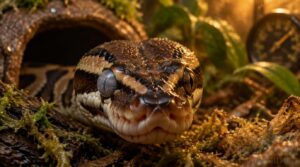
The shedding process turns your snake’s eyes milky, which is normal, but retained eye caps aren’t. Compare them:
- Normal cloudiness affects both eyes equally.
- It clears one to two days before shedding.
- Cloudy or dull eyes after the shed signal trouble.
- Retained caps may affect one eye.
- Wrinkled or dimpled surfaces suggest stuck spectacles.
Low humidity? Check your humidity box.
When your snake is heading into a shed, a humidity box for shedding snakes gives it a damp, private spot to loosen old skin without raising the whole enclosure’s moisture.
Checking Shed Skin and Eye Appearance
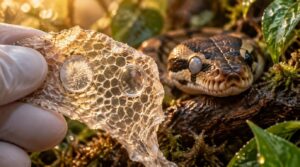
Once the shed is done, inspect both your snake and the shed skin. Hold the skin up to light and look for two clear, round discs where the eyes were. If they’re missing, you likely have retained eye caps.
Then do a postshed ocular assessment. Look at each spectacle for cloudy or dull eyes, wrinkles, or a grainy, uneven texture.
Why Your Snake’s Eye Caps Won’t Come Off
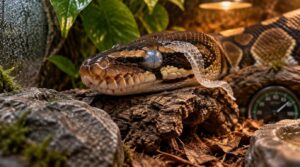
Most stuck eye caps come down to one thing, and that’s a shed that happened in air that was too dry for your snake. Humidity isn’t the only cause, though. Retained eye caps usually have a few common triggers, and it helps to know which one you’re dealing with.
- Not enough humidity makes the old skin dry and tight.
- Too few rough surfaces in the snake’s vivarium give your snake nothing to rub against.
- Dehydration or poor health slows the whole shed.
- Old injuries or infections can scar the eye.
If you can’t tell which one applies, don’t guess. A veterinarian can find the cause, especially when the problem keeps coming back. Bring notes on past sheds. The vet will also inspect the shed skin if you brought it in, and that can show whether the caps came off in pieces or stayed whole.
If a shed leaves retained caps behind, this guide on removing stuck snake eye caps safely explains gentle steps you can try before calling the vet.
Safe Home Care for Stuck Snake Eye Caps
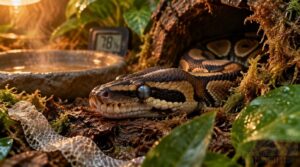
You can usually help a stuck eye cap come off on its own with a few small changes to your snake’s setup. Start with the two points below, since they cover most home care. Go slowly, and keep your hands off the eyes.
Adjusting Humidity and Providing Fresh Water
Think of dry air as glue on a label: the longer it sits, the harder it is to lift. Raise humidity in the snake’s environment to 70-80% during the reptile shedding cycle.
Choosing the right safe substrate for shedding snakes helps hold that extra moisture in, so old skin loosens and comes off in one piece.
Use environmental humidity control with a hygrometer, and set a warm bowl of water on the heated side. Follow soaking protocols for reptiles: lukewarm water, for 15-20 minutes.
Why You Should Never Peel Caps
Why risk your snake’s eyesight over a bit of stuck skin? Do not peel an eye cap off at home. The spectacle underneath is living tissue, and pulling can tear it, scratch the cornea, and cause scarring or permanent vision loss.
Never peel a stuck eye cap at home, because the living tissue beneath can tear and cost your snake its sight
Fix the cause instead. Raise proper humidity levels and offer rough but safe surfaces for rubbing. If the eye turns swollen, painful, infected, call a vet.
When Retained Eye Caps Need a Reptile Vet
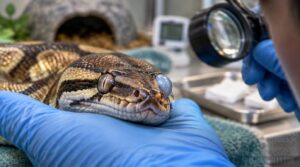
You should call a reptile vet if the caps are still cloudy after the rest of the shed is done, and you’ve already tried the humid hide during shed cycles. Don’t wait weeks hoping they’ll clear.
Book a visit sooner if you see swelling, redness, discharge, bleeding, or an eye that stays closed. Those signs point to infection or injury, not a simple stuck cap. Lethargy or refusing food alongside eye changes means you should call the same day.
Retained eye caps that keep coming back are a flag too. A vet can check for stacked layers and look for husbandry trouble or a health issue behind the pattern. Any incomplete or abnormal shed that leaves your snake’s eyes hidden deserves an exam, since you can’t judge the eye underneath yourself.
Preventing Retained Eye Caps With Species-Appropriate Shedding Conditions
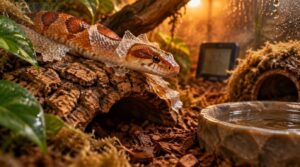
You might think prevention is overkill when your snake sheds fine most of the time. It isn’t. One dry shed can leave caps stuck, and species-appropriate husbandry stops that before it starts.
Aim for proper humidity for the species, and check it with a digital hygrometer.
- Corn snakes: 40-50% daily, 60-70% in shed.
- Ball pythons: 50-60% daily, 65-75% in shed.
- Western hognose: 30-50% daily, 50-60% in shed.
- Offer a humidity hide during shed cycles, and keep it available until eyes clear.
- Add cork bark, and pick a substrate texture for shedding aid.
Winter heating dries the air, so mist more or move the water bowl nearer the warm end. Keep the bowl full. Then log dates for shedding cycle monitoring.
Frequently Asked Questions (FAQs)
What to do if my snakes’ eye caps won’t come off?
Retained eye caps work like a foggy windshield. Raise humidity, add a humid hide, and skip eye cap removal techniques like peeling.
A stuck spectacle signals dysecdysis; if retained spectacles persist, see a reptile vet.
How to tell if a snake has stuck eye caps?
Your ball python finished shedding yesterday, but one eye still looks milky. Check the shed skin: a missing cap suggests a stuck eye cap. Retained eye caps, a form of dysecdysis, leave a clouded eye.
Why do snakes shed eye caps?
All 4,000-plus snake species shed their skin, including the clear scale over the eye, so vision stays sharp. Humidity in the snakes environment and rough surfaces in the snakes vivarium help prevent ocular scale retention.
What are the signs that my ball python is dying?
A python’s body speaks louder than words. Watch for lethargy, dehydration, poor appetite, wheezing, discharge, redness, or a sunken or abnormal-looking eye. Swollen, painful, infected areas or improper humidity for the species need a vet.
Why won’t my snakes’ eye caps come off?
Snakes can carry stuck caps through several sheds. Retained eye caps usually mean humidity that is too low. Fix species-appropriate husbandry, add a soaking opportunity, and ask your vet about reptile-safe lubricating or ophthalmic ointment.
How do you remove a stuck snake skin?
Give your snake a lukewarm soaking opportunity for 15 to 20 minutes, then use a damp cloth for gentle inclinic removal of skin. Retained eye caps near reptile eye spectacles need a vet, never fingers.
What does a stuck eye cap on a snake look like?
Expect a cloudy, dull or opaque eye surface beneath a wrinkled, lifted or double-looking clear layer, missing eye coverings on the shed skin, rubbing the face more than usual, and striking inaccurately or seeming hesitant.
How to tell if a ball python has a stuck eye cap?
Is your ball python’s eye still cloudy right after shedding? That’s the main sign of retained eye caps.
Check the shed skin: a complete shed includes two clear spectacles. Missing one likely means spectacle retention.
How to remove stuck eye caps from a snake?
Retained eye caps need patience. Use a humid hide or brief supervised soak, then do shed skin inspection. Skip emergency eye cap removal techniques and reptile eye ointment application; snakes eye health needs a vet.
How to remove eye caps ball in Python?
Retained eye caps need patience, not force. Soak your python in lukewarm water, then dab reptile-safe ophthalmic ointment on. Skip emergency eye cap removal techniques. If they stay, book a hands-on exam by your vet.
Conclusion
Still tempted to grab the tweezers? Don’t.
When snakes eye caps wont come off, your best tools are humidity, fresh water, and patience. Soak, wait, and let the cap loosen on its own schedule.
If a cap still clings after a couple of sheds, or the eye looks swollen, call a reptile vet. Early help protects the spectacle and saves your snake real trouble.
Nail the shed conditions next time, and this problem rarely returns.