This site is supported by our readers. We may earn a commission, at no cost to you, if you purchase through links.

Your first boa will likely outlive your last pet. These snakes can reach 30 years, so the morph you pick today shares your home for decades.
Hypo, Kahl Albino, Anery, or a classic Normal Imperator? Each runs $50 to $575, grows 4 to 8 feet, and needs a warm side near 90°F. The best beginner boa constrictor morph isn’t the flashiest one. It’s the one that fits your budget, your space, and a calm individual animal.
Here’s how four top picks compare, what they cost, and how to spot a healthy snake from an ethical breeder.
Table Of Contents
- Key Takeaways
- Best Beginner Boa Morphs Compared
- Why Temperament Matters More Than Boa Morph
- Beginner Boa Morph Prices and Ownership Costs
- Care Commitments Before Buying Your First Boa
- Choosing Healthy Boa Morphs From Ethical Breeders
- Frequently Asked Questions (FAQs)
- Which boa constrictor is best for a beginner?
- Is a boa constrictor a good beginner snake?
- What are the most expensive boa constrictor morphs?
- What are the different morphs of boa constrictors?
- What is the best beginner boa?
- What is the most friendly boa constrictor?
- What are the easiest boas?
- Are Rainbow Boas good for beginners?
- What enclosures work best for growing boas?
- How do I prevent feeding refusals?
- Conclusion
Key Takeaways
- Temperament comes from the individual snake, its bloodline, and how you handle it, not from its morph, so pick a calm, captive-bred imperator over a flashy color.
- Prices swing widely, from $50 to $150 for a normal, to $400 to $575 for a Kahl albino, but your setup will add $640 to $810 up front plus $10 to $20 a month for food.
- You’re signing up for 20 to 30 years with a snake that grows 4 to 8 feet, so plan your long-term living situation, a large enclosure, and a 90 to 95°F warm side before you buy.
- Buy from an ethical breeder who shows parent photos, feeding and shedding records, and a health guarantee (ideally 7 days), and check for bright eyes, smooth skin, and a firm body.
Best Beginner Boa Morphs Compared
Picking your first boa feels a lot like choosing a puppy, because they’re all cute and you want the right fit. Below, you’ll find four beginner-friendly morphs lined up side by side, so you can see how they compare. Let’s meet them one at a time.
Temperament matters as much as color, so it helps to read up on boa morphs with the best temperament before deciding which one will feel like the right fit at home.
Hypo Boa: Top Beginner Morph Pick
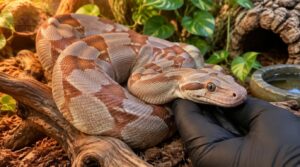
Hypomelanistic Boa lines give you brighter color without fussy care, which makes them a smart beginner pick. Temperament still matters most, so check these five things:
- Calm reactions showing ease of handling.
- Clear eyes and nostrils.
- Steady feeding history.
- Written proof of hypo genetics.
- A ready habitat setup.
Always choose a healthy, well-started hypo boa over any flashy, mystery-source snake. For that habitat, aim for a warm side of 90-95°F and a cool side of 75-80°F, since proper temperature gradients keep a hypo boa feeding and digesting well.
Normal Boa Imperator: Budget Baseline
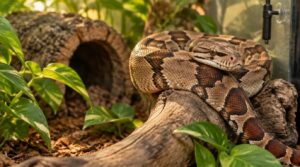
Want the cheapest way in? A normal Boa constrictor imperator skips the bright color of a hypo, but the price is hard to beat for any beginner.
If you’re still weighing your options, this beginner-friendly boa constrictor morph guide compares common morphs, so you can see which ones deliver the best value without stretching your budget.
| Detail | Normal Imperator |
|---|---|
| Juvenile price | $50-$150 |
| Adult size | 4-6 feet |
| Adult enclosure | 4x2x2 |
| Lifespan | 20-30 years |
Budget for long-term care and a full habitat setup. Then ask for breeder photos of the parents.
Kahl Albino Boa: Bright Color Option
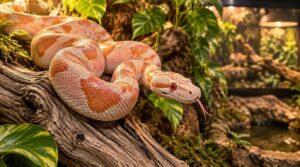
Want color without the hypo price tag? A Kahl albino is your answer. This beginner-friendly morph glows in cream, orange, and pink, with red eyes and a pink tongue.
If you’re still weighing options, this guide to low-maintenance corn snake morphs shows how Okeetee and ghost patterns compare with albino for first-time keepers.
Expect to pay more than a normal imperator, since this morph is recessive and prized. Females hit 5-6 feet, so plan a 6-8 foot enclosure for adulthood.
Anery Boa: Subtle Color Option
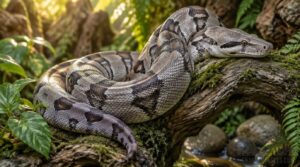
Prefer a quieter look? The Anerythristic Boa trades warm tones for silver, gray, and charcoal saddles. Babies often show lavender tails that fade with age.
It’s a great beginner pick. The morph doesn’t change temperament, so you get the same calm, handleable imperator. Expect a price of $150 to $300, and plan an enclosure of at least 4’x2′.
Why Temperament Matters More Than Boa Morph

Personality beats pattern every time. Your boa’s color won’t decide whether it hisses at you or relaxes on your shoulder. There’s no genetic link between any morph and temperament, so a hypo isn’t automatically calmer than an anery. What matters is the individual snake.
Handling habits, enclosure setup, and locality bloodline shape a boa’s temperament far more than color does, as this breakdown of boa constrictor morph and temperament differences explains.
No morph decides whether a boa hisses or relaxes on your shoulder, because temperament belongs to the individual snake, not its color
Why does that matter for you? Temperament shapes handling safety. A defensive boa bites more, especially around feeding time, and big boas demand real strength. A beginner-friendly snake is simply a calm one.
Ask your breeder about the parents’ disposition. Captive-bred babies from temperament-focused lines are usually calmer. Expect hissing early on. Most boas outgrow it within six months to two years of gentle, consistent care and handling. Watch body language, since tongue flicks signal stress.
During those hissy early weeks, a beginner snake handling hook and gloves set helps you build trust while staying protected from defensive bites.
Beginner Boa Morph Prices and Ownership Costs
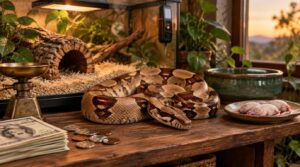
You can land one of the most popular beginner boa constrictor morphs without wrecking your budget. Normal imperators run $50 to $150, and hypos start around $75 to $175. Kahl albinos cost more, usually $400 to $575 for visuals, while basic anery boas sit near normal prices.
Your real spending starts after the purchase. Initial setup costs run $640 to $810 for the enclosure, heating, lighting, and substrate. Food adds just $10 to $20 monthly, and heating barely touches your electric bill.
Watch morph market trends, but don’t chase them. Reputable breeders charge more for health records and lineage, and that’s money well spent. Any boa care guide will tell you pet ownership means a 20 to 30 year promise.
Care Commitments Before Buying Your First Boa

Picture Dana, who bought a $90 boa at a reptile expo on a whim. Three years in, she’s juggling a 4’x2′ enclosure, a rising heating bill, and a snake that’s now six feet long. She wasn’t ready for that.
Don’t be Dana. Boas live 20 to 30 years, sometimes 40, so this is a longterm commitment that outlasts most dogs and cats. Ask yourself where you’ll be living in a decade.
Your setup matters daily. Keep a proper temperature gradient, 80 to 85°F ambient with a 90 to 95°F basking spot, and check humidity levels for your subspecies. Stick to a steady feeding schedule of thawed rodents, offered with tongs. Check local laws first, too.
Choosing Healthy Boa Morphs From Ethical Breeders
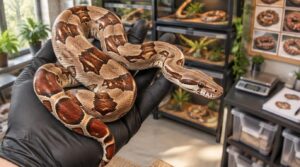
Think a healthy boa costs too much to bother with? A sick one costs far more, so paying a little extra upfront protects your wallet and your snake.
Stick with reputable breeders who sell captivebred animals and answer questions without dodging. Ethical breeders also avoid morphs tied to hereditary problems, like Super Motley, and protect genetic diversity in their lines.
Before you commit, check these four things as a beginner:
- Eyes are bright and clear, skin is smooth, and the body feels firm.
- The breeder shares birth date, feeding history, last feed, and shedding records.
- You see parent photos and lineage details.
- The guarantee spells out coverage time, ideally a 7-day health window.
Skip pre-pickup feeding, then quarantine your boa.
Frequently Asked Questions (FAQs)
Which boa constrictor is best for a beginner?
Most first-time keepers expect a flashy morph to matter. It doesn’t. Pick a captive-bred Boa imperator with known handling history, since temperament depends on socialization and care. A hypo or normal juvenile suits any beginner.
Is a boa constrictor a good beginner snake?
Wondering if a boa can handle a first-timer? Yes, a captive-bred Boa constrictor imperator can. Its calm temperament and hardiness forgive mistakes, but you’ll need to plan care for 6 to 10 feet and 20-plus years.
What are the most expensive boa constrictor morphs?
Picture a boa glowing like snow. That’s a leucistic, and genetic rarity pushes morph prices to $3,000 to $10,
Scoria and IMG follow. An Albino Boa or Hypomelanistic Boa costs less on the morph market.
What are the different morphs of boa constrictors?
Worried morphs mean fragile snakes? Not at all.
A morph is a color or pattern gene. Beyond your Colombian RedTailed Boa baseline, you’ll find Hypomelanistic Boa, Albino Boa, anery, jungle, and motley, plus Dumerils Boa.
What is the best beginner boa?
You might think a flashy morph makes the better beginner pick, but it doesn’t. Choose a captive-bred Boa imperator, ideally a hypo. Their calm temperament, low price, and manageable care make learning easy.
What is the most friendly boa constrictor?
Think of a boa’s temperament as a personality, not a paint job. The friendliest pick is a Colombian boa, the classic beginner-friendly choice. Any morph can be calm with steady handling.
What are the easiest boas?
Wondering which boas won’t fight you? Captive-bred Colombian hypos and normals are your easiest, most beginnerfriendly picks. Calm temperament matters more than any Boa morph, so check the enclosure, feeding schedule, and handling history first.
Are Rainbow Boas good for beginners?
Think of a Rainbow Boa as a moody opera singer: gorgeous, but demanding. Not a good beginner snake. Their humidity needs run 70-100%, their temperament can turn nippy, and care mistakes bite back. Master easier species first.
What enclosures work best for growing boas?
Wondering how big your growing boa’s enclosure should be? Match it to length, not age.
Juveniles thrive in four-foot enclosures, then upsize as needed. Enclosure requirements also include temperature control, humidity management, and burrowable substrate.
How do I prevent feeding refusals?
One missed meal can feel like a crisis, but most boas just need a tweak. Check temperature control first: 88-92°F warm side. Keep humidity at 60-80%, skip handling, and offer right-sized prey.
Conclusion
Worried a calm snake is too much to ask for? It isn’t. Handle a few animals, watch how they react, and pick the one that stays relaxed in your hands.
The best beginner boa constrictor morph is the one you can afford to house, feed, and heat for thirty years. Color is the fun part. Temperament, setup, and a trustworthy breeder do the heavy lifting.
Choose well, and you’ll gain a true companion for decades.