This site is supported by our readers. We may earn a commission, at no cost to you, if you purchase through links.

A corn snake can outlive your college years, a ball python might stick around long enough to meet your grandkids, and a kingsnake will spend its days plotting an escape from whatever enclosure you put it in. These aren’t pets you pick based on cuteness alone.
Choosing the right snake for your lifestyle means matching your schedule, your patience, and your square footage to a species that won’t leave either of you miserable. Get that match wrong, and you’re stressed. Get it right, and you’ve got a low-maintenance, endlessly fascinating companion.
This breakdown covers the species, the setups, and the real costs so you can decide with confidence.
Table Of Contents
- Key Takeaways
- Choosing The Right Pet Snake for Your Lifestyle
- Beginner-Friendly Pet Snake Species Compared
- Compare Snake Temperament and Handling Compatibility
- Compare Enclosure, Feeding, and Ongoing Care Needs
- Plan for Lifespan, Ownership Costs, and Responsible Sourcing
- Frequently Asked Questions (FAQs)
- What’s the nicest snake to own?
- Which snake is the calmest?
- How to tell if a snake trusts you?
- What kind of snake should I buy?
- Which snake is right for me?
- How to pick the right snake?
- What’s the friendliest snake to have as a pet?
- What kind of snake is good for a first time owner?
- How do I choose the right snake?
- What is the friendliest snake to have as a pet?
- Conclusion
Key Takeaways
- Matching a snake to your lifestyle—your schedule, space, and handling comfort—matters far more than appearance, since a poor fit leads to stress for both you and the snake.
- Corn snakes and ball pythons are the strongest beginner choices because they’re forgiving of early mistakes, easy to feed, and tolerant of regular handling.
- Getting the enclosure right (temperature gradients, humidity, escape-proof latches, and hides) is as critical as species selection for keeping your snake healthy long-term.
- Snake ownership is a decades-long financial and time commitment—ball pythons can live 25+ years—so honest budgeting and sourcing from reputable breeders or rescues is essential before you buy.
Choosing The Right Pet Snake for Your Lifestyle
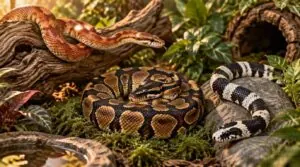
Picking a pet snake isn’t just about which one looks coolest at the expo. The right match depends on your living situation, schedule, and how much you’re realistically willing to handle. Here’s what to think about before you commit.
Two snakes that look nearly identical at a reptile expo can have wildly different care requirements, so running through a personalized snake species compatibility guide before you buy could save you months of frustration.
Beginner-Friendly Species
Start with the right species, and you’re already ahead. Beginner snakes thrive in captivity and forgive rookie mistakes. Five names worth knowing:
- Corn snakes are hardy and predictable
- Ball pythons carry a docile temperament
- Kingsnakes are active and curious
- Rosy boas stay small and manageable
- Kenyan sand boas are compact and low-maintenance
Pick the one that best fits your life.
Temperament and Handling
Species choice sets you up, but snake temperament assessment starts the moment you meet your animal. Even a docile temperament can shift fast, so always pay attention to stress signals.
Snake handling safety is simple: use two hands, move slowly, and keep sessions under ten minutes. Watch for hissing. For snake child interaction, always supervise closely and keep it brief.
A beginner snake handling hook gives you extra control during those first cautious sessions, especially useful when a child is nearby and you need both hands free to redirect quickly.
Enclosure Needs
Once your snake’s comfortable being handled, the enclosure takes over. Nail these four basics:
Getting the environment right—from temperature gradients to humidity—sets the foundation for a thriving snake, and creative habitat decoration ideas can help you build a space that’s both functional and enriching.
- Enclosure size: 40-75 gallons for adults; juveniles start smaller.
- Temperature gradients: 85-90°F warm, 78-82°F cool.
- Humidity levels: 40-60% for most; drier for sand boas.
- Escapeproof latches: snakes escape through anything.
Add hides on both ends for better enclosure enrichment and real security.
Feeding Practices
Once your enclosure is dialed in, feeding clicks right into place. Stick with frozen-thawed rodents, since they’re safer and simpler to source. Your feeding frequency shifts with age: juveniles eat every 5–7 days, adults every 7–14.
Follow prey size guidelines: aim for a rodent as wide as your snake’s midsection. A little bigger is fine, but too big triggers refusal.
Costs and Commitment
For a first-time owner, the initial investment sits around $100-300, covering enclosure size, heating, and a secure lid. Your monthly costs average $10-25 for feeders alone. A beginner snake enclosure starter kit can bundle the essentials—tank, thermostat, and hide—keeping that upfront cost toward the lower end.
- Long-term commitment varies: corn snakes live 6-8 years, ball pythons 20-30+
- Feeding frequency stays low, roughly every 7-14 days
- Vet checkups average $50-120 annually, plus possible emergency visits
Budget honestly and you’ll be fine.
Beginner-Friendly Pet Snake Species Compared
Not every snake is built for every keeper, so picking the right species from the start saves a lot of headaches. The five options below cover the most beginner-friendly choices available, each with its own strengths. Run through them and see which one actually fits your space, schedule, and experience level.
For a deeper breakdown of each species’ temperament and care needs, this guide to top beginner-friendly snake species walks through exactly what to expect before you commit.
Corn Snakes

If you’re brand new to reptiles, a Corn Snake is practically a gift. Their naturally docile temperament makes your handling experience feel easy rather than nerve-wracking.
A 20-gallon tall terrarium easily covers your enclosure size needs, and a simple feeding schedule of thawed mice every seven to ten days keeps things quite manageable. They’re forgiving, long-lived, and genuinely a blast.
Ball Pythons

Think of a living stress ball that genuinely enjoys being held. That’s a Ball Python. They’re calm, forgiving, and rarely dramatic.
Ball pythons are living stress balls that actually enjoy being held—calm, forgiving, and rarely dramatic
A 40-gallon tank covers enclosure size for adults. Keep temperature regulation tight: 88-92°F warm side, 78-82°F cool. Your feeding schedule runs every 7-14 days on pre-killed prey.
Handling tolerance is impressive. Juveniles settle down fast with consistent, gentle interaction.
Rosy Boas
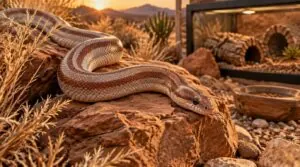
rarely exceed three feet, fitting neatly into beginner reptile care without overwhelming your space.
- Calm, slow-moving temperament suits nervous handlers
- Dry habitat with low enclosure humidity under 60%
- Temperature gradient of 75-90°F keeps them healthy
- Adults eat every 10-14 days
- Lifespan reaches 20-30 years
Adjust handling frequency gradually; they musk when stressed but settle with calm, consistent contact.
Kenyan Sand Boas
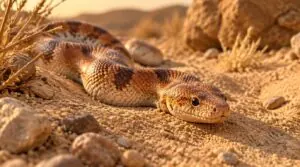
are basically pocket-sized, low-maintenance tanks. Adults top out around 18–28 inches, and their calm, burrowing nature makes beginner reptile care genuinely manageable.
Keep humidity low, between 30–40%, and offer a warm basking spot of 90–95°F. They eat pre-killed rodents every 7–14 days. Simple, predictable, and surprisingly personable for a snake that spends most of its time underground.
A reptile basking heat lamp or under-tank heater makes hitting that 90–95°F sweet spot consistently easy without any guesswork.
Kingsnakes
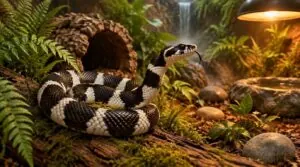
are bold, adaptable, and genuinely rewarding. Their curious snake temperament warms up with consistent handling, making them excellent long-term companions.
- Habitat setup for snakes is flexible, a 40–60 gallon tank does the job
- Temperature regulation for snakes runs 75–85°F, no drama
- Humidity control in terrariums stays easy at 40–60%
- They can easily share 15–20 wonderful years of your life
Compare Snake Temperament and Handling Compatibility
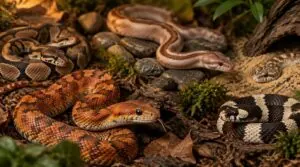
Species selection brings you to one deciding factor above all: personality. Docile temperament varies more between species than most beginners realize, and that difference matters every time you reach into the enclosure.
| Species | Temperament | Handling Tolerance |
|---|---|---|
| Corn Snake | Curious, calm | High |
| Ball Python | Shy, gentle | Moderate |
| Rosy Boa | Relaxed, slow-moving | High |
| Kenyan Sand Boa | Reserved, burrowing | Moderate |
| Kingsnake | Initially defensive | Builds with time |
Your handling experience level should guide the pick. Corn snakes forgive mistakes. Kingsnakes don’t, not right away.
Handling tolerance improves with consistent 5-10 minute sessions, built up over 2-6 weeks. Start short, stay calm.
For child safety, corn snakes and rosy boas lead the pack. Adult supervision is non-negotiable during any early handling session, regardless of species.
Compare Enclosure, Feeding, and Ongoing Care Needs

Temperament gets you started, but how you set up the enclosure determines whether your snake actually thrives.
Corn snakes and ball pythons both need a temperature gradient, with a basking spot around 29-32°C and a cool side near 24-26°C. Rosy boas push humidity needs higher, targeting 60-70% for clean sheds. Kenyan sand boas want dry, loose substrate to burrow into, while kingsnakes are low-maintenance but active enough to appreciate more floor space.
Feeding frequency scales with age. Hatchlings eat every 5-7 days; adults need a meal every 2-3 weeks. Match prey size to 1-1.5x the snake’s girth to avoid regurgitation.
Spot-clean the enclosure weekly and do a full wash every 4-6 weeks. Track weight monthly to catch health problems early.
Plan for Lifespan, Ownership Costs, and Responsible Sourcing

Once you’ve nailed the enclosure and feeding routine, it’s time to think about the long game.
Ball pythons can live 25 years or more, while corn snakes usually reach 15 to 20. That’s a significant lifespan commitment. Your initial investment covers the enclosure, heating, hides, and substrate, usually ranging from a few hundred to well over a thousand dollars. Food costs stay modest, but vet visits and equipment upgrades add up. Set aside a small vet reserve fund and revisit your budget every year. For a fuller picture of routine snake care costs and vet expectations, snake care tips from a veterinary practice can help you budget more confidently from day one.
Source smart, too. A reputable breeder or hobbyist will provide lineage details, health guarantees, and captive-bred documentation. Adoption and rescue through herpetological societies is well worth exploring. Avoid wild-caught snakes: they carry both stress and parasites.
Frequently Asked Questions (FAQs)
What’s the nicest snake to own?
For most people, corn snakes are the clear overall winner. They’ve got a docile temperament, handle with zero fuss, and are legitimately low-maintenance pets, so your budget and schedule stay intact well into their lifespan.
Which snake is the calmest?
The rosy boa wins here easily. It tolerates handling with minimal stress, making it the most consistently calm beginner snake you’ll find. Kenyan sand boas are docile too, but they get skittish around feeding time.
How to tell if a snake trusts you?
Trust shows up in subtle behavioral cues. Slow, deliberate tongue flicks toward you signal curiosity, not threat. A relaxed body, steady gaze, and no jerking away during regular handling means your snake is settling in.
What kind of snake should I buy?
Most first-time buyers regret starting with temperamental exotics. For beginner reptile pets, a corn snake or ball python wins every snake species comparison: docile, easy to feed, hardy, and genuinely forgiving of your early mistakes.
Which snake is right for me?
What fits your life right now? Corn snakes suit beginners who want easy handling and forgiving care. Ball pythons reward patience and calm routines. Match your space, schedule, and confidence before committing to any species.
How to pick the right snake?
Start by matching your experience level, daily schedule, and available space to a snake’s species-specific care needs. Then factor in handling frequency, enclosure setup demands, temperature control, and a potentially 30-year lifespan before you commit.
What’s the friendliest snake to have as a pet?
Corn snakes are your friendliest snake pick. They’re docile, rarely bite, and genuinely tolerate handling. Ball pythons run close behind, staying calm and predictable, making both solid choices for beginners wanting a relaxed, handleable companion.
What kind of snake is good for a first time owner?
Think of it like adopting a rescue dog: you want a forgiving temperament. Corn snakes and ball pythons top every beginner snake guide, staying manageable in size, rarely biting, and warming up with regular handling.
How do I choose the right snake?
Where do you even begin? Honest self-awareness helps. Know your handling frequency limits, measure your available space for a solid enclosure setup, and research species-specific needs. Snake ownership is a long-term commitment, not a whim.
What is the friendliest snake to have as a pet?
Ball pythons are your friendliest bet. Naturally calm and rarely bitey, they warm up to gentle handling pretty fast. Their docile temperament also makes them a solid choice for child safety and low-maintenance pet ownership.
Conclusion
Picture yourself two years from now, lifting the lid on a well-built enclosure to find a snake that actually wants to come out. That’s what a good match looks like.
Choosing the right snake for your lifestyle isn’t about picking the prettiest pattern or the most exotic name. It’s about honest self-assessment: your time, your budget, your tolerance for live feeding. Nail those details, and you’re not just keeping a snake. You’re keeping a good one.