
This site is supported by our readers. We may earn a commission, at no cost to you, if you purchase through links.

Your snake hasn’t defecated in three weeks—and you’re starting to wonder if that’s normal or a red flag demanding immediate attention. The truth is, irregular bowel movements in snakes aren’t always emergencies, but they’re often the first visible warning that something’s gone wrong with your animal’s husbandry, diet, or internal health.
Unlike mammals, snakes don’t follow a daily bathroom schedule; their digestive rhythms hinge on meal size, species-specific metabolism, and environmental conditions like temperature and hydration. A ball python might comfortably go ten days between bowel movements, while a garter snake should be producing waste every few days—and deviations from these baselines can signal anything from minor dehydration to life-threatening impaction.
Recognizing what’s normal for your specific snake, identifying the visual cues of digestive trouble, and understanding the underlying causes will help you intervene before a manageable issue becomes a veterinary crisis.
Table Of Contents
- Key Takeaways
- What Are Irregular Bowel Movements in Snakes?
- Normal Snake Bowel Movement Frequency
- Characteristics of Healthy Snake Feces
- Signs of Abnormal Snake Bowel Movements
- Common Causes of Irregular Bowel Movements
- Impact of Hydration and Temperature on Digestion
- Monitoring and Recording Bowel Movements
- Preventing Digestive Issues in Snakes
- When to Seek Veterinary Attention
- Home Care and Treatment Options
- Frequently Asked Questions (FAQs)
- What is the difference between normal and abnormal snake poop?
- Why does my poop look like a bunch of little snakes?
- What are the symptoms of cryptosporidium in snakes?
- Can stress alone cause chronic constipation in snakes?
- How long can snakes safely go without pooping?
- Are bowel irregularities hereditary in captive-bred snakes?
- Can vitamin deficiencies cause irregular bowel movements?
- Conclusion
Key Takeaways
- Snake bowel movement frequency varies dramatically by species—ball pythons defecate every 5–10 days while garter snakes produce waste every 2–5 days, making your individual snake’s baseline the only reliable diagnostic reference.
- Abnormal feces displaying blood streaks, excessive mucus, undigested prey fragments, or color shifts to green/red/black directly indicate intestinal inflammation, parasitic infection, or internal bleeding requiring immediate veterinary assessment.
- Temperature and hydration function as twin throttles on gut motility—temps below 75°F slow peristalsis by 50% while dehydration hardens stool into immovable plugs, making environmental control your primary constipation prevention tool.
- Home interventions like rehydration and enclosure adjustments resolve mild digestive issues, but persistent symptoms beyond 7 days, visible blood, or accompanying lethargy demand professional diagnostic testing including fecal analysis and imaging to prevent life-threatening impaction.
What Are Irregular Bowel Movements in Snakes?
You know your snake’s healthy when it poops on a predictable schedule—but irregular bowel movements signal something’s off with digestion, hydration, or environment.
If you’re experimenting with alternative foods like eggs, track how your snake’s digestive patterns and stool quality change to catch problems early.
Irregular bowel movements include constipation lasting weeks, diarrhea with mucus or blood, or feces that look nothing like the firm, dark pellets you’re used to seeing.
Recognizing what’s normal versus what demands attention starts with understanding two key distinctions.
Definition and Overview
Irregular bowel movements in snakes mean digestive health has shifted from your reptile’s typical baseline—stool frequency, texture, or appearance deviates from what you’ve tracked over weeks or months. This deviation covers both snake feces and urates, signaling transient stress or underlying digestive issues.
Key definition elements:
- Deviation from baseline: Compare current waste to your snake’s established pattern
- Cloacal output: Includes both solid feces and chalky urate pellets
- Frequency shifts: Sporadic or persistent changes in bowel movement timing
- Appearance changes: Altered color, consistency, or texture of digestive waste
- Health indicator: Flags potential gut health problems requiring assessment
Normal Vs. Irregular Patterns
You’ve logged your snake’s baseline—now spot when things shift. Regular patterns show consistent 2–7 day intervals with compact feces and pale urate plugs; irregular patterns bring skipped days, sudden mucus, or watery stool tied to temperature swings.
Abnormal feces—bloody streaks, undigested prey, or gut motility changes—demand fecal analysis. Digestive health hinges on recognizing intestinal inflammation before reptile digestion stalls completely.
Normal Snake Bowel Movement Frequency

Your snake’s bowel movement schedule isn’t one-size-fits-all—it depends on feeding frequency, prey size, and metabolic rate. Most snakes defecate once per feeding cycle, though individual species show distinct patterns tied to their natural biology.
Understanding what’s typical for your specific snake helps you spot irregularities before they become serious problems.
Typical Poop Schedule by Species
Each species marches to its own digestive cycle—your corn snake may pass bowel movements every 4 to 7 days, while ball pythons often wait 5 to 10 days post-feeding. Understanding these species digestion rhythms puts you in control of reptile gut health.
Poop frequency variations across common species:
- Corn snakes defecate every 4–7 days when fed biweekly
- Ball pythons produce snake poop roughly 5–10 days after meals
- Kingsnakes cycle through waste every 3–6 days during active seasons
- Garter snakes show frequent output at 2–5 day intervals
- Reticulated pythons complete their digestive cycle within 3–7 days, extending beyond a week after heavy meals
In fact, research on bowel habits and stool types in the general population shows that frequency and regularity can vary widely even within a species.
Factors Affecting Frequency
Beyond species timing, your Diet Quality shapes poop frequency—larger meals speed digestive cycle completion, while Temperature Gradients accelerate metabolic rate and gut motility.
Hydration Levels keep waste soft and moving; dehydration slows bowel movements and disrupts Digestive Enzymes.
Enclosure Design matters too—stress from poor setup throws off digestive health and regularity. You control these variables; they control your snake’s rhythm.
Characteristics of Healthy Snake Feces
You can’t fix what you can’t identify—and recognizing healthy snake feces is your first line of defense against digestive disaster. Normal droppings follow a predictable pattern in both appearance and composition; deviations signal trouble long before your snake shows outward symptoms.
If you notice regurgitation alongside unusual stool, review your prey sizing and feeding intervals to rule out portion-related stress on the digestive tract.
Here’s what you should expect when your snake’s digestive system is firing on all cylinders.
Normal Color and Texture
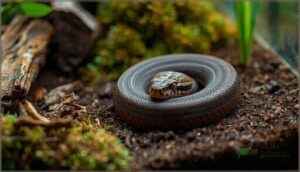
Healthy snake poop usually arrives dark brown to olive—think freshly turned soil—with a firm, cohesive texture that yields slightly when pressed. Fresh droppings sport a subtle moist sheen from mucus, but they shouldn’t crumble or ooze. Stool consistency stays compact, never runny or powdery.
You’ll notice fecal color variations tied to diet; frogs darken the palette while rodents keep it neutral.
Role of Urates in Snake Waste
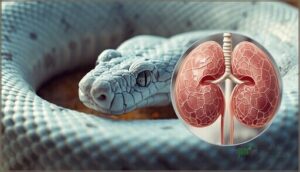
That white tip riding shotgun with your snake’s feces isn’t random—it’s urate, a crystallized nitrogen waste that keeps kidney function humming while slashing water loss during waste elimination. Modern snakes dump ammonia as compact urate crystals instead of liquid urine, an evolutionary win for desert-adapted hunters.
- Urate formation converts toxic ammonia into solid ammonium acid urate pellets
- Well-formed urates signal strong nitrogen balance and adequate hydration
- Crystal size reflects recent feeding intensity and metabolic rate
- Abnormal urates—yellow-tinged or absent—flag dehydration or brewing kidney trouble
Recent studies have uncovered the micron-sized uric acid architecture in reptile waste, offering surprising insights into how these crystals form and are managed in snakes.
Signs of Abnormal Snake Bowel Movements

Your snake’s feces tell a story—and when something’s off, the evidence shows up in color, texture, and composition. Abnormal bowel movements don’t always announce themselves with dramatic symptoms, but learning to spot the warning signs can mean the difference between a quick fix and a serious health crisis.
Here’s what abnormal snake feces actually look like and why each change matters.
Unusual Colors and Consistencies
When fecal color changes deviate from the norm—bright green, orange-red, or black tarry—you’re seeing direct evidence of digestive enzyme deficiencies, rapid transit, or internal bleeding. Stool texture variations matter too; hard pellets signal dehydration, while runny smears suggest stress or overheating.
Yellow-tinged urate or absent nitrogen waste flags kidney trouble, transforming routine bowel movement patterns into red-flag alerts demanding your immediate attention.
Presence of Blood, Mucus, or Undigested Food
Blood streaks, mucus coating, or undigested prey fragments in your snake’s waste aren’t quirks—they’re direct markers of intestinal inflammation or fecal infection.
Small amounts of bright red blood may signal mucosal irritation, while clots suggest deeper intestinal damage from parasitic infections.
Excessive slime paired with bone fragments reveals rapid gut transit and malabsorption; these abnormal feces patterns demand close monitoring to protect your snake’s digestive health.
Common Causes of Irregular Bowel Movements
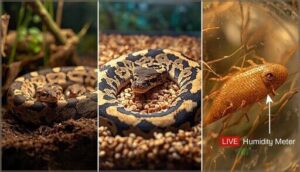
Your snake’s digestive system doesn’t fail in a vacuum—something always tips the balance. The culprits behind irregular bowel movements fall into three main categories: what you’re feeding, where your snake lives, and what’s living inside your snake.
Irregular bowel movements in snakes always trace back to diet, environment, or internal parasites—nothing happens without cause
Let’s break down each factor so you know exactly what to watch for.
Dietary Issues and Feeding Practices
You control your snake’s digestive health through feeding strategies that match their anatomy—meal sizing must align with body girth to prevent regurgitation and digestive issues. Prey selection and feeding frequency directly influence nutrient balance and gut motility; oversized meals or inconsistent schedules disrupt snake nutrition and trigger irregular bowel movements.
Whole prey promotes calcium intake, while digestive supplements remain unnecessary when dietary needs are properly met.
Environmental Stress and Enclosure Setup
Your snake’s enclosure setup can sabotage digestion faster than any dietary mistake—environmental factors dictate whether gut motility thrives or stalls. Husbandry errors in enclosure design and enclosure maintenance create chronic stress that disrupts bowel regularity.
- Temperature gradients from 75–85°F (cool) to 88–92°F (basking) drive metabolic enzyme activity
- Humidity control at species-appropriate levels (40–90%) prevents dehydration and impaction
- Substrate safety requires smooth, digestible-free materials to avoid intestinal blockages
- Lighting effects on photoperiod (12–14 hours) regulate feeding rhythms and digestive cycles
- Shelter availability and visual barriers reduce stress-induced gut slowdown
Poor reptile care transforms enclosure setup into a digestive minefield.
Parasites and Infections
Even impeccable enclosure setup won’t protect your snake from parasitic infections—internal invaders disrupt digestion regardless of husbandry. Protozoan diseases like Cryptosporidium trigger chronic diarrhea, while helminth infestations (nematodes, cestodes) cause weight loss and mucoid stool. Fungal infections mimic parasitic symptoms through gut inflammation. Effective parasite control demands fecal testing and targeted parasitology-guided treatment, with arthropod management preventing secondary infections from mites carrying pathogens into compromised digestive tracts.
| Parasite Type | Common Species | Fecal Signs |
|---|---|---|
| Protozoa | Cryptosporidium, Giardia | Watery, mucus-laden stool |
| Helminths | Nematodes, cestodes | Undigested food, weight loss |
| Fungi | Environmental molds | Gut irritation, poor appetite |
Impact of Hydration and Temperature on Digestion

Your snake’s digestive system doesn’t operate in a vacuum—it runs on precise environmental conditions that you control. Hydration and temperature act as twin throttles on gut motility; when either drops below ideal range, digestion slows or stops entirely.
Understanding how these factors interact gives you the power to prevent constipation, impaction, and the cascade of health problems that follow.
Dehydration and Constipation
Your snake’s body water does more than keep organs running—it keeps bowel contents soft enough to move. When dehydration strikes, the colon pulls extra moisture out, turning feces into dry, dense plugs that trigger constipation. Here’s how hydration collapses gut health:
- The intestines reclaim water, hardening stool into immovable masses
- Urine output shifts to chalky, clumped urates instead of pasty whites
- Digestion itself demands water, worsening constipation symptoms after meals
- Low humidity enclosures increase moisture loss through skin and lungs
- Rehydration methods like soaking restore softness and rescue reptile digestive health
Low Temperatures and Slow Gut Motility
Cold stress slows your snake’s gut motility by damaging the neural circuits that drive peristalsis. When ambient temperature drops near 20°C, digestive health collapses—transit time doubles, hormones suppress smooth muscle contractions, and microbiome shifts worsen constipation. Here’s how temperature regulation protects against reptile digestive issues:
| Temperature Impact | Gut Motility Effect | Recovery Method |
|---|---|---|
| Cold Stress Effects | Peristaltic waves slow by 50% | Restore thermoneutral zone |
| Cortisol surge | Enteric nerves dampen propulsion | Monitor temperature refuges |
| Microbial composition changes | Gas production drops, stalling transit | Probiotics during stress |
| Neural Adaptation | Rhythmic contractions weaken | Gradual rewarming |
| Blood flow reduction | Nutrient absorption impaired | Consistent enclosure heating |
Rewarming reverses neural adaptation and prevents intestinal inflammation tied to snake digestion delays.
Monitoring and Recording Bowel Movements

You can’t manage what you don’t measure—and that’s especially true regarding your snake’s digestive health. Keeping a simple log of bowel movements gives you baseline data that reveals subtle shifts before they become serious problems.
Here’s how to build a tracking system that actually works.
Tracking Frequency and Appearance
Your logbook is the cornerstone of fecal analysis—record every bowel movement by date, noting poop frequency, color, and poop consistency. Healthy snake feces should be firm, brown, and accompanied by white urates.
Track stool quality against feeding times to reveal digestive patterns. Photograph unusual droppings; these visual records give your vet critical context for waste management and early diagnosis.
Linking Changes to Husbandry Adjustments
When you adjust basking temperatures or swap substrates, compare those husbandry tweaks to your fecal log—patterns emerge fast. A spike in humidity or hydration management error often precedes watery stool; conversely, enclosure optimization that stabilizes environmental factors restores firm droppings within days.
Linking snake nutrition shifts and reptile care routines to digestive outcomes exposes husbandry errors before they escalate into serious snake health crises.
Preventing Digestive Issues in Snakes
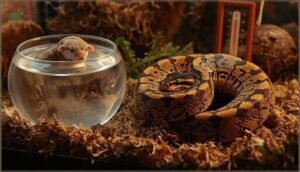
You don’t have to wait for problems to appear—most digestive issues in snakes stem from controllable factors in their daily care. The good news is that prevention comes down to three straightforward areas: what you feed, how you maintain their space, and the environmental conditions you create.
Let’s break down each one so you can keep your snake’s gut functioning exactly as it should.
Proper Diet and Feeding Schedule
Your snake’s digestive health hinges on getting feeding techniques and meal portioning right—oversized prey or erratic schedules wreck gut motility faster than you’d think.
Lock in reptile nutrition and diet basics with these rules:
- Offer meals at 2–5% of body weight every 7–21 days depending on age
- Use pre-killed prey no larger than 10–15% body weight
- Rotate prey types for nutrient balance and digestive support
- Maintain consistent timing to stabilize animal nutrition and digestion
Cleanliness and Substrate Choice
Your enclosure setup and maintenance protocol starts at the bottom—substrate choices and sanitation methods dictate whether snake feces fuel bacterial blooms or stay inert. Aspen and paper-based substrate options offer low dust and easy animal hygiene, while coarse materials improve airflow and prevent compaction.
Replace bedding every 4–6 weeks; spot-clean waste daily using reptile husbandry-safe disinfectants. Cleaning schedules matter more than substrate type alone.
Maintaining Optimal Humidity and Temperature
Temperature control and humidity levels drive gut motility as directly as any feeding schedule—thermal gradients regulate enzyme activity, while moisture gradients prevent dehydration that stalls animal digestion. Target these environmental factors to enhance snake health:
- Set basking zones at 85–90°F and cool zones at 74–82°F using calibrated thermostat settings.
- Maintain 40–60% relative humidity for most species.
- Install heating elements with thermostatic regulation to prevent fluctuations.
- Ensure ventilation systems exchange air without creating drafts.
- Monitor hydration through fresh water access and substrate moisture.
Precision in reptile care and maintenance prevents constipation and facilitates regular bowel movements.
When to Seek Veterinary Attention

Not every digestive hiccup demands a vet visit—but some changes in your snake’s bowel movements signal problems you can’t fix at home. Knowing when to make that call can mean the difference between a quick fix and a life-threatening emergency.
Here’s what warrants professional attention and what diagnostic tools your vet might use.
Warning Signs of Serious Problems
Knowing when your snake’s health tips from “watch and see” to “get to the vet now” can save its life. Fecal bleeding, persistent gut infection symptoms, or abnormal feces lasting beyond 48 hours demand immediate attention—digestive issues left unchecked lead to impaction or systemic failure.
| Warning Sign | Severity | Action Timeline |
|---|---|---|
| Blood in stool or abnormal droppings | Critical | Same day |
| Constipation over 7 days | High | Within 24 hours |
| Unhealthy snake poop with lethargy | Urgent | Within 48 hours |
| Suspected internal parasites | Moderate | Within 3–5 days |
Diagnostic Tests and Veterinary Procedures
Your vet’s diagnostic toolkit goes deeper than a quick visual check—sophisticated procedures reveal what’s hidden inside. Fecal analysis screens for parasites and bacterial overgrowth; diagnostic imaging like radiographs or ultrasound maps obstructions and organ abnormalities.
When reptile digestive issues persist, endoscopy procedures allow direct tissue biopsy, while microbiology tests identify pathogens guiding targeted veterinary diagnosis and treatment for effective parasite control.
Home Care and Treatment Options
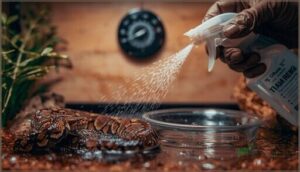
You can address many bowel irregularities at home with targeted interventions—rehydration, environmental adjustments, and careful monitoring often resolve mild constipation or digestive slowdowns.
More severe cases, however, demand professional veterinary care; urate plugs, impactions, and persistent diarrhea won’t respond to home remedies alone.
Here’s how to safely support your snake’s digestive health and recognize when you need expert help.
Safe Rehydration Techniques
You can restore fluid balance with commercially prepared oral rehydration solutions containing sodium, potassium, and glucose—offer small sips every 5 to 15 minutes using a needleless syringe. If your snake vomits, pause 15 minutes, then resume with smaller volumes.
Proper hydration promotes gastrointestinal health and relieves constipation; persistent dehydration warrants immediate vet care for fluid therapy.
Enclosure Adjustments and Supportive Care
Once your snake is rehydrated, fine-tune enclosure setup and maintenance to prevent future digestive issues. Proper enclosure design and attention to environmental factors correct husbandry errors, restoring normal bowel function.
Adjust temperature gradients to 85–90°F basking and 75–80°F cool zones; stable heat accelerates gut motility. Boost humidity control to 60–70 percent with daily misting, supporting snake hydration and shedding.
Swap problematic substrate options for aspen or reptile carpet, minimizing irritants.
Veterinary Treatments for Severe Cases
When home care fails, surgical interventions and endoscopic procedures become necessary—your vet may perform emergency stabilization with fluid therapy, then tackle impaction or remove foreign bodies through minimally invasive techniques.
Critical care protocols address severe parasitic infections, while constipation treatment often involves metronidazole for secondary bacterial infections.
Don’t wait; early veterinary care prevents life-threatening reptile diseases and conditions.
Frequently Asked Questions (FAQs)
What is the difference between normal and abnormal snake poop?
Healthy snake poop features dark brown feces paired with chalky white urates—firm but not crumbly.
Abnormal feces show green, red, or black fecal coloration, runny poop texture, blood streaks, or excessive mucus signaling digestive health concerns.
Why does my poop look like a bunch of little snakes?
Your gut health falters when hydration or fiber drops—thin, fragmented stool patterns signal slowed digestive transit, not snake feces.
Persistent changes warrant medical review to rule out serious bowel movement disorders or digestive issues.
What are the symptoms of cryptosporidium in snakes?
Cryptosporidium triggers post-meal regurgitation, persistent watery diarrhea, midbody abdominal swelling, and steady weight loss. Your snake’s appetite tanks while fecal analysis reveals microscopic oocysts, confirming this stubborn parasitic infection demanding immediate infection management.
Can stress alone cause chronic constipation in snakes?
Stress can trigger chronic constipation in your snake—like a Victorian fainting couch episode—by tightening abdominal muscles, slowing gut motility, and reducing appetite.
This creates a vicious cycle that affects digestive health beyond simple impaction.
How long can snakes safely go without pooping?
Your snake can safely go 6 to 14 days between bowel movements after a meal—but delays beyond two weeks signal potential digestion time issues, requiring monitoring for fecal retention or dehydration.
Are bowel irregularities hereditary in captive-bred snakes?
Yes—Genetic Predisposition shapes digestive health in captive breeding lines. Heritable Traits affect gut motility and enzyme production, making Inherited Risks for constipation or abnormal bowel movements more common in susceptible families.
Can vitamin deficiencies cause irregular bowel movements?
Inadequate Vitamin Role can compromise Gut Health. B vitamins support neural signaling for motility, while vitamin D regulates intestinal muscle contractions.
Deficiency Symptoms include slower transit and inconsistent stool, highlighting the importance of Nutrient Balance in animal nutrition.
Conclusion
Think of your snake’s digestive system as a finely tuned engine—when the temperature dips or hydration falters, the whole mechanism stutters. Irregular bowel movements in snakes don’t announce themselves with alarms; they whisper through subtle shifts in color, frequency, and texture.
You’ve got the diagnostic tools now: track carefully, adjust husbandry ruthlessly, and don’t gamble with symptoms that escalate beyond your control. Your vigilance is the difference between a minor hiccup and a veterinary emergency.
- https://azeah.com/reptiles-amphibians/recognizing-abnormal-feces-reptiles
- https://blogs.ucl.ac.uk/researchers-in-museums/2016/11/09/question-of-the-week-how-do-snakes-poop/
- https://pethelpful.com/reptiles-amphibians/Common-Health-Problems-Snakes
- https://www.petgenius.ai/blog/comprehensive-health-guidance-for-exotic-pets-by-pet-genius
- https://www.thebiodude.com/blogs/reptile-and-amphibian-husbandry-basics/does-substrates-cause-impaction-in-reptiles