This site is supported by our readers. We may earn a commission, at no cost to you, if you purchase through links.

Your new ball python spent its first week coiled in a corner, refusing food and flinching at your approach—not because it’s sick, but because its enclosure lacks the one thing every reptile needs to thrive: proper hides. Without secure retreats, reptiles experience chronic stress that suppresses their immune systems, disrupts digestion, and triggers defensive behaviors that owners mistake for aggression.
The fix isn’t complicated, but choosing reptile hides for beginners means understanding more than aesthetics—you need the right size, placement, and materials to create microclimates that support thermoregulation and natural behaviors. From sizing guidelines that prevent exposure stress to maintenance routines that stop bacterial growth, setting up effective hiding spots transforms anxious captives into confident, feeding animals.
Table Of Contents
- Key Takeaways
- Why Reptile Hides Are Essential
- Choosing The Right Hide Size
- Best Materials for Reptile Hides
- Placement of Hides in The Enclosure
- Maintenance and Cleaning Tips
- DIY Reptile Hide Ideas for Beginners
- Hides for Arboreal Vs. Terrestrial Species
- Temperature and Humidity Considerations
- Top 9 Reptile Hides for Beginners
- Customizing Hides for Your Reptile
- Frequently Asked Questions (FAQs)
- What is the easiest reptile for beginners?
- What kind of hides do bearded dragons like?
- Can multiple reptiles share one hide safely?
- How many hides does a single reptile need?
- Do nocturnal reptiles need different hide types?
- Should hides have transparent or opaque walls?
- What signs indicate your reptile dislikes its hide?
- Conclusion
Key Takeaways
- Reptile hides are not optional decor—they are survival equipment that directly controls stress hormones, immune function, feeding behavior, and successful shedding cycles.
- You need at least two hides per enclosure, positioned on opposite thermal zones (warm side 86–90°F, cool side 10–15°F lower), so your reptile can thermoregulate without sacrificing security.
- The snug fit matters more than aesthetics—hides should allow full body contact with interior walls to trigger stress reduction through tactile reassurance that mimics wild refuges.
- The material choice affects longevity and safety: plastic and resin resist bacteria and clean easily, cork bark breathes naturally and resists mold, while porous wood requires sealing and frequent replacement to prevent contamination.
Why Reptile Hides Are Essential
Your reptile’s hide isn’t just décor—it’s a non-negotiable piece of survival equipment that directly impacts stress levels, feeding behavior, and overall health. Without proper hiding spots, even the hardiest snake can spiral into chronic stress responses that wreak havoc on their immune system.
Strategic hide placement in the thermal gradient can make the difference—check out this complete snake hide placement guide to optimize your setup for maximum comfort and security.
Your reptile’s hide isn’t just décor—it’s survival equipment that directly controls stress, feeding, immunity, and long-term health
Let’s break down exactly why these shelters matter and what happens when you skip them.
Stress Reduction and Security
Your reptile’s hide isn’t just décor—it’s a physiological necessity. A proper reptile refuge drops stress hormones, letting your snake channel energy into growth instead of constant vigilance.
Security hides give them control over visibility, reducing startle responses and defensive posturing.
Without adequate reptile hiding places, you’re inviting chronic anxiety, appetite loss, and weakened immunity. Don’t skip this foundational element.
Encouraging Natural Behaviors
Proper hides enable coiling, thermoregulation, and foraging—core behaviors captive snakes can’t afford to lose. A well-placed reptile hide box triggers sensory exploration and environmental enrichment your animal craves. Without natural habitat mimicry, you’ll see defensive posturing instead of confident movement.
Behavioral stimulation through DIY snake hides transforms passive captives into thriving specimens. That’s reptile habitat design working for you, not against instinct.
Impact on Health and Wellness
Beyond behavior, you’ll see measurable health benefits when hides work right. Stress Relief drops cortisol, strengthening immune function and cutting skin infections. Thermoregulation support aids digestion and steady metabolic rates. Humidity Control in humid hides promotes clean sheds.
Without proper Reptile Wellness infrastructure, you’re gambling with Snake Health—respiratory issues, appetite loss, and compromised Animal Comfort become your new normal. Hide Sanitation and strategic placement aren’t optional; they’re Reptile Health and Wellness fundamentals.
Choosing The Right Hide Size
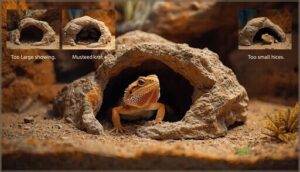
Getting the hide size right isn’t about aesthetics—it’s about survival instinct. Your reptile won’t feel secure in a hide that’s too spacious, and it can’t physically use one that’s too cramped.
Here’s how to nail the fit so your snake or lizard actually uses the refuge you’re providing.
Measuring Your Snake or Reptile
You can’t choose the right hide if you don’t know your snake’s actual size. Grab a soft measuring tape and record body length measurement from snout to tail tip when your animal is fully relaxed—this baseline drives every reptile enclosure design decision.
Weekly snake weight tracking on a digital scale adds precision to your reptile growth monitoring, catching health shifts before they become problems. For best results, learn the differences between to guarantee accurate sizing for every species.
Importance of a Snug Fit
A snug fit isn’t optional—it’s the core of hide size importance and enclosure security. Your snake hides should allow full body contact with interior walls, creating stress reduction through tactile reassurance that mimics wild refuges.
Whether you’re building DIY snake hides or choosing a reptile hide box, snug fit benefits include stable microclimates and reptile comfort that encourages natural coiling, directly lowering cortisol and promoting healthy feeding responses.
Dangers of Oversized or Undersized Hides
Hide size risks create real enclosure hazards. Oversized snake hides trap uneven moisture, fueling mold and thermal stress, while undersized options force partial exposure that triggers reptile anxiety and defensive posturing. Both extremes disrupt thermoregulation, leading to health consequences like impaired shedding and digestion.
Whether you’re working with a reptile hide box or building DIY snake hides, matching body dimensions is non-negotiable for reptile habitat creation and reptile care and maintenance success.
Best Materials for Reptile Hides
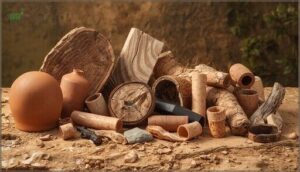
The material you choose for your reptile’s hide affects everything from safety to long-term durability. Some materials hold moisture better for humid hides, while others excel at staying cool or resisting bacterial growth.
Let’s break down the most reliable options and what makes each one worth considering for your setup.
Plastic and Resin Options
You’ll find plastic hides and resin material dominating the beginner landscape—and for good reason. These durable options resist daily wear, tolerate frequent cleaning with reptile-safe disinfectants, and won’t crack under heat lamps.
Many DIY reptile hides start with custom molds using safe resins like polyethylene or ABS. A quality reptile hide box made from aquarium-safe plastic gives your snake refuge without leaching toxins.
Natural Wood and Cork Bark
Wood grain patterns and cork bark benefits make natural texture hide your reptile’s wild refuge. Cork’s honeycomb cells resist mold, while wood’s rough surface offers grip—perfect for reptile hide materials that breathe. Here’s why natural materials dominate DIY reptile hides and decor:
- Cork bark resists rot longer than most woods in humid setups
- Wood hide safety requires untreated, pesticide-free sources
- Suberin layers create water-resistant barriers in cork
- Natural fibers shed minimally when properly cleaned
- Cork durability tests show flex without cracking under heat
Your snake hides deserve this authentic touch in any reptile hide box setup. For more on the sustainability and versatility of cork, explore these cork bark terrarium uses.
Ceramic and Stone Choices
Ceramic and stone materials offer unique benefits when crafting reptile hides. Glazed ceramic excels in moisture resistance, making it ideal for humid environments, while sealed slate provides superior thermal conductivity for basking areas. These materials not only enhance the durability of hides but also bring natural aesthetics to DIY reptile decor.
Here’s a detailed comparison of ceramic and stone for reptile hides:
| Feature | Ceramic | Stone |
|---|---|---|
| Weight | Moderate stability | Heavy, stays put |
| Cleaning | Smooth, easy wipe | Needs sealing first |
| Heat Retention | Consistent warmth | Holds heat longer |
Both materials elevate the design of reptile hides, with ceramic suited for humid setups and stone perfect for desert-themed enclosures. Whether you’re aiming for functionality or aesthetics, these materials provide a strong foundation for your reptile hide ideas.
Aquarium-Safe Materials
When building DIY reptile hides for semi-aquatic setups, you can’t afford guesswork on material safety. PVC without phthalates, non-toxic coatings like aquarium-grade silicone, and food-safe plastics marked BPA-free are your baseline.
Cork bark and sealed driftwood bring eco-friendly, sustainable options to your snake hide materials arsenal.
Glazed ceramic beats porous alternatives—toxic-free glazes prevent chemical leaching. These natural materials transform reptile hide ideas into safe, functional refuges.
Placement of Hides in The Enclosure
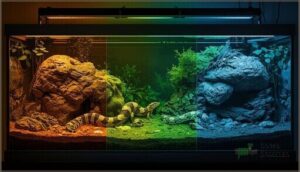
Throwing a hide anywhere in your enclosure is like putting a bed in your bathroom—technically functional, but your reptile won’t use it the way nature intended. Strategic placement directly impacts thermoregulation, stress levels, and whether your snake actually feels secure enough to eat and shed properly.
Here’s how to position hides so your reptile can choose the perfect microclimate without compromise.
Warm Vs. Cool Side Placement
Your reptile enclosure needs a thermal gradient, and hide orientation drives survival. Place one snake hide on the warm side—86–90°F for most species—so your pet can digest without overheating. Position another on the cool side, roughly 10–15°F lower, enabling thermoregulation while staying hidden.
This dual setup lets your snake pick temperature zones based on reptile behavior, not forced exposure—true enclosure layout mastery that fosters natural instincts.
Creating Microclimates
You control microclimate design by stacking substrate deep around one hide—creating cool, damp pockets—while positioning another near your heat lamp for a dry, warm refuge.
Humid hides filled with damp moss boost local humidity control 10–30 percent, perfect for shedding.
This thermal gradient and climate zone diversity gives your reptile real thermoregulation choices, not guesswork.
Reducing Territorial Stress
Beyond thermal gradients, smart hide placement addresses territorial behavior head-on. Position at least two hides on opposite enclosure sides so your reptile doesn’t waste energy defending a single spot. Visual barriers—tall hides, cork pieces—break lines of sight and cut posturing by half.
In group setups, offer one more hide than you have animals; it prevents resource guarding and keeps submissive reptiles from stress-induced hiding binges.
Maintenance and Cleaning Tips
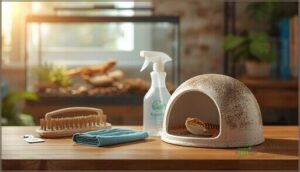
A dirty hide isn’t just gross—it’s a petri dish for trouble. You need to clean your reptile’s hides regularly, inspect them for damage, and know when to toss them out entirely.
Here’s how to keep those hides safe, sanitary, and functional for your scaly friend.
Cleaning Frequency and Methods
Most beginner reptile enclosures demand spot cleaning of snake hides once a day to catch fresh waste before it attracts gnats or smells. Your cleaning schedules should match your reptile’s output and substrate type—dirty hides mean stressed animals.
Here’s a practical breakdown:
- Daily sanitizing: Remove visible poop, urates, or stuck shed from DIY reptile hides with a scoop or paper towel
- Weekly maintenance: Wash all hides with warm water and dish soap, coordinating with water bowl changes
- Monthly deep cleaning: Pull every hide from the reptile enclosure, scrub with reptile-safe disinfectant, replace substrate
- Material-specific methods: Plastic hides tolerate full submersion; cork and wood need hose rinsing and extended drying
- Safe products: Chlorhexidine and F10 veterinary disinfectant offer hide disinfection without harsh fumes that compromise reptile safety
Humid hides for shedding need extra attention—trapped moisture turns them into a petri dish for trouble if you skip weekly checks.
Preventing Mold and Bacteria
With humidity control sitting between 70 and 90 percent, your humid hides need damp—not soaked—sphagnum moss and partial dry-outs between mistings to support mold prevention efforts.
Pair strategic ventilation systems with smooth plastic DIY reptile hides instead of porous wood, add springtails for bioactive sanitation methods, and wipe visible growth with reptile-safe disinfectant—your reptile habitat stays cleaner when airflow meets humidity management.
When to Replace Hides
Even well-maintained snake hides eventually reach their expiration date—usually when visible damage like cracks or sharp edges threatens your pet’s safety. Watch for these clear replacement signals:
- Persistent odor after full disinfection means bacteria have colonized pores
- Hygiene limits hit when stains won’t lift despite proper reptile care and maintenance
- Behavior changes like sudden hide avoidance or restless scratching
- Warped plastic or splintering wood in your DIY reptile hides
- Size triggers when growing reptiles can’t fully coil inside
Replace every one to three years in humid reptile enclosure setups, or immediately when odor control fails despite deep cleaning—your reptile’s health depends on fresh, secure shelter.
DIY Reptile Hide Ideas for Beginners
You don’t need to drop serious cash on commercial hides when you’ve got a toolbox and a little creativity. Building your own hides gives you total control over size, fit, and function—plus, it’s way more satisfying than buying off the rack.
Here are four beginner-friendly DIY approaches that won’t cost you much but will give your reptile exactly what it needs.
Cardboard and Paper-Based Hides
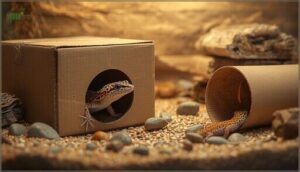
You probably have cardboard boxes sitting in your garage right now—free reptile hide ideas that work surprisingly well for dry setups. Cardboard hide safety depends on low humidity, since constant moisture turns paper into a petri dish for mold.
Trim shipping boxes into snug caves, widen paper towel tubes for small geckos, and replace weekly when soiled. DIY snake hide options don’t get simpler.
Repurposing Plastic Containers
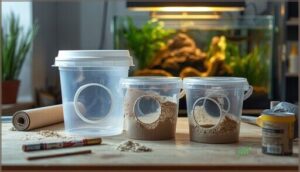
Old margarine tubs and opaque food containers become top-tier DIY reptile hides once you master container conversion. Cut an entry hole just wide enough for your snake’s body, then sand every edge smooth—rough plastic tears scales fast.
- Plastic safety: only repurpose food-grade polypropylene, never chemical containers
- Hide customization: coat outsides with aquarium-safe silicone and sand for grip
- Material selection: thick walls resist warping under heat lamps better than flimsy takeout boxes
Replace worn hides yearly for best reptile enrichment.
Using Natural Elements Safely

Driftwood and river rocks make stunning Snake Hides—but only if you sterilize them first. Bake branches at 250°F for two hours or soak rocks in diluted bleach, then rinse for 48 hours straight.
Skip cedar, pine, and walnut; their oils wreck respiratory systems. For Leaf Litter Prep, boil oak leaves 15 minutes to kill hitchhiking parasites.
Wild Contamination from untreated natural materials turns your vivarium into a petri dish for trouble.
Customizing for Enclosure Size
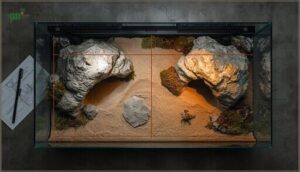
Your DIY Reptile Hides must shrink or expand with your Reptile Enclosure—a 40-gallon tank needs two medium Snake Hides instead of one cave hogging 60% of the floor. Sketch your Terrarium Setup from above before cutting anything.
Space Optimization means leaving 30–40% open for feeding lanes, and Custom Fits along the long wall keep basking spots clear while nailing Enclosure Scaling and Hide Placement for real Reptile Comfort.
Hides for Arboreal Vs. Terrestrial Species
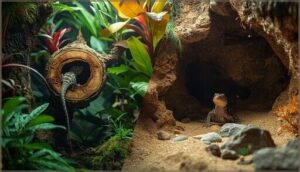
Your reptile’s lifestyle dictates its hide strategy—arboreal species need elevated refuges that mirror tree hollows, while terrestrial reptiles require ground-level caves that replicate burrows and rock crevices.
Forcing a tree-dwelling gecko into a floor hide is like asking you to sleep in your basement when you’ve got a perfectly good bedroom upstairs. Let’s break down what each lifestyle demands so you can stop guessing and start building the right sanctuary.
Arboreal Hide Designs
Tree-dwelling species demand vertical placement—mount elevated refuges at least halfway up the enclosure where your gecko or snake naturally rests. Cork tree bark hides and branching tunnels work brilliantly because they’re lightweight yet secure when bolted through walls or clipped to climbing structures. Position one hide near the warm zone, another cooler, so your animal controls its microclimate without risking a fall.
| Feature | Best Material | Mounting Method |
|---|---|---|
| Lightweight | Cork bark, resin | Bolts or magnets |
| Natural grip | Textured cork tube | Branch integration |
| Ventilation | Breathable cork | Wall-mounted bracket |
Terrestrial Hide Requirements
Ground-dwelling species flip the script—your terrestrial hide sits flat on substrate, not mounted high. Entrances stay at floor level so your corn snake or leopard gecko walks straight in without awkward climbing. Choose dense materials like resin or ceramic that anchor firmly on loose bedding, preventing tip-overs when your animal burrows alongside. Position one over your heat source, another on the cool end, creating thermal gradients your reptile controls independently.
| Substrate Type | Humidity Control | Best For |
|---|---|---|
| Orchid bark | High moisture hold | Tropical species |
| Aspen shavings | Low-medium humidity | Desert morphs |
| Paper towels | Minimal retention | Medical quarantine |
| Coconut fiber | Moderate-high | Burrowing snakes |
Adapting Hides for Snake Species
Body shape drives every hide choice you make. Ball pythons with stocky frames need wide, low caves that fit a tight coil, while slender corn snakes squeeze into narrow tubes or hollow logs.
Arboreal green tree pythons use elevated PVC or bamboo sections secured to branches, letting them wrap around the hide’s exterior. Semi-fossorial species? Bury tunnel-style snake hides under several inches of loose substrate so they burrow horizontally while staying covered.
| Snake Type | Ideal Hide Design |
|---|---|
| Ball python | Wide floor cave, low profile |
| Corn snake | Narrow tube or cork round |
| Green tree python | Elevated bamboo section |
| Hognose snake | Buried tunnel hide |
Temperature and Humidity Considerations
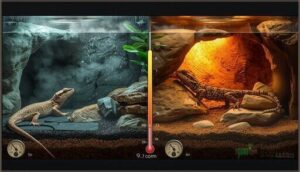
Your hide isn’t just a shelter—it’s a climate control system that can make or break your reptile’s health. Getting the temperature and humidity zones right inside each hide directly impacts shedding success, respiratory function, and overall stress levels.
Let’s break down how to position and modify hides so your reptile can actually use them the way nature intended.
Humid Hides for Shedding
A humid hide is your secret weapon during the shedding process—it keeps humidity between 70 and 90 percent so your snake can slip out of old skin in one clean piece.
Here’s how to nail humid hide design:
- Pack it with damp sphagnum moss for consistent moisture retention without waterlogging
- Position it partly on your heat mat so your reptile chooses warmer or cooler humidity zones
- Check substrate moisture every few days during blue phase to prevent drying out
- Use a small plastic tub with one entrance to trap humidity and boost skin health
- Re-mist when your snake goes dull to support natural snake behavior and reptile hygiene
This setup in your reptile enclosure beats DIY reptile hides that can’t hold stable humidity control.
Ventilation for Health
Without proper airflow management, your hide becomes a petri dish for trouble—stale air traps ammonia from waste and moisture, irritating respiratory tissues and inviting mold.
Aim for gentle ventilation systems with small holes or gaps that move air through the reptile enclosure without creating drafts. This simple tweak in reptile care and maintenance protects respiratory care while supporting humidity control and healthy microclimate creation for better thermoregulation.
Positioning for Thermal Gradients
Between your heat source and the cool end, hides become strategic thermoregulation stations—not random decorations.
Position one hide over the basking zone where temperatures hit 88 to 95°F, another at the cool side around 75 to 82°F. Use digital probes at substrate level inside each hide to map your gradient accurately, creating distinct microclimates that let your reptile fine-tune body temperature through deliberate hide placement and movement.
Top 9 Reptile Hides for Beginners
You’ve got the theory down—now let’s talk gear. The right hide can make or break your reptile’s comfort, so I’ve rounded up nine beginner-friendly options that actually deliver on security, fit, and functionality.
Each one brings something different to the table, whether you need natural aesthetics, humidity control, or just a rock-solid starter hide.
1. Hollima Mossy Cave Hide for Reptiles
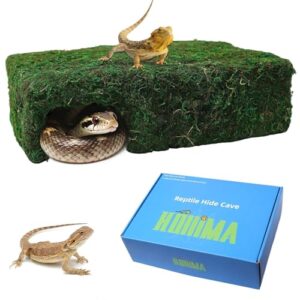
This compact moss-covered cave delivers a humidity-holding microclimate that leopard geckos and small snakes actually use during shedding. At 10.87 x 7.72 x 3.39 inches, it fits medium reptiles without wasting enclosure space.
The natural moss exterior blends into forest-style terrariums, while the smooth interior prevents substrate buildup. You’ll notice minimal moss shedding initially—just brush loose fibers before placement. The 3-inch opening works for geckos and hatchlings but won’t accommodate bulkier adults, so measure your animal first.
| Best For | Leopard geckos, small snakes, and young reptiles that need a humid hide for shedding and stress reduction in forest-themed setups. |
|---|---|
| Material | Natural moss and metal |
| Dimensions | 10.87 x 7.72 x 3.39 |
| Weight | 10.5 ounces |
| Suitable Species | Snakes, lizards, geckos, hamsters |
| Ease of Cleaning | Moderate |
| Primary Function | Hideout and shelter |
| Additional Features |
|
- Natural moss holds humidity well, creating a micro-climate perfect for healthy shedding
- Compact size fits most terrariums without taking up too much space
- Blends into naturalistic enclosures and provides a secure hiding spot that reptiles actually use
- Moss sheds initially and fake moss pieces may fall off over time
- 3-inch opening is too small for larger adult reptiles
- Requires prep work to remove loose particles before first use
2. Leoterra Reptile Hide Cave
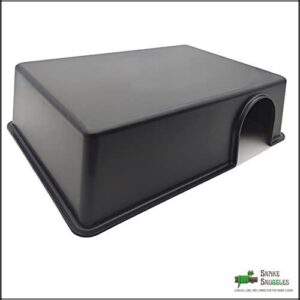
This low-profile plastic cave gives medium to large snakes the squeeze they’re wired to seek. At 16.5 x 10.6 x 4.3 inches, the Leoterra hide fits adult corns, kings, and ball pythons up to six feet while keeping them tucked against the ceiling—exactly how terrestrial species thermoregulate.
The solid resin won’t crack under weight or absorb humidity, and the single entrance blocks enough light to trigger hiding behavior. You can scrub it with reptile-safe disinfectant and return it within minutes. The neutral rock finish disappears into any setup without looking cheap.
| Best For | Owners of medium to large snakes (like ball pythons, corn snakes, or king snakes) who need a sturdy, low-profile hide that encourages natural thermoregulation and feels secure. |
|---|---|
| Material | Plastic |
| Dimensions | 10.23 x 7.48 x 2.75 |
| Weight | 145 grams |
| Suitable Species | Small to medium snakes, lizards, geckos |
| Ease of Cleaning | Easy |
| Primary Function | Humid hide and shelter |
| Additional Features |
|
- Durable plastic construction that won’t crack, absorb moisture, or retain odors—easy to disinfect and reuse quickly
- Low ceiling design mimics natural tight spaces, which helps snakes feel secure and supports proper thermoregulation
- Fits adult snakes up to six feet while maintaining the snug environment terrestrial species prefer
- May be too large for smaller snakes or juveniles who need tighter hides to feel safe
- Lightweight design might require adding weight to prevent larger snakes from shifting it around the enclosure
- Single entrance limits flexibility compared to hides with multiple entry points
3. INOSCIND Snake Hide Box
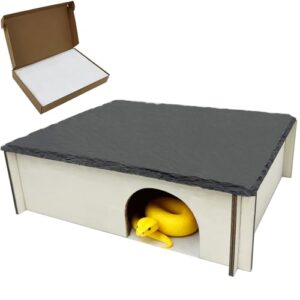
This BPA-free plastic box gives shy snakes the tight squeeze they’ll actually use. At 12–14 inches long and 5–6 inches tall, the INOSCIND fits mid-sized corns and kings without forcing them to stay exposed.
The rounded entry prevents snout rubbing, and the vented lid keeps airflow moving while blocking light. You can toss it in the dishwasher or scrub it with reptile cleaner—integrated drain holes stop water from pooling. Drop it on either side of your gradient for instant thermoregulation.
| Best For | Ball python owners looking for a natural-looking combo hide that doubles as a basking spot without taking up too much tank space. |
|---|---|
| Material | Wood and stone |
| Dimensions | 9.8 x 7.9 x 3 |
| Weight | 1.7 pounds |
| Suitable Species | Ball pythons |
| Ease of Cleaning | Easy |
| Primary Function | Basking and hiding |
| Additional Features |
|
- Slate top retains heat well and creates a humid microclimate underneath for shedding
- Natural stone and wood blend into bioactive or naturalistic setups better than plastic
- Dual-purpose design works as both a hiding spot and elevated basking platform
- Wood base can warp or grow mold in high-humidity enclosures over time
- At 1.7 pounds, the slate top can shift or tip if your snake pushes against it
- Assembly quality varies—some units arrive with loose joints or flimsy wood panels
4. Reptile Humid Hide with Sensor
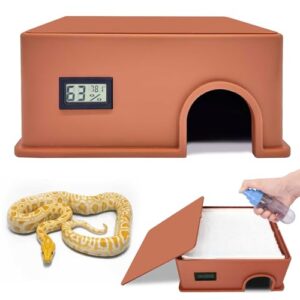
This 9.8 × 7.87 × 4.1-inch cave reads humidity and temperature from inside the hide—not halfway across your tank where it doesn’t matter. You’ll spray the absorbent cotton through the top vent, watch the built-in sensor climb to shedding range, and skip the guesswork that leaves stuck eyecaps on your gecko.
The PLA body wipes clean without holding odor, and the 2.36-inch entrance fits juvenile ball pythons, corn snakes, and milk snakes that need a humid retreat without soaking your entire enclosure.
| Best For | Keepers of small to medium snakes and geckos who want to monitor humidity exactly where their pet sheds instead of relying on ambient tank readings. |
|---|---|
| Material | PLA |
| Dimensions | 9.8 x 7.87 x 4.1 |
| Weight | 0.63 kilograms |
| Suitable Species | Corn snakes, milk snakes, king snakes |
| Ease of Cleaning | Easy |
| Primary Function | Humid hide for shedding |
| Additional Features |
|
- Built-in sensor shows real-time humidity and temperature inside the hide, so you know exactly what your reptile is experiencing during shed cycles
- Top vent and spray bottle system let you adjust moisture without disturbing your animal or flooding the enclosure
- PLA material wipes down easily and doesn’t trap smells like wood or fabric hides
- The 2.36-inch entrance is too tight for adult ball pythons or larger species
- A few buyers received units with missing or non-functional humidity gauges
- Price runs higher than basic plastic hides that don’t include monitoring features
5. Leoterra Large Snake Hide

When your adult ball python or king snake outgrows juvenile hides, this 13 × 8.66 × 3.15-inch shelter gives them room to coil without feeling exposed.
The top seal design traps humidity for shedding cycles, while rounded edges prevent scale damage when your snake squeezes in after feeding. You’ll clean the odor-resistant plastic with soap between sheds, and the flat base won’t wobble on coconut fiber or aspen. Measure your snake’s girth—the entrance should brush both sides when they enter.
| Best For | Owners of medium-sized snakes like adult corn snakes, king snakes, or ball pythons who want a roomy, secure hide that helps with humidity control. |
|---|---|
| Material | Plastic |
| Dimensions | 13 x 8.66 x 3.15 |
| Weight | 8.8 ounces |
| Suitable Species | Corn snakes, ball pythons |
| Ease of Cleaning | Easy |
| Primary Function | Hideout and shelter |
| Additional Features |
|
- Easy to clean and keeps odors down
- Rounded edges protect your pet from scrapes
- Holds heat and humidity well for shedding
- Might be too large or too small for some snake breeds
- Can be pricey for a plastic hide
- May need extra weight to keep determined snakes from moving it
6. Reptile Hideout Cave Shelter
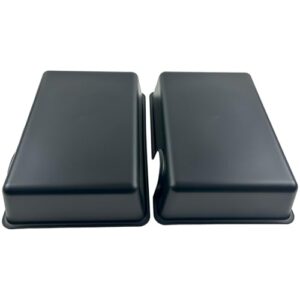
If your snake prefers a hideout that feels like a secret lair, the Reptile Hideout Cave Shelter nails it. Its rock-textured resin blends perfectly with natural substrate, and the dark entrance gives your reptile full privacy—think “fortress of solitude.”
Smooth edges mean claws and scales stay safe during frantic retreats. At just under half a pound, it’s easy to lift for cleaning, and won’t shed fibers into your tank. Place one on each side for stress-free thermoregulation and territory peace.
| Best For | Small to medium reptiles like juvenile snakes, geckos, and tortoises who need a cozy, secure hideout in their enclosure. |
|---|---|
| Material | Non-toxic resin |
| Dimensions | 9.5 x 6.7 x 2.2 |
| Weight | 0.4 lbs |
| Suitable Species | Ball pythons, bearded dragons, geckos |
| Ease of Cleaning | Easy |
| Primary Function | Humid hide and shelter |
| Additional Features |
|
- Smooth, safe edges and non-toxic resin for worry-free use
- Natural rock look blends well with terrarium setups
- Easy to clean and fits most cage sizes
- May be too small for adult ball pythons or larger reptiles
- Some users found the sizing smaller than expected
- Requires careful measurement to ensure a good fit
7. Hoeine Reptile Hide Log
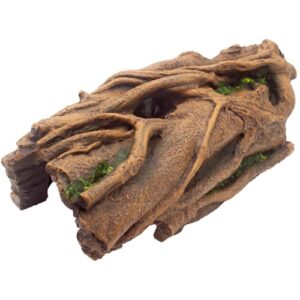
If privacy is power, the Hoeine Reptile Hide Log hands your snake the keys. This hollow log, with its natural bark texture and smooth interior, lets your pet coil up snugly—no sharp edges, no stress. Molded plastic means easy cleaning and zero moisture drama.
You get a sturdy hide that fits most tanks (think 12–14 inches long), offering both grip for climbing and a dark chamber for security. Place it near the heat source to create a cozy microclimate for digestion and shedding.
| Best For | Reptile and amphibian owners who want a spacious, natural-looking hide that works for a variety of species and tank setups. |
|---|---|
| Material | Resin |
| Dimensions | 14 x 5.1 x 5 |
| Weight | 1.9 pounds |
| Suitable Species | Bearded dragons, ball pythons, corn snakes |
| Ease of Cleaning | Moderate |
| Primary Function | Basking platform and hideout |
| Additional Features |
|
- Realistic design blends into habitats and reduces pet stress
- Easy to clean and safe for both terrestrial and aquatic environments
- Allows for effortless pet observation without disturbing them
- Too large for tanks under 20 gallons
- Not as heavy or tall as some users expect
- May not fit very small reptiles or amphibians
8. USMOLA Mossy Cave Hideout
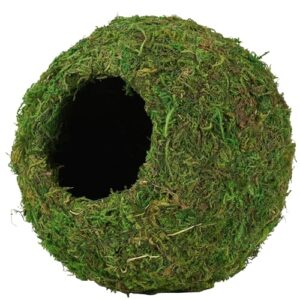
Ready to upgrade from bark to something bolder? The USMOLA Mossy Cave Hideout packs natural moss aesthetics with the grit of reinforced resin. It’s sturdy—about 20 cm tall, 1.2 kg—so it won’t tip or crack.
You get a multi-level interior, removable top for easy cleaning, and a humid microclimate perfect for shedding. Rounded edges mean no injuries, and its woodland green finish blends right in. If you want a hide that’s both functional and visually striking, this cave’s got your back.
| Best For | Pet owners with small reptiles or amphibians looking for a cozy, natural-looking hideout that blends into terrarium setups. |
|---|---|
| Material | Natural moss |
| Dimensions | 4 x 4 x 4 |
| Weight | 0.16 kilograms |
| Suitable Species | Snakes, lizards, geckos |
| Ease of Cleaning | Difficult |
| Primary Function | Hideout and shelter |
| Additional Features |
|
- Creates a comfortable and secure burrowing spot for pets
- Enhances terrarium aesthetics with real moss and woodland green color
- Works for both indoor and outdoor habitats
- Too small for larger reptiles like adult leopard geckos or ball pythons
- Moss may fall apart or degrade over time
- Cleaning can be tricky, especially when soiled
9. Snake Hide And Basking Tree Roots Cave
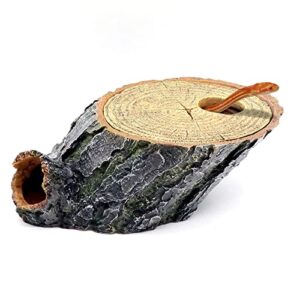
Roots—nature’s blueprint for security. The Snake Hide And Basking Tree Roots Cave nails it with a hollowed trunk design that fits small to mid-sized snakes up to 4 feet. You get dual entrances, a removable top, and a snug, cave-like cavity that encourages coiling and heat retention.
Resin construction means durability and easy cleaning, but check for thin or sharp edges before use. Place it near the warm side for a stable microclimate, and watch your reptile’s stress melt away.
| Best For | Small to mid-sized snakes, geckos, and amphibians needing a secure hide and basking spot in natural-looking terrariums. |
|---|---|
| Material | Resin |
| Dimensions | 7.87 x 4.7 x 3 |
| Weight | 0.3 kilograms |
| Suitable Species | Snakes, geckos, turtles |
| Ease of Cleaning | Moderate |
| Primary Function | Hiding and basking |
| Additional Features |
|
- Realistic tree trunk design adds style and comfort to enclosures
- Dual entrances and removable top make it easy to access and clean
- Smooth surfaces help reptiles shed skin and feel safe
- Some units may arrive damaged or have sharp inner edges
- Not suitable for very large reptiles or turtles with climbing issues
- Needs soaking before use and regular cleaning to stay safe
Customizing Hides for Your Reptile
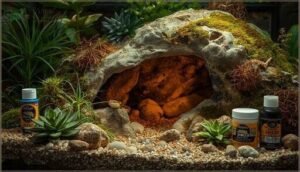
Ready to make your snake’s hideout stand out? Get creative—there’s more to a good hide than just a dark box.
Here’s how you can match safety, style, and your reptile’s natural instincts with a few simple upgrades.
Personalizing With Décor
Why settle for a bland box when you could turn any hide into the showpiece of your reptile habitat design? Use Themed Backdrops, Visual Barriers from clustered plants, and smart Texture Variety—like smooth rocks or moss.
DIY reptile hides and Terrarium Decoration aren’t just crafts—they’re Enrichment Options. Color Schemes can tie it all together, fueling your next DIY Pet Projects.
Ensuring Accessibility and Safety
Before you admire any DIY reptile hides or snake hide ideas, check Entrance Safety—rounded edges prevent reptile injury when your animal slips in and out. Secure Placement means stable bases that won’t tip mid-thermoregulation.
Access Design should allow quick monitoring without startling, while Hide Ventilation keeps airflow steady in your reptile enclosure, sidestepping mold and stale air traps.
Matching Hide Styles to Natural Habitats
Matching your hide to your reptile’s wild home isn’t decoration—it’s behavioral medicine. Desert species thrive when stone-effect hides copy arid ledges, while forest dwellers need cork bark mimicking rotting logs.
- Desert Landscapes: Low rock-style hides with light resin for leopard geckos.
- Tropical Enclaves: Cork rounds with moss lining for humid-loving species.
- Arboreal Retreats: Elevated tube hides among branches for tree geckos.
- Burrowing Tunnels: Bottomless caves over deep substrate for sand boas.
- Semi Aquatic Sanctuaries: Driftwood-style hides near water platforms.
Natural materials in DIY reptile hides strengthen that habitat link.
Frequently Asked Questions (FAQs)
What is the easiest reptile for beginners?
You might assume easy means boring, but leopard geckos prove otherwise—they stay around 8–10 inches, eat crickets or mealworms twice weekly, and thrive in a simple 20-gallon setup with minimal fuss.
What kind of hides do bearded dragons like?
Bearded dragons gravitate toward low hides made from solid plastic, cork bark, or flat stone. They prefer snug shelters on both warm and cool sides—prioritizing grip and security, and easy thermoregulation over climbing or vertical designs.
Can multiple reptiles share one hide safely?
Short answer: no. Most reptiles are solitary, and sharing a single hide creates stress factors, territorial conflict, and coexistence risks.
Species compatibility is rare, and even communal snakes need multiple reptile hides—never forced sharing.
How many hides does a single reptile need?
You need at least two hides—one warm, one cool—so your reptile can thermoregulate without sacrificing security. Leopard geckos thrive with three: add a humid hide for shedding.
Do nocturnal reptiles need different hide types?
Yes—nocturnal reptiles depend on fully opaque, light-blocking hides with tight entrances to mimic burrows.
They need secure refuge on warm and cool sides so they can thermoregulate while staying hidden during daylight hours.
Should hides have transparent or opaque walls?
Ever wonder why your snake ignores that clear plastic hide? Opaque walls block visual exposure, slashing reptile stress by mimicking natural refuges—transparent options rarely provide the animal comfort shy species need for secure snake hiding spots.
What signs indicate your reptile dislikes its hide?
Watch for stress signals—these reveal your reptile finds its hide too bright, poorly positioned, or uncomfortably sized, such as glass surfing, refusing to enter the hide, sleeping in exposed corners, or constant pacing.
These behaviors indicate that your reptile is experiencing discomfort in its environment.
Conclusion
Your reptile won’t forgive shortcuts—it’ll just stop eating and hide in plain sight until you fix the problem.
Nailing reptile hides for beginners means measuring twice, sanitizing weekly, and creating thermal zones your animal actually uses. Skip the guesswork: install properly sized retreats on both temperature gradients, monitor humidity in shedding hides, and replace porous materials before they become bacterial breeding grounds.
Your snake’s next shed and feeding response will confirm you’ve done this right.
- https://qqmamibet.com/
- https://reptifiles.com/ball-python-care-guide/ball-python-humidity-temperatures/
- https://www.aussiepythons.com/threads/placing-the-heat-pad.162411/
- https://www.thebiodude.com/blogs/reptile-and-amphibian-lighting-faqs-and-help/how-to-place-thermometer-and-hygrometer-probes
- https://www.reptiles.swelluk.com/help-guides/a-complete-guide-to-bearded-dragon-temperature-and-heating/