
This site is supported by our readers. We may earn a commission, at no cost to you, if you purchase through links.
Your leopard gecko’s skeleton contains more calcium than its entire prey item provides in a week—which means you’re already fighting metabolic bone disease before you notice the first tremor. Carnivorous reptiles evolved to extract micronutrients from whole carcasses, complete with organ tissue, marrow, and skeletal calcium, but captive feeder insects deliver a fraction of that nutritional density.
Without strategic supplementation, even well-fed predators develop vitamin A deficiencies that manifest as swollen eyelids and immune collapse, or calcium-phosphorus imbalances that soften bones until limbs bow under the animal’s own weight.
The eight reptile vitamins for carnivorous reptiles reviewed here address these gaps through targeted formulations—some delivering preformed retinol, others substituting beta carotene to prevent hypervitaminosis A, and several combining cholecalciferol with calcium to prevent the skeletal deformities that claim thousands of captive reptiles annually.
Table Of Contents
- Key Takeaways
- Essential Vitamins for Carnivorous Reptiles
- Calcium and Phosphorus Balance
- Role of Vitamin D3 and UVB Lighting
- Choosing The Right Vitamin Supplements
- Safe Supplementation Practices
- Dusting and Gut Loading Techniques
- Top 8 Reptile Vitamin Supplements Reviewed
- 1. Zoo Med Reptile Vitamins Supplement
- 2. Herptivite Reptile Multivitamin Supplement
- 3. Zilla Reptile Vitamin Supplement Spray
- 4. Exo Terra Reptile Multivitamin Powder
- 5. Fluker’s Reptile Vitamin Supplement
- 6. Fluker’s Reptile Calcium Supplement
- 7. Exo Terra Reptile Vitamin Powder Supplement
- 8. Gargeer Reptile Probiotic Supplement
- Preventing Nutritional Deficiencies
- Vitamin A: Preformed Vs. Beta Carotene
- Integrating Supplements Into Daily Care
- Frequently Asked Questions (FAQs)
- What vitamins do carnivores need?
- How to get vitamin A to leopard gecko?
- What vitamin supplements do bearded dragons need?
- Is too much Vitamin D3 bad for bearded dragons?
- Can carnivorous reptiles overdose on vitamin K?
- Do carnivorous reptiles need vitamin C supplements?
- How does temperature affect vitamin absorption rates?
- Should supplements change during brumation or hibernation?
- Are there differences between reptile and amphibian vitamins?
- Conclusion
Key Takeaways
- Carnivorous reptiles require targeted supplementation because captive feeder insects and prey items deliver only a fraction of the calcium, vitamin D3, and vitamin A found in wild whole-prey diets, making metabolic bone disease and immune deficiencies inevitable without intervention.
- The 2:1 calcium-to-phosphorus ratio stands as the clinical standard for preventing skeletal collapse, and you must combine this with either adequate UVB exposure for endogenous vitamin D3 synthesis or dietary cholecalciferol supplementation to enable intestinal calcium absorption.
- Beta carotene-based vitamin A supplements eliminate hypervitaminosis A toxicity risks that preformed retinol carries, since reptiles convert provitamin A only as needed rather than accumulating excess retinol in hepatic tissues.
- Supplementation protocols must scale with life stage—hatchlings need calcium with D3 at nearly every feeding during rapid skeletal growth, while adults require dosing only once or twice weekly to prevent chronic vitamin toxicity and soft tissue calcification.
Essential Vitamins for Carnivorous Reptiles
Your carnivorous reptile’s nutritional needs extend far beyond simple protein and calcium—they require a precise balance of fat-soluble and water-soluble vitamins to maintain metabolic function, tissue integrity, and immune competence. Without adequate vitamin supplementation (particularly vitamins A, D3, E, and the B-complex group), you’ll see degradation in epithelial health, compromised calcium metabolism, oxidative cellular damage, and metabolic inefficiency that compounds over time.
Young reptiles have especially high vitamin demands during rapid growth phases, which is why choosing age-appropriate reptile vitamins can make the difference between thriving development and lifelong deficiencies.
Here’s what each essential vitamin does for your carnivorous reptile’s physiology.
Vitamin a for Immune and Skin Health
Vitamin A maintains your carnivorous reptile’s epithelial tissues—the protective barriers lining respiratory tracts, oral cavities, and integument—while supporting immune defenses against bacterial and viral pathogens.
Deficiency leads to squamous metaplasia, periocular edema, and recurrent respiratory infections, particularly in semi-aquatic turtles fed unbalanced meat-only diets.
Conversely, chronic hypervitaminosis A from excessive preformed retinol supplementation causes hepatotoxicity and abnormal keratinization, underscoring the critical need for precise nutrient balance in reptile vitamin supplements. For more on deficiency signs, see these Vitamin A deficiency symptoms.
Vitamin D3 for Calcium Absorption
While preformed retinol safeguards immune defenses, calcium metabolism demands Vitamin D3—the secosteroid that upregulates calbindin synthesis in your reptile’s intestinal mucosa, enabling efficient nutrient absorption from vertebrate prey.
Without adequate UVB exposure or dietary cholecalciferol supplementation, bone mineralization falters, precipitating Metabolic Bone Disease through these four interconnected mechanisms:
- Reduced calcium transport proteins in the gut wall
- Impaired mineralization of newly formed osteoid matrix
- Disrupted calcium-to-phosphorus homeostasis in skeletal tissues
- Decreased bone density predisposing to pathologic fractures
Proper UVB lighting remains non-negotiable for basking species dependent on endogenous cholecalciferol synthesis.
For a deeper understanding of Vitamin D3 and reptile health, consult up-to-date herpetological guidelines.
Vitamin E and Antioxidant Support
Cell membranes in your carnivore’s tissues depend on tocopherol, a fat-soluble antioxidant that neutralizes free radicals formed during lipid peroxidation, particularly when feeding polyunsaturated-rich fish or fatty rodents.
Without adequate Vitamin E, oxidative stress damages muscle fibers, erythrocyte membranes, and hepatocytes, manifesting as nutritional myopathy, impaired immune responses, and reduced resilience during illness or environmental stressors.
Deficiencies that reptile vitamin supplements prevent when applied correctly.
B Vitamins for Metabolism
Beyond antioxidant protection, your carnivore depends on B-complex vitamins to extract energy from prey tissues, maintain neurological function, and synthesize blood cells. Thiamine (B1), riboflavin (B2), niacin (B3), pyridoxine (B6), and cobalamin (B12) support metabolic pathways that convert proteins and fats into usable ATP.
Here are some key roles of these vitamins:
- Thiamine benefits include breaking down carbohydrates and supporting nerve transmission, yet frozen fish with thiaminase enzymes destroy B1 before absorption.
- Riboflavin needs rise during growth because mitochondrial energy production demands adequate B2 to fuel muscle contraction and tissue repair.
- Niacin role centers on mobilizing dietary fats for energy, with whole prey supplying more B3 than lean muscle alone, preventing sluggish digestion in monitors and tegus.
Calcium and Phosphorus Balance
Maintaining the correct calcium-to-phosphorus ratio in your carnivorous reptile’s diet isn’t just good practice—it’s the difference between healthy skeletal development and life-threatening metabolic collapse. The clinical standard of 2:1 (calcium to phosphorus) prevents the cascade of physiological failures that define metabolic bone disease, a condition affecting approximately 70% of captive reptiles with nutritional deficiencies.
The 2:1 calcium-to-phosphorus ratio stands between skeletal health and metabolic collapse in carnivorous reptiles
Understanding where these minerals come from in your reptile’s diet, and how to supplement them correctly, gives you the control needed to prevent devastating skeletal deformities.
Importance of 2:1 Ratio
You need approximately twice as much calcium as phosphorus in your carnivorous reptile’s diet to support proper bone mineralization, stable nerve function, and reliable heart health. This 2:1 calcium to phosphorus ratio ensures that dietary phosphorus doesn’t block calcium absorption in the gut, which keeps blood calcium steady and prevents your reptile from pulling minerals from its skeleton to balance daily metabolism.
Preventing Metabolic Bone Disease
Metabolic bone disease develops when insufficient calcium, inadequate vitamin D3, or poor UVB lighting disrupts bone health in carnivorous reptiles, often producing a weakened jaw, curved limbs, or lethargy despite dietary variety.
You prevent this condition by maintaining nutrient balance through proper supplement timing, providing a 2:1 calcium to phosphorus ratio, and ensuring environmental factors like temperature gradients and UVB exposure support consistent calcium absorption and reptile nutrition.
Sources of Calcium and Phosphorus
Whole prey items like adult mice deliver calcium through intact bones, while muscle meat and organ tissue contribute significant phosphorus that can skew dietary ratios toward deficiency if left unchecked.
You achieve mineral balance by rotating bone-in feeders, dusting low-calcium prey such as pinkie mice with powdered supplements, and monitoring calcium to phosphorus ratios to safeguard bone health and prevent metabolic bone disease in your carnivorous reptiles.
Role of Vitamin D3 and UVB Lighting

Vitamin D3 stands as a cornerstone of calcium metabolism in carnivorous reptiles, functioning as the biological catalyst that enables intestinal calcium absorption and maintains skeletal integrity through precise regulation of serum calcium and phosphorus concentrations.
You can provide this essential nutrient through two distinct pathways: endogenous synthesis via UVB irradiation of 7-dehydrocholesterol in the skin, or exogenous supplementation through dietary vitamin D3 (cholecalciferol) in commercial formulations and whole prey items.
Understanding the interplay between these delivery methods, recognizing deficiency manifestations (including fibrous osteodystrophy and pathological fractures), and identifying hypervitaminosis D3 symptoms (such as metastatic calcification of soft tissues) will equip you to design evidence-based supplementation protocols customized to your species’ photoperiodic behavior and dietary intake patterns.
UVB Exposure Vs. Dietary D3
Your reptile’s skin functions as a living vitamin D3 factory when UVB lighting strikes the outer layers, converting 7-dehydrocholesterol to previtamin D3 through reptile photosynthesis, which heat then transforms into active vitamin D3 for calcium metabolism.
This skin synthesis offers built-in vitamin D3 regulation because excess UVB shifts molecules into inactive forms, preventing D3 overload—a safeguard oral supplements bypass entirely.
Risks of Vitamin D3 Deficiency
Without enough Vitamin D3, your carnivorous reptile’s bones lose mineral density fast, triggering metabolic bone disease—a condition marked by skeletal issues like curved spines, bowed legs, and rubbery jaws.
Poor calcium absorption causes nutrient imbalance, leading to tremors, fractures from routine handling, and in severe cases, reptile mortality.
Juveniles face permanent bone deformities, while breeding females risk egg binding and reproductive collapse.
Signs of Vitamin D3 Excess
Overdosing Vitamin D3 flips bone health on its head—instead of strengthening your reptile, excess D3 drives hypercalcemia symptoms and soft tissue calcification, depositing calcium in kidneys, heart, and blood vessels rather than bone.
Watch for these reptile kidney damage warning signs:
- Lethargy and appetite loss appearing within days
- Increased thirst or unusual drinking behavior
- Weight loss despite regular feeding
- Sunken eyes and tacky gums from dehydration
Vitamin D3 toxicity demands immediate intervention.
Choosing The Right Vitamin Supplements
Selecting the appropriate vitamin supplement for your carnivorous reptile requires careful consideration of formulation type and your species’ specific metabolic requirements, as mismatched products can result in nutritional imbalances or toxicity. Powder-based supplements offer precise dosing control when dusted onto feeder insects or whole prey items, while liquid formulations provide alternative administration routes for specimens that won’t accept dusted food items.
The following sections examine critical factors you’ll need to evaluate before committing to a supplementation protocol for your collection.
Powder Vs. Liquid Formulations
You’ll encounter two primary forms of reptile vitamin supplements: calcium powder dusted onto feeder insects and liquid drops injected into thawed prey. Each administration method offers distinct advantages in bioavailability comparison and dosing accuracy.
Powdered reptile dietary supplements store for months without refrigeration and allow simultaneous treatment of multiple prey items, whereas liquid formulations provide calibrated milliliter dosing through measured droppers, reducing the risk of under-supplementation when powder falls off live insects before ingestion.
Supplement stability and reptile preference often determine which form you’ll incorporate into your feeding protocol, particularly when carnivorous species refuse heavily dusted prey items but accept those treated with transparent liquid vitamins.
| Factor | Powder Supplements | Liquid Supplements |
|---|---|---|
| Dosing Accuracy | Approximate (“light dusting”); powder may fall off prey during movement | Precise measurement via dropper or cap (milliliters/drops per body weight) |
| Application Method | Shake insects or meat in cup; adheres best to moist surfaces | Inject into thawed prey or drip onto meat; can mix into slurry |
| Stability & Storage | Stable for months in sealed tubs; no refrigeration needed if cool and dry | Requires tight seal; sensitive to heat and light; may need refrigeration |
| Bioavailability | Often calcium carbonate (effective but lower bioavailability); fine particles dissolve quickly in stomach fluids | Dissolved minerals/vitamins ready for absorption; some use oils to boost fat-soluble vitamin uptake |
| Safety & Convenience | Harder to over-concentrate; suitable for routine use across multiple reptiles; some species refuse heavily dusted prey | Risk of over-dosing with concentrated drops; ideal for targeted support or single underweight animals; often accepted by reluctant feeders |
Species-specific Supplement Needs
After selecting your preferred formulation, you must match supplement composition to your animal’s metabolic blueprint, because carnivorous reptile dietary needs and nutrient balance requirements diverge dramatically across taxa.
Leopard geckos consuming primarily insects demand optimal calcium-to-phosphorus ratios (2:1) with consistent vitamin D3, whereas snakes receiving varied whole prey (mice, rats, chicks) often require minimal or zero additional reptile vitamin supplements unless dietary variations restrict micronutrient intake.
Safe Supplementation Practices
Getting the dosage right isn’t just about following label instructions—it’s about understanding your reptile’s specific dietary intake, metabolism, and life stage. Oversupplementation can trigger hypervitaminosis A, hypercalcemia, or metastatic calcification of soft tissues, while undersupplementation leaves your carnivorous reptile vulnerable to metabolic bone disease and immunodeficiency.
Here’s how you’ll calibrate supplementation protocols to maintain ideal nutrient levels without crossing into toxicity thresholds.
Correct Dosing and Frequency
You’ll need to base dosing guidelines on your reptile’s body weight, not arbitrary amounts, to avoid both deficiencies and toxicity risks. Species-specific dosing matters—injectable vitamin A, for example, requires 5,000 IU/kg intramuscularly as a single treatment in administration methods for chelonians.
Dust feeder insects with vitamin D3 and calcium supplements two to three times weekly, maintaining nutrient ratios between 1:1 and 2:1 (calcium to phosphorus) to prevent metabolic bone disease.
Monitoring for Vitamin Toxicity
After establishing correct dosing and frequency guidelines, you must remain vigilant for toxicity symptoms that signal vitamin overload compromising reptile health. Early detection of vitamin toxicity preserves nutrient balance and prevents irreversible organ damage in your carnivorous reptiles.
Monitor these clinical warning signs to guarantee toxicity prevention:
- Reduced appetite or complete feeding refusal persisting beyond three consecutive days
- Lethargy during normal activity periods despite ideal enclosure temperature and humidity
- Swelling of limbs or mandible indicating vitamin D3-induced metastatic calcification
- Dry, scaly integument progressing to ulceration, particularly around joints and eyelids (hypervitaminosis A)
- Sudden weight loss or growth failure despite consistent prey consumption
Hypervitaminosis D3 causes pathological calcification of kidneys, myocardium, and vascular tissues, manifesting as weakness, tremors, or sudden collapse. Excess vitamin A produces dramatic edema in chameleons and extensive skin sloughing in chelonians, creating entry points for secondary bacterial infections requiring immediate veterinary intervention.
You’ll want to track body weight weekly, document supplement brands with their vitamin concentrations, and record UVB exposure duration to identify patterns contributing to nutritional deficiencies and disorders before clinical signs emerge. Blood panels measuring circulating vitamins A, D3, and E provide objective data when interpreted alongside diet history, though reference intervals exist for limited species such as pond sliders.
Maintain calcium and vitamin D3 balance by avoiding products with overlapping fortification, especially when offering hepatic tissues or commercially enriched prey items that naturally concentrate fat-soluble vitamins.
Adjusting for Diet Type (whole Prey Vs. Prepared Foods)
Whole prey items deliver complete nutrient profiles, including calcium embedded in skeletal tissue and hepatic vitamin A concentrations, minimizing your need for frequent reptile vitamins supplementation beyond occasional light dusting.
Prepared meat-based diets lack bone and organ content, requiring consistent calcium and vitamin D3 fortification at each feeding plus scheduled multivitamin applications two to three times weekly to prevent metabolic deficiencies in your carnivorous reptiles.
Dusting and Gut Loading Techniques
You can’t just toss vitamins at your carnivorous reptile and hope for the best—proper delivery methods determine whether those nutrients actually reach your animal’s bloodstream. Dusting feeder insects with powder supplements, gut loading prey items with nutrient-dense diets, and coating meat portions with targeted formulations each serve distinct physiological purposes in carnivore nutrition.
The following techniques guarantee your supplementation efforts translate into measurable health outcomes rather than wasted product.
How to Dust Feeder Insects

Dusting feeder insects requires precise technique to achieve nutrient balance without causing supplement safety concerns or exacerbating reptile nutritional deficiencies. You’ll fine-tune insect preparation and calcium to phosphorus ratios through systematic feeder storage and application:
- Place insects in a smooth-sided container with a thin layer of insect dusting powder (calcium or reptile vitamin supplements), then shake gently for 5 to 15 seconds.
- Verify each feeder appears lightly frosted rather than heavily coated, which prevents spiracle occlusion and respiratory compromise.
- Offer dusted insects immediately after coating, as grooming behavior reduces adhered supplement within minutes.
Gut Loading Insects for Maximum Nutrition
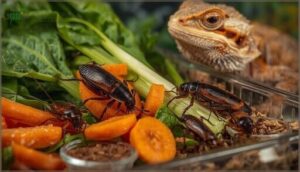
Gut loading transforms feeder insects into nutrient boosters by pre-feeding them high-calcium diets 24 to 48 hours before offering them to your carnivorous reptile.
Crickets achieve peak calcium levels (0.15% to 1.6%) after two days on collard greens or commercial formulas like Repashy Superload, which delivers over 8% calcium on a dry matter basis, while dubia roaches require 48 to 72 hours for maximum absorption.
Applying Supplements to Meat-based Diets

Plain muscle meat lacks vitamin A, D3, and several B vitamins, so you’ll need to coat it with a general multivitamin before each feeding to prevent chronic micronutrient gaps.
Place thawed rodents or meat chunks in a container, add measured calcium and vitamin D3 powder, then shake gently until a thin, even layer forms—this supplement binding method ensures ideal reptile nutrient uptake without altering taste.
Top 8 Reptile Vitamin Supplements Reviewed
You need a supplement that delivers fat-soluble vitamins A, D3, and E alongside calcium in ratios that prevent metabolic bone disease without triggering hypervitaminosis.
The following eight products represent formulations with proven track records in carnivorous reptile husbandry, each addressing specific nutritional gaps in captive diets. I’ve evaluated these supplements based on vitamin concentrations, calcium-to-phosphorus ratios, and documented efficacy in preventing deficiencies across monitor lizards, tegus, and other carnivorous species.
1. Zoo Med Reptile Vitamins Supplement
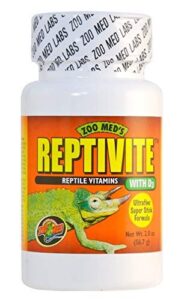
Zoo Med ReptiVite with D3 delivers a calcium-based multivitamin powder specifically formulated to support carnivorous reptiles maintained under limited UVB exposure.
You’ll find this supplement provides an approximate 2:1 calcium-to-phosphorus ratio (25.9–29% calcium, 10.57% phosphorus per kilogram), which prevents metabolic bone disease while supplying 220,264 IU/kg vitamin A, 22,909 IU/kg vitamin D3, and trace minerals including zinc, manganese, iron, copper, and iodine.
The formula incorporates a complete amino acid complex (L-leucine, L-lysine, L-arginine, L-valine) to improve protein digestion in carnivorous species.
| Best For | Reptile owners who keep carnivorous species like leopard geckos, box turtles, or bearded dragons indoors with minimal natural sunlight or UVB lighting. |
|---|---|
| Form | Powder |
| Brand | Zoo Med |
| Weight | 1.6 ounces |
| Target Species | All reptiles |
| Application Method | Dust/mix |
| Age Range | All Life Stages |
| Additional Features |
|
- Balanced 2:1 calcium-to-phosphorus ratio with added D3 prevents metabolic bone disease and supports proper bone development
- Complete amino acid blend helps carnivorous reptiles digest protein more efficiently from insects and other prey
- No artificial additives or fillers means you’re giving your pet a cleaner, more natural supplement
- Powder consistency may be too coarse, causing it to fall off feeder insects before your reptile eats them
- Bottles often arrive less than full, which can feel misleading given the price
- May not work for every reptile species or situation, so check with your vet before starting supplementation
2. Herptivite Reptile Multivitamin Supplement
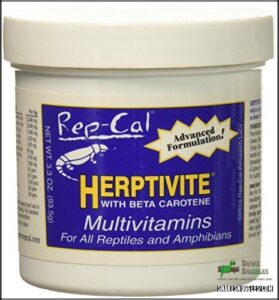
Rep-Cal Herptivite substitutes preformed vitamin A with beta carotene, a precursor compound your reptile’s tissues convert to retinol as needed, thereby eliminating the risk of fat-soluble vitamin A accumulation (hypervitaminosis A) during chronic supplementation.
You receive 5,500 IU/kg vitamin E, 4,400 mg/kg choline, 2,200 mg/kg ascorbic acid, full B-complex vitamins (thiamine, riboflavin, pyridoxine, niacinamide, pantothenic acid, folic acid, cobalamin), and essential amino acids (lysine, leucine, isoleucine, methionine, threonine, tryptophan) in each dose.
The powder provides approximately 4.4–4.6% calcium and trace minerals (iron, manganese, zinc, copper, iodine) sourced from kelp.
| Best For | Reptile and amphibian owners looking for a safer multivitamin that uses beta carotene instead of preformed vitamin A to avoid toxicity risks during regular use. |
|---|---|
| Form | Powder |
| Brand | Rep-Cal |
| Weight | 3.3 ounces |
| Target Species | Reptiles & amphibians |
| Application Method | Dust on food |
| Age Range | All Life Stages |
| Additional Features |
|
- Uses beta carotene instead of preformed vitamin A, eliminating the risk of hypervitaminosis A from long-term supplementation
- Comprehensive formula with vitamin E, B-complex vitamins, essential amino acids, and trace minerals from natural kelp sources
- Easy to administer by dusting on crickets, vegetables, or mixing with calcium powder for better pet acceptance
- More expensive than many competing reptile multivitamin products on the market
- Some reptiles may refuse food dusted with the supplement alone and require mixing with other powders
- No independent lab testing mentioned, raising potential concerns about quality control and ingredient consistency
3. Zilla Reptile Vitamin Supplement Spray
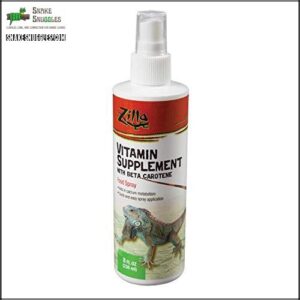
Zilla Reptile Vitamin Supplement Spray delivers ascorbic acid (1,037 mg/kg), B-complex vitamins (thiamine 18 mg/kg, riboflavin 53 mg/kg, pyridoxine 26 mg/kg, folic acid 15.8 mg/kg, cobalamin 0.26 mg/kg), cholecalciferol (0.21 IU/kg), and beta carotene via an 8-ounce liquid mist. You apply it directly onto whole prey, feeder insects, or meat-based diets.
Spray the formula onto food, wait fifteen seconds for the liquid to dry, then feed your carnivorous reptile. This ensures even vitamin coverage without the clumping characteristic of powder supplements dusted onto wet prey items.
| Best For | Reptile owners who want a quick, mess-free way to add vitamins to their carnivorous pets’ diets without dealing with powder supplements that clump on wet food. |
|---|---|
| Form | Liquid |
| Brand | Zilla |
| Weight | 0.6 pounds |
| Target Species | Reptiles & amphibians |
| Application Method | Spray on food |
| Age Range | All Life Stages |
| Additional Features |
|
- Spray application gives even vitamin coverage across food items and dries in 15 seconds
- Loaded with essential vitamins including D3, B-complex, and vitamin A as beta carotene to support energy, shedding, and overall health
- Works well on insects, whole prey, and meat—just spray and feed
- Sprayer mechanism tends to stick or break according to multiple user reports
- Doesn’t include calcium, so you’ll need to buy a separate supplement for complete nutrition
- Can get messy during application despite the spray format
4. Exo Terra Reptile Multivitamin Powder
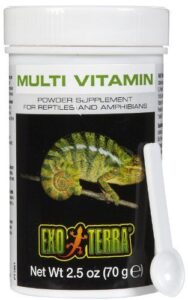
Exo Terra Reptile Multivitamin Powder provides retinol precursors via beta carotene (90,000 µg/kg), cholecalciferol (22,000 IU/kg), tocopherol (100 mg/kg), menadione sodium bisulfite complex, and trace minerals (copper 2.5 ppm, zinc 6.5 ppm, manganese 6.5 ppm, iodine 0.75 ppm) formulated on a seaweed-meal and dried-yeast base.
You mix the powder one-to-one with calcium supplement, then coat feeder insects in a container before offering them to your carnivorous reptile, ensuring vitamin adherence without the rapid oxidation common in liquid formulations.
| Best For | Reptile owners looking for a comprehensive vitamin supplement that sticks to feeder insects and mixes well with calcium powder for carnivorous pets. |
|---|---|
| Form | Powder |
| Brand | Exo Terra |
| Weight | 2.5 oz |
| Target Species | Reptiles & amphibians |
| Application Method | Coat/mix |
| Age Range | All Life Stages |
| Additional Features |
|
- Complete vitamin formula with beta-carotene, cholecalciferol, and trace minerals on a seaweed-meal base that’s easy to dust onto insects
- Powder form prevents rapid oxidation compared to liquid vitamins, keeping nutrients stable longer
- Simple one-to-one mixing ratio with calcium supplements makes dosing straightforward
- Some reptiles may refuse food dusted with the powder due to taste preferences
- Gritty texture can be noticeable even though it’s finely ground
- Hard to measure whether it’s actually improving your pet’s health since results aren’t immediately visible
5. Fluker’s Reptile Vitamin Supplement
Fluker’s Reptile Vitamin Supplement delivers cholecalciferol (vitamin D3), retinol precursors from beta carotene, tocopherol (vitamin E), menadione dimethylpyrimidinol bisulfite (vitamin K activity), and B-complex vitamins (niacin, riboflavin, thiamine, pyridoxine, folic acid, biotin, cobalamin) alongside crystalline amino acids (lysine, methionine, leucine, arginine) and trace minerals (iron sulfate, zinc sulfate, manganese sulfate, copper sulfate, calcium iodate) in a powdered formulation.
You dust feeder insects by shaking them in a container with the powder, or you mix one tablespoon per pound directly into prepared fruits and vegetables for omnivorous carnivores.
| Best For | Reptile owners looking for an all-in-one vitamin supplement that supports color, vitality, and overall health across all life stages and species. |
|---|---|
| Form | Powder |
| Brand | Fluker’s |
| Weight | 2.5 oz |
| Target Species | All reptiles |
| Application Method | Dust on food |
| Age Range | All Life Stages |
| Additional Features |
|
- Comprehensive formula with vitamins D3, E, K, B-complex, amino acids, and trace minerals in one powder
- Easy application—just dust insects or mix into fruits and vegetables at one tablespoon per pound
- Helps enhance natural coloration while supporting long-term health and energy
- Doesn’t include a scoop, making precise measurement a bit tricky
- Lacks clear dosage frequency instructions beyond user recommendations of weekly use
- May not work for reptiles with specific dietary restrictions or sensitivities
6. Fluker’s Reptile Calcium Supplement
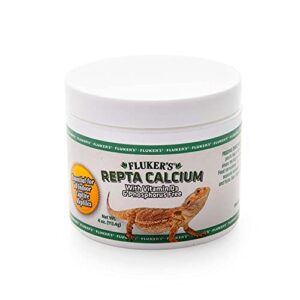
While that formulation meets many micronutrients, your carnivorous reptile’s skeletal integrity depends fundamentally on adequate calcium provision. This is precisely why Fluker’s Repta Calcium with Vitamin D3 acts as a phosphorus-free mineral supplement containing 38 percent elemental calcium and cholecalciferol to support intestinal calcium absorption in indoor reptiles lacking sufficient UVB exposure.
You dust crickets, mealworms, or other feeder insects by shaking them in a container with the powder, or you dip the hindquarters of pre-killed rodents directly into the supplement before offering them to your snake or monitor.
| Best For | Reptile owners who keep their pets indoors without access to natural UVB lighting and need an easy way to supplement calcium through feeder insects or food. |
|---|---|
| Form | Liquid |
| Brand | Fluker’s |
| Weight | 4.48 ounces |
| Target Species | All reptiles |
| Application Method | Dropper dosing |
| Age Range | All Life Stages |
| Additional Features |
|
- Contains vitamin D3 to help reptiles actually absorb the calcium, which is crucial for indoor pets that don’t get natural sunlight
- Super easy to use—just shake your feeder insects in the powder or dust it directly onto food
- Phosphorus-free formula with 38% elemental calcium supports strong bones and overall health
- Not ideal for reptiles that already get plenty of UVB lighting, since too much D3 can be harmful
- Doesn’t include clear dosage instructions or how often you should apply it
- Effectiveness depends on proper storage, and the packaging doesn’t specify shelf life details
7. Exo Terra Reptile Vitamin Powder Supplement
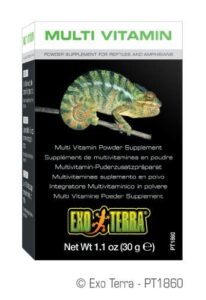
This multi-vitamin powder (model PT1860, available in 30-gram, 70-gram, and 360-gram containers) delivers vitamin A (90,000 micrograms per kilogram) exclusively as beta carotene, thereby reducing hypervitaminosis A risk in sensitive carnivorous species that metabolize preformed retinol inefficiently.
You combine this formulation one-to-one with dedicated calcium supplements, as its oyster-shell and mineral base provides insufficient calcium for fast-growing juveniles or gravid females.
The ultra-fine texture adheres to feeder insects and meat chunks when dusted immediately prior to presentation, ensuring your carnivore ingests the intended dose rather than losing powder during handling.
| Best For | Reptile and amphibian owners who need a versatile vitamin supplement that pairs with calcium powder and works well for species prone to vitamin A toxicity. |
|---|---|
| Form | Powder |
| Brand | Fluker’s |
| Weight | 4 ounces |
| Target Species | Reptiles & amphibians |
| Application Method | Dust/mix |
| Age Range | All Life Stages |
| Additional Features |
|
- Beta carotene form of vitamin A reduces overdose risk in carnivorous reptiles compared to preformed retinol supplements
- Ultra-fine powder sticks effectively to feeder insects and food for reliable dosing
- Designed to mix one-to-one with calcium supplements for complete nutrition coverage
- Lacks adequate calcium on its own, requiring purchase of a separate calcium supplement
- Granular texture may be less appealing to picky eaters who reject dusted food
- Hard to measure effectiveness since results vary by species and individual health
8. Gargeer Reptile Probiotic Supplement
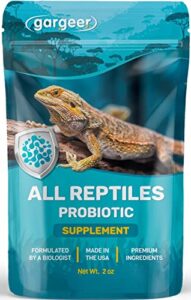
This two-ounce powder (200,000,000 CFU per gram) incorporates Lactobacillus acidophilus, L. casei, Enterococcus faecium, and Aspergillus oryzae fermentation extracts to stabilize gastrointestinal microbiota in carnivorous reptiles recovering from shipping stress, antibiotic therapy, or dietary transitions.
You dust thawed rodents or meat chunks at one level teaspoon per pound of food weekly, rather than daily, to avoid microbial overgrowth. The maltodextrin carrier ensures uniform adherence to moist prey surfaces, and the ultrafine particle size minimizes loss during handling or ingestion.
| Best For | Reptile owners looking to support their carnivorous pets’ digestive health during stressful periods like shipping, antibiotic treatment, or diet changes. |
|---|---|
| Form | Powder |
| Brand | Exo Terra |
| Weight | 1.1 oz |
| Target Species | Reptiles & amphibians |
| Application Method | Dust on food |
| Age Range | All Life Stages |
| Additional Features |
|
- High CFU count (200 million per gram) with multiple beneficial bacterial strains specifically formulated for carnivorous reptiles
- Ultrafine powder texture mixes easily with moist food like thawed rodents without falling off during feeding
- Weekly dosing schedule is more convenient and prevents overgrowth issues compared to daily supplements
- Dosing instructions may be impractical for owners of smaller reptiles or those feeding smaller prey items
- Some customers received damaged or broken products during shipping
- Limited guidance on how it interacts with other supplements or medications your reptile might be taking
Preventing Nutritional Deficiencies
You can’t fix what you don’t recognize, and nutritional deficiencies in carnivorous reptiles often masquerade as vague lethargy or behavioral changes until metabolic damage has already occurred. Early identification of vitamin and mineral imbalances (through both visual assessment and supplementation monitoring) prevents irreversible skeletal deformities, immune suppression, and organ dysfunction.
The following sections outline the clinical signs you should watch for, the routine health protocols that catch deficiencies before they become critical, and the species whose metabolic requirements place them at disproportionately high risk.
Common Deficiency Signs in Carnivorous Reptiles
Recognizing vitamin deficits in your carnivorous reptile starts with watching for subtle shifts in behavior and appearance—dietary disorders rarely announce themselves with fanfare.
You’ll spot metabolic bone disease through soft jaw bones, bowed limbs, or muscle tremors signaling calcium and vitamin D3 shortfalls. Swollen eyelids and poor shedding flag vitamin A deficiency, while incoordination and twisted posture reveal B1 gaps requiring prompt nutritional correction.
Routine Health Checks and Supplementation
Pairing weekly reptile wellness checks with supplement scheduling transforms nutrition planning from guesswork into methodical care. You can track weight on a digital scale, log each calcium and vitamin D3 dusting, and spot metabolic bone disease warning signs before permanent damage occurs. Veterinary guidance refines your supplementation strategies as growth rates shift, ensuring reptile health monitoring stays proactive rather than reactive.
- Weigh juveniles weekly and adults monthly to catch slow weight loss linked to nutritional gaps
- Document supplement brand, dose, and exact feeding dates to prevent fat-soluble vitamin buildup
- Schedule routine veterinary exams for blood work revealing calcium, phosphorus, and liver function
- Adjust reptile vitamins and UVB exposure when activity or body condition changes between checks
Species at Higher Risk
Fish eaters, obligate whole-prey snakes, and rapidly growing carnivorous lizards form the most vulnerable groups for vitamin deficiencies and metabolic bone disease when your supplementation protocols falter.
Piscivorous species face thiamine collapse from thiaminase-rich fish, whereas monitors, tegus, and aquatic turtles overfed liver frequently develop reptile toxicity from excess vitamin A.
Carnivore nutrition demands precise calcium, vitamin D3, and reptile vitamin supplements customized to each species’ dietary risks and metabolic vulnerabilities.
Vitamin A: Preformed Vs. Beta Carotene
Vitamin A supplementation presents a critical decision point in carnivorous reptile nutrition, as the source you select directly influences both efficacy and safety margins. Preformed vitamin A (retinol) delivers immediate biological activity but carries documented toxicity risks when administered in excessive concentrations, while beta carotene-based formulations offer a safer conversion pathway with substantially reduced overdose potential.
Understanding the metabolic differences between these two forms will help you select supplements that maintain ideal epithelial health and immune function without exposing your animals to hypervitaminosis A complications.
Risks of Vitamin a Toxicity
Vitamin A Overload occurs when your carnivorous reptile receives preformed retinol from multiple sources—liver-rich prey, injectable vitamins, and concentrated supplements—pushing plasma retinol beyond safe thresholds (usually 0.049–0.372 mg/mL in lizards). Toxicity symptoms range from dry, flaky skin and painful skin lesions (particularly around the neck and forelimbs) to liver damage manifesting as anorexia, weight loss, and lethargy.
Severe hypervitaminosis A disrupts nutrient interactions, interfering with vitamin D3 pathways and destabilizing calcium and vitamin D3 balance, which can exacerbate metabolic bone disease in sensitive species like chameleons. Reptile vitamin supplements containing preformed vitamin A demand careful dosing; carnivores consuming organ meats face heightened risk because animal liver naturally concentrates retinol at levels 100-fold above maintenance requirements (5,000–10,000 IU/kg).
You’ll need to monitor for secondary bacterial infections in damaged tissue, provide fluid therapy (10–30 mL/kg/day), and anticipate wound care lasting four to six months. Iatrogenic cases—where well-meaning keepers stack injectable vitamin A atop already adequate diets—highlight the principle that more isn’t better; reptile health and disease prevention hinge on precision, not excess.
| Clinical Sign | Mechanism |
|---|---|
| Hepatic dysfunction (anorexia, weight loss) | Retinol overwhelms hepatic storage, damaging liver cells |
| Skin ulceration and sloughing | Excess vitamin A causes dermatitis, exposing raw tissue |
| Disrupted calcium metabolism | Hypervitaminosis A interferes with vitamin D3 function, weakening bones |
Benefits of Beta Carotene-based Supplements
Unlike preformed retinol, beta carotene-based reptile vitamins offer antioxidant effects and cell protection without toxicity risk—your reptile converts provitamin A only as needed, preventing hepatic overload even when you dust insects several times weekly. Products like Herptivite deliver vitamin stability in powder form, giving you supplement flexibility across whole-prey and insect diets while supporting epithelial tissues, visual pigments, and immune function through regulated conversion pathways.
| Feature | Beta Carotene Supplements | Preformed Vitamin A |
|---|---|---|
| Conversion | Regulated, on-demand synthesis | Direct absorption, fixed dose |
| Toxicity risk | Minimal (excess stored/excreted) | High with repeated dosing |
| Antioxidant benefit | Neutralizes free radicals in tissues | None |
Choosing Safe Vitamin a Sources
Now that you’ve seen how beta carotene-based supplements naturally prevent vitamin A toxicity, you need reliable vitamin A forms in your feeding routine. Choose retinyl palmitate for oil-based prey coating or retinyl acetate in dry powders—both convert to active retinol without the instability of free retinol, keeping potency during storage and preventing hepatic overload when you match dosing to your reptile’s body weight.
| Vitamin A Source | Safe Intake (IU/kg) | Toxicity Risk | Best Application |
|---|---|---|---|
| Retinyl palmitate | 5,000–10,000 | Low (stable form) | Oily supplements, whole prey |
| Retinyl acetate | 5,000–10,000 | Low (stable form) | Dry powders, dusting |
| Liver-rich prey | Variable (high) | High (chronic overdose) | Limit frequency, rotate items |
| Fish tissues | Moderate-high | Moderate | Combine with low-A supplements |
| Commercial multivitamin | Trace amounts | Very low | Safe for routine use |
Integrating Supplements Into Daily Care

Establishing a consistent supplementation routine requires precise timing, careful observation, and flexibility as your reptile matures through different physiological stages. You can’t treat supplementation as a static protocol—metabolic demands shift with age, reproductive cycles, and underlying health conditions, necessitating regular adjustments to dosing frequency and formulation type.
The following strategies will help you synchronize vitamin delivery with feeding schedules, monitor physiological responses to supplementation, and modify your approach as your carnivorous reptile progresses from juvenile growth phases to adult maintenance requirements.
Scheduling Supplementation With Feeding
You’ll achieve maximum nutrient absorption when you tie supplement timing directly to feeding schedules, applying calcium and vitamin D3 powders to prey items immediately before each meal.
For carnivorous reptiles eating every seven to fourteen days, dust each feeding with plain calcium, reserve calcium plus D3 for every fourth to eighth meal, and rotate multivitamins separately to prevent fat-soluble vitamin overlap and toxicity risks.
Tracking Health and Supplement Response
Once you’ve locked in a feeding and supplement rhythm, reptile health logs become your baseline for catching nutrient deficiency or toxicity before clinical signs escalate. Track weight biweekly on a digital scale, record each shed (complete versus fragmented), note stool consistency, and document appetite changes or altered hunting behavior—these data points reveal whether your calcium, vitamin D3, and multivitamin regimen maintains metabolic bone disease prevention or requires immediate adjustment through structured supplement trials and veterinary blood-chemistry monitoring.
- Weekly appetite logs: Document exact prey items, portion sizes, and feeding speed to detect early refusal or behavioral shifts linked to new supplement formulations.
- Biweekly body-condition scoring: Weigh your reptile and assess tail-base muscle tone to confirm that vitamin and mineral support maintains steady growth without unexplained loss.
- Monthly shed tracking: Record whether skin releases in one piece or multiple fragments, signaling balanced vitamin A status versus deficiency or hypervitaminosis.
Adjusting Supplementation for Life Stages
Hatchling nutrition demands calcium with D3 at nearly every meal to fuel rapid skeletal expansion during the first six to twelve months. Juvenile development shifts to every-other-day dusting and weekly multivitamins as growth plateaus.
Adult maintenance usually requires calcium and vitamin supplementation for reptiles only once or twice weekly. Senior care reduces doses further to prevent chronic hypervitaminosis and metastatic calcification in aging kidneys.
Frequently Asked Questions (FAQs)
What vitamins do carnivores need?
Carnivores thrive on a nutritional high-wire act, balancing fat-soluble vitamins A, D3, E, and K with water-soluble B-complex vitamins.
These vitamins power metabolism, fortify immunity, and maintain the precise calcium-to-phosphorus nutrient ratio their predatory physiology demands.
How to get vitamin A to leopard gecko?
You’ll deliver vitamin A to your leopard gecko through multivitamin-dusted feeder insects every 10–14 days.
Additionally, provide gut-loaded prey containing preformed retinol or beta carotene.
What vitamin supplements do bearded dragons need?
Your juvenile bearded dragon thrives when you provide plain calcium powder several times weekly alongside a reptile multivitamin containing vitamins A, D3, and B-complex roughly once per month, balancing dietary needs without risking toxicity.
Is too much Vitamin D3 bad for bearded dragons?
Yes, excessive Vitamin D3 causes hypercalcemia in bearded dragons, triggering soft tissue calcification in kidneys and blood vessels, paradoxically weakening bones despite elevated blood calcium while producing lethargy, appetite loss, and potentially fatal organ damage.
Can carnivorous reptiles overdose on vitamin K?
Natural vitamin K1 and K2 from whole prey rarely cause toxicity in reptiles, but synthetic menadione analogs carry overdose risks including oxidative stress, hepatotoxicity, and hemolytic anemia when supplement guidelines are ignored.
Do carnivorous reptiles need vitamin C supplements?
Most carnivorous reptiles synthesize vitamin C internally through kidney tissue, so routine dietary supplements aren’t necessary if you’re providing balanced whole‑prey diets.
Extra vitamin C helps only during illness or wound recovery.
How does temperature affect vitamin absorption rates?
Your reptile’s body temperature directly controls how efficiently its digestive enzymes break down food and how well its intestinal lining absorbs fat-soluble vitamins like A, D3, and E from each meal.
Should supplements change during brumation or hibernation?
A monitor lizard entering deep winter dormancy with excellent body reserves needs far less dietary vitamin D3 and calcium dusting, because its slowed metabolism relies on stored nutrients rather than active supplementation.
Are there differences between reptile and amphibian vitamins?
Yes, you’ll find that amphibian supplements contain lower vitamin D3 and vitamin A concentrations because amphibians are more sensitive to overdose, while reptile formulations deliver higher doses to support stronger skeletal demands and faster metabolism.
Conclusion
Strategic supplementation separates surviving captivity from thriving in it. Your carnivorous reptile’s skeletal integrity, immune competence, and reproductive viability depend on choosing reptile vitamins that deliver cholecalciferol, preformed retinol, and bioavailable calcium in proportions mirroring whole-prey nutrition.
Without intervention, metabolic bone disease progresses silently until irreversible deformities emerge. However, consistent dusting schedules paired with species-appropriate formulations prevent the nutritional collapse that claims more captive predators than infectious disease or environmental mismanagement combined.
- https://reptilinks.com/blogs/news/understanding-nutrients-for-reptiles
- https://www.nekton.net/reptiles.cfm
- https://reptifiles.com/reptile-vitamins-reptile-calcium/
- https://todaysveterinarypractice.com/exotic-medicine/hypervitaminosis-a-in-reptiles/
- https://www.msdvetmanual.com/management-and-nutrition/nutrition-exotic-and-zoo-animals/nutrition-in-reptiles