This site is supported by our readers. We may earn a commission, at no cost to you, if you purchase through links.
Most snake owners spend hours researching their pet’s diet and temperatures—then grab whatever bedding looks cheapest at the pet store. That one decision affects everything from how your home smells to whether your kids stay safe around the enclosure. The wrong substrate can release toxic oils, grow mold, or send your snake to the vet with a blockage.
When you add curious children to the mix, the stakes climb higher. The right snake bedding for families balances safety, low maintenance, and genuine odor control—without requiring a biology degree to manage it.
Table Of Contents
- Key Takeaways
- What to Put at The Bottom of Your Snake Enclosure
- Top 7 Snake Bedding Options for Families
- How Each Bedding Type Performs for Family Households
- Aspen Shavings — Low Dust, Easy Waste Detection, Budget-friendly
- Coconut Fiber and Husk — Humidity Control and Odor Absorption
- Cypress Mulch — Natural Feel and Mold Resistance for Tropical Species
- Paper-based Substrates — Safest Option for Juveniles and Quarantine Setups
- Burrowing Support and Enrichment Across Bedding Types
- Safety and Health Risks Families Should Know About
- Ingestion Hazards From Large Chips and Loose Particles
- Mold and Mite Risks in Damp or Improperly Stored Substrates
- Dust and Respiratory Concerns for Both Snakes and Family Members
- Substrates to Avoid Entirely — Pine, Cedar, and Chemically Treated Materials
- How to Reduce Mess and Cross-contamination in Family Homes
- Cleaning, Maintenance, and Replacing Snake Bedding
- Frequently Asked Questions (FAQs)
- What should I put at the bottom of my snake enclosure?
- Can children safely handle snake bedding materials?
- How do I transition my snake to new bedding?
- What bedding works best for multiple snake enclosures?
- How does bedding affect snake shedding success?
- Is recycled or eco-friendly bedding safe for snakes?
- Conclusion
Key Takeaways
- substrate lining your snake’s enclosure directly affects your family’s health — dusty, mold-prone, or chemically treated options like pine and cedar can harm both your snake’s lungs and your kids.
- Coconut fiber and aspen shavings are the top picks for busy families because they absorb odors well, support natural burrowing, and make spot‑cleaning quick and straightforward.
- Matching bedding to your snake’s native habitat matters — desert species need dry, loose substrate, while tropical snakes thrive in moisture‑retaining materials like cypress mulch or coconut husk.
- Light-colored substrates are a practical win for families — they make waste easy to spot at a glance, which means you catch problems early without digging around or waiting for the smell to hit you.
What to Put at The Bottom of Your Snake Enclosure
What sits at the bottom of your snake’s enclosure matters more than most people expect — it affects their health, your home’s smell, and how much time you spend cleaning.
Getting it right from the start makes a real difference, and this snake environment setup guide walks you through exactly what to look for.
The right bedding depends on your snake’s species, your family’s lifestyle, and a few key factors worth knowing before you buy. Here’s what to look for.
Why Substrate Choice Matters for Families With Snakes
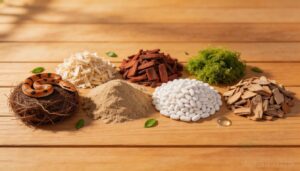
The stuff lining your snake’s enclosure isn’t just filler — it directly shapes your snake’s long-term wellbeing and your family’s daily routine. The right pick helps humidity management, odor control, and stress‑free cleanups.
Here’s why it matters for families specifically:
- Affects allergen sensitivity for kids handling the tank
- Helps child‑friendly materials that are non‑toxic and safe
- Determines cost efficiency over months of upkeep
- Fits naturally into your family routine compatibility
For families, it’s key to avoid toxic substrates to keep the enclosure safe.
Key Factors to Consider: Safety, Odor, Humidity, and Ease of Cleaning
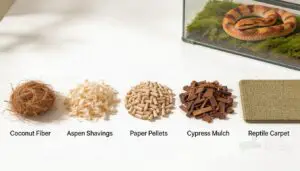
Four things really matter when picking snake bedding: safety, odor, humidity, and how easy it is to clean.
| Factor | What to Look For | What to Avoid |
|---|---|---|
| Safety | Low Dust Formulation, Sharp Edge Prevention | Large chips, pine, cedar |
| Odor | Odor Absorbing Materials, Moisture Wicking Ability | Pooling moisture, poor ventilation |
| Cleaning | Light color, Simple Spot-Cleaning | Compacting, clumping bedding |
Absorbent bedding materials handle reptile waste odor control while keeping humidity management in snake enclosures stable — a win for everyone at home.
Matching Bedding to Your Snake’s Species and Natural Habitat
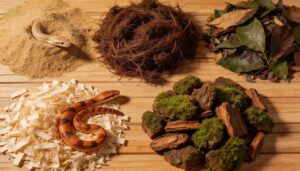
snake’s background matters more than you’d think. A desert sand boa needs dry, loose bedding with drainage — something like fine-grain substrate that allows deep burrowing.
tropical species, though, thrives with habitat moisture locked in tropical leaf litter or coconut fiber. Arboreal substrate stays loose; burrowing depth varies by species.
Match the bedding to where your snake actually comes from.
Top 7 Snake Bedding Options for Families
There’s no shortage of snake bedding options out there, but not all of them work well in a busy family home. These seven made the cut because they’re safe, practical, and easy to manage day-to-day.
Here’s what each one brings to the table.
1. Zoo Med Aspen Snake Bedding
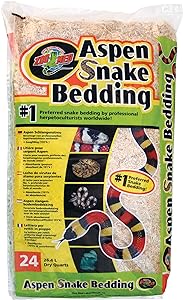
Zoo Med Aspen Snake Bedding is one of those products that just makes life easier. It’s 99.9% dust-free, made from natural aspen wood, and free of the toxic oils found in pine or cedar. It absorbs around 191% of its own weight — so spills and waste get locked in fast.
The light color makes spotting messes a breeze, which busy families really appreciate. It also facilitates burrowing, giving your snake something to do between feeding days.
| Best For | Snake owners, reptile keepers, and small pet owners who want a clean, natural bedding that supports burrowing and keeps things easy to maintain. |
|---|---|
| Material | Aspen wood fiber |
| Eco-Friendly | Yes, renewable aspen |
| Humidity Support | Low, not for high humidity |
| Dust Level | Dust-free |
| Package Size | 24 qt / 5.35 lb |
| Price | $22.98 |
| Additional Features |
|
- Nearly dust-free, so it’s gentle on your pet’s lungs and yours
- Absorbs a ton of moisture fast — spills and waste don’t linger
- Light color makes spotting dirty spots quick and simple
- Not great for humid or aquatic setups — you may need to manage moisture separately
- Can compact over time, so you’ll need to stir or top it off now and then
- One bag might not cut it for larger enclosures
2. ReptiChip Organic Coconut Substrate
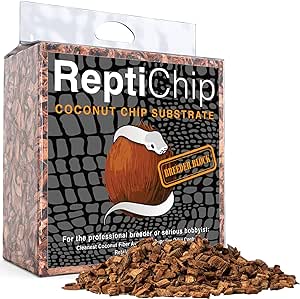
ReptiChip’s compressed coconut substrate is kind of a real asset for busy households. One 10-pound brick — about the size of a shoebox — expands into roughly 72 quarts of soft, diggable bedding once you add water.
If you’re just getting started, this guide to choosing the right snake substrate and bedding explains exactly why coconut coir consistently tops the list for both comfort and cleanliness.
It’s made from 100% organic coconut husk, so there are no synthetic dyes, no harsh chemicals.
It naturally absorbs odors, holds humidity well for tropical species like ball pythons, and cuts down on full cleanings.
Many keepers only spot-clean two or three times a week. That’s a win.
| Best For | Owners of tropical reptiles and small animals — like ball pythons, boas, geckos, and hermit crabs — who want a low-maintenance, natural bedding that keeps humidity steady and smells under control. |
|---|---|
| Material | Coconut husk |
| Eco-Friendly | Yes, organic coconut |
| Humidity Support | High, tropical species |
| Dust Level | Low when hydrated |
| Package Size | 72 qt / 9.92 lb |
| Price | $34.95 |
| Additional Features |
|
- Expands massively from one compact brick — 72 quarts of bedding that fits in a shoebox is hard to beat for storage and value.
- Locks in humidity and absorbs odors naturally, so your pet’s enclosure stays fresh longer with less effort.
- Most keepers only spot-clean a few times a week and do a full swap every couple of months — that’s a real time-saver.
- Breaking the brick open kicks up dust, which can irritate some animals if you don’t hydrate it fully before use.
- Overwatering is a real risk — too much moisture and you’re dealing with mold, so you have to keep an eye on humidity levels.
- At $34.95 upfront, it costs more than basic alternatives, even if it works out cheaper over time.
3. Kritter Crumble Coconut Husk Substrate
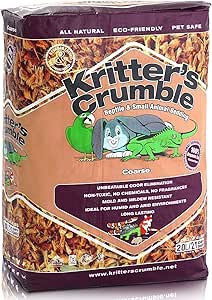
Kritter Crumble takes the same coconut husk concept and makes it even more family-friendly. It comes in fine and coarse textures — so you can pick what fits your snake’s size and burrowing habits.
The coconut fiber acts like tiny sponges, pulling moisture and odor away from the surface fast. That means less smell drifting through your living room.
It’s also chemical-free and compostable, which is a nice bonus. Spot-cleaning is straightforward, and the natural earthy look actually makes enclosures feel like a real habitat.
| Best For | Pet owners with snakes, geckos, or small animals who want a natural, low-odor substrate that’s easy to clean and eco-friendly. |
|---|---|
| Material | Coconut husk fiber |
| Eco-Friendly | Yes, biodegradable coir |
| Humidity Support | Moderate to high |
| Dust Level | Some dust reported |
| Package Size | 21 qt / 2.24 lb |
| Price | Not listed |
| Additional Features |
|
- Absorbs moisture and traps odors really well, keeping the enclosure (and your room) smelling fresh
- Totally chemical-free and compostable — great for eco-conscious pet owners
- Works for a wide range of animals and helps maintain steady humidity levels
- Can be pretty dusty out of the bag, which might bug pets or owners with respiratory sensitivities
- Pricier than basic wood shavings, especially if you need a lot to fill a larger enclosure
- Packaging sometimes arrives partially opened, which can mean losing product before you even use it
4. Zoo Med Forest Floor Substrate
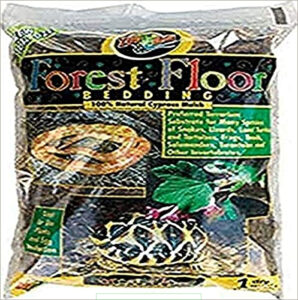
If you’ve got a tropical snake — a corn snake, a blue-tongued skink, or even a small boa — Zoo Med Forest Floor Substrate is worth a serious look.
It’s made from ground cypress bark, which holds moisture really well without turning into a soggy mess.
That means stable humidity without constant misting.
It lies flat, so live feeders can’t hide as easily underneath.
Spot-cleaning is simple, and the earthy look genuinely makes the enclosure feel like a real habitat.
| Best For | Tropical reptile and amphibian keepers — especially those housing snakes, blue-tongued skinks, tortoises, or frogs — who need a substrate that holds humidity without constant upkeep. |
|---|---|
| Material | Cypress mulch |
| Eco-Friendly | Yes, natural mulch |
| Humidity Support | Moderate, misting needed |
| Dust Level | Low dust |
| Package Size | 10.6 lb bag |
| Price | $29.98 |
| Additional Features |
|
- Holds moisture really well, keeping humidity stable for tropical species and making shedding easier
- Low-dust and easy to spot-clean, so day-to-day maintenance doesn’t take long
- Works with a wide range of animals and mixes well with other substrates like coconut fiber
- A bit pricey per volume, which adds up fast if you’re running a large enclosure
- Waste can blend right into the mulch, so you’ll need to do a smell-check to catch what you can’t see
- Dries out over time and needs periodic re-wetting to stay effective
5. Zoo Med Eco Earth Coconut Fiber Substrate
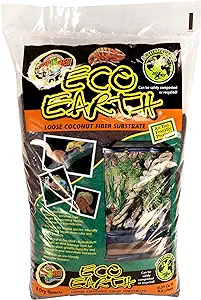
Coconut fiber might just be the most family-friendly substrate on this list. Zoo Med’s Eco Earth is made from real coconut husks — natural, biodegradable, and completely free of dyes or chemical treatments.
It’s soft underfoot for your snake, holds humidity well without getting waterlogged, and does a solid job absorbing odors between cleanings.
The loose format makes spot-cleaning quick, which busy families genuinely appreciate.
One heads-up: feed your snake outside the enclosure since loose fibers can cling to prey.
| Best For | Families with tropical reptiles, amphibians, or burrowing snakes who want a natural, low-maintenance substrate that’s safe and easy to clean. |
|---|---|
| Material | Coconut fiber |
| Eco-Friendly | Yes, biodegradable |
| Humidity Support | Moderate, tropical species |
| Dust Level | Low dust |
| Package Size | 24 qt / 2.9 lb |
| Price | Not listed |
| Additional Features |
|
- All-natural and biodegradable — no dyes, no chemicals, just real coconut husk
- Soft texture encourages natural burrowing and helps with shedding by holding moisture well
- Easy to spot-clean, so you’re not doing a full overhaul every week
- Loose fibers can stick to prey, so you’ll need to feed your snake in a separate container
- The bag isn’t resealable, which is annoying if you don’t use it all at once
- Humidity boost is decent but not dramatic — you may still need to mist or add a water dish
6. Zoo Med Eco Earth Substrate
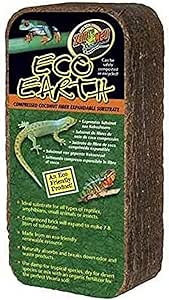
Think of this as the compressed version of subtopic 5 — literally.
The Zoo Med Eco Earth brick starts small, but drop it in water, and it expands into several liters of soft, burrow-friendly substrate. One brick can cover the full bottom of a 40-gallon tank.
It’s low-odor, non-toxic if accidentally swallowed, and holds humidity without getting swampy.
For families who want less frequent trips to the pet store, that expansion factor is a genuine win.
| Best For | Reptile and amphibian owners who want a humidity-friendly, burrow-ready substrate without constant store runs. |
|---|---|
| Material | Coconut fiber |
| Eco-Friendly | Yes, biodegradable |
| Humidity Support | Moderate, monitor levels |
| Dust Level | Dusty when dry |
| Package Size | Single brick / 9.07 g |
| Price | $9.05 |
| Additional Features |
|
- One brick expands enough to cover a full 40-gallon tank, so you get a lot of mileage for $9
- Low odor and non-toxic — safe even if your critter decides to eat a mouthful
- Holds moisture well, making it easier to keep humidity stable without babysitting the tank
- Dry brick can get dusty and messy before you hydrate it
- Easy to overdo the water, which can push humidity too high for some species
- One brick might not cut it for larger enclosures — you may need to buy multiples
7. Kempf Organic Coco Coir Potting Mix
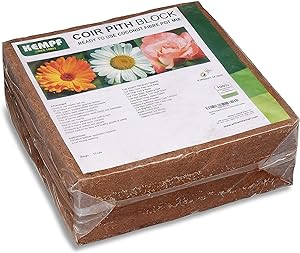
Not every snake keeper wants something marketed strictly for reptiles — and that’s where Kempf Organic Coco Coir sneaks in. It’s made from 100% coconut fiber, pre‑rinsed and chemical‑free, so it’s genuinely safe for your snake and your household.
One brick expands up to 10 times its size when hydrated. It holds moisture well, facilitates burrowing, and stays soft underfoot.
Families on a budget appreciate the value, especially for larger enclosures. Just add perlite if your snake prefers drier conditions.
| Best For | Budget-conscious snake keepers who want a natural, chemical-free substrate that works well in larger enclosures. |
|---|---|
| Material | Coconut fiber |
| Eco-Friendly | Yes, peat alternative |
| Humidity Support | High, holds 10x weight |
| Dust Level | Fine, can be dusty |
| Package Size | 10 lb block |
| Price | Not listed |
| Additional Features |
|
- 100% coconut fiber, pre-rinsed and chemical-free — safe for snakes without any extra prep
- One brick goes a long way, expanding up to 10x its size when hydrated
- Holds moisture well and stays soft, making it great for burrowing species
- Fine, dusty texture can be messy to handle and may mat down over time
- Needs perlite or sand added if your snake prefers drier conditions
- Requires thorough soaking and manual breaking apart to fully expand — it won’t do it on its own
How Each Bedding Type Performs for Family Households
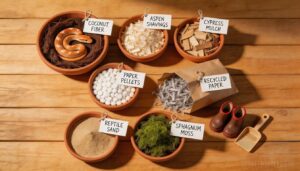
Not all bedding works the same way once it’s living inside your home — with kids around, cleaning schedules, and everyday chaos.
Each type comes with its own trade-offs, and knowing what to expect makes the choice a lot easier.
Here’s how the most common options actually hold up for family households.
Aspen Shavings — Low Dust, Easy Waste Detection, Budget-friendly
Aspen is one of those substrates that just makes life easier — especially when you’re juggling kids, schedules, and a snake’s weekly cleanup.
Here’s why families keep coming back to it:
- Dust-Free Air — Low dust levels mean fewer sneezes for allergy-sensitive households
- Fast Waste Identification — The light color substrate makes soiled spots obvious instantly
- Soft Burrowing Layer — Fluffy shavings let your snake dig naturally
- High Absorbency — Manages moisture better than a paper towel ever could
- Budget Bulk Packs — Cost-effective bags stretch your dollar without going dusty or stale
Coconut Fiber and Husk — Humidity Control and Odor Absorption
If you’re looking for Moisture Retention and Odor Binding, coconut fiber and Premium Coconut Husk are your best friends.
Brands like Eco Earth Loose Coconut Substrate and National Geographic Coarse Reptile Coconut Fiber use Capillary Action to keep humidity steady and odors low.
This means Airflow Regulation and Microclimate Stability—so your snake stays comfy and your home smells fresh.
Cypress Mulch — Natural Feel and Mold Resistance for Tropical Species
Cypress mulch brings a genuine Forest Floor Aesthetic to your setup — reddish-brown, textured, and naturally soft for tropical species that need high-humidity environments.
It contains Mold Deterrent Compounds that resist fungal growth even when misted regularly, making Mold Prevention much easier.
The Burrowing Softness facilitates natural digging, and its Plant Compatibility means live plants thrive alongside your snake in this practical, beautiful snake bedding material.
Paper-based Substrates — Safest Option for Juveniles and Quarantine Setups
Not every setup needs fancy substrate. For neonates, quarantine, or a temporary hospital enclosure, paper towel or newspaper is honestly your best call.
There’s zero non-impaction risk, rapid waste removal is a breeze, and easy disposal keeps things family friendly.
Soiled paper? Swap it out daily. Quarantine hygiene stays tight without spending much at all.
Burrowing Support and Enrichment Across Bedding Types
Some snakes are natural diggers — and the right substrate keeps those instincts alive.
- Substrate Cohesion: Coconut fiber holds tunnel stability better than loose aspen, preventing burrow collapse.
- Moisture Retention: Damp substrates support burrowing animals during shedding without drying out burrow walls.
- Burrow Enrichment: Natural substrates with fine particles let snakes create a temperature gradient naturally underground.
Pick bedding that matches your snake’s burrowing behavior and substrate selection needs.
Safety and Health Risks Families Should Know About
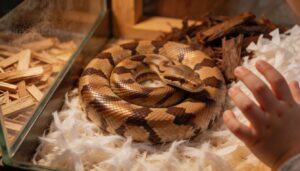
Picking the right bedding isn’t just about comfort — it’s about keeping your snake and your family safe. Some substrates come with hidden risks that catch even experienced owners off guard.
The right snake bedding protects your family as much as your pet — some substrates hide risks even experienced owners miss
Here’s what you need to watch out for before you buy.
Ingestion Hazards From Large Chips and Loose Particles
Feeding time is sneakier than you’d think. When your snake strikes at prey, it can accidentally gulp down loose bedding right along with it — and that’s where particle swallowing risk becomes a real concern.
Large substrate chips increase mouth tissue damage and GI blockage chances.
Watch for labored breathing or gagging; those are your aspiration warning signs.
Chip size limits and low dust levels matter more than most people realize.
Mold and Mite Risks in Damp or Improperly Stored Substrates
Damp bedding is a mold magnet — and mold means mites aren’t far behind. Moisture Hotspots form fast when substrate sits packed and wet, especially without proper Airflow Management.
Mold Spore Contamination spreads the moment you disturb the bedding. A humidity spike makes it worse overnight.
Always practice Storage Sealing with dry substrate, because the Mite Life Cycle kicks in wherever mold growth goes unchecked.
Dust and Respiratory Concerns for Both Snakes and Family Members
Dry bedding stirs up more than you’d think. When you reach in to clean or feed, loose particles go airborne fast — and that’s a real concern for family members with asthma or allergies.
Low dust substrates make a noticeable difference. Pair that with smart ventilation strategies, and you’re protecting everyone sharing that air, your snake included.
Substrates to Avoid Entirely — Pine, Cedar, and Chemically Treated Materials
Pine and cedar might seem harmless, but they’re genuinely dangerous for snakes. Both release resinous oil toxicity and phenolic irritation compounds that stress respiratory systems — your snake’s and yours.
Off-gassing risks linger even after the wood dries.
Chemical leaching from treated materials adds another layer of harm, and mold growth accelerates when damp.
Stick to chemical-free bedding options and natural substrates only.
How to Reduce Mess and Cross-contamination in Family Homes
Ever notice how a stray chip from the enclosure ends up everywhere? That’s why a Dedicated Feeding Zone and Sealed Storage Bins matter.
Pair a Glove Change Routine with regular cleaning day, and you’ll cut mess and cross-contamination fast. Light-colored bedding helps with visual detection of waste, while Charcoal Odor Control and an Air Filtration System keep things fresh.
Cleaning, Maintenance, and Replacing Snake Bedding
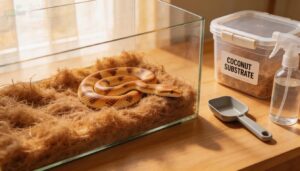
Keeping a snake enclosure clean doesn’t have to eat up your whole weekend. A few simple habits — spot-cleaning, knowing when to do a full swap, and storing extra bedding the right way — make a real difference.
Here’s what actually works for busy families.
Spot-cleaning Routines to Keep Odors Manageable Between Changes
Waiting until cleaning day to deal with odors? That’s where things go sideways. A quick wipe routine — done every 2–3 days — keeps smells from taking over.
- Mix a mild soap solution, blot the spot, rinse, and air dry fully
- Use enzymatic spot sprays for waste absorption — they break down organic matter at the source
- Try baking soda absorption on damp patches, then ventilate for 15 minutes (ventilation timing matters)
How Often to Fully Replace Each Type of Bedding
Spot-cleaning buys you time, but it doesn’t reset the clock forever. Replacement intervals depend on what you’re using.
Aspen needs a full swap every 4–6 months — sooner if waste load timing piles up fast with a juvenile.
Coconut fiber and husk stretch to 6–12 months, but your humidity-driven schedule matters.
Paper substrates? Juvenile turnover means swapping every 1–3 months.
Visual Waste Detection — Why Lighter Substrates Help Busy Families
Lighter bedding makes a real difference when life gets busy. With aspen or paper towel bases, visible waste cues stand out fast — no guessing, no digging around.
- Light background contrast reveals droppings at a glance.
- Early moisture signs show up as damp patches before odor builds.
- Color contrast benefits cut your scan time considerably.
- Family visual scanning stays quick even under dim evening lighting.
- Visual detection of waste with light-colored bedding catches problems early.
Tips for Storing Spare Bedding Safely in a Family Home
Once you’ve spotted waste quickly, keeping your backup supply tidy is just as easy.
Store spare bedding in breathable containers — sealed bags trap moisture and invite mold quickly. Clear labeling saves you hunting at cleanup time. Elevated shelving keeps bags away from curious kids or pets.
simple seasonal rotation prevents old stock from sitting forgotten.
| Storage Feature | Why It Matters | Best Practice |
|---|---|---|
| Breathable containers | Moisture control prevents mold buildup | Cotton bins or vented bags |
| Clear labeling | Quick identification saves time | Mark type, size, and date |
| Elevated shelving | Blocks pest and child access | Low shelf or tray off the floor |
Frequently Asked Questions (FAQs)
What should I put at the bottom of my snake enclosure?
Forget fancy layered base systems — what your snake actually needs is simple: 2 to 4 inches of non-toxic, moisture-wicking substrate that won’t injure their belly or clog your air with dust.
Can children safely handle snake bedding materials?
Yes, kids can handle snake bedding safely with a few ground rules. Always use non-toxic materials, enforce hand washing after contact, and have supervised changes. Gloves help with dustier substrates.
How do I transition my snake to new bedding?
Swap it slow.
Scatter the new substrate over the old using the Gradual Layering Method — your snake navigates by scent, so Scent Mixing Technique eases the shift.
Watch humidity, temperature, and stress cues throughout.
What bedding works best for multiple snake enclosures?
Aspen and coconut fiber are your best bets — both handle multiple enclosures well, balancing ease of replacement, humidity management, and cross-contamination prevention without breaking the bank.
How does bedding affect snake shedding success?
Bedding pulls double duty during molt season. Keep humidity retention between 60–70%, give your snake surface friction to grip, and microclimate support does the rest — clean substrate means cleaner sheds.
Is recycled or eco-friendly bedding safe for snakes?
Recycled and eco-friendly bedding can be safe — as long as it’s chemical‑free and free of aromatic oils.
Look for eco label verification and choose biodegradable options with low microbial growth risks.
Conclusion
So, you’ve made it through the snake bedding for families – now the real question is: what’s lurking in your current substrate? Take a closer look before it’s too late.
The best snake bedding for families can be a real difference-maker. It keeps your home smelling fresh, your snake healthy, and your kids safe. Make the switch and breathe easy knowing you’ve made a smart, safe choice for everyone.