This site is supported by our readers. We may earn a commission, at no cost to you, if you purchase through links.

Your snake can’t tell you when its bedding has gone bad, but its enclosure will. Check for white fuzz, black slime, or a sour smell. Squeeze a handful, and if it feels soggy, you’re already late.
Fouled substrate invites mold, ammonia buildup, and respiratory trouble. Loose bedding like aspen or coconut fiber lasts four to six weeks with daily spot cleaning, while paper needs a swap the moment it’s soiled. Pick the wrong material, like cedar or calcium sand, and you create new hazards.
Good snake cage substrate replacement takes five steps and one afternoon. Here’s how to match the bedding to your species and finish the job right.
Table Of Contents
- Key Takeaways
- When to Replace Snake Cage Substrate
- Choose Replacement Substrate for Your Snake
- Top 7 Snake Substrate Replacement Products
- Replace Snake Cage Substrate Step by Step
- Maintain Snake Substrate Between Full Changes
- Frequently Asked Questions (FAQs)
- How often should you replace your snakes substrate?
- What type of substrate is best for a snake enclosure?
- What should I put at the bottom of my snakes cage?
- What is a good DIY substrate for snakes?
- What substrate depth prevents snake burrowing behavior?
- Can substrates cause allergic reactions in snakes?
- Which substrates attract feeder insects or pests?
- How does substrate color affect snake stress?
- Are scented substrates safe for snake health?
- Can I reuse old substrate after cleaning it?
- Conclusion
Key Takeaways
- Replace loose bedding like aspen or coconut fiber every four to six weeks with daily spot cleaning, but change it right away if you see mold, white fuzz, or black slime, smell ammonia or sourness, or feel soggy bedding.
- Match your substrate to your species by choosing coconut fiber or cypress mulch for humid-loving ball pythons and aspen for drier-loving corn snakes, and never use cedar, pine, or calcium sand, which risk respiratory damage and impaction.
- Give burrowers like hognose snakes deeper bedding than surface dwellers, and keep moisture-holding substrates damp but never wet.
- Move your snake to a secure container first, then clear out the old bedding, disinfect with a reptile-safe cleaner, let everything dry fully, and confirm temperature and humidity are right before you put your snake back.
When to Replace Snake Cage Substrate
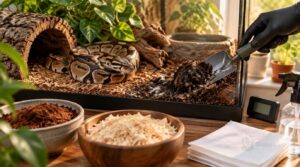
isn’t a guessing game. Loose bedding like aspen or coconut fiber usually lasts four to six weeks with daily spot cleaning. Paper? Swap it whenever it’s soiled. When choosing fresh bedding, steer clear of cedar, pine, and calcium sand, which are among the hazardous substrates to avoid because of respiratory damage and impaction risk.
Trust your senses, because substrate replacement indicators are hard to miss. Mold, white fuzz, or black slime means change it now. So do ammonia, sulfur, or sour smells, and bedding that feels soggy when squeezed.
If you’re unsure which bedding holds up best between changes, this guide to reptile substrate options for ball python owners compares how each type handles moisture and odor.
Mold, ammonia, sulfur, or soggy bedding means your snake’s substrate needs changing now, so trust your senses
How often to replace snake substrate also depends on health. Respiratory trouble, skin infections, mites, or any antibiotic treatment call for fresh bedding. Bioactive setups need top-layer replenishment instead.
Smart substrate replacement timing means watching your snake’s behavior. Retained eye caps, constant soaking, or refusing to burrow often signal a bedding problem.
Choose Replacement Substrate for Your Snake
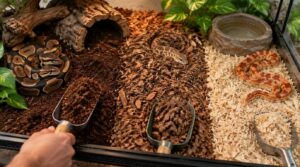
Fresh bedding only works if it fits your snake. Matching Substrate to Snake Species comes first, so check humidity needs before you shop.
Choosing species-specific substrates keeps you in control. Ball python substrate requirements call for 60 to 80% humidity, so pick coconut fiber or cypress mulch. Corn snake bedding preferences run drier, about 40 to 60%, which makes aspen a smart pick.
Use these quick checks:
- Burrowers like hognose snakes need 4 to 6 inches of loose bedding.
- Surface dwellers do fine with 2 to 3 inches.
- Moisture-holding bedding should feel damp, never wet.
- Skip cedar and untreated pine.
Want an easy, safe option? A reptile terrarium liner carpet simplifies cleanup, though it won’t hold humidity or allow digging.
Top 7 Snake Substrate Replacement Products
You’ve got the basics down, so it’s time to shop for the right substrate. The seven products below cover everything from moisture-holding soil blends to simple paper-style liners. Scan the list, match each one to your snake’s needs, and you’ll be ready to restock with confidence.
1. Zoo Med Reptisoil Reptile Substrate
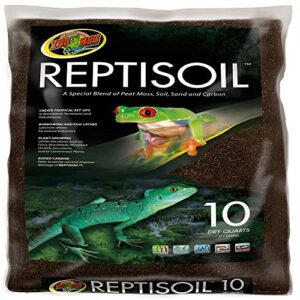
Picture damp, dark earth under your snake’s belly, cool and springy like a forest floor after rain. That’s Zoo Med Reptisoil Reptile Substrate.
It blends peat moss, soil, sand, and coconut carbon, so odors stay down. It’s one of the species-specific substrates that makes humidity control easy.
Once your snake settles into the fresh substrate, watch for corn snake body language to tell whether the humidity and burrowing setup feels comfortable.
Spot-clean waste daily, and time each full substrate replacement to protect enclosure hygiene.
2. Zilla Green Reptile Terrarium Bedding
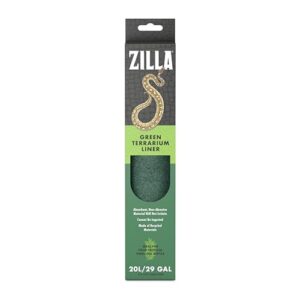
Want less mess than loose earth? Zilla Green Reptile Terrarium Bedding is a washable, plush liner, so substrate replacement gets simple.
Juveniles can’t swallow it. Your routine:
- Roll it out.
- Trim it with scissors.
- Lay flat; skip substrate depth math.
- Rinse it in cold water.
- Dry it, then reuse.
It’s dry, so pair it with species-specific substrates for humidity management.
3. Zoo Med Forest Floor Bedding
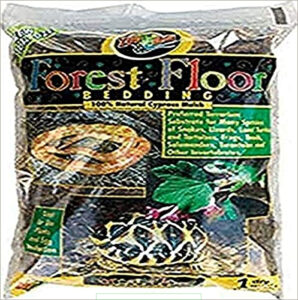
Cypress mulch makes Zoo Med Forest Floor Bedding a humidity-friendly choice for tropical snakes.
| Feature | Detail | Benefit |
|---|---|---|
| Material | Natural cypress | No fillers |
| Coverage | 24 quarts | 40-55 gallons |
| Change | Every 3 months | Fresher habitat |
When replacing substrate, keep a couple inches, not a substrate depth of 12 inches. Your snake cage substrate should suit tropical needs, and species specific substrates matter most.
4. Zilla Alfalfa Reptile Bedding 15lb
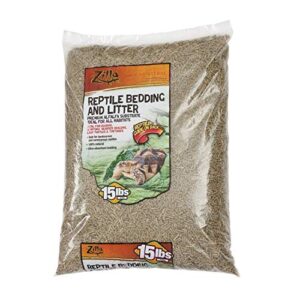
The Zilla Alfalfa Reptile Bedding 15lb makes substrate replacement easy and safe. This natural alfalfa bedding is non-toxic if your snake swallows a bit by accident.
Why it works for snake cage maintenance:
- Ultra-absorbent, so spills stay put
- Controls odor
- Resists bacteria
- Stays fluffy, never packs down
Plan a full replacement every 4-6 weeks. Spread 1-2 inches deep for burrowing.
5. Zoo Med Eco Earth Substrate
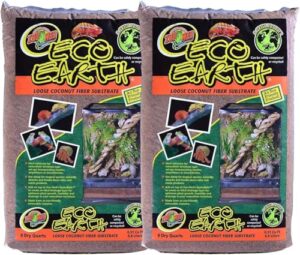
Dark, damp, and earthy, like a rainforest floor after a storm. That’s the look Zoo Med Eco Earth Substrate gives your enclosure. This coconut fiber substrate is ideal for ball pythons and corn snakes, and it’s natural forest floor bedding that holds moisture well.
Soak the brick, fluff it, and spread it 3-4 inches deep. Keep it moist, never soggy, for smart humidity management.
6. Zoo Med Aspen Snake Bedding
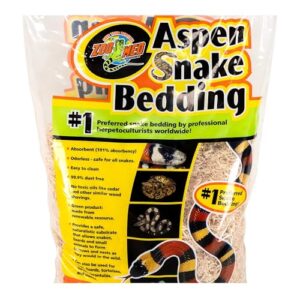
Picture pale, feathery shavings fluffing under your snake’s belly as it tunnels out of sight. That’s Zoo Med Aspen Snake Bedding at work. This dustfree aspen bedding is 99.9% dust free and soaks up moisture at 191% absorbency.
Spread it 2-3 inches deep and replace it every two to three months. Compare paperbased solutions under Substrate Safety and Health Considerations.
7. Prevue Hendryx Cage Liner Roll
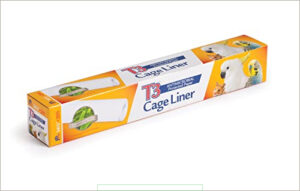
Want the easiest cleanup possible? Grab this liner. It’s all-natural, chemical-free paper that soaks up waste, so you’ll spot messes fast and toss them even faster.
Cut it to fit your enclosure floor. It’s white and unscented, so droppings stand out.
Know the trade-offs, though. Paper won’t hold humidity, and some keepers say it rolls back and lasts only 3-4 days. Quality also varies between old and new versions. Tuck the edges under accessories, and save it for quarantine setups.
- Made of all-natural, chemical-free paper that is white and unscented, so droppings stand out
- Absorbs droppings, seeds, and debris to keep the cage clean and dry
- Can be cut to fit specific cage trays and suits birds of all sizes
- Some users report it does not lie flat and tends to roll back
- Mixed feedback on durability, with some reports of it lasting only 3-4 days
- Quality is inconsistent between old and new versions of the product
Replace Snake Cage Substrate Step by Step
A full substrate change is easier than it looks when you follow a clear order. These five steps keep your snake safe and stress-free from start to finish. Grab your supplies and let’s get your setup looking fresh.
Secure Your Snake Before Removing Bedding
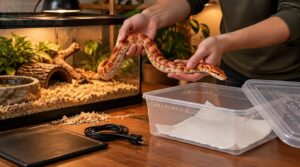
Always relocate your snake first. It’s the safest move.
Your step-by-step guide to substrate replacement starts here. Get a secure, ventilated container ready:
- Line it with paper towels
- Match the enclosure’s temperature gradient
- Snap the lid on tight
Unplug heating elements, then lift your snake slowly and calmly, supporting its full body. Skip feeding 24 hours before to avoid regurgitation.
Remove Old Substrate and Enclosure Accessories
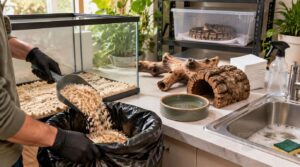
Remember: Always relocate your snake first. Now Remove Old Substrate and Enclosure Accessories using Proper Removal and Cleaning Techniques. This StepbyStep Guide to Substrate Replacement keeps it simple, so you’re Preparing The Enclosure for Fresh Substrate before you know it.
| Item | Action | Where |
|---|---|---|
| Bedding | Scoop it out | Trash bag |
| Hides and branches | Lift out | Sink |
| Water bowl | Empty it | Counter |
Clean, Disinfect, and Dry The Enclosure
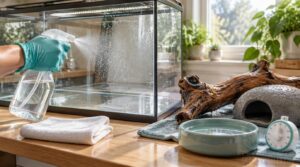
The old bedding is out, so now it’s time to Clean, Disinfect, and Dry The Enclosure. Stick with reptile safe cleaners like chlorhexidine, and skip phenol products.
- Spray surfaces with diluted disinfectant
- Wait 10 minutes before wiping
- Give wood decor 15 to 20 minutes
- Rinse everything thoroughly
- Air-dry for 2 to 4 hours
Add Fresh Substrate at Suitable Depth
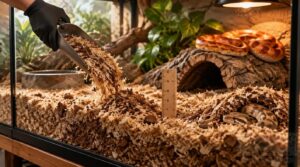
Your enclosure is dry, so it’s time to Add Fresh Substrate at Suitable Depth. Corn snakes do best with 3 to 6 inches. Burrowers like sand boas need more. Maintain proper depth of 12 inches.
Choosing inappropriate depth stresses your snake. Selecting overly dusty materials irritates its lungs. Smart substrate depth optimization keeps humidity steady and digging easy every time.
Restore Conditions Before Returning Your Snake
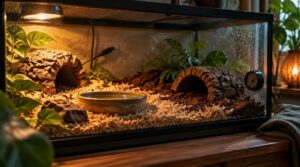
Fresh substrate is down, but your snake isn’t ready to move back in yet. Restoring enclosure conditions before reintroducing your snake protects its health.
Check your temperature gradient with a calibrated thermometer at snake level. Confirm humidity control with a hygrometer. Refill the water bowl, replace both hides, and sniff for odors. Odor control matters, so fix anything sour or moldy first. Then you’re set!
Maintain Snake Substrate Between Full Changes
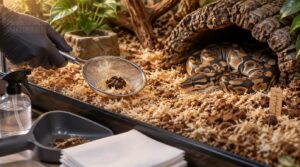
Always treat spot cleaning as your daily habit. Scoop feces, urates, and shed skin the moment you spot them, and check corners and hides, since snakes love dark, secure spots. A sifter finds buried urates fast.
Your spot cleaning vs full replacement schedule keeps things simple. Paper towels need a swap every 1 or 2 days and a full change weekly. Loose substrates like aspen or coconut fiber last longer, so your substrate change frequency depends on how well you scoop.
Top up after each cleaning. Aim for 2 to 3 inches for burrowers and 1 to 2 for the rest. Fluff loose bedding weekly as part of your enclosure maintenance practices.
Mist lightly for humidity control in snake tanks.
Frequently Asked Questions (FAQs)
How often should you replace your snakes substrate?
Your substrate is a quiet clock. Replace substrate every 4-6 weeks.
Spot clean daily, since substrate change frequency drops with habits. Use a Spot Cleaning Vs Full Replacement Sched, then finish with full substrate replacement.
What type of substrate is best for a snake enclosure?
Most keepers guess wrong on what type of substrate is best for a snake enclosure.
Species-specific substrates: ball pythons thrive with coconut fiber or cypress mulch, corn snakes prefer topsoil blends, desert species require different materials.
What should I put at the bottom of my snakes cage?
Think of the floor as your snake’s foundation. Pick species-specific substrates like coconut fiber or aspen, skip harmful cedar and pine, and replace substrate every 4-6 weeks. The right substrate choice makes all the difference.
What is a good DIY substrate for snakes?
Picture rich, dark soil crumbling between your fingers. That’s your DIY substrate for snakes. Mix 50% chemical-free organic topsoil with 50% play sand. Skip fertilizers and pesticides. Add cypress mulch for structure.
What substrate depth prevents snake burrowing behavior?
A snake pressed flat against bare glass, nowhere to hide. That’s what shallow bedding does. Keep substrate depth under 2 inches, and burrowing species can’t disappear, so you’ll see behavioral changes fast.
Can substrates cause allergic reactions in snakes?
Yes, but it’s rare. Snakes don’t get true allergies like you do. They suffer skin irritation from snake substrates, especially scented ones, which also harm reptile respiratory health. Skip cedar and pine, since toxic wood oils cause trouble.
Which substrates attract feeder insects or pests?
Soggy bedding buzzes with gnats. Which substrates attract feeder insects or pests? Reptisoil, coco fiber, and moist alfalfa.
Substrate maintenance, odor control in reptile enclosures, and preventing bacterial growth and mite infestations keep them out.
How does substrate color affect snake stress?
Your substrate color shapes your snake’s comfort. Natural browns and greens help your snake feel hidden, which keeps stress low. Bright or stark colors can spike it. Choose earthy tones and watch for freezing or glass-lunging.
Are scented substrates safe for snake health?
Scented bedding is a lung-wrecking disaster waiting to happen!
Scented substrates and reptile respiratory health don’t mix, because toxic wood oils in reptile bedding irritate your snake’s lung. Skip them in your snake enclosure setup.
Can I reuse old substrate after cleaning it?
One keeper I know reused a "clean" bowl of aspen and battled mites for months. Don’t repeat that. Reusing old substrate after cleaning works only for coconut fiber, sand, or tile. Bake, rinse, sanitize, and replace anything moldy.
Conclusion
Think of your snake’s bedding as the floor of its home, and nobody thrives on a dirty floor. Smart snake cage substrate replacement keeps that floor clean, safe, and comfortable.
Match the bedding to your species, follow the five steps, and spot clean daily. Skip the cedar and calcium sand, and you’ll dodge the hazards that sneak up on careless keepers. Do that, and you’ll earn a healthy, happy snake and control over its habitat.