This site is supported by our readers. We may earn a commission, at no cost to you, if you purchase through links.

Your snake can’t tell you its enclosure is dirty. Ammonia from a single forgotten urate can start irritating its respiratory tract within days, and bacteria multiply fast in warm, damp substrate.
That’s why cleaning a snake enclosure isn’t a weekend chore you can postpone. It’s the difference between a thriving animal and a vet bill for scale rot or a respiratory infection. Daily spot cleaning keeps waste from building up, while a deep clean every two to four months resets everything.
You’ll learn how often to clean, which products are safe, and how to disinfect and rebuild your setup, step by step.
Table Of Contents
- Key Takeaways
- How Often to Clean a Snake Enclosure
- How to Spot-Clean a Snake Enclosure
- Which Cleaners Are Safe for Snakes?
- How to Deep-Clean a Snake Enclosure
- Top 3 Products for Snake Enclosure Cleaning
- Frequently Asked Questions (FAQs)
- What is safe to clean a snake enclosure with?
- Where to put a snake when cleaning an enclosure?
- How to avoid mold in snake enclosure?
- How to clean a snake’s enclosure?
- How do you clean a snake’s house?
- How often should you clean a snake enclosure?
- How do you clean a snake cage?
- How often should I clean feeding dishes?
- Can I use paper towels as temporary substrate?
- What temperature should cleaning water be?
- Conclusion
Key Takeaways
- Spot clean every day and remove waste within a day or two, because leftover feces and urates spike ammonia and bacteria fast enough to cause respiratory infections and scale rot.
- Plan a full deep clean every two to four months, moving your snake to a ventilated tub with a snug lid first, then scrubbing, disinfecting, rinsing, and air-drying every surface completely.
- Stick with reptile-safe cleaners like unscented soap, F10, or diluted chlorhexidine, avoid quaternary ammonium, fragrance, and dye, and rinse everything thoroughly, because leftover residue irritates your snake’s skin.
- Rebuild the setup with fresh substrate 5-10 cm deep, mist it until it’s damp but never soggy, and check humidity in both the warm and cool zones, aiming for 40-60%.
How Often to Clean a Snake Enclosure
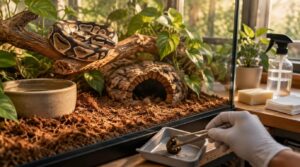
Usually, a healthy snake enclosure needs attention every day, not just when it starts to smell. Remove feces and urates within one to two days, because waste breeds bacteria, odor, and ammonia fast. Spot clean daily, and sanitize your water bowl on a set routine: check it every morning, then scrub it weekly.
Good airflow also keeps humidity and ammonia from building up, so learn why proper ventilation in a snake enclosure matters for your snake’s respiratory health.
Plan a deep clean every two to four months. Substrate replacement frequency depends on your setup. Small tubs and humidity-loving pythons often need fresh substrate every one to three months, while larger enclosures with desert species can stretch toward the upper end.
Don’t clean after a feeding. Your snake is digesting, and disruption adds stress. Match your schedule to the feeding cycle, and you’ll stay in control.
How to Spot-Clean a Snake Enclosure
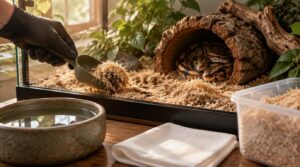
Spot cleaning is your daily defense, and it takes five minutes. Do it every morning, and remove any feces or urates the moment you spot them, always within one to two days at the very latest. Waste left behind spikes ammonia fast.
Keep stress low. Work slowly, leave hides in place, and don’t handle your snake while you clean.
- Scoop waste with a dedicated scoop or paper towel, taking the soiled substrate with it.
- Wipe the water bowl, then refill it with fresh water.
- Run a substrate moisture check by pressing a handful: it should match your species’ needs.
Replace what you removed with fresh substrate. Skip the old stuff, because it holds bacteria, and never put it back in.
Which Cleaners Are Safe for Snakes?
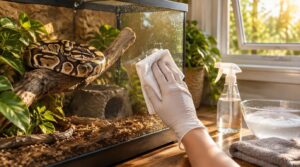
Daily wipe-downs only work if your cleaner won’t hurt your snake. Stick with reptile-safe disinfectants, and read the label before you buy.
For routine spot-cleaning, plain unscented soap and fresh water do the job. Rinse thoroughly, because leftover residue irritates skin.
For reptile keepers, this guide to cleaning a snake’s water bowl explains how often to scrub it and prevent bacteria buildup.
For disinfecting, F10 disinfectant and chlorhexidine disinfectant are both well-regarded choices when diluted exactly as directed. A diluted bleach solution works on bare, non-porous surfaces, but it demands a full rinse and complete drying. A vinegar-water mix is fine for light jobs. Keep it weak, and rinse it away.
Skip anything with quaternary ammonium, fragrance, or dye. Test any product on a small corner first. Open a window, and keep your snake out of the room until everything dries.
How to Deep-Clean a Snake Enclosure
A deep clean resets your snake’s entire habitat, so you can’t rush it or skip a step. You’ll work through three stages: securing your snake, disinfecting the enclosure, and rebuilding the setup. Follow them in order to keep your snake safe and your enclosure hygiene under control.
Secure Your Snake During Cleaning
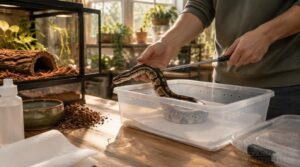
Think moving your snake is riskier than leaving it in? It isn’t. Set up temporary snake housing first: a ventilated tub with a snug lid works as your secure temporary container. Use a hook, move slowly, and keep sessions short for stress reduction during handling.
Moving your snake is safer than leaving it in, so set up a ventilated temporary tub first and keep the handling slow and brief
Stressfree reptile handling means calm hands, slow moves. Finish with hand hygiene after enclosure contact.
Clean and Disinfect The Enclosure
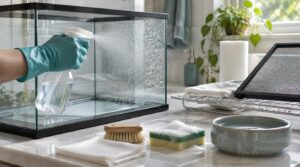
Scrubbing every surface stops biofilm formation before it starts. Enclosure disinfection works in four steps:
- Wash walls, floor, and lid with dilute soap.
- Apply reptilesafe disinfectants and respect the disinfectant contact time.
- Follow a thorough rinsing protocol until no soap smell remains.
- Air-dry everything completely.
Skip none of these. Rushing contact time leaves pathogens alive, and leftover residue irritates skin.
Replace Substrate and Restore Humidity
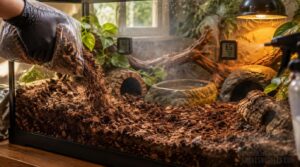
Replace Substrate with coconut fiber or cypress mulch, and set a Substrate Depth 5-10 cm so moisture holds steady. Mist lightly until it feels damp, never soggy.
Humidity Control During Cleaning matters here: close the lid fast. Then finish Enclosure Reassembly, keeping Humidity Gradient Maintenance in mind. Place hygrometers in both the warm and cool zones. Aim for 40-60% RH.
Top 3 Products for Snake Enclosure Cleaning
You don’t need a shelf full of gear to keep your snake’s enclosure safe. Three basic cleaning products cover nearly every job, from daily water bowl scrubs to full disinfection. Here’s what to buy, and why each one earns a spot in your kit.
1. Natural Unscented Hand Soap Bulk
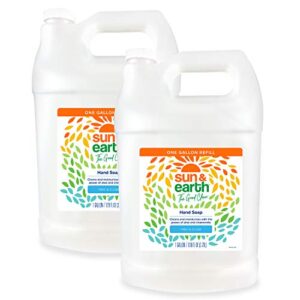
Bulk soap saves money, but only if you use it right. This pack of two 128-ounce refills is dermatologist-tested, hypoallergenic, and free of dyes and perfumes, so fragrance won’t irritate your snake.
One catch: it contains aloe and moisturizers, which can leave a slippery film. Dilute to a 1–2% solution, wash with warm water, then rinse until no residue remains. Pump gently, since it can shoot out forcefully. Portion it into labeled containers, stored sealed and far from your snake.
| Best For | Families, caregivers, and healthcare workers who wash their hands often and want a gentle, fragrance-free soap in bulk for sensitive or baby skin. |
|---|---|
| Product Type | Bulk hand soap refill |
| Snake Suitability | Leaves slippery film |
| Fragrance | Fragrance-free |
| Primary Use | Frequent hand washing |
| Key Drawback | Pump shoots forcefully |
| Target Users | Families and healthcare workers |
| Additional Features |
|
- Dermatologist-tested and hypoallergenic, with no dyes, perfumes, or common allergens.
- Aloe vera and moisturizers keep skin soft, even with frequent washing.
- Lathers well, rinses clean, and is safe for healthcare settings and use with alcohol-based hand hygiene.
- The pump can shoot soap out forcefully, so it needs gentle use.
- Some variants contain SLS, which may bother people who prefer natural products.
- It isn’t stated to be tear-free or safe for direct eye contact.
2. Pet Disinfectant And Deodorizer Solution
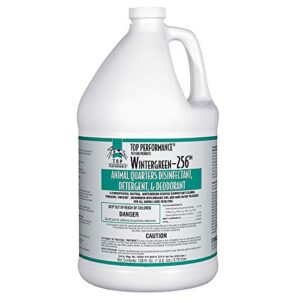
It’s made for kennels, not snakes, so check the label first. This concentrate kills viruses, bacteria, and fungi while it deodorizes, and the label says no rinsing is needed.
Don’t trust that for reptiles. Rinse and wipe every surface, because residue irritates mucous membranes.
Mix 1 tablespoon per gallon of water, and one gallon of concentrate makes up to 256 gallons.
Patch test first, keep your snake out, and skip the wintergreen scent if your snake reacts. It’s pricey, though.
| Best For | Kennel owners, groomers, vets, and shelters who need an affordable-per-gallon disinfectant for cleaning cages, runs, exam tables, bowls, and crates. |
|---|---|
| Product Type | Kennel disinfectant concentrate |
| Snake Suitability | Rinse every surface |
| Fragrance | Wintergreen scent option |
| Primary Use | Cleaning cages and kennels |
| Key Drawback | Price seen as high |
| Target Users | Kennel owners and vets |
| Additional Features |
|
- Kills viruses, bacteria, and fungi while cleaning and deodorizing in one step
- Very concentrated, making up to 256 gallons from one gallon (1 tablespoon per gallon of water)
- Trusted by professional pet facilities, and it helps groomers meet PPGSA sanitation expectations
- Some customers find the price high or not worth the cost
- The deodorizing strength is mild and may not handle strong odors
- It’s made for kennels rather than reptile enclosures, so snake owners should rinse every surface and check the label first
3. Nitrile Exam Gloves For Protection
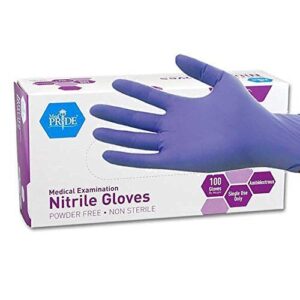
Your bare hands don’t belong in a dirty enclosure. Period.
Model MPR-50504 nitrile exam gloves give you a barrier against waste, disinfectants, and secretions. They’re powder-free and latex-free, so you won’t spread dust or worry about latex allergies. Textured fingertips keep your touch sensitive, and the beaded cuff stays put while you work.
Be realistic, though. Some users say these gloves are thin and tear easily, so durability varies. Handle hides gently, and always keep a spare pair within reach.
| Best For | Professionals like tattoo artists, physicians, law enforcement officers, and first responders, as well as anyone doing messy housework, who needs a powder-free, latex-free glove for light-duty protection. |
|---|---|
| Product Type | Powder-free gloves |
| Snake Suitability | N/A |
| Fragrance | N/A |
| Primary Use | Hand protection |
| Key Drawback | Tears easily |
| Target Users | Tattoo artists and first responders |
| Additional Features |
|
- Textured fingertips keep your sense of touch sharp while you work.
- The beaded cuff stays in place and the smooth finish feels comfortable.
- Powder-free and latex-free, so there’s no dust and no worry about latex allergies.
- Some users report that the gloves tear easily.
- Some customers find the material thin.
- Durability varies from user to user, so keeping a spare pair nearby is wise.
Frequently Asked Questions (FAQs)
What is safe to clean a snake enclosure with?
Stick with a reptile-safe disinfectant for enclosure sanitation, then rinse. Vinegar-water mix works for odors.
A well-planned ball python terrarium setup makes cleaning easier, since simple layouts with removable hides are quicker to sanitize.
Don’t share kitchen sponges; keep dedicated cleaning tools. Skip bleach, phenols and essential oils. Chemical-free alternatives like unscented soap work.
Where to put a snake when cleaning an enclosure?
Never, ever let your snake roam free while you scrub. Use temporary housing during cleaning: a temporary container, like a plastic tub with air holes and proper humidity.
Keep snake relocation quiet, calm, and gentle.
How to avoid mold in snake enclosure?
Mold can colonize damp substrate within 48 hours. Prioritize fungal growth prevention: follow substrate sanitation techniques, make sure enclosure aeration and drying.
Use humidity control during cleaning; mold growth detection starts with spotting musty smells early.
How to clean a snake’s enclosure?
Start with daily spot cleaning: remove waste within a day or two, and scrub the water bowl. For a deep clean, move your snake to a secure tub, disinfect, rinse, replace substrate, and restore humidity.
How do you clean a snake’s house?
Your snake never complains about the mess, which is exactly why you can’t ignore it.
Spot clean daily: handle waste removal immediately, scrub the water bowl, and swap soiled substrate. Disinfect with a reptilesafe disinfectant.
How often should you clean a snake enclosure?
Spot-clean daily, and remove waste within 24 hours. Do a full clean every 1 to 2 weeks, including substrate replacement where soiled and water bowl scrubbing. Deep-clean every 1 to 3 months, depending on species.
How do you clean a snake cage?
Move your snake to a secure tub, then remove waste within 12 days and swap soiled substrate. Scrub the water bowl, wipe surfaces using reptile-safe cleaning products, check enclosure material compatibility, rinse, dry, and refill.
How often should I clean feeding dishes?
Why risk bacteria? Clean feeding dishes after every meal, and handle waste removal within 12 days of any mess. Scrub with hot water, sanitize weekly, and air dry. Your water bowl sanitation routine matters too.
Can I use paper towels as temporary substrate?
Yes, paper towels are the cheapest lifesaver you’ll ever grab in a pinch. As temporary housing goes, they work, but only plain, white, unscented sheets. Replace them daily, and keep them fully dry.
What temperature should cleaning water be?
Use lukewarm water, close to room temperature. It helps thermal regulation during cleaning, so your snake doesn’t get shocked. Skip hot water. It spreads fumes. Dry the enclosure fully, and keep proper humidity steady afterward.
Conclusion
Picture a ball python named Juniper, sitting on fresh aspen after a full reset, her humidity steady at 60 percent and her hides spotless. That’s what cleaning a snake enclosure properly looks like.
Spot clean daily, deep clean every two to four months, and use only safe cleaners. Rinse everything twice, because leftover disinfectant harms more than dirt does.
You’ve got the routine now. Stick to it, and your snake will never have to ask.