This site is supported by our readers. We may earn a commission, at no cost to you, if you purchase through links.

Ball pythons outsell every other pet snake in North America—and most buyers have no idea what separates a thriving snake from an expensive mistake. The difference rarely comes down to luck. It comes down to knowing your seller, reading the animal, and having the right setup before your new snake ever crosses your threshold.
Whether you’re hunting a classic Albino hatchling or chasing a high-end Pied combo, finding a ball python for sale near you sounds simple until you’re standing in front of a sketchy tank at a flea market wondering why the snake won’t eat.
What follows cuts through the noise—where to buy, what to pay, and exactly how to bring one home right.
Table Of Contents
- Key Takeaways
- Where to Buy Ball Pythons Nearby
- How to Compare Local Sellers
- Ball Python Morphs and Prices
- How to Check Snake Health
- Prepare for Your New Ball Python
- Frequently Asked Questions (FAQs)
- Where can I buy a ball python?
- Why buy ball pythons from Wilbanks?
- Can you buy albino ball python online?
- Are ball pythons good pets?
- Should I get a ball python as a beginner?
- How long do ball pythons live?
- Do Petsmart sell ball pythons?
- How much should I pay for a ball python?
- What is the price of ball python?
- Do ball pythons bond with you?
- Conclusion
Key Takeaways
- Always choose captive-bred ball pythons over wild-caught—they come with feeding records, cleaner health history, and far less stress for everyone involved.
- Your setup should be ready before the snake arrives: proper enclosure size, stable temperatures, and the right humidity make the difference between a thriving snake and a stressed one.
- The seller matters as much as the snake—look for health guarantees, honest morph documentation, and real community reviews before handing over any money.
- Ball pythons are one of the best beginner pets you can get, but they’re a 20+ year commitment, so go in with your eyes open and your enclosure already dialed in.
Where to Buy Ball Pythons Nearby
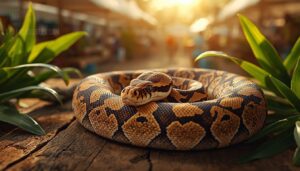
Finding a ball python near you is easier than you might think — you’ve got more options than just the big-box pet store down the street. From local breeders to weekend reptile expos, each buying channel has its own perks worth knowing about.
If you’re just starting out, brushing up on ball python care essentials for small snakes before you buy can save you a lot of guesswork down the road.
Here’s a look at the five best places to start your search.
Local Pet Stores and Reptile Shops
Your local pet store is often the easiest first stop. Shops near Falkenstein carry ball pythons for sale alongside in-store accessories like heat mats and starter enclosures.
Staff knowledge here genuinely matters — good representatives answer your husbandry questions on the spot. Many also maintain veterinary partnerships and offer loyalty discounts for returning customers.
Always check store hygiene before you buy. You can also browse recent ball python listings Falkenstein online.
Dedicated Ball Python Breeders Near You
Dedicated breeders take it a step further than your average shop. Look for ones with breeder accreditation and a clear breeding program focusing on health and temperament — they’ll share genetic stock diversity details and parentage for every animal.
Many offer individualized hatchling support, local breeder workshops, and captive-bred ball pythons for sale with a live arrival guarantee.
Real care shows.
Reptile Expos and Local Shows
Reptile expos bring dozens of breeders under one roof — and that’s where the magic happens. You’ll find ball pythons for sale, community networking opportunities, and sustainable sourcing practices all in one place.
Check the Event Schedule Highlights before you go, as educational talk themes and on-site health checks fill up quickly.
- Compare morphs side-by-side
- Ask breeders directly about genetics
- Attend reptile husbandry best practices talks
- Review reptile buyer information and consent forms on the spot
Online Marketplaces With Local Pickup
Beyond expos, an online reptile marketplace can connect you with local sellers offering cashless payment on pickup and real-time arrival alerts. Look for seller verification badges and use in-app chat logs to document agreements. Always arrange exchanges at public meeting locations.
Sites like Pets Plus Stafford list local ball pythons available, making the online purchase process for snakes surprisingly straightforward.
How to Search by City or Zip Code
Most platforms make this easier than you’d think. Type your city name and let the city autocomplete finish it — then apply a ZIP radius filter to catch sellers within 10–25 miles. Use map pin selection to visually browse density, and neighborhood refinement to zero in further. Always cross-check listings with location verification tools.
For confirmed Ball Python availability at Pets Plus Stafford, their online pet marketplace includes a pet reptile sales inquiry form.
How to Compare Local Sellers

Not every seller is worth your time or your money. Knowing what to look for before you commit can save you a lot of headaches down the road.
Here is what separates the good ones from the rest.
Health Guarantees and Live Arrival Policies
Not all guarantees are equal. A Live Arrival Guarantee paired with 7-day health coverage tells you the seller stands behind their animals.
Check the guarantee window carefully — most require contact within 24 hours. You’ll need documentation proof, like photos or video.
Confirm packaging temperature controls and shipping weather limits upfront. Always ask about claim resolution options before you commit.
Seller Reviews and Reptile Community Feedback
Don’t skip the homework — seller reviews are your inside scoop into real experiences. Look past star ratings and dig into Review Authenticity and Reputation Scoring patterns across the herp hobbyist community.
Watch for:
- Consistent Post‑Purchase Communication praise or complaints
- Transparency Metrics around morph accuracy and lineage
- Breeder reputation flags from Community Rating Systems
Trusted online reptile retailers earn their standing through honest customer service and support in reptile sales.
Captive-bred Versus Wild-caught Claims
Captive-bred is the premium standard — and here’s why it matters.
A captive-bred python comes with lineage documentation, consistent feeding records, and lower parasite risk. Wild-caught snakes often show unpredictable stress response and require legal compliance paperwork under reptile trade regulations and animal welfare guidelines.
Captive-bred pythons offer documented lineage and lower health risks; wild-caught snakes bring paperwork and unpredictability
| Factor | Captive-Bred |
|---|---|
| Lineage Documentation | Detailed records |
| Parasite Risk | Considerably lower |
| Stress Response | Calm, predictable |
| Growth Consistency | Steady, documented |
Always ask first.
Morph Accuracy and Genetics Transparency
Every morph name is a promise — so hold sellers to it. Reputable breeders back their ball python morph genetics with full Lineage Documentation, Allele Verification, and Genotype Disclosure, not just a pretty label.
Ask for:
- Morph Pedigree Policies and parental genotype records
- Independent Genetic Health Screening results
- Verified genetic bloodlines confirming captive-bred ball python morph selection
No paperwork, no deal.
Pickup, Delivery, and Shipping Options
Getting your ball python home safely starts with knowing your options. Here’s a quick breakdown:
| Option | Key Detail | Watch For |
|---|---|---|
| Local Pickup Scheduling | Free or reduced cost | Confirm hours and ID |
| Delivery Fees | Waived on select morphs | Limited to ~20 miles |
| Overnight Shipping | Temperature-controlled carriers | Shipping Temperature stability |
| Live Arrival Guarantee | 7-day health coverage | Carrier Reliability matters |
| Transfer Etiquette | Health records required | Regulatory compliance for shipping live snakes |
Snake shipping logistics and handling of live reptiles demand a trusted seller — don’t settle.
Ball Python Morphs and Prices
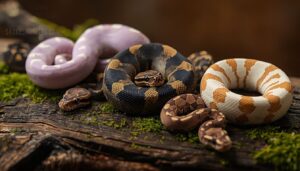
Ball pythons come in a wide range of colors and patterns — and yes, the price tags vary just as much as the looks. Whether you’re eyeing your first snake or hunting down something truly rare,
Knowing what morphs cost (and why) puts you in the driver’s seat. Here’s what you need to know before you open your wallet.
Common Morphs for First-time Buyers
For a first-time snake owner, the right morphs make all the difference. Affordable Butter variants, bright Albino options, and easy-care Pied morphs are crowd favorites—simple pattern morphs that don’t demand extra husbandry knowledge. These accessible choices prioritize ease and visual appeal for beginners.
Many breeders offer starter morph bundles that pair clean genetics with documented feeding records, ensuring reliability for new owners. With today’s captive-bred ball python morphs, finding options that match your confidence level has never been easier. This accessibility simplifies the process of selecting a snake aligned with your experience.
Rare and Designer Morph Price Ranges
Once you move past beginner morphs, the price range for ball pythons climbs rapidly, influenced by factors like lineage documentation, breeder premiums, and Hybrid Multi-Gene Valuation.
- Ultra-rare single-gene morphs start around $800–$5,000
- Double and triple combos hit $1,500–$15,000
- Seasonal price swings can shift costs 10–25%
Online sales of captive-bred ball python morphs offer discounted options worth watching out for.
Male Versus Female Price Differences
Females usually cost more than males — that’s just how the gender price gap plays out in ball python markets. Breeders charge a female premium because they can produce eggs, making them valuable long-term investments. Male ball pythons, by contrast, often come with a quiet male discount.
Expect females to run $50–$150 higher across most pricing tiers for exotic pet snakes.
Hatchling, Juvenile, and Adult Pricing
Age and morph shape price as much as morph does. Here’s how the tiers break down for Ball Pythons for Sale:
- Hatchlings: $60–$180, perfect entry points
- Juveniles: $150–$350, morph clarity drives value
- Adult Ball Pythons: $200–$600+, proven health adds worth
Breeder reputation and age-based price trends mean online sales of captive-bred ball python morphs often reflect these ranges consistently.
What Affects Ball Python Cost Locally
Local pricing isn’t random — it shifts with several real factors.
Breeding Season Demand can spike costs fast, especially for captive-bred morphs.
Transport Distance Costs and Regulatory Fee Impact add up depending on your region.
Seller Warranty Premiums reflect reptile health guarantee and coverage policies baked into the price.
Even Regional Tax Fees matter. Know these levers before you buy.
Finding Value Without Sacrificing Quality
Finding value isn’t just about spotting the lowest price — it’s about doing a real Cost Benefit Analysis.
Compare Breeder Credentials, ask about Hidden Fees, and look for Starter Kit Bundles that stretch your dollar further. Prioritize reptile health guarantee and coverage policies, especially for captive-bred ball python morph selection.
Smart buyers balance pricing tiers for exotic pet snakes with Long-Term Care costs to win big.
How to Check Snake Health
Before you hand over any money, take a good look at the snake itself — a healthy ball python tells you a lot.
There are a few key things worth checking, from how it eats to whether its last shed went smoothly. Here’s what to look for.
Signs of a Healthy Ball Python
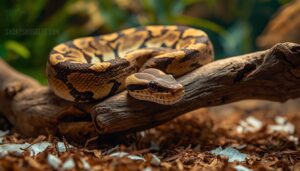
A healthy ball python practically tells you it’s thriving. Look for clear eyes, smooth scales, and a rounded body — no sunken ribs, no crusty buildup.
Steady breathing matters too; open-mouth breathing is a red flag. Active behavior during typical waking hours signals a well-adjusted snake.
Run through this reptile health checklist before any purchase to confirm utmost health.
Feeding History and Current Eating Habits
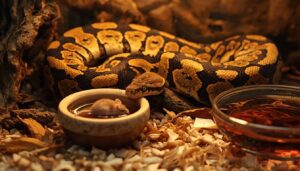
A snake that eats well is a snake that’s doing well — it’s that simple. Always ask the seller for a Feeding Log Essentials record before committing.
Here’s what to check:
- Meal Frequency Schedule — babies eat every 5–7 days; adults every 10–14
- Prey Size Guidelines — prey should match the snake’s widest body point
- Temperature Appetite Effects — refusals often mean the enclosure is too cool
- Shedding Refusal Patterns — skipped meals around shed cycles are normal
- Feeding rodents type — confirm frozen-thawed, not live
Shedding Quality and Hydration Indicators
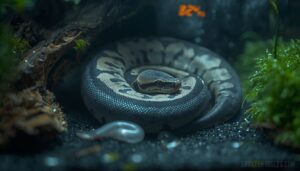
A single shed tells you a lot. Look for clean sheds — one complete piece, smooth skin sheen restored, with no retained shed clinging to the tail or face.
Cloudy eye cloudiness before a shed is normal; it’s the "blue phase".
Your humidity monitoring should stay 50–60%, rising slightly during shed cycles.
Solid reptile husbandry and consistent temperature and humidity control for pythons make all the difference.
Respiratory, Mite, and Injury Warning Signs
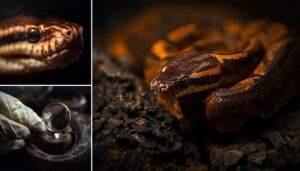
Open-mouth breathing isn’t your ball python "yawning" — it’s a red flag. Watch for nostril flaring, wheezing, or rapid respiration, all signs of respiratory issues.
Check between scales for tiny moving specks; spotting mites early prevents major problems.
Swelling injuries near the head or tail demand immediate veterinary care. Don’t wait — these require urgent attention.
Morph-related Genetic Health Concerns
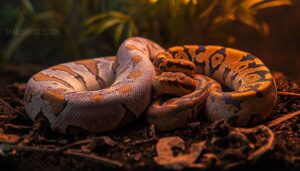
Beyond physical warning signs, morphs carry invisible risks worth knowing:
- Lethal Pairings can produce embryos that never hatch.
- Sublethal Effects leave surviving offspring weaker long-term.
- Inbreeding Depression quietly reduces genetic diversity and resilience.
- Hidden Carrier Risks mean healthy‑looking parents still pass on problems.
- Genetic Documentation separates trustworthy breeders from guesswork sellers.
Ask for lineage records — photos can’t reveal inheritance.
Why Veterinary Records Matter

Vet records aren’t just paperwork — they’re your snake’s story. Treatment continuity ensures a new vet isn’t starting blind. Diagnostic history reveals patterns, and medication safety depends on knowing what’s already been tried.
| What Records Show | Why It Matters |
|---|---|
| Preventive tracking | No missed parasite or screening cycles |
| Legal accountability | Documented proof of veterinary care for reptiles |
Reputable sellers offering a reptile health warranty or animal health guarantee include health and feeding assurance before shipment — that’s your foundation.
Prepare for Your New Ball Python
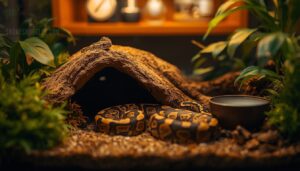
Getting your setup right before your ball python arrives makes everything easier — for both of you.
There are a few key things you’ll want to have in place from day one. Here’s what to cover before you bring your new snake home.
Enclosure Size and Security Basics
Your ball python’s home sets the tone for everything. Hatchlings require a 20-gallon reptile enclosure, while adults need 40–60 gallons minimum.
Choose enclosure materials like glass or sealed wood—they hold humidity and clean up easily. Strong security latches aren’t optional; these snakes are escape artists.
Good ventilation systems keep air fresh without letting your snake slip through.
Heat, Humidity, and Lighting Setup
Once the enclosure is locked down, temperature and humidity control for pythons becomes your next priority.
Here’s what your setup needs:
- Heat Source Options: Use heat mats or ceramic emitters — keep the warm side at 88–92°F
- Thermostat Control: A proportional thermostat holds temps within 2–3 degrees consistently
- Humidity Monitoring: Aim for 50–60%; a hygrometer at eye level tells the truth
- Light Cycle Timing: 12 hours on, 12 off — a simple timer manages this
- Nighttime Heating: Skip bright lights; ceramic emitters keep warmth without disruption
Hides, Substrate, and Water Dish Essentials
Three things make or break your reptile enclosure setup: hides, substrate, and water.
Follow the Hide Size Guide — entrances between 1.5 and 3 inches keep your snake secure without trapping it.
For safe substrate textures, aspen or cypress mulch at 2–4 inches deep perfectly manages humidity.
Place a weighted dish on the cool side, and stick to the weekly cleaning routine basics.
First-week Acclimation and Handling Tips
When your new python arrives, resist the urge to handle it right away. Quiet Placement matters — keep the enclosure away from noise and traffic for the first 72 hours. Skip feeding immediately; that Feeding Pause reduces stress greatly.
Handling Duration should be kept to 5–10 minutes max.
Maintain your Humidity Mist Routine daily, and use the Skin Elasticity Test to catch dehydration early.
Feeding Schedule for New Arrivals
Once your python has settled in for 3–5 days, it’s time to consider its first meal. Don’t rush this step—check the seller’s feeding record first to understand its prior diet and routine.
A recommended snake feeding schedule is structured as follows:
- Juveniles: Feed every 5–7 days
- Subadults: Feed every 7–14 days
- Adults: Feed every 14–30 days
Adhere strictly to prey size guidelines, maintain a detailed intake tracking log, and if your snake refuses a meal, wait 7 days before attempting to feed again.
Local Ownership Rules and Permit Checks
Before your ball python settles in, check your local zoning restrictions and HOA policies — some neighborhoods quietly prohibit exotic pets. A permit application may be required, even for a pet snake kept indoors.
Confirm inspection requirements with your county’s animal control office. Also review your insurance coverage, since reptile legal regulations vary widely.
Responsible reptile ownership starts before the snake arrives.
Frequently Asked Questions (FAQs)
Where can I buy a ball python?
Local pet stores, reptile expos, reputable breeders, rescue organizations, and online marketplaces all offer captive bred ball pythons for sale.
Community forums and social media groups often share the best leads for finding these sources.
Why buy ball pythons from Wilbanks?
Wilbanks Reptiles stands out for its Experienced Breeder Facility, Transparent Morph Records, and captive bred ball python morph selection from established bloodlines — backed by Reliable Shipping, Individualized Care Guidance, Competitive Pricing, and 7-day health coverage.
The facility prioritizes excellent customer service and support in reptile sales, ensuring a seamless experience for enthusiasts and breeders alike.
Can you buy albino ball python online?
Albino Ball Pythons can be purchased online through reputable sites that offer captive-bred morphs with secure payment options, shipping temperature control, breed verification, and clear refund policies.
Always check international regulations before ordering.
Are ball pythons good pets?
They make wonderful pets. Their calm demeanor, small footprint, and simple feeding schedule suit any first-time snake owner perfectly.
With predictable activity patterns and a long lifespan, responsible reptile ownership feels genuinely rewarding.
Should I get a ball python as a beginner?
Ball pythons tick almost every box for a first-time snake owner — calm temperament, manageable size, and low maintenance requirements.
With realistic time investment and attention to ball python enclosure requirements, responsible reptile ownership becomes genuinely rewarding.
How long do ball pythons live?
In captivity, ball pythons routinely hit 20 years — with proper life-extending husbandry, some longevity records push past Wild lifespan averages 10–15 years. Plan for decades of responsible ownership.
Do Petsmart sell ball pythons?
PetSmart does sell ball pythons — check the reptile section in-store, though availability varies by location.
Contact customer service or browse online before visiting; inventory updates frequently and regional listings differ.
How much should I pay for a ball python?
Expect to pay $50–$300 for common morphs. Rare designer types run $500–$1,000+. Seasonal price swings, market demand, age, and sex all shift costs. Budget for setup too.
What is the price of ball python?
Prices usually range from $50 for a normal to over $2,000 for rare designer morphs. Breeder reputation markup, shipping fee considerations, and seasonal price trends all influence what you’ll actually pay.
Do ball pythons bond with you?
Not exactly — but don’t let that discourage you.
Through consistent handling routine and recognition cues like your scent, ball pythons build real familiarity. That trust signals comfort, and for a pet snake, that’s the bond.
Conclusion
Imagine this: you drive across town, find a ball python for sale near me listed by a local breeder, and the snake eats confidently that first week. That outcome wasn’t luck—it was preparation.
You knew what healthy looked like, asked the right questions, and your enclosure was ready before the snake arrived. That groundwork is everything.
A well-kept ball python doesn’t just survive in your care—it genuinely thrives.