This site is supported by our readers. We may earn a commission, at no cost to you, if you purchase through links.
Pair a Pastel with a Spider and you’re not just crossing two morphs. You’re rolling dice on four possible outcomes, and each one carries its own odds. Some breeders guess. Smart ones calculate.
That’s where ball python morph combination odds come in. Punnett squares aren’t scary once you break them down gene by gene. Dominant, recessive, incomplete dominant, they each play by different rules, and mixing genes without understanding those rules is how surprises (and heartbreak) happen in the clutch.
Ready to stop guessing and start predicting? Let’s crack the genetic code behind your next hatch.
Table Of Contents
- Key Takeaways
- How Ball Python Morph Combination Odds Work
- How to Calculate Morph Odds
- Common Ball Python Pairing Examples
- Factors That Affect Breeding Outcomes
- Planning Healthy Morph Combinations
- Frequently Asked Questions (FAQs)
- What is the rarest ball python morph?
- Which ball python morphs to avoid?
- What are the most sought after ball python morphs?
- What is a holy grail ball python?
- Can you visually tell a het snake apart from normal?
- Do morph combinations affect a ball pythons temperament?
- How many morphs can realistically be combined in one snake?
- Conclusion
Key Takeaways
- Different genes follow different rules—dominant, recessive, and incomplete dominant traits each produce their own predictable ratios, so you’ve got to know which type you’re working with before betting on results.
- Punnett squares are your best friend: figure out both parents’ genotypes, build the grid, then divide your target outcomes by total boxes to get real odds.
- When you’re stacking multiple genes, just multiply the individual probabilities together (as decimals!) to find your combined odds, like 25% albino times 50% het pinstripe equals 12.5%.
- Real clutches don’t always match the math—random variance, hidden hets, sex-linked traits like Banana, and even lethal gene combos like Super Spider can all throw curveballs at your predicted odds.
How Ball Python Morph Combination Odds Work
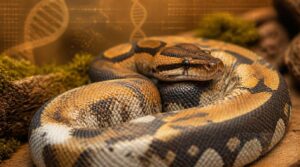
Genetics might sound intimidating, but ball python breeding really comes down to a few fundamental rules. Once you know how genes, dominance, and inheritance work together, those percentage odds start making total sense.
Pairing up compatible morphs gets a lot easier when you check a ball python morph compatibility chart before locking in your next breeding project.
Let’s break down the building blocks you’ll need before punching any numbers into a Punnett square.
Genes, Alleles, and Genotypes
Genetics is basically a set of instructions, and alleles are the different versions of those instructions. Every gene sits at a specific locus, and you inherit two alleles per gene, one from mom, one from dad. This process of allelic variation and inheritance follows predictable patterns that geneticists use to calculate offspring outcomes.
- Homozygous pairs match
- Heterozygous pairs differ
- Together they form the genotype
- Genotype shapes what you actually see!
Dominant Trait Inheritance
Dominant genes don’t mess around. One copy is all it takes for the trait to show up, no waiting for a matching partner.
Pair a het parent with a normal, and you’ll see roughly 50% affected offspring, like Spider or Pinstripe.
| Genotype | Copies Needed | Result |
|---|---|---|
| Heterozygous | 1 | Trait shows |
| Homozygous | 2 | Trait shows |
| Normal | 0 | No trait |
Incomplete Dominant Traits
Now here’s where things get fun. Incomplete dominant genes don’t just flip on or off, they mix!
Pair two hets and you’ll see a phenotypic mix: 25% super, 50% visual, 25% normal. Think Pastel, showing heterozygote expression as a golden intermediate phenotype between two extremes.
Before planning any pairings, reviewing a guide to combining ball python morphs safely helps you anticipate both the exciting co-dominance outcomes and the welfare risks certain combinations carry.
This incomplete dominance pattern is exactly why it helps to brush up on codominant versus recessive ball python genetics before planning your pairings.
- Mixed color intensity
- Softer pattern breaks
- Mid-range yellow tones
- Unique "super" forms
- Predictable genetic ratios
Recessive Trait Inheritance
Recessives play the long game. You need two copies of the same allele for the trait to show, one from each parent.
| Genotype | Result |
|---|---|
| aa | Visual |
| Aa | Carrier |
| AA | Normal |
Two hets bred together give you 25% visual odds. Sneaky carriers can skip generations, hiding recessive traits until pairings reveal them again.
If you’re planning a breeding project, mapping out a ball python morph genetics chart can help you track which hets are hiding in your lineage.
Allelic Complex Interactions
Not every gene plays nice with simple math. Allele dosage effects shift outcomes based on biochemical activity differences between paired alleles.
Motif interaction patterns explain this best:
- Positive motifs boost trait expression
- Negative motifs dampen it
- Zero motif shows functional neutrality
- Heterozygotes create unique looks
- Phenotype expression mapping ties it together
Your offspring outcomes depend on these hidden rules!
How to Calculate Morph Odds
Okay, time to get practical. Math scares some folks off, but this part’s actually pretty simple once you see it laid out. Here’s exactly how you work out those odds, step by step.
Identify Parent Genotypes

Before any math happens, you need solid genotypes for both parents. Guessing gets you nowhere.
Pull records, check breeder paperwork, or track offspring history. Was Mom ever proven het for albino? Does Dad throw pieds? Homozygous parents breed true; heterozygous carriers hide traits. Verify everything first, since shaky genotype info wrecks your odds before you even start calculating.
Create Punnett Squares
Grab a pen. It’s time to build your grid.
Label the top with one parent’s gametes, the side with the other’s. Fill each cell by pairing alleles across rows and columns.
That simple genotype frequency map predicts:
- Heartbreak avoided
- Dream morphs realized
- Wasted pairings prevented
Basics done right, every calculation downstream gets easier.
Calculate Single-Gene Odds
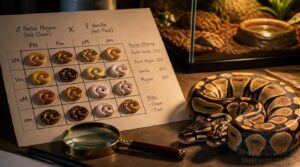
Now read that grid like a scoreboard. Count boxes with your trait, divide by total boxes, that’s your odds.
Two heterozygous recessive parents? You’ll see 25% visual, 50% carriers, 25% normal. Dominant crosses skew 3:1. Incomplete dominant pairs split 25/50/25 across normal, visual, and super. Simple ratios, powerful predictions.
Multiply Independent Probabilities
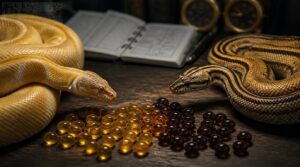
Two genes, zero drama: just multiply. That’s the whole trick behind independent event multiplication.
Got 25% albino and 50% het pinstripe? Multiply straight across: 0.25 × 0.50 = 12.5%.
- Convert percentages to decimals first
- Multiply straight across, no shortcuts
- Never add when you should multiply
Skip that decimal conversion and you’ll miscount your entire clutch’s odds.
Track Possible Heterozygotes
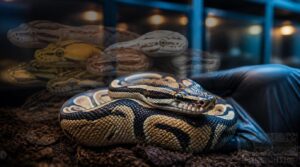
Hidden hets are the sneaky part of breeding math. Every clutch can carry invisible carriers you didn’t plan for.
| Cross Type | Het Odds |
|---|---|
| Single recessive | 50% |
| Double recessive | 25% each |
| Unproven line | Unknown |
Heterozygote carrier tracking keeps your genotype probability mapping honest, even when phenotypes look normal.
Common Ball Python Pairing Examples

Theory only gets you so far. You need real pairings to see how the math plays out. Let’s break down five combos every breeder should know.
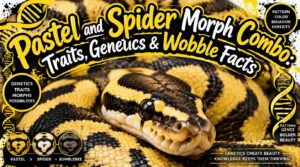
Pastel and Spider Pairing
Pastel and Spider make a gorgeous pair. Pastel softens color, Spider adds webbing. Together you get pale gold saddles with cleaner black outlines.
- Lighter head
- Creamy background
- Moderate webbing
- Uniform saddles
- Subtle belly shimmer
Odds run 25% each for Pastel, Spider, Bumblebee, and normal. Track lineage carefully!
Super Pastel and Normal
Now for something predictable! Super Pastel × Normal gives you 100% pastel odds, guaranteed.
Every offspring inherits one pastel allele, showing lighter color and softer black outlines. It’s a great starter pairing.
Want proof beyond looks? Genotyping confirms the pastel gene when phenotypes seem borderline. Keep husbandry standard, no special care needed here.
Double-Het Recessive Pairings
Now for a trickier puzzle: double het recessive pairings. Both parents carry one copy each of the same recessive gene, hidden beneath normal-looking scales.
Run the Punnett square and you’ll see 25% odds for the visual trait, 50% het, 25% normal. Genetic testing verifies carriers before you breed, since looks alone won’t reveal hidden recessive genes.
Mojave and Lesser Pairing
Now let’s talk two dominant-style genes stacking together. Mojave and Lesser both cut dark pigment and boost yellow tones, so pairing them multiplies the fun.
Odds run 6.25% for Blue Eyed Leucistic, plus single het outcomes for each gene. Allele dosage shapes everything here, from carrier phenotype to full homozygous expression. Breathtaking stuff!
Multi-Gene Designer Morphs
When you stack three or more genes, things get wild fast. Bumblebee times Lavender Albino times Piebald? That’s Dreamsicle territory, gorgeous phenotype blending with red eyes and white patches.
Gene stacking multiplies fast: three genes with two alleles each gives 64 possible offspring genotypes. Your morph calculator becomes essential here, not optional.
Factors That Affect Breeding Outcomes
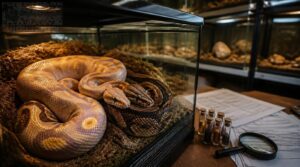
Math on paper is one thing. Real clutches love to throw curveballs at you. Here’s what can shake up your odds even when your Punnett square looks perfect.
Random Clutch Variance
Punnett squares predict odds, but real clutches love surprises. Clutch size can swing from 2 to 12 hatchlings, and morph frequency often deviates from your expected ratios. You might see a mild male bias too. Heterozygous carriers hide among visual morphs, unseen at hatching. Incubation conditions shape timing and viability. Math gives you odds, not guarantees!
Punnett squares predict odds, not guarantees—real clutches always have surprises in store
Hidden Recessive Genes
Because carriers show zero visible clues, your "normal-looking" breeders might secretly hold recessive genes for generations.
- Albino
- Piebald
- Clown
- Axanthic
- Pied
That’s hidden gene expression at work. Recessive trait masking means two carriers can pair up, and 25% of offspring hatch affected. Pedigree tracking becomes your best defense here!
Sex-Linked Banana Traits
Banana breaks the usual rules! This trait rides the Banana X chromosome, so inheritance splits by sex. Males pass it to every daughter, and male trait visibility is sharp since they’ve only got one X.
Females can be quiet carriers, invisible but genetically loaded. Pair two carriers, and carrier breeding probability lands at 25% affected, standard sex-linked math.
Unproven Morph Genetics
Not every morph plays by the rulebook. Unproven morph genetics means we haven’t confirmed how a trait actually inherits yet. Hidden genes, weird trait variance between siblings, it happens.
That’s why breeder collaboration matters so much. Multiple generations, shared pedigrees, honest tracking. Until then, treat those odds as educated guesses, not guarantees.
Lethal Gene Combinations
Some genetic pairings don’t produce a morph. They end a clutch before it starts.
Lethal allele interactions happen when two specific alleles meet in the zygote, causing embryonic death early on. Super Spider is the classic example, tied to spider wobble syndrome. Homozygous lethal traits like this can cut viable eggs by a third. Choose breeding combinations carefully.
Planning Healthy Morph Combinations
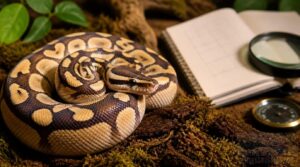
Math is only half the job. The other half is making sure those odds actually lead somewhere healthy for your snakes. Here’s what to check before you commit to a pairing.
Most of the common pitfalls, from poor hatch rates to stressed breeders, are covered in this guide to snake breeding problems and solutions, so it’s worth a read before pairing day.
Verify Each Parent’s Genetics
Before you trust a pairing on paper, trust the paper trail. A DNA marker analysis confirms both parents genetically, catching mislabeled snakes before they wreck your projected odds. Run a proper parentage confirmation test, not guesswork. Cheap insurance beats a clutch of surprises.
Your breeding combinations only mean something if the starting genetics actually check out!
Check Morph Compatibility
Confirmed parents in hand, now check if their genes actually play nice together. Run an allele interaction check before locking in any pairing.
Quick five-step scan:
- Dominance conflict review
- Lethal combo screening
- Sex-linked trait alignment
- Gamete compatibility test
- Morph calculator cross-check
Use a morph compatibility chart. It beats guessing every time!
Avoid High-Risk Pairings
Your compatibility chart flags problems. Now act on them.
Skip pairings with lethal gene combinations, like doubling up on genes that kill embryos in ovo. Steer clear of stacking Spider wobble risk with other neurological morphs. Watch for hidden recessive lethals hiding in your lines, and go easy on designer morph interactions involving three or more genes. Ethical breeding means saying no sometimes.
Preserve Genetic Diversity
Saying no to risky pairs is step one. Step two? Don’t let your whole collection lean on one bloodline.
- Rotate breeders regularly
- Track pedigrees closely
- Source from multiple farms
Genetic diversity keeps your population healthy long-term. Monitor effective population size, watch for inbreeding creep, and you’ll protect adaptive potential for generations.
Use Genetics Calculators
Once diversity’s covered, let math do the heavy lifting. A solid genetics calculator turns parent genotypes into instant offspring odds, no napkin math needed.
Just plug in consistent allele notation, define each inheritance pattern, and run multi-trait cross analysis for designer combos. You’ll get phenotype probabilities fast. Still, treat results as a guide, not gospel.
Frequently Asked Questions (FAQs)
What is the rarest ball python morph?
The blue eyed leucistic takes the crown, with just one known captive occurrence ever recorded. That kind of genetic rarity, paired with sky-high rare morph pricing, makes it the top collector’s grail in the hobby today.
Which ball python morphs to avoid?
Like Icarus flying too close to the sun, some morphs chase beauty at a steep cost. Skip Spider morph’s neurological risks, watch for pattern defects, and avoid stacking recessives that threaten clutch viability or cause lethal combinations.
What are the most sought after ball python morphs?
Blue Eyed Leucistic tops most wish lists for its solid white body and piercing blue eyes. Super Pastel Yellow Belly, Mojave, and Lemon Blast follow close behind, prized as collector favorite morphs with serious premium pricing trends.
What is a holy grail ball python?
A holy grail morph stacks rare recessive and codominant genes for jaw-dropping contrast and clean patterning. No official registry exists, so genetic rarity, breeding for rarity, and proven pedigrees drive its legendary status among collectors.
Can you visually tell a het snake apart from normal?
Nope, hets are the best poker face! Visual identification usually fails you. Genetic markers, not looks, confirm carrier snakes. Trust pedigree-based verification or testing over guesswork, since heterozygous traits stay hidden until paired right.
Do morph combinations affect a ball pythons temperament?
Genetics shapes color, not personality. Temperament vs morph genetics comes down to handling, environment, and early socialization. Even flashy Spiders or complex designer morphs stay calm with consistent care, gentle handling, and low-stress housing.
How many morphs can realistically be combined in one snake?
Four to five visual traits is your realistic ceiling. Push past that and you’ll hit morph stacking limits fast, fertility drops, health risks climb, and genetic diversity suffers. Stable lineages beat flashy overload every time.
Conclusion
Every clutch is a card table, and genetics deals the hand while you call the odds. Mastering ball python morph combination odds turns guesswork into real strategy, not blind hope.
You’ll still get surprises, hatching is never a sure bet, but you’ll know exactly why they happened. That’s the difference between hoping for a Bumblebee and confidently expecting one.
Learn the math, trust the squares, and let every pairing tell its story before it hatches.