This site is supported by our readers. We may earn a commission, at no cost to you, if you purchase through links.
Walk into any reptile expo and you’ll spot corn snakes stealing the show, coiled up like living paintbrush splatters in every color a breeder could dream up. One tank holds a blazing amelanistic glowing red-orange, the next a snow morph so pale it looks dusted in powdered sugar. That’s the wild part about corn snake genetics: a handful of recessive and incomplete dominant traits can produce hundreds of distinct looks from one species.
Prices swing from $40 normals to $700+ rarities, and picking your favorite depends on what mix of color, pattern, and personality speaks to you. Whether you’re chasing the best corn snake morphs for a first pet or hunting rare genetic combinations, there’s a snake here that’ll fit your vision.
Table Of Contents
- Key Takeaways
- Best Classic and Locality Corn Snake Morphs
- Best Albino and Color Corn Snake Morphs
- Best Pattern Corn Snake Morphs
- Best Rare and Multi-Trait Corn Snake Morphs
- How to Choose Your Best Corn Snake Morph
- Frequently Asked Questions (FAQs)
- What are the most popular corn snake morphs?
- What is the rarest cornsnake morph?
- What is the best set up for a corn snake?
- Is it ethical to breed corn snake morphs?
- What is the most popular corn snake morph?
- What is the perfect corn snake enclosure?
- What is a ghost corn snake?
- What is the orange morph corn snake?
- How do corn snake morphs affect behavior?
- Are certain morphs more prone to health issues?
- Conclusion
Key Takeaways
- Corn snakes owe their huge variety of colors and patterns to a handful of recessive and incomplete dominant genes, so you can find hundreds of distinct looks within one species.
- Prices swing wildly depending on rarity, from around $40 for a Normal morph up to $700+ for something like a Palmetto, so your budget genuinely shapes which morphs are realistic options.
- A hatchling’s dazzling colors often fade or soften as it matures, so you should judge a morph by its adult appearance rather than falling for nursery charm alone.
- Since husbandry needs stay nearly identical across most morphs (with scaleless snakes being the main exception), your best bet is picking a healthy snake from an ethical, transparent breeder rather than chasing rarity for its own sake.
Best Classic and Locality Corn Snake Morphs
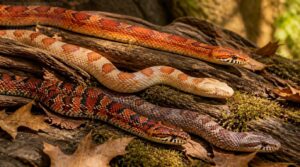
Every corn snake collection starts somewhere, and the classics and localities are your foundation, the tried-and-true genetics that built this hobby before fancy morphs ever existed. These aren’t flashy lab creations; they’re shaped by wild populations and decades of selective breeding, each locality carrying its own signature look.
If you’re curious how these traditional patterns evolved into today’s dazzling variations, our guide to corn snake morphs and their genetic origins traces that fascinating journey.
Let’s break down four standouts that prove "basic" can still turn heads.
Normal: Best Affordable Classic
Pantherophis guttatus in its truest form: brown-tan wildtype patterns, beginner-friendly pricing ($60–$150), rock-solid temperament.
- Calm, predictable handling
- 10–15 year lifespan
- Thrives on thawed rodents
- No special substrate needed
Care simplicity shines here. Ethical breeders offer lineage transparency and health guarantees, making Normal your smartest entry into corn snake genetics.
Okeetee: Best High-Contrast Locality
Ready for bolder saddles? Okeetee locality corns bring thick black borders wrapping vivid red-orange mantles, straight from South Carolina’s Okeetee Hunt Club lines. Border thickness signals quality, so check lineage documentation before buying.
Bright, even lighting reveals true color intensity and pattern clarity. Prices fluctuate with breeding season, but authentic high contrast specimens stay hobby benchmarks worth chasing.
Miami: Best Cool-Toned Locality
Where Okeetee runs bold, Miami locality corns cool things down with silver-gray bases and bright red saddles, echoing the area’s pastel blues and whitewashed exteriors. Think:
- Shaded courtyards with pale stone pathways
- Water-themed design accents
- Heat-reflective roofing tones
These cool-toned morphs produce larger clutches of smaller neonates, and pattern clarity stays sharp against that silvery backdrop, boosting overall color intensity.
Keys: Best Pastel Locality
If Miami brings drama, Keys locality corns bring a whisper. Picture a soft light yellow to peach base with muted orange, minimal black, and warm amber eyes. Pattern blends gently along the spine instead of popping.
This pastel hue stability holds for years, making Keys-line hatchlings a smart pick for breeders chasing softness over saturation.
Best Albino and Color Corn Snake Morphs
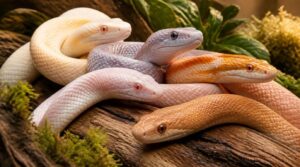
Once you’ve picked a base color or locality, the real fun starts with morphs that strip away pigment entirely. Albino and color genetics can turn a snake into anything from a ghostly white noodle to a soft lavender dream, all through simple recessive pairings you can actually plan for.
Here are five standout options worth knowing before you pick your next project.
Amelanistic: Best Classic Albino
Strip away the black, and you get pure fire: the albino corn snake trades melanin for glowing reds, oranges, and ruby eyes.
Responsible breeders pair that fiery look with health testing and clear lineage records, echoing the same care outlined in ethical practices for breeding ball pythons.
- Recessive inheritance (both parents must carry it)
- OCA2 gene mutation blocks pigment transport
- Brightness varies by breeding line
Candy Cane and Red Albino lines show off this dazzling genetic inheritance beautifully. Same easy care, same recessive trait, wildly different color variations.
Amphibians show a higher rate of albinism, with about 1 in 400 hatchlings exhibiting the condition. albinism in amphibians
Snow: Best Soft Pastel
Picture a snow globe just before the flakes settle: that’s Snow pastel coloration. This Snow corn snake stacks the amelanistic trait with anerythristic genetics—both recessive—for creamy white bodies and blushed pastel saddles.
| Trait | Effect |
|---|---|
| Amelanistic | Removes black/brown |
| Anerythristic | Mutes red/orange |
| Combined | Soft pastel wash |
| Inheritance | Fully recessive |
Pricing stays beginner-friendly; availability peaks each spring.
Blizzard: Best Near-White Morph
A ghost drifting through frost is the closest comparison for Blizzard corn snakes—amelanistic and charcoal genes combine for pure white bodies with red eyes and faint lavender undertones. Unlike Snow or Ultramel Anery lines, Blizzard minimizes yellow and orange almost entirely.
Choose breeders offering lineage certificates. Prices run premium; humidity between 40-60% prevents shedding issues on that pale, injury-showing skin.
Candycane: Best Red-White Contrast
A candy shop come to life—that’s Candycane, bred from amelanistic lines for bold red-white contrast. Cherry-red bands zigzag across bright white, with Candycane Band Uniformity and tight lineage boosting sharpness.
Crisp, evenly-spaced bands with minimal bleeding fetch premium prices, since Market Value Contrast rewards clean pedigrees. Stable temps and indirect lighting preserve that vivid red for years.
Lavender: Best Purple-Gray Coloring
A muted lilac wash over gray scales—that’s Lavender, a simple recessive gem born from unique Genetic Color Expression.
Lighting shifts its look dramatically:
- Cool light deepens blue undertones
- Warm light softens toward smoky gray
- Studio lighting reveals true Lavender appearance
Stable temps preserve color retention, while Lavender Motley pairings boost pattern contrast beautifully.
Best Pattern Corn Snake Morphs
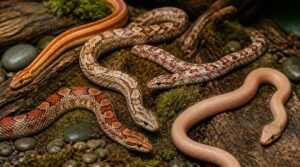
If color is the paint, pattern is the brushstroke, and corn snakes have some seriously wild ones. Genetics can rearrange those classic blotches into stripes, chains, or scattered fragments without touching the base color underneath.
Here are five pattern morphs that show off just how creative a single gene mutation can get.
Tessera: Best Dorsal Stripe
A racing stripe down the spine, that’s Tessera’s calling card. This dominant gene delivers a bold dorsal stripe with sharp edges, dark ventral scale edging, and lateral checkering adding contrast.
Stripe width varies between clutches, sometimes running head-to-tail unbroken. Since it’s dominant, breeding potential is huge—pair with almost anything and expect visible stripe inheritance in offspring.
Motley: Best Linked Pattern
If Tessera paints one bold line, Motley links a whole chain of them. This recessive mutation fuses blotches into a connected side chain, framed by high contrast borders that stay legible even after shedding.
Color baseline shifts with locality lines—Okeetee sharpens edges, Miami cools tones—while pattern robustness holds strong. Ethical breeders prize link continuity and genetic inheritance stability when selecting breeding stock.
Stripe: Best Clean Lines
Where Motley links chains, the Striped corn snake trades blotches for two clean racing stripes, neck to tail. This recessive trait shows stable stripe sharpness maintenance, minimal blotching, and stripe color deepening with age. Albino stripe contrast pops brightest.
Growth stays steady, though some lines run slower—handle gently, and this genetic inheritance holds firm across generations.
Aztec: Best Broken-Blotch Pattern
If clean stripes aren’t your thing, the Aztec morph shatters the mold entirely. This recessive trait creates broken blotch texture with jagged edges and negative space, forming a true patchwork pattern across the back.
Blotch fragmentation levels vary clutch to clutch, and lineage-based variation means breeder lines differ in size and density. Result: striking visual contrast emphasis, no two Aztecs alike.
Diffused: Best Reduced Pattern
Where Aztec throws chaos onto the canvas, Diffused hits the dimmer switch. This recessive trait creates subtle dorsal blending, larger blotches with softened edges that melt into a smooth, low-contrast stripe.
Locality lineage shapes results, favoring balanced pattern distribution and gradual color shift. Pattern clarity stays intact along the tail, and breeding potential runs high for calm, elegant offspring.
Best Rare and Multi-Trait Corn Snake Morphs
Once you’ve got the classics and pattern morphs down, this is where corn snake breeding really turns into an art form.
Rare genetics and multi-trait combos push colors, patterns, and price tags into territory that feels almost custom-made.
Here are five standouts worth knowing before you go morph shopping.
Palmetto: Best Speckled Rarity
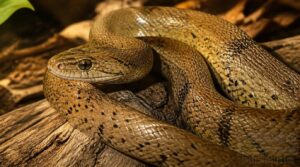
Picture a paintbrush flicking dark speckles across warm olive skin—that’s Palmetto, one of the rarest corn snake morphs you’ll encounter.
- Speckle density varies wildly between individuals
- Base color ranges warm brown to olive
- Lineage documentation confirms authentic pairings
- Photographs reveal stunning textured detail
- Care mirrors standard corn snake needs
This speckled rarity rewards patient collectors chasing something genuinely uncommon.
Opal: Best Pastel Combination
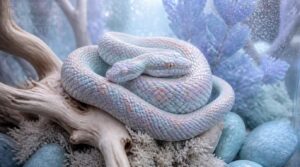
Soft as a snow globe, the Opal corn snake blends pastel opal blends of blue, lavender, and mint into whisper-quiet balance. Peach or amber flecks warm things up without breaking that Opal Color Balance.
This recessive trait shines under gentle Opal Lighting Effects, and its Opal Pattern Compatibility pairs beautifully with co-dominant morphs—true Opal Terrarium Aesthetics for collectors chasing ethereal color variations among genetic morphs.
Butter: Best Golden Combination
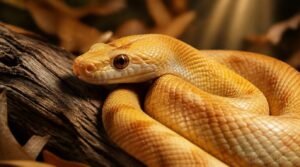
Honey poured over amber, that’s the Butter corn snake at its finest. This recessive trait creates a warm caramel appearance with reduced red, softening patterns into a smooth golden base enhancement. Dark copper eyes deliver visual contrast emphasis against the glow.
Being widely available keeps this morph’s breeding potential and demand strong, with easy husbandry rounding out its everyday appeal.
Snow Tessera: Best Pastel Pattern
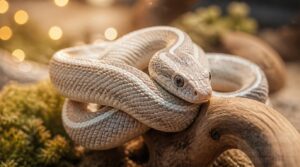
Ever seen a snow globe mid-shake? That’s Snow Tessera, blending pale cream and gray into a soft pastel pattern with fine speckling and a clean dorsal stripe.
- Gentle, even reticulation
- Ivory-toned stripe clarity
- Pairs beautifully under warm lighting
This recessive trait combo shows strong breeding potential, holding its pastel balance for years with basic long-term color care.
Scaleless: Unique Higher-Care Option
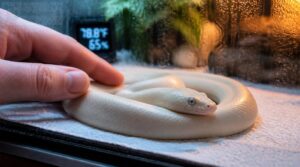
Run your fingers along a scaleless corn snake and you’ll swear it’s rubber, not reptile. This spontaneous mutation trades armor for a leucistic look and grayish eyes, but demands humidity control, gentle handling, and vigilant skin inspection.
| Care Factor | Requirement |
|---|---|
| Humidity | 60–70% |
| Warm Side | 88–90°F |
| Substrate | Smooth (paper towel) |
Selective breeding keeps this reptile genetics oddity thriving in captive breeding programs.
How to Choose Your Best Corn Snake Morph
Picking a favorite color or pattern is the fun part, but a smart choice goes deeper than looks alone. You’ll want to weigh how that hatchling’s appearance might shift with age, what it’ll cost you, and whether it fits your experience level.
Here’s what actually separates a good match from a "wish I’d known that" situation.
Adult Appearance Changes
That flashy hatchling won’t stay that way forever. Corn snakes shift as they mature: color fading mutes bright oranges, pattern softening blurs crisp saddle edges, and belly contrast fade dulls that checkerboard look. Add scale texture shift and slight eye clarity loss, and your Okeetee or Palmetto’s adult coloration may look nothing like its baby photos—so judge morphs on mature phenotype expression, not nursery charm.
Judge a corn snake morph by its mature coloring, not the flashy charm of its hatchling days
Purchase Price and Availability
Your budget shapes your options fast. Normal morphs stay under $40 year-round, while rarities like Palmetto ($350–$775) demand patience and breeder waitlists.
Consider:
- Price – common vs. rare morphs
- Supply cycles – seasonal breeding
- Shipping costs – $40–$120
- Market value – proven genetics hold resale strength
Locality morphs often sell out fast, so track breeder strains before committing.
Beginner Care Compatibility
Once price settles, care compatibility decides the real winner. Most corn snake morphs share identical husbandry: a 20–40 gallon setup, weekly feeding, and 78–82°F warmth.
Genetics like recessive traits or pattern mutations don’t change enclosure needs. Only scaleless morphs demand extra humidity monitoring. For beginners, prioritize regular shedding and steady appetite over rare coloring—health monitoring matters more than morph rarity.
Morph Versus Individual Temperament
Health matters more than color, but so does personality—and morphs don’t guarantee it. Temperament inheritance patterns run through lineage, not pattern genes, so calm parents often produce calmer clutches, though never guaranteed.
- Handling response differences vary even among siblings
- Stress reactivity levels shift with husbandry consistency
- Feeding behavior correlates with boldness, not color
- Activity level variation exists within identical morphs
Ask breeders about parent temperament, not just genetics.
Ethical Breeder Standards
Temperament aside, the breeder behind the clutch matters just as much as the snake itself. Look for transparent lineage records, documented health screening, and genetic diversity practices that avoid inbreeding depression.
Ethical breeders vet buyers, offer lifetime care support, and never oversell a morph’s rarity. That transparency protects your investment and the species long-term.
Frequently Asked Questions (FAQs)
What are the most popular corn snake morphs?
Picture a paint-splattered canvas: that’s the corn snake gene pool. Amelanistic, Anerythristic, and Tessera corn snake patterns lead the pack, alongside Motley links and Okeetee locality favorites — beginner-friendly, visually striking, and endlessly customizable for hobbyist creativity.
What is the rarest cornsnake morph?
Honestly, scaleless morphs take the crown for rarity, especially paired with unusual genetics.
Multi-trait combos like snow tessera and coral complex projects run a close second—stacking three-plus recessive genes makes true rarity a numbers game, not just a pretty label.
What is the best set up for a corn snake?
Think of the enclosure like a studio apartment: it needs zones. A 40-gallon habitat with a warm side (85–90°F), cooler ambient (78–82°F), 40–60% humidity, secure hides, and safe substrate covers every corn snake’s basic needs.
Is it ethical to breed corn snake morphs?
Yes, when breeders prioritize genetic diversity, avoid inbreeding, and use transparent lineage documentation. Ethical corn snake breeding means health testing over chasing rare morph combinations or inflated market value alone.
What is the most popular corn snake morph?
Every hobbyist survey and social media trend points the same direction: the Amelanistic (Albino) morph reigns dominant, prized for ruby eyes and fiery reds over Normal, Okeetee, Miami, or Keys lines—more expensive, yet still the top beginner favorite.
What is the perfect corn snake enclosure?
Picture a snug retreat, not a cage: a 40-gallon tank, warm side 85°F, cool side 75°F, humidity 40-60%, aspen substrate, and hides on both ends turn any enclosure into a thriving corn snake haven.
What is a ghost corn snake?
A ghost corn snake pairs hypomelanistic and anerythristic genetics, muting reds into soft grays and tans while keeping that classic blotched pattern intact—a codominant morph, not a true albino, since some pigment always lingers beneath the pastel wash.
What is the orange morph corn snake?
The orange morph flaunts a vivid orange base with dark saddle contrast, deepening into rich, coppery tones (Mandarin, Crimson, Sunglow-style hues) with age—selectively bred for bold color that pops against lighter ground shades, sometimes paired with albino genetics for pastel effects.
How do corn snake morphs affect behavior?
Like paint splashed on a canvas, color rarely predicts character. Genetic traits shape scales, not temperament—handling history and enrichment drive activity, stress response, and boldness far more than any morph’s pattern or recessive gene combo ever could.
Are certain morphs more prone to health issues?
Yes. Genetics load the dice: amelanistic and Snow morphs face higher respiratory and stress risks, Scaleless snakes battle skin issues, and anerythristic combos vary too. Choosing an ethical breeder cuts these odds dramatically.
Conclusion
The simplest gene often builds the wildest-looking snake, and that paradox is what hooks breeders for life. A $40 normal and a $700 palmetto share the same recessive toolbox underneath their scales.
Finding the best corn snake morphs isn’t about chasing rarity alone—it’s about matching genetics to your vision, budget, and patience. Choose wisely, buy ethically, and your collection will keep surprising you for decades.