This site is supported by our readers. We may earn a commission, at no cost to you, if you purchase through links.
A black rat snake can slip through a gap under your fence, cross a neighbor’s yard, and still never find a single safe place to rest. Honestly, that’s the problem with most suburban lawns. They’re tidy, bare, and useless to the critters we say we want around.
Snakes keep rodent numbers in check, and they only stick around where food, water, and cover sit close together. Creating a natural habitat isn’t complicated, and you don’t need acres to do it. You gotta think in layers, from leaf litter to tall oaks.
Here’s how to build a yard snakes will actually choose.
Table Of Contents
- Key Takeaways
- Plan Your Snake-Friendly Backyard Habitat
- Choose Native Plants for Layered Wildlife Cover
- Add Water, Shelter, and Basking Areas
- Top 3 Plant Products for Habitat Creation
- Maintain and Connect Your Backyard Wildlife Habitat
- Frequently Asked Questions (FAQs)
- What are the 5 essential elements of a habitat?
- How to create your own habitat?
- How do I turn my backyard into a wildlife habitat?
- What are the four main types of habitat?
- What are the five natural habitats?
- How do I naturalize my yard?
- How much does habitat creation typically cost?
- What permits are needed for pond installation?
- How long before wildlife starts visiting regularly?
- Can apartment dwellers create effective wildlife habitats?
- Conclusion
Key Takeaways
- Snakes stick around only where food, water, shelter, and basking spots sit close together, so start by walking your yard and mapping what’s already there.
- Plant natives in layers, from tall trees down to ground cover and leaf litter, and connect them with shrubs or tall grass so snakes can move around without crossing open lawn.
- Add a shallow water source near cover, sun-warmed dark rocks, and piles of brush, logs, and stones to give snakes places to drink, hide, and warm up.
- Keep the habitat going year after year by skipping chemicals, pulling invasive plants, leaving leaves and seed heads in fall, and linking up with neighbors, since regular wildlife residents usually take two to three seasons to show up.
Plan Your Snake-Friendly Backyard Habitat
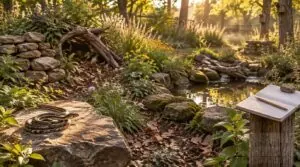
While you might picture a snake-friendly yard as a wild jungle, honestly, it starts with a simple plan. Grab a notebook and walk your property. Note where the sun hits, where water pools, and where critters already hang out.
Once you’ve mapped your yard, compare it against this guide to garter snake natural habitat needs to see which spots already offer the cover, warmth, and water they look for.
Snakes need food, water, shelter, and space, so map out spots for each. Reptiles also depend on basking sites and shelter to regulate their body temperature and avoid predators. Think about habitat connectivity too. A lone rock pile won’t do much if snakes can’t reach it safely. Link your features with wildlife corridors made of shrubs, tall grass, or brush, and you’ll cut down their risky dashes across open lawn.
Don’t forget soil health. Skip the chemicals and let leaf litter break down. Rich soil feeds the bugs and rodents snakes hunt.
Last, sketch a few microhabitats: sunny basking spots, cool shady refuges, and a quiet corner you’ll leave alone.
Choose Native Plants for Layered Wildlife Cover
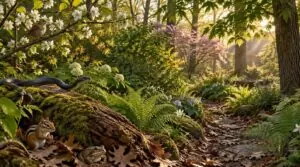
Once your plan’s on paper, it’s time to fill it with plants. Start with native plants, because local critters know exactly how to use them. Check a regional resource like the Digital Atlas of the Virginia Flora to confirm a species belongs.
Think in layers. Good layered vegetation structure gives snakes and their prey places to hide, hunt, and hunker down:
- Canopy: oaks and maples, 30+ feet.
- Understory: small trees like crabapple.
- Shrubs: spicebush, witch hazel, viburnum.
- Ground: ferns, sedges, wildflowers, leaf litter.
Let shrubs grow tall and trees keep their lower branches. That overlap creates extra nooks.
Then link your layers into wildlife corridors so snakes can slither between spots safely. And skip multiflora rose and Japanese honeysuckle. They’ll bully your natives out.
For indoor setups, a few snake enclosure decoration ideas can add cover and humidity support without making substrate upkeep any harder.
Add Water, Shelter, and Basking Areas
Plants are only half the story. Now give your snakes places to drink, hide, and warm up.
Start with water sources. A shallow dish or pond with a gentle slope lets critters sip and soak. Add a little movement, like an overflowing bird bath, and they’ll find it faster. Tuck it near cover so nobody feels exposed.
For basking areas, grab dark rocks and set them on a south-facing spot. They soak up morning sun and hold heat into evening. Rocks with crevices work double duty as sunbathing decks and escape hatches.
Shelter design is easy. Pile up brush, logs, and rocks of mixed sizes, then add woodchips and leaves for extra nooks.
Keep clear paths between all three spots, and rake leaf mulch thin in spring so it warms quickly.
Top 3 Plant Products for Habitat Creation
You’ve mapped out your layers, added water, and set up cozy basking spots, so now it’s time to fill in the green stuff. These three plant products are honestly easy to find and a good fit for snakes and the critters they hunt. Here’s what’s worth putting in your cart.
1. Earthcare Seeds Aster Smooth Blue 500
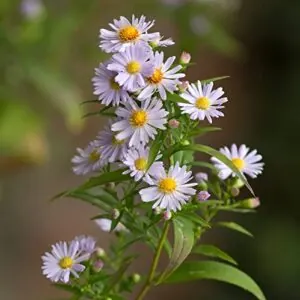
Picture a late-summer corner of your yard glowing sky blue, bees bumping from bloom to bloom while a pearl crescent flutters through. That’s smooth blue aster doing its thing.
Earthcare Seeds’ pack gives you 500 heirloom seeds, plenty for a good patch. Sow them ¼ inch deep after frost or in fall, and expect sprouts in 10 to 20 days at 60 to 70°F.
The plants reach about 3 feet, handle drought, and tuck into full sun or part shade. Snakes love that layered cover below.
| Best For | Gardeners in USDA Zones 3–8 who want a low-maintenance, drought-tolerant native perennial that attracts pollinators in sunny or partly shaded spots. |
|---|---|
| Material | N/A |
| Weight | N/A |
| Brand | N/A |
| Capacity | N/A |
| Dimensions | N/A |
| Model Number | N/A |
| Additional Features |
|
- Drought tolerant with low to moderate water needs, so it’s easy to care for once established
- Supports local biodiversity and attracts pollinators
- Deep roots improve soil health, and the plants come back year after year as perennials
- Must be sown after the danger of frost has passed, or in fall for spring germination
- Seeds stay viable for only the current and following growing seasons
- Seeds need dark, dry, cool storage to keep their viability
2. Ilex X meserveae Berryific Holly
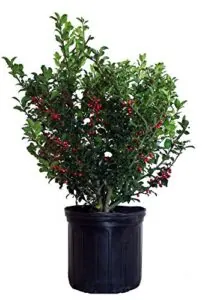
A single pot of Berryific holly gives you both a male and a female plant, so you get berries without hunting for a separate pollinator. Honestly, that’s a win if your yard is tight.
It arrives in a 3-gallon trade pot, fully rooted and ready to go. Expect dark evergreen leaves year-round and red berries from late fall into early winter. Birds love them.
Give it partial sun, since full sun can hurt performance. Plant in zones 5 to 8, and skip frigid winter or drought planting. Mature size runs 10 to 12 feet tall, 6 to 8 wide.
| Best For | Gardeners with small yards who want a berry-producing evergreen holly without finding room for separate male and female plants. |
|---|---|
| Material | N/A |
| Weight | N/A |
| Brand | N/A |
| Capacity | 500 seeds |
| Dimensions | Up to 3 ft tall |
| Model Number | N/A |
| Additional Features |
|
- Male and female plants come together in one pot, so berries need no separate pollinator.
- Dark evergreen foliage gives year-round color, with red berries from late fall into early winter.
- Arrives fully rooted in a 3-gallon trade pot, ready to plant.
- Needs partial sun, since full sun may hurt performance.
- Should not be planted during frigid winter months or drought conditions, and it only suits zones 5 to 8.
- Shipped plant size and maturity may vary, and berry production depends on growing conditions.
3. AquaLeaf Hardy Water Lily Rhizomes
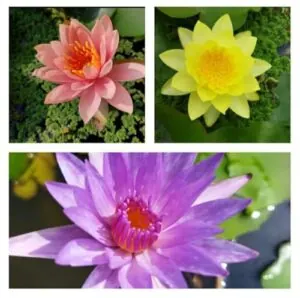
Water lilies earn their spot in a snake-friendly pond, honestly. This set from Aqualeaf Aquatics gives you three rhizomes in pink, yellow, and orange, sourced from IWGS award-winning growers and certified disease- and pest-free. They’re not full plants, so you gotta plant them and give them time. Colors might not match exactly, and blooms can run late.
Once settled, they absorb carbon dioxide, produce oxygen, and work as a natural bio-filter. Give them still water and six hours of sun.
| Best For | Pond or patio garden owners who are willing to plant and wait for their water lilies to develop, and who want colorful blooms plus a natural way to improve water quality. |
|---|---|
| Material | N/A |
| Weight | N/A |
| Brand | N/A |
| Capacity | 3-gallon pot |
| Dimensions | 10-12 ft tall, 6-8 ft spread |
| Model Number | N/A |
| Additional Features |
|
- Comes with three rhizomes in pink, yellow, and orange, sourced from IWGS award-winning growers and certified disease- and pest-free.
- Produces oxygen, absorbs carbon dioxide, and works as a natural bio-filter to help improve water quality.
- Is a perennial that can last for years with proper winter care.
- Rhizomes are not full plants, so they need planting and time to grow before they flower.
- Bloom timing varies, and some customers report delayed or no flowering.
- The flower colors may not match the advertised mix exactly, such as a missing pink.
Maintain and Connect Your Backyard Wildlife Habitat
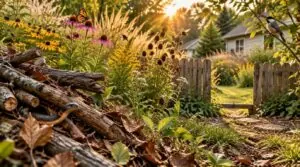
Come late summer, a ring-necked snake slips under a leaf pile, then pokes its head out of a brush stack that wasn’t there last winter. That’s the payoff for steady care.
By late summer, a ring-necked snake slipping into a brush stack you built proves that steady care pays off
Think of upkeep as a yearly rhythm. Seasonal care keeps everything humming:
- Late winter: prune, build brush piles, and pull invasive plants.
- Spring: add native plants and delay pruning.
- Fall: leave the leaves and let seed heads stand.
Now talk to your neighbors. Gaps under fences and shared plantings boost habitat connectivity, so critters can roam between yards. Honestly, a few friendly chats go a long way.
Log your wildlife sightings, and consider joining habitat certification programs to celebrate your progress. You’re building something bigger than one yard.
Frequently Asked Questions (FAQs)
What are the 5 essential elements of a habitat?
A habitat is a home with five rooms: food water and shelter, plus space and sun-warmed spots.
Honestly, native plants, habitat layering techniques, and wildlife corridors in cities help you build them, driving the natural world.
How to create your own habitat?
Start by walking your yard and jotting down what’s already there, like sun, shade, and soggy spots. Then pick a few goals, such as snake habitat creation, and build around them with logs, rocks, and native plants.
How do I turn my backyard into a wildlife habitat?
A yard is a quiet promise to the creatures that pass through it. Keep it by planting native plants, leaving brush for shelter design, adding a shallow water source, pulling invasive species, and feeding soil health.
What are the four main types of habitat?
Honestly, nature has a billion homes, but you gotta know four: terrestrial, freshwater, marine, and aerial.
Your own backyard habitat uses native plants for habitat restoration, and habitat assessment reveals wildlife corridors in urban spaces.
What are the five natural habitats?
Don’t worry, you really don’t need acres to use this. The five are woodland, grassland, wetland, desert, and tundra. Your yard can borrow native plants, leaf litter, dead wood, brush piles, and smart shelter design.
How do I naturalize my yard?
Naturalizing means letting native plants and critters take back your wildlife-friendly yard one patch at a time. Pull invasive plant management into your routine, leave the leaf litter alone, and set clear habitat goals.
How much does habitat creation typically cost?
Think a snake haven costs a fortune? Nope. Your habitat goals set the price. A DIY pond runs under $125, shelter uses free logs and rocks, and native plant landscaping can start under $
What permits are needed for pond installation?
Myth: backyard ponds never need permits. Not always! Planning a Multipond Pond means checking water authority approval, a stormwater management permit, and a local building permit, then scheduling digging around wildlife visitation timing, critters included.
How long before wildlife starts visiting regularly?
Picture a bare patch of soil on a March morning, a single hummingbird zipping past a blooming shrub. That’s wildlife visitation timing in its earliest form. Bees and butterflies show up fast, but regular residents take two to three seasons.
Can apartment dwellers create effective wildlife habitats?
No yard? No problem. Small space habitats work, honestly. Start container gardening with native milkweed, add balcony windbreaks, and try vertical gardening. Your urban wildlife support gets bees and butterflies visiting, so go for it.
Conclusion
Picture a warm September afternoon: a rat snake stretched across a sun-baked flat stone, leaf litter rustling beside it, a lily pad bobbing in the pond nearby. Nobody planned a snake, but you planned the stage.
That’s the payoff of creating a natural habitat. You’re not just adding plants, you’re building a neighborhood. Keep it layered, keep it connected, and keep the chemicals off. Then your yard stops being scenery and becomes a wildlife refuge.