This site is supported by our readers. We may earn a commission, at no cost to you, if you purchase through links.
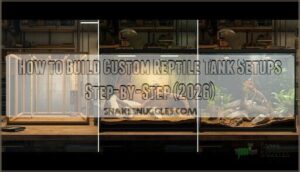
Most reptile tanks look fine at first—until a fast-growing lizard or humidity-loving gecko pushes their limits. A setup that seemed “roomy enough” can turn into a cramped box before you know it.
Custom reptile tank setups solve that problem by matching the enclosure to the animal, not the other way around. You decide the size, materials, and layout to suit your pet’s habits and your space.
Done right, a custom build isn’t just housing—it’s a thriving microclimate that keeps your reptile healthy and helps you enjoy caring for it every day.
Table Of Contents
- Key Takeaways
- Choosing The Right Custom Reptile Tank
- Designing Your Custom Enclosure
- Essential Features for Reptile Health
- Accessorizing and Upgrading Your Tank
- Maintenance and Safety Considerations
- Frequently Asked Questions (FAQs)
- What size reptile enclosure do you offer?
- Are reptizoo enclosures adaptable?
- Can a reptile cage be custom built?
- How do I set up a reptile terrarium?
- What are the best reptile enclosure designs?
- What is best substrate for my pet snake?
- Can I keep multiple snakes together safely?
- How often should I clean the tank completely?
- What plants are safe for reptile enclosures indoors?
- Are there benefits to using automated feeding systems?
- Conclusion
Key Takeaways
- Custom reptile tanks work best when they’re built around your specific species’ needs and adult size, not whatever glass box happens to fit your shelf.
- Material and style choices—glass vs acrylic, PVC vs wood, hybrid vs furniture-style “majestic” builds—directly affect insulation, visibility, durability, and how well you can hold heat and humidity.
- A healthy enclosure depends on well-planned heating, lighting, ventilation, humidity, substrate, and enrichment so your reptile can thermoregulate, explore, and show natural behaviors.
- Good design doesn’t stop at looks: safe, rot-resistant materials, easy access for cleaning, solid stands and covers, climate monitoring, and room to stack or expand keep the setup safe, low-maintenance, and future-proof.
Choosing The Right Custom Reptile Tank
Picking the right custom reptile tank starts with knowing what fits your pet’s needs and your space. Every reptile has different habits, so the enclosure design should match the way it lives.
For practical tips on setup and upkeep, check out this guide on reptile habitat maintenance and tank care to keep your enclosure thriving.
Let’s look at the main types and features that will help you decide.
Glass Vs. Acrylic Panel Options
Think of this Panel Comparison as your first big fork in the road. Glass terrariums give you crisp viewing, great scratch resistance, and budget-friendly Custom Cages, but they’re heavier with harsher breakage. Acrylic Custom Reptile Enclosures shine in Material Strength, Thermal Insulation, Weight Factors, and Safety Features, making them ideal for larger, high-traffic Terrarium Design setups.
For a deeper dive into the, remember that glass is usually more scratch-resistant and clearer, while acrylic is lighter, more impact-resistant, and available in more varied shapes.
Hybrid Vs. Majestic Enclosure Styles
After you settle on your panel type, your next choice is between Hybrid Cages and Majestic Cages.
Hybrid setups mix PVC Enclosure Materials with glass panels for strong Tank Insulation and easy stacking. Majestic styles lean into Furniture Style craftsmanship and bigger Reptile Visibility.
For species requiring specific humidity and heating conditions, you can compare PVC vs wood enclosure differences to choose panels that match their needs.
- Sleek Custom Designs
- Handcrafted Custom Cages
- Premium Reptile Enclosures
- Long-lasting Custom Reptile Enclosures
Measuring for Current and Future Growth
Once you’ve picked Hybrid or Majestic styles, tackle Reptile Sizing with smart Growth Projections. Grab Measurement Tools like a tape measure for your pet’s current length, then plan Space Planning for adults—ball pythons triple in size fast.
Reptile Enclosures must allow Scaling Up without stress. Your Custom Reptile setup ensures top Reptile Care and Housing in a spacious Reptile Habitat. Tailored Reptile Housing keeps them thriving.
Recommended Dimensions by Species
You’ve sized for growth; now let’s match that to real numbers so your Enclosure Planning actually aids Animal Welfare and not just your floor plan. Use these Tailored Designs as a starting point for Reptile Space in serious Reptile Enclosures and Tailored Reptile Housing:
For detailed size guidelines that align with natural reptile behavior, explore the expert-backed reptile habitat size recommendations to ensure every inch serves their well-being.
- Bearded dragon: 48″ × 24″ × 24″ Reptile Habitat.
- Leopard gecko: at least a 20‑gallon long Custom Reptile tank.
- Crested gecko: 24″ × 18″ × 36″ tall enclosure.
- Ball python: 48″ × 24″ × 24″ for modern Reptile Care and Housing.
- Blue tongue skink: 72″ × 24″ × 24″ Reptile Habitat after solid Species Research.
Designing Your Custom Enclosure
Once you’ve picked the right type of tank, it’s time to make it your own. The fun part is deciding how it’ll look and function day to day.
Here’s where you start shaping the size, materials, and structure to match your reptile’s world—and your style.
Customizing Size and Shape
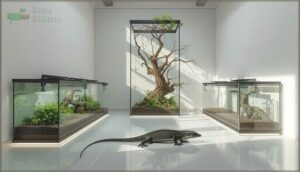
Bold move: instead of forcing your reptile into a box, you’re shaping the box around your reptile. When planning Enclosure Dimensions, think in Size Proportions: length roughly equals full adult body length, width at least half to two thirds for usable Reptile Space, and Tank Geometry that matches lifestyle.
Design your reptile’s home around its body and lifestyle, not the limits of a box
From long, low Custom Shapes for runners to tall PVC Reptile Enclosures or L‑shaped Custom Pet Habitats, the Custom Cage Configurator turns flat measurements into truly tailored Reptile Housing and efficient Reptile Enclosures.
Selecting Panel Materials and Colors
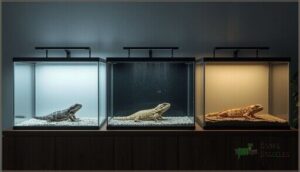
Panel Types matter for your reptile’s world. Glass gives clear views but chills fast. Acrylic is lighter, scratches polish out, and holds humidity better. PVC Enclosures shine in Material Durability for BioactiveReady setups—no rot in steamy spots. HDPE resists cleaners tough.
- Color Options like white brighten for UVB savings.
- Black boosts Thermal Insulation, warms quick.
- Neutral Aesthetic Choices hide stains in tailored Pet Housing.
- Use Custom Cage Configurator for Reptile Enclosures that fit.
Adding Stands, Hoods, and Covers
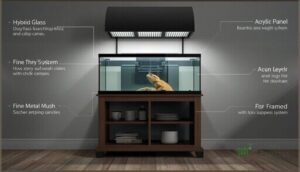
Even the strongest Reptile Enclosure depends on solid support. Stand Stability keeps heavy tanks secure while Hood Designs hide lighting for cleaner Reptile Display and Design. Smart Cover Materials balance airflow and humidity through Ventilation Systems. Use the Custom Cage Configurator to match Safety Features and style for integrated Terrarium and Aquarium Design.
| Stand | Hood | Cover |
|---|---|---|
| 500 lb load safe | Hides lamps | Acrylic, glass, or mesh |
| Anti‑slip guards | Vent slots | Locks for safety |
| Furniture finish | Protects bulbs | Controls humidity |
| Dual‑tier storage | Matches décor | Prevents escapes |
Essential Features for Reptile Health
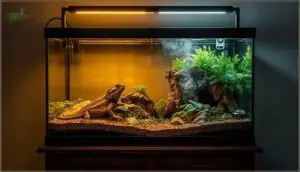
A healthy reptile enclosure does more than look good—it keeps your animal safe, active, and thriving. The right setup balances heat, light, air, and moisture just the way your reptile needs it.
Here’s what to focus on when building those essential features into your custom tank.
Heating and Lighting Integration
Smart heating and light turn your Reptile Enclosure Design into reliable Thermal Regulation.
- Halogen Heat Sources create clear Heat Gradients and Thermal Gradients near 40°C.
- Align UVB Lighting over the basking area with a T5 spanning most.
- Run Lighting Cycles on timers and handle Temperature Control with thermostats.
- In Bioactive Systems, place heat and UV first, then hardscape.
- Customizable Options.
Ventilation and Humidity Management
Want your reptile to breathe easy and stay comfy? Nail Vent Placement with low intake vents on the cool side and high exhaust on the warm. This Airflow Design boosts Temperature Gradients as warm air rises.
For Humidity Control, mix Ventilation with solid tops or partial covers in Reptile Enclosures. Master Moisture Management—deeper substrates hold it steady, misting spikes it quick.
Perfect Thermal Regulation ensures Animal Safety in Bioactive Systems.
Creating Bioactive and Naturalistic Setups
A thriving reptile habitat feels alive, not staged. Bioactive Designs turn Tailored Reptile Housing into working ecosystems where soil, microbes, and cleanup crews maintain Ecosystem Balance.
Think Naturalistic Landscapes with drainage layers, living plants, and Reptile Enclosure Fans supporting airflow. This Wildlife Replication brings Bioactive Ready Terrarium and Vivarium Design closer to nature’s perfect rhythm.
Accessorizing and Upgrading Your Tank
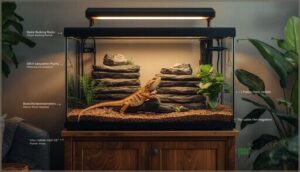
Now that the basics are in place, it’s time to think about all the ways you can make your setup work even better for your reptile. This is where your choices in substrate, decor, and key accessories really start to shape how the tank feels and functions.
Let’s walk through some practical options you can mix and match to build a more complete, future‑proof enclosure.
Substrate and Decor Choices
Strong Bioactive Substrates form the base of every healthy setup, combining layered soil, clay, and sand for balance. Decor Rock like granite or sandstone adds basking spots and texture. Natural Backgrounds pull everything together visually.
Good Tank Landscaping turns Tailored Reptile Housing into art, blending Bioactive Terrariums and Pet Enclosure Design into integrated Terrarium and Vivarium Design.
Hideouts, Climbing, and Enrichment Accessories
With substrate and Tank Decor set, you shape your reptile’s world. Reptile Hides, Climbing Structures, and Enrichment Toys become Habitat Accessories that make Reptile Cages, Reptile Enclosures, and Bioactive Terrariums feel complete.
- Cork bark tunnels resisting mold in humid setups
- Flexible jungle vines and rock ledges
- Climbing ring toys, resin caves, Tailored Reptile Housing Pet Enclosure Design
Stackable and Expandable Configurations
Your hides and vines set the stage. Now picture stacking enclosures sky-high or linking them wide with Modular Designs and Stacking Systems. Pin slots lock Stackable Enclosures tight, letting hoods swap easily.
Grab Expandable Kits for side-by-side growth in Reptile Cages. Mind Weight Distribution—heavy ones low. Secure Connections keep your Tailored Reptile Housing safe and simple to upgrade.
Maintenance and Safety Considerations
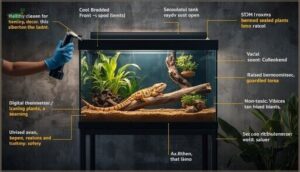
Keeping your reptile’s home safe and easy to maintain is just as important as how it looks. A well-built setup saves time, prevents stress, and keeps your pet healthy.
Here’s what to focus on regarding cleaning, materials, and climate control.
Cleaning and Access Design
Good Cage Design doesn’t just look sleek—it saves you time. Choose Front Opening Doors for easy spot cleaning, and a sturdy Lid Design that stays open while you scrub.
Add smart Cable Routing and Cleaning Zones to simplify maintenance. With built-in drainage and thoughtful Waste Management, Tailored Reptile Housing becomes cleaner, safer, and simply easier to live with.
Safe Materials and Construction
Safety starts with what you build from. PVC Reptile Enclosures give clear PVC Panel Benefits: light, rot-proof, and easy to wipe. Wood Reptile Enclosures demand Safe Wood Options plus Toxic Free Coatings to seal them.
HDPE Frame Strength holds stacking, while Silicone Sealing locks out leaks. Thoughtful Cage Design turns Tailored Reptile Housing into reliable Reptile Care and Maintenance practice.
Climate Control and Monitoring
Almost every issue in Reptile Care and Maintenance comes back to climate control inside your Reptile Enclosures. You’re aiming for stable Heat Gradients, dialed-in Thermostat Settings, and reliable Temperature Gradients managed by smart Climate Controllers and simple digital thermostats.
Use Humidity Sensors and UVB Monitoring to keep Tailored Reptile Housing within species ranges, just like good Herpetology and Reptile Study practice demands.
Frequently Asked Questions (FAQs)
What size reptile enclosure do you offer?
You’ve got a wide spread to play with. For compact Reptile Cages, Tank Sizes start at nano ACR06 habitats just 3x3x6 inches, while oversized Custom Animal Habitats like the RK963636 reach 8x3x3 feet for serious Reptile Space and Cage Volumes.
Are reptizoo enclosures adaptable?
Yes—Reptizoo Reptile Enclosures use highly adaptable Modular Design, Flexible Configurations, and Adaptive Features. Custom Options give tailored Reptile Housing and Custom Animal Habitats matched to Reptile Needs, while supporting Reptile Care and long-term Reptile Housing.
Can a reptile cage be custom built?
Building your own Reptile Cage isn’t just possible—it’s an art in motion. A Custom Enclosure transforms standard Reptile Housing into luxury-grade space, crafted by Tank Materials, Species Specificity, and the Build Process for unique Personalized Pet Housing.
How do I set up a reptile terrarium?
Start with Terrarium Planning and Reptile Research, then choose Reptile Cages, Terrariums, Vivariums, or Tailored Reptile Housing that allow a warm–cool gradient, proper Habitat Creation, UVB, hides, water, Tank Cycling, and optional Bioactive Systems.
What are the best reptile enclosure designs?
Like a well-tuned ecosystem, the best Reptile Enclosures balance comfort and control—using durable Enclosure Materials, smart Tank Ventilation, and Bioactive Systems that blend function and beauty.
Custom Designs and Luxury Reptile Products enhance every Reptile Habitat.
What is best substrate for my pet snake?
The best substrate depends on your snake’s natural habitat. Aspen suits dry-loving species, while coconut fiber or cypress mulch maintains humidity control for tropical snakes, promoting natural Snake Behavior, Reptile Health, and easy Tank Maintenance.
Can I keep multiple snakes together safely?
“Better safe than sorry” really applies here. For most pet snakes, true Snake Socialization is a myth, so Snake Compatibility is low and Multiple Species should never share Snake Cages.
If you try group Reptile Keeping in tailored Reptile Housing, you need a much larger Tank Size, extra hides, and strict Coexistence Tips: same-size, non-cannibal species, separate feeding, and a backup Exotic Pet Care enclosure ready in case things go wrong in your Reptile Displays.
How often should I clean the tank completely?
Most reptiles thrive when Tank Hygiene follows consistent Cleaning Schedules—complete Deep Cleaning every one to three months.
Regular Waste Management protects Reptile Health, extending the life of Tailored Reptile Housing and improving overall Pet Care and Maintenance.
What plants are safe for reptile enclosures indoors?
Spider plants, bromeliads, parlor palms, and haworthia are excellent Reptile Friendly Foliage for Indoor Plant Selection.
These Bioactive Plant Choices suit Tailored Reptile Housing, supporting Safe Leafy Greens standards and responsible Toxic Plant Avoidance in Animal Enclosures.
Are there benefits to using automated feeding systems?
Funny enough, less feeding can mean healthier pets. Automated Feeders keep Reptile Nutrition balanced with consistent Feeding Schedules, precise Portion Control, and Smart Feeders syncing digestion time to basking cycles—perfect for efficient, stress-free Reptile Keeping and Herpetology-focused Animal Enclosures.
Conclusion
One day soon, you’ll glance at your enclosure and realize it feels more like a living landscape than a box of glass. Every choice you make now—dimensions, lighting, airflow, decor—nudges your reptile toward that future.
With custom reptile tank setups, you’re not just following care sheets, you’re designing a stable world that fits your space and their instincts. Start with one smart upgrade, then another, until the habitat finally matches your vision each day together.
- https://www.familyreptiles.com/post/what-size-tank-or-enclosure-does-my-reptile-need-as-it-grows
- https://www.reptilecentre.com/blogs/reptile-blog/what-is-a-bioactive-terrarium
- https://craftingdiycenter.com/diy-reptile-enclosure
- https://www.stumpscustomwood.com/keeping-up/optimal-lighting-tips-for-large-reptile-enclosures
- https://exo-terra.com/explore/academy/lighting/understanding-ferguson-zones/