
This site is supported by our readers. We may earn a commission, at no cost to you, if you purchase through links.
Your ball python refused dinner again last night, and you’re left wondering whether it’s the prey temperature, your technique, or something else entirely. Feeding snakes isn’t as simple as tossing frozen mice into an enclosure—it requires precision equipment, proper preparation methods, and an understanding of species-specific behaviors.
The difference between a successful feeding and a stressed, underfed snake often comes down to having the right tools on hand. From long-handled tongs that keep your fingers safely out of strike range to infrared thermometers that verify prey temperature before offering, specialized snake feeding equipment transforms a potentially risky routine into a controlled, predictable process.
Getting your setup right means fewer refused meals, reduced handler anxiety, and healthier snakes that thrive on consistent nutrition.
Table Of Contents
- Key Takeaways
- Essential Feeding Tools for Snake Owners
- Choosing The Right Prey and Equipment
- Preparing Frozen-Thawed Prey Safely
- Environmental Controls During Feeding
- Top 10 Snake Feeding Equipment Picks
- 1. Snake Hook For Ball Pythons And Snakes
- 2. Zoo Med Collapsible Snake Hook
- 3. Vorcool Stainless Steel Reptile Feeding Tongs
- 4. Ic Iclover Snake Tongs Grabber Tool
- 5. Etekcity Infrared Thermometer Gun
- 6. Durvet Chlorhexidine Antiseptic Solution
- 7. Baby Bird Feeding Syringe Set
- 8. Swan Mineral Oil Skin Moisturizer
- 9. Mini Dustpan and Brush Set
- 10. Uniheat Shipping Warmer
- Troubleshooting Common Feeding Challenges
- Frequently Asked Questions (FAQs)
- Conclusion
Key Takeaways
- Successful snake feeding depends on precision equipment like long-handled tongs (8-12 inches), infrared thermometers for verifying prey temperature at 28-32°C, and stainless steel tools that sterilize easily between sessions to prevent bacterial contamination.
- Proper prey preparation requires thawing frozen rodents in sealed bags submerged in cold water for 30-60 minutes, warming to mimic body temperature, and discarding unused portions within 2 hours to minimize infection risks.
- Environmental controls during feeding—including stable thermal regulation at 82-90°F, dim lighting to reduce stress, and dedicated sanitized feeding areas—directly influence whether snakes feel secure enough to eat consistently.
- Most feeding refusals stem from correctable issues like incorrect prey temperature or inadequate tool length, but persistent refusal beyond two weeks, repeated regurgitation, or respiratory distress requires immediate veterinary intervention rather than equipment adjustments.
Essential Feeding Tools for Snake Owners
Feeding your snake safely starts with the right tools, and having them on hand makes the process smoother for both of you. The equipment you choose protects you from bites, keeps prey handling hygienic, and helps maintain a stress-free feeding routine.
Let’s look at the essential tools every snake owner should have in their feeding kit.
Feeding Tongs and Hemostats

Precision matters when you’re feeding a snake. Feeding tongs and hemostats keep your hands safe while giving you complete control during prey presentation. Here’s what makes them indispensable:
- Stainless steel construction resists corrosion and sterilizes easily between feedings
- 8-12 inch lengths provide safe distance while maintaining accurate prey placement
- Textured gripping surfaces prevent slippery prey from escaping mid-transfer
Clean your tools with diluted disinfectant after every feeding session. Ensuring the accuracy of scientific information is essential, much like addressing methodological flaws in research studies.
Snake Hooks for Safe Handling

Once you’ve secured your prey with tongs, you’ll need to reposition your pet snake safely. Snake hooks create distance between you and your animal, reducing bite risk during handling. Here’s what makes proper hooks effective for reptile handling and safety:
| Feature | Small Snakes | Large Snakes |
|---|---|---|
| Hook Length | 18-24 inches | 36-48 inches |
| Material | Stainless steel | Stainless steel |
| Handle Type | Textured grip | Ergonomic grip |
| Tip Style | Curved cushion | Wide curved tip |
| Weight | Lightweight | Balanced rigid |
Use steady, controlled lifting with gentle restraint—never jerk or twist. Inspect hooks regularly for wear, corrosion, or loose joints to maintain safe lifting capability during snake care and feeding sessions. When researching snake care terminology, it’s helpful to explore language reference tools for accurate information.
Thawing and Warming Equipment
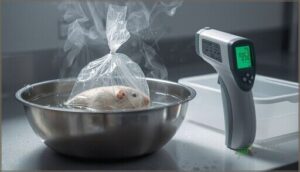
After you’ve handled your snake, preparing frozen prey correctly becomes your next priority. Proper thawing methods and warming techniques protect your pet from bacterial contamination while encouraging healthy feeding responses.
Following best snake feeding practices ensures you’re using the right tools and techniques to keep feeding time safe and stress-free.
Your thawed prey preparation toolkit should include:
- Sealed plastic bags to thaw frozen prey in warm water baths, keeping rodents isolated from standing water and minimizing bacterial growth
- Infrared thermometers for temperature control, verifying your feeder reaches 32-34°C before presentation
- Dedicated containers reserved exclusively for snake feeding, never mixing prey preparation with kitchen areas for hygiene practices
Cleaning Supplies for Feeding Areas

Once your feeding area is ready, sanitation keeps bacterial control central to snake health. Chlorhexidine-based disinfectant types offer broad-spectrum hygiene products that won’t leave harmful residues, while food-safe cleaning protocols protect your reptile care and management routine.
Rotate dedicated paper towels between sessions, store sanitation methods supplies separately from prey, and label everything clearly to prevent accidental exposure during your snake’s feeding cycle.
Choosing The Right Prey and Equipment
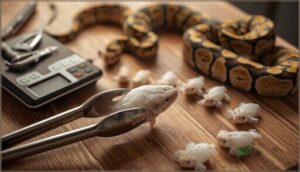
Getting the feeding equation right starts with matching prey to your snake’s size and species—it’s not one-size-fits-all. You’ll need to factor in your snake’s girth, age, and natural diet to avoid health issues like regurgitation or refusal to eat.
Here’s what you need to know about selecting appropriate prey and the tools that make accurate sizing straightforward.
A proper baby snake feeding schedule helps prevent the kind of health issues that require urgent vet attention down the road.
Prey Size Selection Guidelines
Getting the prey size right is the cornerstone of healthy snake nutrition and safe feeding. Your snake’s girth at midbody—measured at its thickest point—determines the proper prey measurement. Follow this reptile nutrition and diet feeding guide:
For consistent results with frozen-thawed meals, check out this adult snake feeding routine that walks you through safe warming techniques.
- Young snakes: Prey equal to snake girth at midbody
- Adults: Prey 1.0 to 1.5 times girth
- Growth tracking: Weigh regularly and adjust prey size after each molt
Feeding charts help you match prey to life stage.
Species-Specific Feeding Needs
Your snake’s species dictates everything from prey type to feeding schedule. Ball pythons thrive on rodents every 10-14 days, while kingsnakes hunt more frequently with varied prey selection.
Research your species’ dietary needs thoroughly—some require specific calcium-to-phosphorus ratios to prevent metabolic disease.
If your reptile suddenly stops eating, check out these proven strategies to boost snake appetite before assuming it’s a medical issue.
Tailor feeding strategies to match natural hunting patterns, adjusting prey size and reptile nutrition as your snake matures.
Tools for Measuring Prey and Snake
Accurate prey sizing starts with the right measurement tools—digital scales, sliding calipers, and measuring boards deliver precise data on prey dimensions and mass.
Track your snake’s girth monthly using calipers to match feeding metrics with growth tracking. Feeding tongs and snake hooks keep measurements safe, while consistent snake calibration ensures prey size stays within one-third of your snake’s widest diameter for healthy snake feeding success.
Preparing Frozen-Thawed Prey Safely
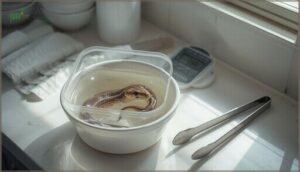
Preparing frozen prey the right way protects your snake from bacterial infections, digestive problems, and feeding refusal. The process isn’t complicated, but cutting corners on temperature or timing can turn a routine meal into a health risk.
Let’s walk through the three essential steps that keep your feeding routine both safe and effective.
Safe Thawing Techniques
When you’re working with frozen prey, cold-water thawing is your safest bet. This method minimizes bacterial risks while preserving nutritional integrity. Here’s how to master safe handling and feeding practices:
- Submerge sealed prey in cold water for 30–60 minutes—never at room temperature where bacteria thrive.
- Discard unused portions within 2 hours to prevent contamination during your feeding schedule.
- Sanitize all surfaces and utensils after handling to maintain proper hygiene.
Warming Prey to Optimal Temperature
Once thawed, your prey requires precise warming to trigger a feeding response without causing thermal injury. Aim for a temperature range of 28–32°C (82–90°F) using either a water bath or a reptile warmer. Avoid microwaves, as they can create dangerous hot spots. Before presenting the prey to your snake, use an infrared thermometer to check the surface temperature, ensuring it is safe and mimics live prey characteristics. This careful attention protects your snake’s mouth while encouraging a natural feeding behavior.
| Warming Method | Temperature Range |
|---|---|
| Water Bath | 28–32°C (82–90°F) |
| Reptile Warmer | 28–32°C (82–90°F) |
| Avoid: Microwave | Uneven, unsafe |
| Avoid: Direct Heat | Above 40°C (104°F) |
| Verify Before Feeding | Use IR thermometer |
Preventing Bacterial Growth During Preparation
Bacterial control starts before you touch the prey. Sterilize your feeding tongs and preparation surfaces with chlorhexidine solution to reduce microbial load by up to 99.9%.
Use a dedicated prep area to prevent cross-contamination with your reptile’s habitat. Non-porous feeding tweezers and strict food safety protocols safeguard preparation hygiene, protecting your snake’s health from harmful pathogens during every feeding.
Environmental Controls During Feeding
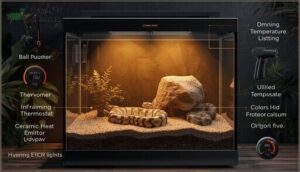
Your snake’s environment plays a bigger role in successful feeding than most owners realize. Temperature, lighting, and heat sources all influence whether your snake feels secure enough to eat, and getting these factors wrong can turn mealtime into a stressful standoff.
Let’s look at the essential tools that help you monitor and control these environmental conditions during feeding.
Temperature Monitoring Tools
You’ll want a laser thermometer for quick spot checks and a digital dial thermometer to track continuous readings across your snake enclosure. Proper sensor placement matters—position probes at resting height, not directly under heat sources, to avoid skewed data.
Calibrate monthly against a known standard, log temperature during feeding windows, and pair thermal monitoring with humidity checks for complete reptile husbandry. Temperature stability protects snake health and wellness.
Heat Pads and Safety Precautions
Heat pads demand vigilance—place them under the enclosure with a thermostat to prevent burns and maintain thermal regulation around 88–92°F for most species. Never allow direct contact with your snake; use a barrier like ceramic tile between the pad and substrate.
Electrical precautions matter: plug into GFCI outlets, inspect cords for damage monthly, and replace pads every few years to safeguard reptile health and wellness during feeding windows.
Lighting and Enclosure Setup for Feeding
Beyond thermal regulation, you control feeding ambiance through strategic lighting systems and reptile enclosure design. Dim illumination during active hours encourages natural hunting behavior, while stable temperatures—verified by infrared thermometers at eye level—support digestion and snake safety.
Enhance your reptile habitat with these priorities:
- Use neutral-spectrum light on timers to mimic diurnal cycles
- Place digital monitors inside the feeding zone
- Maintain warm zones at 82–90°F for most species
- Avoid flickering or bright overhead lighting
- Sanitize dedicated feeding tubs after each session
Consistent temperature control and thoughtful reptile care practices reduce stress and support snake feeding and nutrition success.
Top 10 Snake Feeding Equipment Picks
You’ve covered the fundamentals of snake feeding, from prey preparation to environmental controls, and now it’s time to explore the specific tools that make feeding safer and more efficient. The right equipment protects both you and your snake, reducing stress during feeding while maintaining proper hygiene and temperature control.
Here are ten essential products that experienced keepers rely on to simplify their feeding routines and prevent common mishaps.
1. Snake Hook For Ball Pythons And Snakes
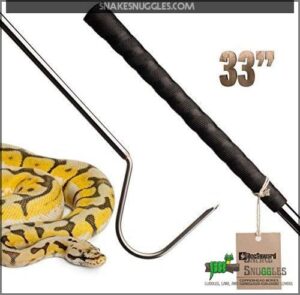
If you’re seeking better control during enclosure work or feeding sessions, the DocSeward Snake Hook gives you 33 inches of balanced reach for safe Ball Python Care. The copper ferrule and stainless steel construction guarantee durability, while the rubber grip keeps your hold secure during Snake Handling.
It’s particularly effective for tap training, creating clear boundaries that improve Snake Behavior and Reptile Welfare.
This hook enhances Hook Safety by minimizing stress for both you and your snake, making routine Snake Feeding Techniques smoother and more predictable.
| Best For | Keepers working with small to large snakes who need a reliable tool for tap training, enclosure maintenance, and safe handling without directly touching the animal. |
|---|---|
| Primary Material | Stainless Steel/Copper |
| Product Type | Snake Hook |
| Brand | DocSeward |
| Primary Color | Black/Silver |
| Weight | Not specified |
| Use Case | Snake handling |
| Additional Features |
|
- The 33-inch length gives you enough reach to work confidently in most enclosures while keeping a safe distance from defensive strikes.
- Copper and stainless steel construction means this hook will hold up through regular use in humid environments without corroding or bending.
- The rubber grip stays secure even when your hands are sweaty, which matters during stressful handling situations.
- The fixed 33-inch length won’t telescope down, so it can feel awkward in smaller enclosures or when you need more compact storage.
- It may not provide enough length or strength for very large or aggressive species that require more distance.
- You’re getting a two-pack, which is great for some keepers but unnecessary if you only need one hook.
2. Zoo Med Collapsible Snake Hook

When portability matters, the Zoo Med Collapsible Snake Hook offers you an adjustable length from 7.25 to 26 inches, letting you handle smaller snakes with confidence while saving space. The collapsible design ensures proper Snake Handling and Hook Safety during routine Snake Care and Maintenance, though its lightweight construction limits use to baby or juvenile snakes.
You’ll find it indispensable for guiding nippy hatchlings during Feeding Techniques without compromising Snake Welfare, making it a practical choice for those prioritizing Pet Snake Nutrition in compact setups.
| Best For | Reptile keepers who need a portable tool for handling small to medium snakes like ball pythons and corn snakes, especially during feeding or cage maintenance. |
|---|---|
| Primary Material | Rubber |
| Product Type | Collapsible Hook |
| Brand | Zoo Med |
| Primary Color | Black |
| Weight | 0.06 kg |
| Use Case | Moving small snakes |
| Additional Features |
|
- Adjustable length from 7.25″ to 26″ gives you flexibility for different handling situations without taking up much storage space
- Collapsible design makes it easy to pack for field collecting or transport between enclosures
- The curved hook head helps you safely guide nippy or defensive snakes while keeping your hands at a safe distance
- Lightweight construction isn’t sturdy enough for large or heavy snake species
- The collapsible mechanism can break or bend if you use it with snakes that are too big
- Some users report the telescoping portion feels flimsy and may not hold up to regular use over time
3. Vorcool Stainless Steel Reptile Feeding Tongs
 View On Amazon
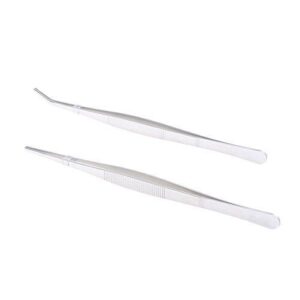
 You need durable, corrosion-resistant Feeding Tweezers that won’t compromise Snake Safety during every meal, and Vorcool’s Stainless Steel tongs deliver exactly that. At 25cm in length, these tools support confident Reptile Handling while keeping your hands at a safe distance during Snake Feeding sessions.
The straight and curved nippers adapt to various Feeding Techniques, and Stainless Steel construction simplifies Tong Maintenance through easy disinfection after each use. Though some users report lightweight metal, proper Reptile Nutrition and Snake Care practices demand cleanable tools that protect both you and your pet throughout its Feeding Schedule.
| Best For | Reptile owners who need an affordable, easy-to-clean feeding tool that keeps hands at a safe distance during feeding time. |
|---|---|
| Primary Material | Stainless Steel |
| Product Type | Feeding Nippers |
| Brand | VORCOOL |
| Primary Color | Silver |
| Weight | Not specified |
| Use Case | Reptile feeding |
| Additional Features |
|
- Stainless steel construction makes cleaning and disinfecting simple after each feeding session
- Two nipper styles (straight and curved) give you flexibility for different feeding situations and enclosure layouts
- 25cm length provides solid reach to keep your hands safely away from snakes, lizards, and other reptiles during meals
- Metal feels lightweight and may not hold up well for heavy-duty or frequent use
- Finish quality can be inconsistent with some rough or incomplete spots on the surface
- Length might not work for everyone—could be too long for smaller enclosures or too short for larger setups
4. Ic Iclover Snake Tongs Grabber Tool
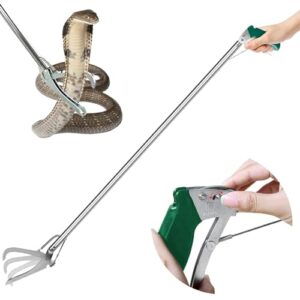
You gain 47 inches of reach with Ic Iclover’s stainless steel grabber, and its auto-lock mechanism transitions between Feeding Mode and secure hold without extra effort during Snake Handling sessions. The serrated wide jaw grips firmly while minimizing injury risk, which matters most when your Feeding Schedule demands consistent Snake Care.
Tool Maintenance stays simple with corrosion-resistant construction, though the locking feature may loosen over time.
These Feeding Tweezers function effectively as both a Snake Hook and precision grabber, supporting proper Grabber Techniques throughout every feeding session while maintaining Feeding Safety standards.
| Best For | Snake owners and wildlife handlers who need a reliable long-reach tool for safely feeding and relocating reptiles without getting too close. |
|---|---|
| Primary Material | Stainless Steel |
| Product Type | Snake Tongs |
| Brand | Generic |
| Primary Color | Silver |
| Weight | 1.5 lbs |
| Use Case | Snake catching |
| Additional Features |
|
- 47-inch reach keeps you at a safe distance while the auto-lock mechanism holds snakes securely during feeding or relocation
- Stainless steel construction with serrated jaws provides a firm grip that won’t corrode, and the design minimizes injury to the animal
- Works as both a precision feeding tool and general grabber for household tasks like reaching high shelves or picking up litter
- The locking mechanism can loosen over time and may need adjustments or repairs with regular use
- Not built for handling very large or heavy snakes, which limits its use with bigger species
- You might need to wrap the grip areas with cloth or tape to add extra protection for delicate reptiles
5. Etekcity Infrared Thermometer Gun
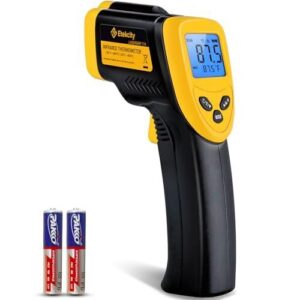
Accurate Temperature Control separates guesswork from precision in Snake Feeding routines. Etekcity’s Laser Thermometer delivers readings from -58℉ to 716℉ with a 12:1 distance-to-spot ratio, letting you verify prey warmth and enclosure hotspots without contact.
The built-in laser targeting ensures Infrared Accuracy across varied surfaces, though you’ll want regular Thermometer Calibration checks against a contact probe for Snake Safety.
Heat Monitoring becomes straightforward with its backlit display, supporting sound Animal Husbandry practices that protect Snake Health. This tool belongs in every Reptile Care arsenal focused on feeding consistency.
| Best For | Snake keepers who need reliable surface temperature readings to verify prey warmth and enclosure hotspots before feeding sessions. |
|---|---|
| Primary Material | Plastic/Electronic |
| Product Type | Temperature Gun |
| Brand | Generic |
| Primary Color | Multi-color |
| Weight | Not specified |
| Use Case | Temperature monitoring |
| Additional Features |
|
- Wide temperature range (-58℉ to 716℉) covers everything from frozen prey thawing to basking spot verification
- 12:1 distance-to-spot ratio with laser targeting lets you measure specific areas without disturbing your snake
- Non-contact design keeps your hands safe while checking temps around live feeding setups or heated surfaces
- Fixed 0.95 emissivity means less accuracy on shiny surfaces like water bowls or metal heat panels
- No max temperature hold function makes it harder to track peak readings during quick checks
- Requires separate contact thermometer for cross-checking since infrared can miss the mark on certain textures
6. Durvet Chlorhexidine Antiseptic Solution

Cleaning your Snake Feeding space with Durvet Chlorhexidine Antiseptic Solution reinforces Biosecurity Measures that protect Reptile Health from bacterial buildup. This 2% chlorhexidine formula addresses gram-positive and gram-negative bacteria on feeding tools, bowls, and enclosure surfaces, with residual action lasting up to two days.
Dilute according to label directions before wiping down equipment, then rinse thoroughly to prevent Snake Skin irritation. While it’s an effective Disinfection Method for routine Reptile Hygiene, persistent wounds or infections still require Veterinary Care.
Proper Reptile Care means combining chemical disinfection with physical scrubbing for peak Animal Health.
| Best For | Snake owners who need a veterinary-grade antiseptic to disinfect feeding areas, equipment, and enclosures while reducing bacterial risks between cleanings. |
|---|---|
| Primary Material | Liquid Solution |
| Product Type | Cleaning Solution |
| Brand | Durvet |
| Primary Color | Blue |
| Weight | 8.5 lbs |
| Use Case | Wound/enclosure cleaning |
| Additional Features |
|
- Kills both gram-positive and gram-negative bacteria with residual protection lasting up to 2 days after application
- Versatile enough to clean feeding tools, bowls, cage surfaces, and even minor skin abrasions on snakes when diluted properly
- Affordable at $12.99 and made in the USA with a trusted 2% chlorhexidine formula used by veterinarians
- Requires dilution and thorough rinsing to avoid skin or eye irritation in reptiles, adding extra steps to your cleaning routine
- Strong medicinal smell can be overwhelming in enclosed spaces and may need ventilation or a mask during use
- Not a substitute for veterinary care when dealing with persistent infections or serious wounds on your snake
7. Baby Bird Feeding Syringe Set
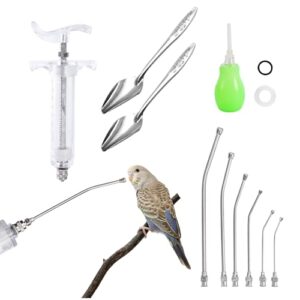
When your hatchling refuses standard prey, a Baby Bird Feeding Syringe Set offers precise Prey Administration through a 20 ml barrel and six curved tubes. Syringe Calibration lets you control volume for fragile juveniles, while the transparent design tracks flow during Feeding Snakes sessions. Sterilize stainless steel components between uses—Equipment Sterilization prevents bacterial transfer that undermines Snake Health and Behavior.
Position your snake calmly, administer slowly, and watch for distress. These Feeding Techniques bridge emergency nutrition gaps, though whole prey remains the preferred standard for Reptile Care and Nutrition. Always consult your vet before assisted feeding.
| Best For | Snake keepers who need a precise, controlled way to deliver emergency nutrition to baby or juvenile snakes that refuse whole prey. |
|---|---|
| Primary Material | Stainless Steel/Plastic |
| Product Type | Feeding Syringe Set |
| Brand | Jinhao |
| Primary Color | Green |
| Weight | 89.1 g |
| Use Case | Hand feeding |
| Additional Features |
|
- Transparent 20ml barrel lets you monitor flow and adjust volume in real time during feeding sessions
- Six curved tubes and stainless steel construction make it easy to sterilize and customize for different snake sizes
- Gives you a reliable backup when hatchlings won’t accept standard prey items
- Syringe tips can be uncomfortable to install and some needles get clogged or stuck during cleaning
- A loose metal ball inside one syringe poses a serious safety risk if it detaches into your snake
- Whole prey is still the gold standard—this should only be a temporary solution, not a long-term feeding method
8. Swan Mineral Oil Skin Moisturizer

After handling prey and equipment, your hands need protection from drying oils and residue—Swan Mineral Oil Skin Moisturizer delivers Skin Moisturizing and Skin Protection in a 16 oz bottle. Mineral Oil Benefits include softening cuticles worn by repeated tong grips, while Oil Applications extend beyond Pet Care to conditioning wooden enclosure fixtures.
Though Mineral Oil Risks remain low for topical use, test for sensitivity before routine application. This emollient aids your Reptile Care routine by maintaining barrier function after each Snake Feeding session, bridging hygiene with comfort in Animal Nutrition tasks.
| Best For | Snake handlers and reptile keepers who need an affordable moisturizer to protect hands from drying out after feeding sessions and equipment cleaning. |
|---|---|
| Primary Material | Mineral Oil |
| Product Type | Mineral Oil |
| Brand | Generic |
| Primary Color | Clear |
| Weight | 15.36 oz |
| Use Case | Skin/wood care |
| Additional Features |
|
- Softens cuticles and maintains skin barrier after handling prey and cleaning enclosures
- Doubles as a conditioner for wooden fixtures and tools in your reptile setup
- Large 16 oz bottle offers good value for regular use in animal care routines
- Bottle may arrive slippery or leaking during shipping
- Limited dermatological research beyond basic moisturizing effects
- Can feel greasy compared to modern lotions formulated specifically for hands
9. Mini Dustpan and Brush Set

Once you’ve moisturized your hands, that same attention to hygiene applies to your feeding zone. The WDDBHSKN Mini Dustpan and Brush Set keeps spilled prey residue and substrate debris under control. Its 6.35-inch width fits tight enclosure corners, while nylon Brush Bristles and polypropylene Dustpan Materials resist corrosion during routine Sanitation Tips.
Quick post-feeding sweeps support Enclosure Maintenance and Reptile Health and Nutrition by preventing bacterial buildup, a cornerstone of responsible Snake Care and Feeding Practices for Snakes that every Pet Snake Ownership guide should emphasize.
| Best For | Snake owners who need a compact cleaning tool for quick post-feeding cleanup in tight enclosure corners and feeding zones. |
|---|---|
| Primary Material | Polypropylene/Nylon |
| Product Type | Dustpan & Brush |
| Brand | WDDBHSKN |
| Primary Color | Gray |
| Weight | Not specified |
| Use Case | Cage cleaning |
| Additional Features |
|
- Compact 6.35-inch width fits into small spaces like enclosure corners, hides, and tight vivariums where full-size cleaning tools can’t reach.
- Corrosion-resistant polypropylene and nylon materials hold up to routine disinfection with reptile-safe cleaners, making sanitation easier.
- Ergonomic handle design and lightweight construction reduce hand fatigue during regular feeding area maintenance.
- Bristles may be too soft for heavy-duty sweeping tasks or stubborn substrate debris according to some user feedback.
- Small size might require multiple passes for larger messes or bigger enclosures, slowing down cleanup.
- Quality concerns require going through a specific seller contact process rather than standard warranty channels.
10. Uniheat Shipping Warmer
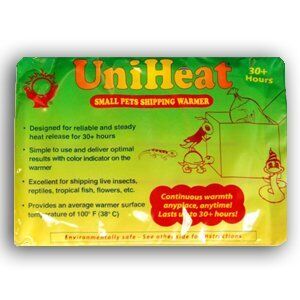
When you order bulk frozen prey or receive Live Prey deliveries in winter, the Uniheat Shipping Warmer becomes your lifeline. This compact 5.91×4.25-inch mat offers 72 hours of Thermal Control, protecting Temperature Regulation during transit—critical for maintaining Snake Nutrition standards.
Activate it 30 minutes before sealing shipments to prevent temperature drops that compromise Feeding Practices for Snakes. While reviews mention heat fluctuations, proper Packaging Safety and timing guarantee your Reptile Care and Snake Feeding supplies arrive ready to support healthy diets.
| Best For | Snake owners who ship or receive live prey and frozen feeders in cold weather and need reliable heat protection during transit. |
|---|---|
| Primary Material | Heat Mat |
| Product Type | Heat Pack |
| Brand | Uniheat |
| Primary Color | Yellow |
| Weight | 3.2 oz |
| Use Case | Shipping warmth |
| Additional Features |
|
- Provides 72 hours of consistent warmth to protect live animals and frozen prey during shipping
- Compact size (5.91×4.25 inches) fits easily into most shipping boxes without taking up much space
- Simple activation process makes it easy to use for both sellers and hobbyists shipping reptile supplies
- Takes 30-60 minutes to reach full heat, requiring advance planning before sealing packages
- Customer reviews report inconsistent heat levels and performance issues with some units failing early
- Heat output may drop unexpectedly during the 72-hour period, potentially risking temperature-sensitive shipments
Troubleshooting Common Feeding Challenges

Even the most prepared snake owners encounter feeding hiccups, from snakes that suddenly refuse meals to equipment that doesn’t quite work as expected.
The good news is that most feeding challenges have straightforward solutions once you understand what’s going wrong. Let’s walk through the most common issues you’ll face and the practical fixes that actually work.
Encouraging Feeding in Picky Snakes
Some snakes test your feeding patience, but understanding refusal reasons transforms the challenge. Repeated exposure to prey variety gradually increases acceptance, while matching your snake’s preferred prey type—rodents over reptiles, for instance—boosts success rates.
Maintain consistent feeding schedules and minimal handling to reduce stress. Record daily feeding cues to identify patterns unique to your snake, ensuring proper snake nutrition and supreme snake care.
Adjusting Equipment for Feeding Success
Equipment calibration transforms feeding practices from guesswork into precision. Fine-tuning your tools ensures every feeding session prioritizes snake safety while supporting natural feeding mode behaviors.
- Verify your snake hook’s length matches your species’ striking range, maintaining safe distance during prey handling
- Test warming devices beforehand to deliver consistent temperatures that trigger feeding response without overheating
- Sterilize feeding tongs between sessions to prevent cross-contamination in your feeding environment
These feeding strategies directly impact your snake feeding schedules‘ success rates.
When to Seek Veterinary Advice
Vigilance separates routine care from life-saving intervention. If your snake refuses food beyond two weeks, shows persistent regurgitation signs, or exhibits emergency symptoms like labored breathing or visible mouth lesions, contact a reptile veterinarian immediately. These digestive health red flags demand veterinary care for reptiles—preventing regurgitation in snakes starts with recognizing when equipment adjustments won’t solve underlying snake health crises.
If your snake refuses food for over two weeks, regurgitates repeatedly, or shows labored breathing, contact a reptile veterinarian immediately—equipment can’t fix underlying health crises
| Warning Sign | What It Means | Action Required |
|---|---|---|
| Feeding refusal + weight loss | Possible metabolic issue | Schedule vet visit within 48 hours |
| Repeated regurgitation | Digestive distress or obstruction | Seek immediate veterinary care |
| Lethargy + abnormal stools | Potential infection or illness | Contact reptile veterinarian urgently |
Frequently Asked Questions (FAQs)
Can I feed my snake live prey safely?
You can, but live prey poses serious risks—bites, scratches, and stress to your snake.
Frozen-thawed prey eliminates these welfare concerns and feeding safety hazards while protecting both animals from injury.
How do I store frozen rodents properly?
Proper procedures prevent pathogens: freeze rodents at -18°C in labeled, food-grade bags away from human foods.
Thaw prey under refrigeration for 12–24 hours, maintain clean handling practices, and never refreeze thawed inventory.
What happens if my snake bites the tongs?
If your snake bites the tongs, don’t panic—it’s usually harmless.
Check the snake’s mouth for injury, disinfect the tong tips, and monitor for swelling or unusual behavior before the next feeding.
Should I feed snakes in separate enclosures?
It sounds counterintuitive, but feeding snakes in separate enclosures often backfires. Repeated moves spike stress hormones, disrupting digestion and triggering defensive strikes.
Proper isolation benefits emerge only with careful enclosure design and health monitoring protocols.
How often should I replace feeding equipment?
Inspect your snake hook, tongs, and thermometers biweekly for damage. Replace chewed, rusted, or cracked tools immediately.
Rotate heat pads every 1–3 years, and retire any equipment showing wear to maintain safety standards.
Conclusion
A keeper once watched her corn snake strike confidently after weeks of refusals—the difference was simply switching to longer tongs and verifying prey temperature with an infrared thermometer. Those two adjustments transformed feeding time entirely.
Your snake feeding equipment guide for owners doesn’t need to be complicated, but it does need to be intentional. With the right tools in hand, you’ll create feeding routines that build confidence, eliminate guesswork, and keep both you and your snake consistently safe.