This site is supported by our readers. We may earn a commission, at no cost to you, if you purchase through links.

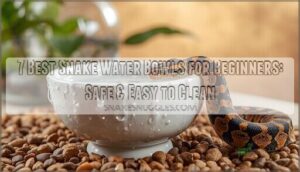
My first ball python soaked in a repurposed margarine tub for months before I realized how badly I’d botched it — too shallow, too flimsy, tipping every time he shifted his coils. He didn’t complain, snakes rarely do, but I later learned that setup was quietly working against his shedding and hydration the whole time.
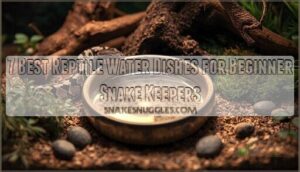
Water bowls for beginners seem like an afterthought, something you grab off a shelf without thinking twice. Truth is, the right bowl affects everything from shed quality to bacterial exposure, and most starter options fall short in ways that aren’t obvious until something goes wrong.
Let’s fix that before your snake ends up soaking in the reptile equivalent of a kiddie pool.
Table Of Contents
Key Takeaways
- Pick a bowl that’s 6-8 inches wide for adults (3-4 inches for hatchlings) with at least 1-2 inches of water depth, so your snake can actually soak instead of just sip.
- Stick to heavy, stable materials like stainless steel or glazed ceramic since they resist tipping, bacteria buildup, and chemical leaching far better than lightweight plastic.
- Place the bowl away from heat sources on stable, floor-level ground, and swap the water daily (with a deeper weekly scrub) to stop slime and bacteria from taking over.
- Watch for dehydration warning signs like dry or wrinkled skin, shedding trouble, and sunken eyes, since your snake can’t tell you when something’s off.
Beginner Snake Water Bowl Basics
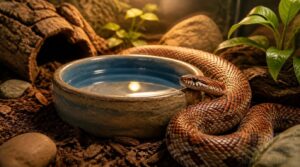
Picking the right water bowl for your snake isn’t complicated, but a few basics make all the difference between a happy, hydrated pet and a soggy mess in the enclosure.
If you’re weighing your options, this guide to choosing the best water bowl for your snake’s enclosure breaks down sizing and material tips in plain terms.
You’ll want to think about size, stability, material, and where the bowl actually sits before grabbing just any dish off the shelf.
Let’s walk through what really matters, one piece at a time.
Bowl Size by Snake
Six to eight inches wide, that’s your sweet spot for adult ball pythons—enough room to coil and submerge halfway. Hatchlings need just 3-4 inches. Water depth should hit 1-2 inches minimum for real soaking benefits.
Follow Growth Stage Sizing: upgrade bowls as your snake grows, but keep the Space Percentage Rule in mind—under 5% of floor space, always.
For adult ball pythons, a recommended 40‑gallon tank with dimensions at least 48″L × 24″W × 24″H is recommended.
Stable, Tip-resistant Designs
Getting the size right means nothing if your snake tips the bowl over mid-soak. Look for wide base stability with a low center of gravity—circular footprints distribute weight evenly, resisting pushes from coiling bodies.
Non-slip bottoms or suction grip solutions keep things put on smooth liners. Weighted rims resist tail swipes without blocking access.
Basically: sturdy beats stylish every time.
Safe Materials for Reptiles
Weight matters, but material matters more. Food grade stainless steel and glazed ceramic resist bacteria and won’t leach chemicals. Cheap alloys or painted finishes? Skip them.
Your safest bets:
- Stainless Steel — rust-proof, dishwasher-safe, sanitary
- Ceramic with non-toxic glaze — heavy, stable, easy to scrub
- BPA free or food-grade plastics — inert and chemical-resistant
Avoid anything decorative with hidden heavy metals.
Soaking Versus Drinking Needs
That bowl isn’t just for sipping — it’s a soaking spot too. Cloacal uptake lets snakes absorb water when drinking’s limited, while soaking helps skin hydration balance, especially during shedding.
| Function | Benefit | Watch For |
|---|---|---|
| Drinking | Primary hydration | Fresh water access |
| Soaking | Shed support | Maceration risk |
| Cooling | Temperature regulation | Prolonged exposure |
Keep soaks brief; soggy skin isn’t healthy skin.
Placement Inside Enclosure
Where you put that bowl matters as much as what it’s made of. Good strategic bowl placement means positioning it away from heat sources, on stable, non-slip flooring, visible from multiple angles.
Pairing smart bowl placement with a consistent routine—like following an optimal snake feeding schedule—helps your snake stay calm, hydrated, and well-fed.
Three quick placement rules:
- Skip the basking spot’s direct path
- Keep it low, floor-level, no climbing required
- Leave clearance for daily cleaning access
Smart enclosure layout considerations balance humidity zones, viewing angles, and hygiene—all at once.
Top 5 Water Bowls Compared
Now that you know what to look for, let’s put that knowledge to work on some real options. Some of these bowls were technically designed for birds or bees, but don’t let that fool you—they work great for snakes too. Here are five picks worth considering, and why each one might earn a spot in your enclosure.
1. Large Black Plant Saucer Bird Bath
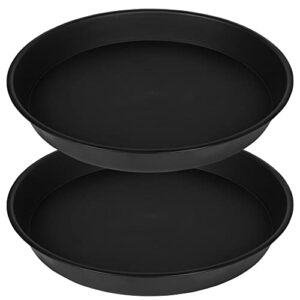
Ever notice how a bird bath and a snake’s water dish solve the same basic problem? This wide, black plastic saucer gives you serious splash room without breaking your budget. Its shallow, smooth basin keeps things snag-free, and the sturdy round shape resists tipping when your snake decides to explore.
Built from durable, UV-resistant plastic, it shrugs off sun exposure and stays crack-resistant in colder snake rooms too. Simple, cheap, and surprisingly practical for beginners.
| Best For | Plant owners who want to protect floors and patios from overflow while also giving backyard birds a shallow spot to drink and splash. |
|---|---|
| Material | Polypropylene plastic |
| Water Use | Bird bath water |
| Color | Black |
| Outdoor Suitable | Yes |
| Maintenance Needed | Periodic emptying |
| Wildlife Attraction | Birds |
| Additional Features |
|
- Doubles as a plant saucer and a bird bath, so it’s useful in more than one way
- Thick, matte-finish polypropylene construction feels sturdy and durable
- Comes in a pack of two, which is handy if you have multiple planters or want bird baths in more than one spot
- Only fits planters with a bottom diameter of 10.5 inches or less, so it won’t work for larger pots
- Needs to be emptied regularly, or standing water can become a mosquito breeding spot
- Long-term, intense UV exposure can cause the plastic to degrade over time
2. Lotus Bowl Indoor Water Planter
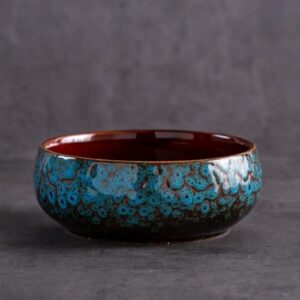
Now here’s a fun crossover pick: this lotus-shaped bowl is made from high-temperature ceramic, so it resists fading and won’t warp under daily use. No drainage holes means zero leaks—a big plus for enclosure setups.
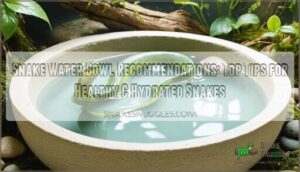
Its shallow, wide profile gives your snake easy access for soaking, while the smooth glazed interior stays snag-free and simple to wipe down. The sturdy build resists tipping, too, making it a surprisingly solid, decorative option for beginner keepers.
| Best For | Plant lovers and hobbyists who want a decorative, leak-free bowl for growing lotus seeds, water plants, or housing small goldfish in indoor spaces, patios, or zen gardens. |
|---|---|
| Material | High-temperature ceramic |
| Water Use | Aquatic plant water |
| Color | Blue |
| Outdoor Suitable | Yes |
| Maintenance Needed | Occasional cleaning |
| Wildlife Attraction | Small fish |
| Additional Features |
|
- High-temperature ceramic construction resists fading and holds up well over time.
- No drainage holes means no leaks, keeping surfaces clean and dry.
- Lotus-inspired shape adds elegant, decorative appeal to any space.
- Lack of drainage holes causes water retention, making it unsuitable for plants that need dry periods.
- Ceramic material is fragile and can break if dropped.
- Limited to water-based plants and small aquatic animals, so it’s not suitable for heavy soil plantings.
3. Sapphire Ceramic Lotus Bowl Planter
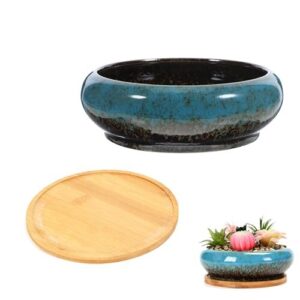
Sapphire blue and glossy, this little bowl looks more like jewelry than reptile gear—yet it holds up beautifully. At 7.9 inches wide and 2.8 inches deep, it’s roomy enough for most beginner snakes to coil in, while the high-temperature ceramic resists chipping and cracking under daily handling.
The smooth, non-porous glaze keeps buildup to a minimum, and since there’s no drainage, you won’t find puddles sneaking into the substrate. Just handle it gently; ceramic doesn’t forgive drops.
| Best For | This sapphire blue ceramic bowl planter is best for plant lovers looking for a decorative, elevated stand for succulents, small aquatic plants, or bonsai on a windowsill, balcony, or shelf. |
|---|---|
| Material | Ceramic |
| Water Use | Aquatic plant water |
| Color | Sapphire blue |
| Outdoor Suitable | Yes |
| Maintenance Needed | Periodic cleaning |
| Wildlife Attraction | Decorative only |
| Additional Features |
|
- Glossy sapphire blue ceramic finish adds a decorative touch to indoor or outdoor spaces
- Bamboo stand elevates the planter, improving airflow and protecting surfaces from water marks
- Bowl shape offers ample room for roots while helping maintain stable soil temperature
- No built-in drainage, so a saucer is needed to catch excess water
- Ceramic can crack if dropped or exposed to sudden temperature changes
- Bowl depth is limited, which isn’t ideal for plants with large root systems
4. Hanging Bird Bath and Feeder
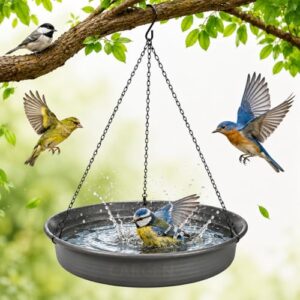
Here’s the honest truth: this one’s a bird feeder, not a snake bowl, and it doesn’t belong in your enclosure. At 9.8 inches wide with a swaying chain design, it’s built for finches and doves outdoors—not stable footing for a coiling snake.
Skip this pick entirely for reptile use; the tipping risk and outdoor-only material make it a mismatch. Save it for your patio, and let’s move on to something reptile-appropriate.
| Best For | Bird lovers who want an easy way to attract finches, doves, and woodpeckers to their garden or patio for feeding and bathing. |
|---|---|
| Material | PP with resin coating |
| Water Use | Bird bath water |
| Color | Black |
| Outdoor Suitable | Yes, outdoor only |
| Maintenance Needed | Manual cleaning |
| Wildlife Attraction | Multiple bird species |
| Additional Features |
|
- Dual-purpose tray works for both seed feeding and bird bathing
- Weather-resistant resin-coated PP material holds up well outdoors
- Tool-free hanging setup with S-shaped hooks makes installation quick
- Needs a sturdy branch or wrought iron hanger to stay stable
- Outdoor use only, so it can’t double as an indoor accessory
- Requires regular manual cleaning to keep droppings from building up
5. Ceramic Bee Watering Station
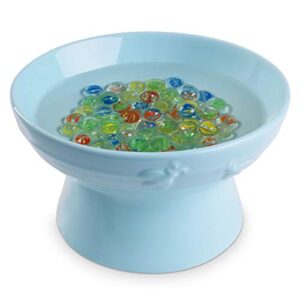
Last on the list, and it’s another "nope" for your snake tank. This bee watering station is built shallow on purpose—water depth sits at just 5 to 6 mm, perfect for a bee’s tiny legs, but nowhere near enough for a snake to soak in.
The 80 glass marbles are a real hazard too: choking risk if your snake investigates them, plus they’ll shatter under any real weight. Pretty for a garden bed, wrong for your reptile.
| Best For | Gardeners who want to support local pollinators like bees and butterflies with an attractive, easy-to-set-up water source for their yard or flower beds. |
|---|---|
| Material | Ceramic |
| Water Use | Pollinator water |
| Color | Turquoise |
| Outdoor Suitable | Yes |
| Maintenance Needed | Regular refilling |
| Wildlife Attraction | Bees and butterflies |
| Additional Features |
|
- Gives bees, butterflies, and small insects a safe, shallow water source that supports pollinator health
- Doubles as a decorative turquoise ceramic centerpiece with 80 glass marbles for garden charm
- Easy to set up and place in flower beds, patios, or garden borders
- Requires regular refilling and cleaning to prevent stagnant water and mosquito breeding
- Only suitable for small insects, not larger wildlife or reptiles
- Glass marbles are fragile and can shatter or pose a hazard if dropped or disturbed
Choosing a Safe Snake Bowl
Not every water dish that looks cute on a shelf belongs in a snake enclosure, and that’s a lesson worth learning before an accident happens.
A safe bowl comes down to a handful of simple factors—material, shape, and how easy it’s to keep clean.
Let’s break down exactly what to look for, one detail at a time.
Ceramic Versus Plastic Bowls
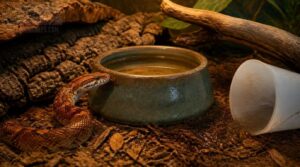
Choosing between ceramic and plastic feels small until your snake tips it over for the third time this week.
| Factor | Ceramic | Plastic |
|---|---|---|
| Chemical Leaching Risks | Inert, won’t leach | Possible with older plastics |
| Weight Stability Benefits | Heavy, tip-resistant | Lightweight, easily knocked over |
| Cleaning Ease | Wipes clean, resists odors | Scratches trap bacteria |
Ceramic wins on longevity too—decades of use versus plastic’s replacement cycle.
Smooth Edges Prevent Injuries
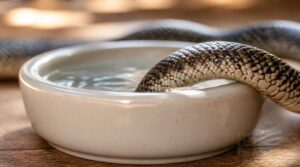
Ceramic wins on weight, but rim shape matters just as much. Run your finger around the edge—any sharp lip can nick delicate skin during drinking or soaking.
Edge radius benefits show up fast: rounded rims reduce jaw pressure and scale abrasion. Look for BPA free, softened surfaces, like an EasyClean Water Bowl or stainless steel water bowl built with real pet bowl ergonomics in mind.
Easy Cleaning Matters
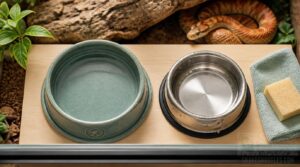
Rounded rims mean nothing if gunk builds up between cleanings. Matte Glazed Surfaces wipe streak-free, while Sealed Rim Design stops slime from hiding in gaps.
Pick Impact Resistant Bowls with Integrated Drip Edges to keep splash zones dry. An EasyClean Water Bowl or stainless steel water bowl makes daily pet bowl cleaning fast—because nobody wants scrubbing marathons before coffee.
Proper Depth and Access
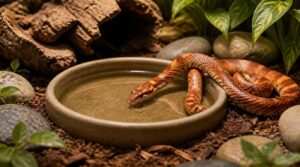
Depth matters more than people think—1 to 2 inches works for small snakes, up to 3 for larger ones. Keep the water surface near mid-body height, so drinking doesn’t strain your snake’s neck.
Make sure bowl stability so it won’t tip when your snake climbs in. Good pet bowl placement means easy access from multiple sides, just like an elevated dog bowl helps smaller pets.
Avoid Decorative Hazards
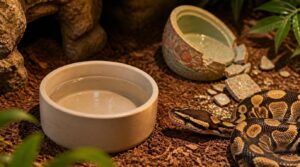
That cute painted bowl at the pet store? Skip it. Painted designs risk chipping into flakes your snake might swallow, and decorative underglaze concerns are real—cracked glaze harbors bacteria. Never buy bowls with glitter or ornaments; that’s a genuine glitter ornament danger, since loose bits create a swallowed particles hazard.
Also watch obstructed hides issues—bowls shouldn’t block passageways. Plain pet bowl design wins every time.
Cleaning and Hydration Tips
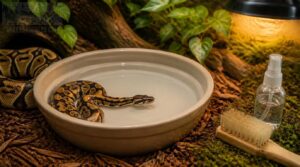
Picking the right bowl is only half the job—keeping it clean is what actually protects your snake’s health. A dirty bowl can turn into a bacteria hotel faster than you’d think, so a little routine goes a long way.
Let’s break down exactly how often to clean, refill, and check on things so hydration never becomes a guessing game.
Daily Water Replacement
Stale water breeds bacteria fast—swap it out daily, no excuses.
- Full change every 24 hours, room temperature only
- Increase replacement frequency during shedding or hot spells
- Wash the bowl with soap before refilling
Fresh water helps with hydration and healthy skin, working like a mini automatic waterer routine you control by hand.
Weekly Deep Cleaning
Once a week, take things further than the daily splash-and-refill: pull the bowl completely, scrub with hot water and unscented soap, and hit slime-prone rims with a vinegar soak method (1:1 water) for 10 minutes. Sanitize enclosure corners, dry everything fully, then run a quick bowl inspection checklist for cracks. Log it—hydration tracking pays off later.
Preventing Slime Buildup
That slick film isn’t just gross—it’s biofilm, bacteria, and algae throwing a party on wet surfaces. Fight back with Surface Material Selection (ceramic beats rough plastic), steady Water Turnover Rate, and a glossy, non-porous finish.
Smooth ceramic bowls
Daily water refreshes
Weekly hydrogen peroxide wipes
These Biofilm Prevention Techniques keep water clarity high and algae control simple, unlike your average dog water bowl routine.
Monitoring Humidity Levels
Your water bowl does double duty as a humidity tool—so track it. Keep RH sensor placement away from splash zones, aim for 40–60% humidity range settings, and log readings twice daily.
| Reading Trend | Action |
|---|---|
| RH rising, condensation forming | Boost ventilation |
| RH dropping steadily | Add water surface |
Skip moisture absorbers; they’re unreliable for live enclosures. Consistent daily RH logging protects pet bowl health long-term.
Signs of Dehydration
Snakes can’t tell you they’re thirsty, so you’ve got to read their body. Watch for dry, wrinkled skin or trouble shedding—classic dehydration clues. Sunken eyes, lethargy, and less frequent waste production (that’s reduced urination in reptile terms) all signal trouble.
Since snakes can’t say they’re thirsty, dry wrinkled skin, sunken eyes, and lethargy speak for them
Keep your Water Bowls topped with continuous fresh, tasty water—it’s the simplest fix for solid pet hydration and lasting pet bowl health.
Frequently Asked Questions (FAQs)
Why are some dogs messy drinkers?
Bloodhounds can drench up to a full cup of water per lap thanks to their jowls! Facial anatomy and rapid tongue lapping create splash zones, while wide, shallow bowls only make thirsty drinkers messier.
Should dogs eat elevated?
It depends on the dog. For arthritic or deep chested breeds, elevated feeding benefits posture and swallowing, but bloat risk factors mean height must match torso size—so adjustable dog bowl height wins over guessing.
What kind of bowls are best?
For beginners, ceramic bowls win out — heavier, wobble-resistant, non-porous, and easy to sanitize. They balance durability with looks, unlike lightweight plastic, which tips easily and scratches, harboring bacteria over time despite being budget-friendly and eco-conscious.
How do no spill water bowls work?
A floating disk rests on the surface, controlling water level so your reptile sips small amounts instead of splashing everything out.
This spill reduction technique relies on food-grade materials and smooth channels, keeping hydration steady without soggy substrate or messy runoff.
How often should I replace a snakes water?
Daily is your baseline, but soaking snakes or humid setups need it checked twice. Watch for cloudiness—that’s your cue to swap it immediately, no excuses, no "it’ll be fine till tomorrow.
Can tap water be used for snake bowls?
Straight from the tap could be liquid dynamite for your snake’s skin if you skip prep! Yes, tap water works—just dechlorinate it first, keep it room temp, and test water quality occasionally for hardness or metals.
What temperature should snake drinking water be?
Aim for room temperature range (21–24°C); desert snakes tolerate up to 26°C. During brumation, keep it steady—no heating cable for water bowl needed. Adjust seasonally, and never offer icy or scalding water.
How do I know if humidity is adequate?
Grab a hygrometer, keep it away from vents, and check for a steady 40 to 50 percent range. No fogged glass, no bone-dry substrate—just balanced air, comfy skin, and a snake that’s breathing easy.
Conclusion
Picture your snake gliding smoothly into a bowl that stays put, water clear enough to see every scale ripple beneath the surface — that’s the difference a smart choice makes.
Getting water bowls for beginners right isn’t about fancy gear; it’s about stability, safe materials, and easy cleaning working together daily. Skip the wobbly margarine-tub mistake I made.
Your snake can’t say thanks, but a clean, tip-proof bowl speaks for itself, shed after healthy shed.