This site is supported by our readers. We may earn a commission, at no cost to you, if you purchase through links.
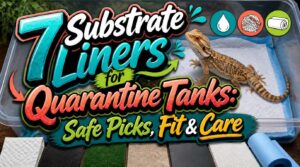
A quarantine tank tells you more than a snake’s hide ever will, but only if the floor lets you see what matters. Missed urates, damp patches, and frayed scales can turn a routine hold into a guessing game.
That’s why substrate liners for quarantine tanks earn their place. They give you a clean, stable surface that makes waste easy to spot, limits loose-particle exposure, and helps you track appetite, shedding, and stress without noise from messy bedding. Some liners hold up well, some trap moisture, and some create snag risks at the edges. The right pick makes checks faster, clearer.
Table Of Contents
- Key Takeaways
- What Are Quarantine Tank Substrate Liners?
- Top 7 Quarantine Tank Liner Options
- 1. Zilla Reptile Terrarium Liner Brown
- 2. Zoo Med Eco Carpet for 50 Gallon Tanks
- 3. Reptile Carpet Mat Washable Terrarium Bedding
- 4. Carolina Custom Cages Reptile Carpet Sandstone
- 5. Carolina Custom Cages Extra Long Terrarium
- 6. Carolina Custom Cages Reptile Carpet Kelly Green
- 7. Hamiledyi Coconut Fiber Reptile Mat
- Choosing Safe Quarantine Tank Liners
- Installing Liners for a Secure Fit
- Cleaning and Replacing Quarantine Liners
- Frequently Asked Questions (FAQs)
- Conclusion
Key Takeaways
- Quarantine tank liners help you spot waste, monitor shedding, appetite, and stress, and reduce loose-substrate risks, which makes health checks clearer and more reliable.
- The safest liner is one that lies flat, has good traction and light cushioning, dries quickly, resists moisture and fraying, and does not create gaps or rough edges that can catch scales.
- Reusable liners only stay safe if you clean waste quickly, disinfect them regularly, air dry them fully, and keep backup sets ready so damp or worn liners never go back into the tank.
- Replace a liner as soon as you see edge curling, thinning, fraying, trapped odor, stains, mold, or moisture damage, because once the material breaks down it can hide contamination and raise health risks.
What Are Quarantine Tank Substrate Liners?
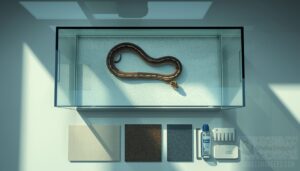
Quarantine tank substrate liners give you a clean, stable floor that helps you watch your snake closely and keep the setup easy to manage. Unlike loose substrate, they make waste easier to spot and remove, though reusable liners still need careful cleaning and timely replacement.
During cleanup, this guide to replacing snake bedding helps you spot when even liners need refreshing.
The options below will help you compare safe picks for fit, hygiene, and day-to-day quarantine use.
Purpose During Snake Quarantine
Because quarantine only works when variables stay controlled, liners give you a clean barrier for waste, daily health checks, and early disease detection. They support biosecurity by keeping contamination contained.
Controlled quarantine starts with a clean liner that reveals waste fast and helps stop contamination
They simplify reptile enclosure cleaning tips in practice, and let you track appetite, shedding, weight, and stress behaviors over time. That record makes release, treatment, or continued isolation much safer overall.
Liners Versus Loose Substrates
That control matters when you compare liners with loose fill in quarantine tanks.
Reptile enclosure flooring gives faster Maintenance Effort, tighter Hygiene Control, better Animal Comfort, and clearer Cost Comparison over time. A washable terrarium liner, including reptile substrate liners for small enclosures, outlasts many loose options, improving Longevity Impact while still serving as nontoxic reptile bedding for sick arrivals.
Hygiene and Health Benefits
Liners turn quarantine tanks into cleaner workspaces and safer resting surfaces. They improve reptile habitat hygiene by supporting:
- Pathogen reduction
- Skin protection
- Moisture control
- Allergen prevention
- Uniform footing
That helps reptile waste management, keeps a bacteriaresistant substrate easy to inspect, and makes your enclosure liner replacement schedule easier to follow. You see waste fast, disinfect promptly, and reduce skin contact risk.
Limits of Reusable Liners
That cleaner workflow helps, but reusable liners still have hard limits. Most hold up for several wash cycles, then wear resistance drops.
Watch for thinning, fraying edges, seam micro tears, permanent stains, and odor return. Heat and sunlight speed structural degradation.
Track each replacement cycle, because trapped bacteria can rebound fast and trigger bacterial spikes after routine cleaning unexpectedly.
Top 7 Quarantine Tank Liner Options
Here are seven liner options that work well for quarantine tanks. When safety, fit, and easy cleaning matter most, these options stand out. As you read through them, pay attention to how each one suits your tank size, trimming needs, and wash routine. That will make it easier to choose a liner that stays flat, keeps your snake secure, and holds up through quarantine.
1. Zilla Reptile Terrarium Liner Brown
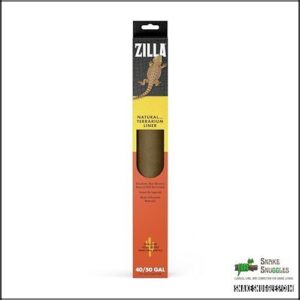
Need a liner that keeps husbandry simple? Zilla Reptile Terrarium Liner Brown is a practical quarantine option for snakes because it uses synthetic fibers that cushion the body, lower ingestion risk, and provide steady footing.
The enzyme-treated surface helps reduce odor without added fragrance, and you can rinse it with cold water, air dry it, and reuse it. Trim it with a utility knife for a flat fit, then replace it once curling, snags, or persistent odor appear during use.
Rescue snakes often arrive stressed and sensitive, so a washable, odor-controlling liner like this works especially well in snake bedding for rescue snakes setups.
| Best For | Snake owners and other reptile keepers who want a reusable, low-mess terrarium liner that simplifies quarantine setups and routine cleaning. |
|---|---|
| Material | Synthetic fibers |
| Dimensions | 17.25 x 35.25 in |
| Weight | 6.4 oz |
| Care Method | Rinse cold, air dry |
| Tank Fit | 10-50 gallon tanks |
| Main Drawback | May curl or snag claws |
| Additional Features |
|
- Reusable synthetic-fiber liner can be rinsed with cold water, air dried, and put back into service.
- Helps reduce odor with an enzyme-treated surface while lowering the risk of accidental substrate ingestion.
- Can be trimmed to fit a range of terrarium sizes and provides steady footing for many reptiles.
- May need trimming to fit certain tanks properly, especially some longer enclosures.
- Can curl when first unrolled, which may take time to flatten out fully.
- Some users report snagging on reptile claws and note the brown color can look more gray in person.
2. Zoo Med Eco Carpet for 50 Gallon Tanks
Soft footing matters in quarantine, especially for snakes that spend long periods resting against the tank floor.
Zoo Med Eco Carpet for 50 gallon tanks offers a nonabrasive surface made from 100 percent recycled plastic bottles, so it protects skin, limits substrate ingestion, and adds light absorption for minor moisture.
It washes easily, dries flat, and works well over under-tank heaters.
Check coverage before use, though, because some 50 gallon enclosures need trimming or leave small exposed areas at edges.
| Best For | Reptile, amphibian, and insect keepers who want a soft, washable tank liner for quarantine setups or enclosures where reducing substrate ingestion matters. |
|---|---|
| Material | Recycled plastic bottles |
| Dimensions | 48 x 15 x 0.5 in |
| Weight | 3.2 oz |
| Care Method | Hand wash, air dry |
| Tank Fit | Standard 50-gallon terrariums |
| Main Drawback | May not fully cover |
| Additional Features |
|
- Non-abrasive, absorbent surface helps protect sensitive skin and adds comfortable footing.
- Made from 100% recycled plastic bottles and can be washed and reused.
- Works well over under-tank heaters and is easy to clean by hand washing and air drying.
- May not fully cover the bottom of every 50-gallon tank, so fit can be inconsistent.
- Needs regular washing to stay hygienic.
- Not a good choice for burrowing species that require deep substrate.
3. Reptile Carpet Mat Washable Terrarium Bedding
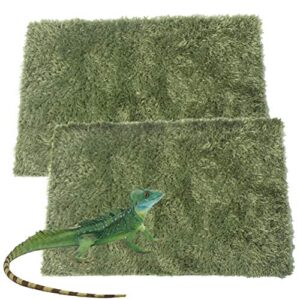
Texture matters in quarantine, and this washable reptile carpet mat gives snakes a stable surface without loose particles to swallow. The felt top is soft on the belly, while the foam-backed nonwoven base adds light cushioning for resting and routine movement.
Each mat measures 23.62 by 15.74 inches, and the pack includes two pieces, so you can rotate one during cleaning. It trims easily for custom tanks, but check for fiber shedding after cutting or washing, especially with persistent, exploratory snakes.
| Best For | Snake owners and other reptile keepers who want a soft, washable, loose-substrate alternative for quarantine tanks or easy-clean terrarium setups. |
|---|---|
| Material | Nonwoven fabric with foam backing |
| Dimensions | 23.62 x 15.74 in each |
| Weight | 8.1 oz |
| Care Method | Hand or machine wash |
| Tank Fit | Custom-cut terrariums |
| Main Drawback | Can shed fibers |
| Additional Features |
|
- Soft felt surface helps provide a stable, belly-safe walking and resting area for reptiles.
- Washable, reusable design comes as a 2-pack, making it easy to rotate mats during cleaning.
- Can be trimmed to fit different tank sizes while adding a natural-looking moss/grass appearance.
- May shed fibers, especially after cutting or washing, which can create extra cleanup.
- Not the most durable option for heavy long-term use, with some reports of wear over time.
- Some reptiles may chew or ingest loose fibers if food is placed directly on the mat.
4. Carolina Custom Cages Reptile Carpet Sandstone
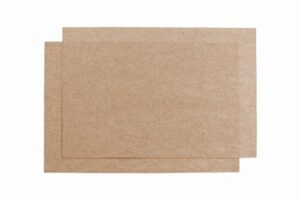
Carolina Custom Cages Reptile Carpet Sandstone is a solid quarantine choice when you want fast cleanup without loose substrate risk. Each 24 by 48 inch sheet lays flat on clean glass, and the non-slip backing helps limit shifting under active snakes.
The terrarium-grade fabric stays soft on the belly, resists fraying with routine washing, and dries quickly after cleaning. You can trim it for odd footprints, but keep edges smooth so scales don’t catch during daily movement in quarantine enclosures.
| Best For | Reptile owners who want an easy-to-clean, low-impaction substrate for quarantine setups or simple terrarium maintenance. |
|---|---|
| Material | Recycled plastic |
| Dimensions | 48 x 18 in |
| Weight | 0.2 kg |
| Care Method | Machine wash, air dry |
| Tank Fit | 48 x 18 terrariums |
| Main Drawback | Thin and shifts |
| Additional Features |
|
- Made from recycled plastic with a felt-like texture that helps reduce impaction risk compared with loose substrates.
- Easy to maintain with spot cleaning or full machine washing using non-scented hypoallergenic detergent.
- Creates a clean, attractive terrarium surface while staying soft enough for everyday reptile use.
- Thin material may wrinkle, bunch, or ball up after repeated washing.
- Can slide or shift in the enclosure unless secured in place.
- Sizing may be inconsistent, so some setups may require folding or trimming for a proper fit.
5. Carolina Custom Cages Extra Long Terrarium
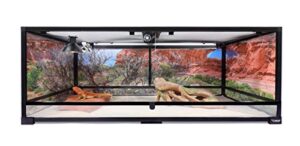
Want a quarantine setup that gives you room to work without crowding the snake? This extra-long terrarium provides a 48-inch footprint, sliding front doors, and tempered glass that cleans up fast after spills or fecal smears.
The front access matters in quarantine, because you can lift waste, swap water, and inspect the liner without reaching from above.
Use a precisely trimmed liner, check the key lock after each session, and plan on two people for safe placement on a stand.
| Best For | Keepers who want a roomy quarantine terrarium with easy front access for larger snakes or species that need extra floor space during observation and routine care. |
|---|---|
| Material | Tempered glass |
| Dimensions | 48.13 x 24.13 x 18 in |
| Weight | 73 lb |
| Care Method | Wipe clean glass |
| Tank Fit | Over 80-gallon setup |
| Main Drawback | Heavy and lock issues |
| Additional Features |
|
- 48-inch extra-long footprint gives you more room to handle cleaning, water changes, and visual checks without crowding the snake.
- Sliding front doors make quarantine tasks easier by allowing quick access without reaching in from above.
- Tempered glass and a waterproof base tray help with fast cleanup after spills, waste, or fecal smears.
- The door lock gets mixed feedback, so it should be checked carefully after each session.
- At 73 pounds, it is heavy enough that most people will need help moving and positioning it safely.
- Humidity-sensitive species may need extra setup adjustments since the screened top can make moisture retention harder.
6. Carolina Custom Cages Reptile Carpet Kelly Green
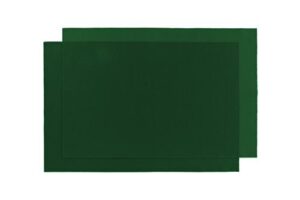
Need a liner that brightens the tank and still works for quarantine work? This Kelly Green reptile carpet comes in two 24 by 48 inch sheets, so you can trim or overlap them for a close fit.
The woven surface gives steady traction, helps limit waste slipping into corners, and resists quick liquid uptake. Machine wash it on a gentle cycle, use unscented detergent, then air dry flat.
For short-term quarantine, it’s practical, visible, and easy to monitor each day.
| Best For | Reptile keepers who want a bright, easy-to-clean tank liner for quarantine setups or everyday use without the risks of loose substrate. |
|---|---|
| Material | Recycled plastic |
| Dimensions | 48 x 18 in each |
| Weight | Not specified |
| Care Method | Machine wash, air dry |
| Tank Fit | 48 x 18 terrariums |
| Main Drawback | Flimsy after washing |
| Additional Features |
|
- Bright Kelly Green color makes the enclosure look more lively and helps with daily monitoring during quarantine.
- Comes as two 24 by 48 inch sheets that can be trimmed or overlapped for a closer fit in different tank sizes.
- Machine washable recycled plastic material offers a reusable, substrate-free flooring option that is easy to clean.
- Some users say the material feels thin or flimsy compared with thicker reptile carpet options.
- It may still need trimming to fit properly, even though it is marketed as a custom-style liner.
- Washing can lead to wrinkling or bunching over time, which may reduce long-term durability.
7. Hamiledyi Coconut Fiber Reptile Mat
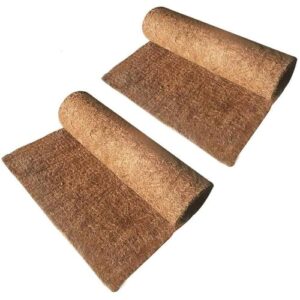
After the bright Kelly Green option, Hamiledyi takes a natural route. Each pack includes two coconut fiber mats, 19.7 by 11.8 by 0.4 inches, and you can trim them for a snug quarantine fit.
The surface is soft, absorbent, and non-abrasive, which helps support movement and light digging. Even so, this mat has limits. Urine can seep through, humid setups may encourage mold, and fiber shedding means you should inspect it often and keep a backup liner ready nearby.
| Best For | Reptile owners who want a natural, trim-to-fit substrate for quarantine tanks or terrariums housing tortoises, bearded dragons, lizards, snakes, or other small animals. |
|---|---|
| Material | Natural coconut fiber |
| Dimensions | 19.7 x 11.8 x 0.4 in each |
| Weight | 0.34 kg |
| Care Method | Rinse cold water |
| Tank Fit | Custom-cut small setups |
| Main Drawback | Can mold when humid |
| Additional Features |
|
- Made from natural coconut fiber with a soft, non-abrasive surface that supports walking and light digging.
- Can be cut to fit custom enclosure sizes and comes as a pack of two reusable mats.
- Easy to rinse with cold water and can help reduce enclosure odors with regular maintenance.
- Urine may seep through instead of being fully absorbed, so extra lining may be needed.
- Humid environments can increase the risk of mold growth if the mat is not cleaned and dried properly.
- Some users report fiber shedding and inconsistent long-term durability.
Choosing Safe Quarantine Tank Liners
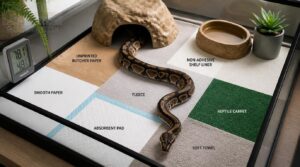
When you choose a quarantine tank liner, safety comes first, from steady footing and gentle support to good moisture handling and easy cleaning. The right pick also depends on how your snake moves, rests, and reacts to a new setup during quarantine. With those basics in mind, here are the liner options worth considering.
Non-Slip Surface Texture
Grip matters. Choose a nonslip surface on each reptile tank liner or reptile enclosure mat.
Good reptile habitat flooring uses Texture pattern design, Traction enhancement techniques, and Surface grip testing to keep reptile enclosure substrate stable on damp days.
Prioritize Anti-slip material selection with Moisture-resistant traction, using coarse, shallow embossing or safe embedded granules that stay effective after cleaning daily.
Cushioning and Pressure Relief
Once traction is handled, the liner should cushion without going mushy. Look for reptile tank cushioning with Foam Layer Benefits, Pressure Distribution, and Contour Support Design.
These Joint Comfort Features and Weight Absorption Technology improve joint pressure relief, support even foot support, and keep reptile enclosure cushioning and reptile habitat cushioning from flattening under daily routine coiling, cruising, and resting.
Moisture and Humidity Resistance
Cushion matters, but a quarantine liner also has to stay dry under humidity. Choose Waterproof liner materials with Humidity-resistant coatings or Moisture barrier films for saturation prevention.
Good Quick-dry fabric tech, low moisture absorption rate, and moisture wicking liner material improve humidity resistance. These Mold prevention liners stay cleaner, dry faster, and give you safer, quickdrying options during quarantine cleaning.
This matters because moisture resistance limits mildew by reducing moisture buildup in liner materials.
Snake Species and Behavior
Match the liner to the snake, not the label. Hunting Strategies, Sensory Detection, Activity Patterns, Habitat Preferences, and Defensive Postures shape what stays safe underfoot.
Use reptile substrate liners for small enclosures, whether you choose a reptile tank liner, reptile terrarium mat, reptile vivarium liner, or reptile cage liner, and trim for secure, low-stress movement during rest, feeding, and hiding.
Odor and Bacteria Control
Because waste turns fast in quarantine, choose liners built for reptile habitat odor control. Check Odor reduction duration, Bacteria inhibition effectiveness, Enzyme efficiency comparison, Natural fiber absorption, and Chemical-free neutralization performance.
Prefer enzyme treated liners with strong microbial inhibition effectiveness, solid chemicalfree neutralization performance, and easy reptile enclosure cleaning. That keeps odor down and your snake safer during quarantine use.
Installing Liners for a Secure Fit
A liner only works well in quarantine if it fits the tank cleanly and stays flat where your snake moves and rests. The next points walk you through measuring, trimming, smoothing the edges, and catching small fit problems before they turn into snags.
Start with the tank itself, then work down the list step by step.
Measuring The Quarantine Tank
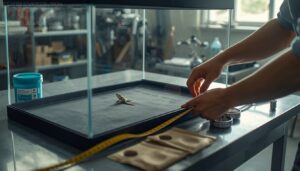
Begin with Tank Empty Measurement. Use Flexible Tape Use along the floor for Tape Measure Accuracy, then match interior length and width within 2 mm tolerance, your Interior Dimension Tolerance for reptile enclosure safety.
- Check corners first
- Recheck after bowls for Accessory Space Adjustment
- Note terrarium liner absorbency and the enclosure liner cutting guide before you cut to size later.
Precision Cutting With Guides
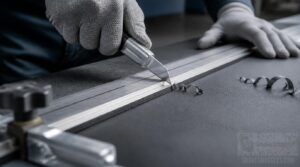
One bad cut creates a snag point. Use grid marking guides and an enclosure liner cutting guide to cut liners with a sharp utility knife, not scissors. Keep a secure cutting setup, clamp the guide, and confirm 2 mm tolerance.
| Guide | Purpose |
|---|---|
| Wear-resistant | Blade path control |
| Alignment marks | Precision trimming |
Check edge placement twice so long cuts stay straight and repeatable.
Creating Smooth Beveled Edges

Smooth edges protect skin and scales.
- Use grid marking guides for precision trimming.
- Cut liners with a sharp utility knife.
- Keep beveled edges at a 0.5 to 2 mm radius.
- Match bevel methods to material, then seal fraying fibers.
- Clean, even bevels sit flatter and look better.
This finish lowers snag risk and gives your quarantine tank a cleaner fit.
Preventing Gaps and Snags
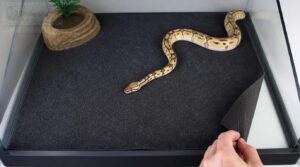
A snake’s belly finds every loose thread. Use single sheet sizing to cut one piece, no seams to bunch. Add non-slip backing, then seal edges so folds can’t catch scales.
| Check | Method | Result |
|---|---|---|
| Snug fit | Press corners | No gaps |
| Threads | Run fingers | No snags |
| Edges | Inspect fraying | Reseal |
Checking for Edge Curling
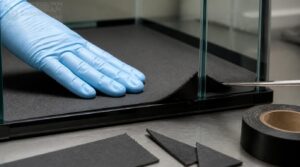
After you seal the perimeter, watch for edge curl. Press each wall line, then measure lift from the tank edge to the highest point. Over 2 mm means interference.
Reseat the reptile tank substrate, bevel rough cuts, and use smoothing tape to prevent return. Recheck after 24 hours, and replace liners showing structural degradation, thinning, or fraying edges during quarantine.
Cleaning and Replacing Quarantine Liners
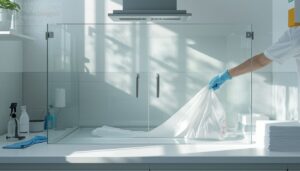
Good liner care keeps a quarantine tank cleaner, drier, and safer day to day. The next points walk you through the routine that matters most, from quick waste cleanup to knowing when a liner is ready to replace. Keep these steps in mind as you review the liner options that follow.
Daily Waste Spot Cleaning
Usually, spot cleaning means removing waste within 1 to 2 hours with gloves, paper towels, and forceps for cleanup. Lift solids first, wipe debris before soaking the spot with warm water or reptile spray, then dry it fully.
For hygiene checks, ventilate briefly for odor control, log spotcleaning waste, and save rinse weekly under normal use for reptile tank cleaning.
Weekly Rinsing and Disinfection
Once waste is removed, rinse weekly under normal use with a warm water rinse at 30 to 40 C. Wipe debris before soaking, use reptilesafe detergents, and respect disinfectant contact time for 5 to 10 minutes. Finish with chemical residue removal.
That keeps reptile tank cleaning and terrarium cleaning effective, and improves temperature microbial kill before the air drying protocol.
Safe Flat Air Drying
After rinsing with reptile safe detergents, place the liner on a clean, nonporous surface and let it air dry flat for 48 hours. Keep humidity below 40 percent, with gentle horizontal airflow and space around the mat.
If you notice curl, damp patches, odor, or fan vibration changes, reposition it and clean the drying area before reuse under mild temperatures.
Maintaining Backup Liner Sets
Because quarantine runs on consistency, keep backup liners ready and traceable.
- FIFO rotation
- Dry, shaded storage
- Color tags, batch logs
- Check seams, grip, drainage ports
- Calendar alerts after 48-hour terrarium liner drying time
Choose machinewashable sets for easy cleanup and reuse through several wash cycles. Record each move by SKU, size, and date received, then reconcile inventory quarterly for accuracy.
Wear and Replacement Signs
Inspect closely. Flattening zones, Fiber fraying, Edge curling, and Thickness reduction mean support is failing.
| Sign | Action |
|---|---|
| Odor persistence, permanent stains | Replace soon |
| mold growth, bacterial spikes | Discard now |
Also, check for thinning or fraying edges. You can reuse up to several wash cycles, but replace earlier if damage spreads or moisture leaves soft spots. Even after cleaning, that foul odor persists.
Frequently Asked Questions (FAQs)
Can liners be used with under-tank heaters?
Yes, if proper heater placement keeps the mat outside the glass, with airflow below. Liners add thermal resistance, so expect heater efficiency loss. Use a thermostat, verify liner compatibility, and choose a moisture-wicking terrarium mat.
Which liner colors make waste easiest to spot?
Light colors make waste easiest to spot, especially white and light blue. They improve Waste Visibility Contrast on reptile flooring. Avoid black, dark gray, tan, or beige, which hide buildup and slow habitat sanitation practices.
How long should backup liners be stored?
Keep backup liners sealed away from sunlight for 12 to 24 months max. Label each with purchase date, rotate stock regularly, and inspect for cracking or odor before any quarantine tank use.
Are new liners safe straight from packaging?
Usually, new liners are safe if packaging stays sealed, the moisture barrier is intact, microbial load looks low, and you verify safety certification. Still, do a quick chemical residue check before placing any substrate liner.
Do liners affect feeding behavior during quarantine?
Like sandpaper under skates, liner texture shapes feeding behavior through Tactile feedback, Stress reduction, Prey detection, Feeding motivation, Appetite consistency, reptile habitat substrate, reptile habitat mat, reptile enclosure padding, reptile habitat cleaning, reptile carpet choices.
Conclusion
Don’t let quarantine become a slippery slope. With substrate liners for quarantine tanks, you can spot waste fast, keep footing stable, and remove one more variable when a snake’s health is under watch.
A liner that fits flat, dries well, and resists fraying gives you cleaner data and fewer avoidable risks. When the setup stays simple, your decisions get sharper, and your snake gets a safer reset from intake to the day quarantine ends cleanly.