This site is supported by our readers. We may earn a commission, at no cost to you, if you purchase through links.

Loose bedding hides more than it helps. Waste sinks below the surface, moisture pools where you can’t see it, and your snake ends up crawling across a mess disguised as a clean tank. That’s the quiet problem loose substrate never solves.
Substrate liners for beginners fix this by giving you a flat, washable surface you can lift, rinse, and reinstall in minutes. No digging through bark chips to find what’s rotting underneath.
Get the fit and material right, and you’ll spend less time scrubbing tanks and more time actually enjoying your reptile. Here’s what separates a liner that works from one that just sits there looking tidy.
Table Of Contents
- Key Takeaways
- What Are Reptile Substrate Liners?
- Top 9 Beginner Terrarium Substrate Products
- 1. Zoo Med Eco Carpet Terrarium Liner
- 2. Reptile Carpet Mat Terrarium Bedding Substrate
- 3. Zilla Reptile Terrarium Carpet Liner Brown
- 4. Reptile Carpet Sandstone Washable Mat
- 5. Carolina Custom Extra Long Terrarium
- 6. Carolina Custom Reptile Carpet Kelly Green
- 7. Natural Coconut Fiber Reptile Carpet Mat
- 8. Bio Dude Terra Firma Reptile Substrate
- 9. Joshs Frogs BioBedding Tropical Substrate
- Choosing Liners for Your Snake
- Measuring and Installing Terrarium Liners
- Cleaning and Replacing Substrate Liners
- Frequently Asked Questions (FAQs)
- What is the best liner for a bearded dragon tank?
- What is a good substrate for a terrarium?
- What to put in the bottom of a reptile tank?
- What is a substrate barrier?
- Can liners be used for other pet species?
- How long do liners typically last before replacing?
- Are liners more expensive than loose substrate long-term?
- Can multiple liner layers be stacked together safely?
- Do liners work in bioactive or planted enclosures?
- Conclusion
Key Takeaways
- Loose bedding hides waste and moisture underneath, while washable substrate liners give you a flat surface you can lift, rinse, and reinstall in minutes.
- Match the liner to your snake’s needs, since fine textures suit small snakes, rougher weaves handle large constrictors, and moisture-wicking materials matter most for humid-loving species.
- Daily spot-cleaning plus a biweekly deep clean with reptile-safe solutions keeps bacteria and odor from building up, and liners typically last 6 to 12 months before showing wear.
- Getting the fit right matters just as much as the material, so measuring the floor, using the glass as a cutting template, and sealing edges properly all prevent gaps and curling.
What Are Reptile Substrate Liners?
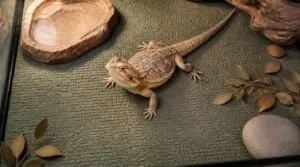
Substrate liners give you a flat, secure surface that sits between your reptile and the tank floor, swapping loose bedding for something easier to manage.
If you’re weighing your options, this guide to choosing the best substrate for your snake’s tank breaks down how liners stack up against other bedding types.
Getting the fit, texture, and material right matters just as much as picking the liner itself, since the wrong choice can mean snagged claws or a soggy mess.
Here are nine beginner-friendly options worth knowing before you buy.
How Substrate Liners Work
Once you place a substrate liner on the terrarium floor, it becomes a barrier against substrate contact, offering waste containment, moisture wicking, and a consistent surface feel with reliable traction. It’s cut to size for a snug, curl-free fit. Most liners are machinewashable, so you simply lift, rinse, and reinstall without disturbing your snake.
This same cushioning concept applies elsewhere too, as products like carpet cushion under flooring are made to improve comfort while containing spills at the surface for easier cleanup.
Liners Versus Loose Substrate
So how does a substrate liner actually stack up against loose bedding like coconut fiber or aspen?
- Moisture control: liners resist pooling; loose substrate absorbs but dries slower
- Waste handling: liners simplify spot-cleaning; loose substrate hides mess, compacting around waste
- Airflow: loose substrate breathes better, drying faster after spills
Cost-wise, a washable liner often outlasts repeated substrate bags, making it the smarter long-term buy.
Beginner-friendly Liner Benefits
Once cost enters the picture, liners win fast. A washable reptile mat costs less over a year than repeated substrate bags, stays lightweight for easy handling, and fits multiple tank sizes without hassle.
| Benefit | Why It Matters |
|---|---|
| Budget-friendly | Cuts recurring substrate costs |
| Odor reduction | Waste wipes clean, not buried |
| Non-toxic liner | Safe for daily handling |
Health and Hygiene Considerations
Savings matter, but your snake’s health matters more. A liner only helps if you treat it like medical equipment, not decor.
Treat your snake’s liner like medical equipment, not decor—its health matters more than the savings
- Mold creeping into damp corners
- Bacteria multiplying near waste
- Cracked skin from poor humidity
- Odors signaling hidden buildup
- Sores from neglected enclosure hygiene
Wash your hands before and after handling, use reptile-safe cleaning solutions, and let liners dry fully to block fungal spores.
Common Liner Limitations
No liner is perfect. Poor trimming causes Ventilation Blockage, trapping stagnant air that fuels humidity buildup and mold growth. Loose fibers trigger skin irritation, while damp weaves invite bacterial spikes and biofilm accumulation.
Heat retention varies by thickness, sometimes creating cold spots or burn risks. Durability suffers too, dyes fade, permanent stains set in, and even moisture-resistant design can’t outlast repeated washing forever.
Top 9 Beginner Terrarium Substrate Products
Picking your first liner shouldn’t feel like guesswork, so let’s narrow the field to products that actually earn their spot in a beginner’s setup. Each option below brings something different to the table, whether that’s traction, moisture control, or ease of cleaning.
Here are nine picks worth knowing before you commit to one for your enclosure.
1. Zoo Med Eco Carpet Terrarium Liner
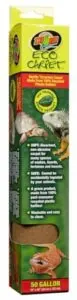
Recycled plastic bottles become this liner’s fibers, giving it a carpet-style texture that’s non-abrasive and won’t tear up your reptile’s belly scales. It’s non-absorbent, washable, and made in the USA.
Fits snakes, lizards, and tortoises that thrive on dry substrate. Lay it over an under-tank heater without worry, since it won’t trap moisture or overheat. Rinse with water or spray reptile-safe cleaner, then dry thoroughly. Minimal shedding means less mess for you to chase down.
For a deeper clean, wash the liner first, then disinfect it with a reptile-safe cleaning supply routine for weekly maintenance, keeping it wet for the full contact time.
| Best For | This liner is best for reptile, amphibian, and insect keepers who want a soft, reusable, eco-friendly substrate for their 50-gallon (or smaller) enclosures. |
|---|---|
| Material | Recycled plastic |
| Reusable | Yes |
| Cleaning Method | Hand wash, air dry |
| Target Animals | Reptiles, amphibians, insects |
| Odor Control | Absorbent surface |
| Size Adjustable | Fixed size |
| Additional Features |
|
- Made from 100% recycled plastic bottles, making it an environmentally conscious choice
- Washable and reusable, offering good long-term value
- Provides a soft, absorbent surface that’s gentle on pets and doubles as a protective layer over under-tank heaters
- May not fully cover the bottom of all 50-gallon tanks, leaving some gaps
- Adds about 0.5 inches of height to your tank setup
- Needs thorough air drying after washing to avoid trapping moisture
2. Reptile Carpet Mat Terrarium Bedding Substrate
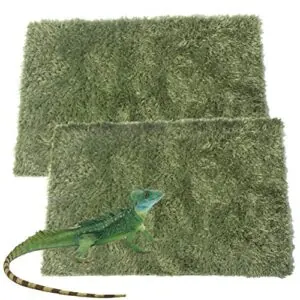
High-density tech fiber nonwoven fabric gives this mat its durability, and the felt surface stays soft enough to protect bellies, feet, and teeth during everyday movement.
Since this fabric is fragrance-free by design, it pairs well with a gentle care routine—here’s a guide to natural cleaning methods for reptile tanks that keeps both the mat and habitat free of harsh scents.
It’s absorbent, breathable, and non-toxic, working well for snakes, bearded dragons, geckos, chameleons, turtles, and iguanas alike. Custom-cutting fits any tank size you’re working with.
One catch: it sheds loose fibers after washing, so plan on occasional lint removal. Skip it for burrowers needing loose substrate, and always dry it fully before reuse to prevent mold.
| Best For | Reptile owners with snakes, bearded dragons, geckos, chameleons, turtles, or iguanas who want an easy-to-clean, comfortable substrate rather than loose bedding. |
|---|---|
| Material | Tech fiber fabric |
| Reusable | Yes |
| Cleaning Method | Rinse, hand wash |
| Target Animals | Snakes, dragons, geckos, turtles |
| Odor Control | Reduces bacterial growth |
| Size Adjustable | Cut to custom size |
| Additional Features |
|
- Soft, non-abrasive felt surface protects feet, bellies, and teeth
- Washable and reusable, with a durable, breathable, non-toxic fabric
- Can be custom-cut to fit any terrarium size
- Sheds loose fibers after washing, requiring occasional lint removal
- Not suitable for burrowing species that need loose substrate
- Must be completely dry before reuse to avoid mold or mildew
3. Zilla Reptile Terrarium Carpet Liner Brown
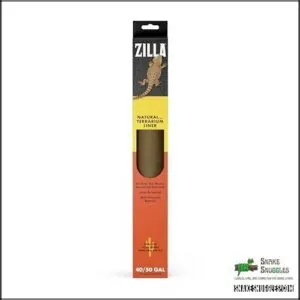
Brand loyalty matters in reptile care, and Zilla’s brown carpet liner earns it with a biodegradable enzyme treatment that cuts odors between cleanings.
Its absorbent, non-abrasive surface soaks up spills while staying gentle on hatchling feet, and it won’t get ingested during feeding, a real safety win for juveniles.
Sold in rolls, you can trim it to fit common footprints like 30 BR or 40 BR tanks. Just don’t expect it to handle heavy waste loads from adult bearded dragons.
| Best For | juvenile reptiles and beginner keepers who want a safe, easy-to-clean substrate alternative for smaller tank setups. |
|---|---|
| Material | Synthetic fibers |
| Reusable | Yes |
| Cleaning Method | Rinse cold water |
| Target Animals | Juvenile reptiles |
| Odor Control | Enzyme treated |
| Size Adjustable | Trimmable |
| Additional Features |
|
- Reusable and low-maintenance—just rinse with cold water
- Enzyme treatment helps reduce reptile odors between cleanings
- Non-ingestible and safe for hatchlings during feeding
- May arrive slightly curled and take time to flatten out
- Often too long for smaller enclosures, requiring trimming
- Not suited for high-humidity setups or heavy waste producers like adult bearded dragons
4. Reptile Carpet Sandstone Washable Mat
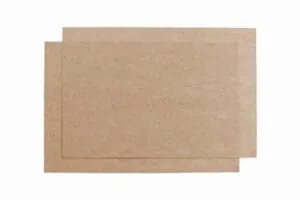
Grip matters more than color, and this mat’s textured sandstone surface gives climbing and burrowing species real traction without feeling harsh underfoot.
Woven polyester resists tearing, so daily digging or basking-spot pacing won’t fray the edges. It’s machine or hand washable, staining resists typical waste buildup, and the neutral tone suits naturalistic setups without demanding constant scrubbing.
You get durability and easy care in one mat, ideal for keepers who want function without sacrificing that natural terrarium look.
| Best For | Reptile and terrarium keepers who want an easy-to-clean, reusable liner that keeps their enclosure looking tidy without much upkeep. |
|---|---|
| Material | Recycled plastic |
| Reusable | Yes |
| Cleaning Method | Machine wash |
| Target Animals | Terrarium reptiles |
| Odor Control | Reduces impaction risk |
| Size Adjustable | Fixed size |
| Additional Features |
|
- Machine washable, making cleanup quick and simple
- Made from recycled plastic, offering an eco-friendly option
- Non-particulate surface helps lower the risk of impaction
- Thin construction may wrinkle or fold as animals move around
- Might shift out of place unless secured with additional fastening
- Actual color may look lighter in person than shown in photos
5. Carolina Custom Extra Long Terrarium
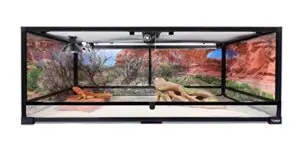
Sometimes the enclosure itself deserves as much thought as the liner inside it. This tempered glass terrarium spans 60 inches long, giving snakes and larger lizards genuine room to stretch out rather than just exist.
Hinged doors keep a tight seal against escapes, while the waterproof base tray simplifies liner swaps and spill cleanup considerably.
That spill-resistant tray pairs naturally with the substrate liners covered here, since removable liners work best when the enclosure beneath them stays dry and easy to access.
| Best For | This terrarium is best suited for reptile keepers setting up a bioactive habitat who want easy front access and a low-maintenance, spill-proof base. |
|---|---|
| Material | Tempered glass |
| Reusable | N/A |
| Cleaning Method | Wipe/spot clean |
| Target Animals | Reptiles, general |
| Odor Control | N/A |
| Size Adjustable | Fixed size |
| Additional Features |
|
- All-glass tempered construction gives a clear, attractive view from every angle
- 4-inch waterproof base tray contains spills and supports deep substrate for bioactive setups
- Mesh top allows compatibility with UVB and heat lamps for proper reptile lighting
- At 73 pounds, the unit may require two people to move or set up
- The key lock mechanism can be stiff and occasionally tricky to turn
- The shallow 4-inch base isn’t deep enough for aquatic turtles that need swimming space
6. Carolina Custom Reptile Carpet Kelly Green
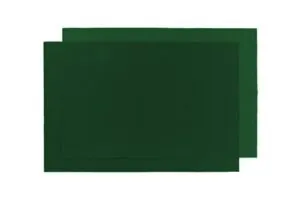
That spacious tank still needs a floor covering, and Kelly Green carpet from Carolina Custom Cages fills that role with recycled plastic fibers built to resist fraying wash after wash.
Perimeter anchors stop curling at the edges, while finished seams keep claws from snagging during normal movement.
Some owners note the fit runs slightly large, so budget time for trimming. The moisture barrier backing protects your substrate below, and quick air-drying within 1-2 hours keeps mold from ever getting a foothold.
| Best For | Reptile owners who want an easy-to-clean, substrate-safe liner for a variety of terrarium setups. |
|---|---|
| Material | Recycled plastic |
| Reusable | Yes |
| Cleaning Method | Machine wash |
| Target Animals | Terrarium reptiles |
| Odor Control | Reduces impaction risk |
| Size Adjustable | May need trimming |
| Additional Features |
|
- Made from recycled plastic material that’s machine washable with hypoallergenic detergent
- Reduces the risk of impaction that can come from loose substrates
- Air-dries quickly and fits a wide range of terrarium sizes
- Some users find the carpet feels flimsy or less sturdy than expected
- May arrive slightly larger than advertised, requiring trimming to fit
- Can retain debris after washing, sometimes needing manual removal
7. Natural Coconut Fiber Reptile Carpet Mat
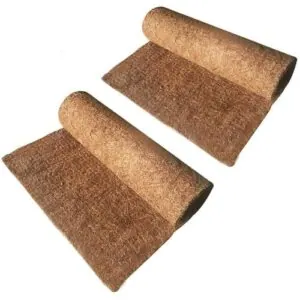
If synthetic carpets aren’t your style, coconut fiber offers a genuine alternative made from coir husks rather than plastic fibers.
This mat provides natural moisture regulation, wicking humidity into its fibrous structure while staying soft enough to prevent skin abrasion on bearded dragons and leopard geckos.
Rinse it clean and air dry between uses. Just watch for loose fiber shedding, since curious pets may ingest strands, and pair it with an absorbent layer underneath since liquid waste passes through fairly easily.
| Best For | Owners of bearded dragons, leopard geckos, and other reptiles who want a soft, natural, reusable substrate that helps regulate enclosure humidity. |
|---|---|
| Material | Coconut fiber |
| Reusable | Yes |
| Cleaning Method | Rinse cold water |
| Target Animals | Reptiles, small animals |
| Odor Control | Reduces odors |
| Size Adjustable | Fixed size |
| Additional Features |
|
- Soft, non-abrasive texture that’s gentle on reptile skin
- Reusable and easy to clean with just a cold water rinse
- Helps retain moisture to support healthy enclosure humidity
- Liquid waste passes through, so it needs an absorbent layer underneath
- Can develop mold if it isn’t dried thoroughly after cleaning
- May shed loose fibers that curious pets could accidentally ingest
8. Bio Dude Terra Firma Reptile Substrate
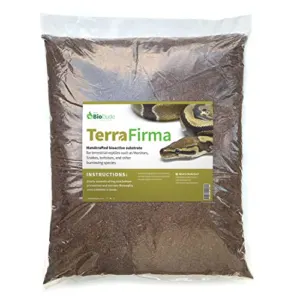
Coconut fiber works for surface-dwelling species, but burrowers need something deeper to tunnel into. That’s where Terra Firma changes the game.
This bioactive combination mixes volcanic clays with organic matter, holding tunnel shapes without collapsing during shedding or hydration cycles. Ball pythons and kingsnakes benefit most, since the mix maintains 50-75% humidity pockets that ease respiration underground.
Skip the drainage layer entirely. Terra Firma’s balanced particle sizes handle moisture and airflow on their own, though expect a higher price tag than basic substrates.
| Best For | Reptile and invertebrate keepers housing ball pythons, kingsnakes, milksnakes, arachnids, or lizards that need a deep, burrow-friendly substrate with steady humidity. |
|---|---|
| Material | Bio-balanced substrate mix |
| Reusable | Yes |
| Cleaning Method | Fluff and moisten |
| Target Animals | Snakes, arachnids, lizards |
| Odor Control | Bio-balanced ecosystem |
| Size Adjustable | N/A |
| Additional Features |
|
- Holds tunnel shapes well, supporting natural burrowing, shedding, and respiration
- Maintains 50-75% humidity without a separate drainage layer, simplifying setup
- Bio-balanced formula can support a stable ecosystem for the life of the animal
- Costs more than basic reptile substrates
- Needs occasional fluffing and added moisture to keep humidity in range
- May need additives like coco husk or sphagnum for ideal texture in some enclosures
9. Joshs Frogs BioBedding Tropical Substrate
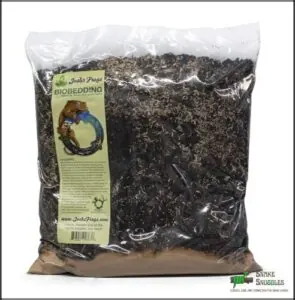
Terra Firma suits burrowers, but tropical species with delicate skin need something gentler underfoot. BioBedding Tropical fills that role, blending organic matter and minerals with beneficial fungi to jump-start your microfauna colony.
Spread a 2.5 to 3 inch layer, moistening it until it holds together when squeezed but doesn’t drip. This helps live plants, humidity retention, and natural digging behavior in dart frogs or geckos.
Watch for hitchhiking pests like mites, since this bioactive mix arrives less sterile than synthetic liners.
| Best For | Keepers setting up tropical bioactive enclosures for dart frogs, geckos, amphibians, or invertebrates that need a soft, moisture-retentive substrate for digging and plant growth. |
|---|---|
| Material | Bioactive soil substrate |
| Reusable | Yes |
| Cleaning Method | Stir and re-moisten |
| Target Animals | Reptiles, amphibians, invertebrates |
| Odor Control | Microfauna waste breakdown |
| Size Adjustable | N/A |
| Additional Features |
|
- Supports long-term bioactive cycles by sustaining springtails, isopods, and other microfauna for years without full substrate changes
- Retains humidity well and encourages natural digging and egg-laying behavior in reptiles, amphibians, and invertebrates
- Gives live tropical plants a solid medium to root in while microfauna break down waste and reduce bacterial buildup
- May contain hitchhiking invertebrates like snails, worms, or mites since it isn’t sterile
- Needs pre-moistening with dechlorinated or reverse-osmosis water before it’s ready to use
- Can settle unevenly over several months, requiring occasional stirring to keep the surface level
Choosing Liners for Your Snake
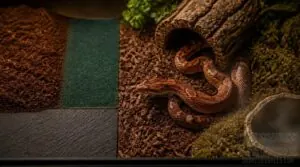
Not every liner suits every snake, and picking the wrong one can mean shed problems or a stressed, unhappy reptile. Your snake’s natural habitat, digging habits, and moisture needs all play a role in what belongs on that enclosure floor. Here’s what to weigh before you commit to a liner.
Match Your Snake Species
No two snakes settle onto a liner the same way. Small Snake Liners need fine texture for delicate scales, while Large Constrictor Grip demands rougher weaves that resist tearing under real weight.
Arboreal pets crave elevated traction. Desert species want dry, cool surfaces. Water lovers? Their substrate liner must wick moisture fast, keeping the reptile habitat safe and slip-free.
Compare Traction and Texture
Since scales snag before they slip, run a Traction Comparison before buying any substrate liner.
- Fine roughness suits small snakes
- Medium weaves protect shedding skin
- Coarse texture aids climbers
- Micro ridges spread ventral pressure
A quick Texture Assessment reveals whether surface roughness and scale interaction favor a nontoxic, easy-to-clean substrate that performs across both wet and dry conditions.
Consider Moisture and Absorbency
Water habits vary by species, so weigh moisture absorption rates against your snake’s humidity needs. Tropical species benefit from moisture-wicking properties and humidity retention balance, supporting healthy sheds. Desert species need a water-resistant liner instead.
Mold resistance liners matter most in humid setups since damp fibers invite bacteria fast. Higher absorbency also raises cleaning frequency impact, so factor maintenance time into your choice.
Check Weave and Durability
A tight weave holds up; a loose one unravels fast. Run a quick thread density check before buying, since higher counts resist snagging and fraying.
Look for reinforced edge seams and a moisture-resistant design if humidity’s a factor. Skip anything showing early fabric fraying, and trim gaps using heavy-duty fabric shears for a clean fit.
Prioritize Safety Over Appearance
A pretty liner that shreds under claws isn’t doing your snake any favors. Choose non-slip surfaces and toxin-free materials over trendy colors. Independent certifications confirm a nontoxic liner won’t leach chemicals.
Edge safety design matters too: smooth, tear-resistant seams protect skin during movement. A durable protective liner helps your maintenance routine and long-term enclosure safety, keeping reptile-safe cleaning simple without sacrificing wellbeing.
Measuring and Installing Terrarium Liners
A liner that fits loose or crooked undermines its own purpose, so getting the cut right matters as much as picking the right material.
Good installation comes down to a few repeatable steps, from measuring to trimming to fitting tricky enclosure styles.
Here’s how to get a clean, gap-free fit every time.
Measure The Enclosure Floor
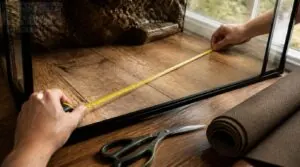
Grab a flexible tape measure before you touch any liner. Accurate floor measurements make or break the fit.
- Record floor length and width to the nearest 1/8 inch
- Check for slope thickness needing extra adhesive coverage
- Note protrusions or irregularities affecting fit
- Confirm front-opening or modular terrarium compatibility
Good measurements keep your enclosure stays functional before cutting with heavy-duty fabric shears.
Use Glass as Template
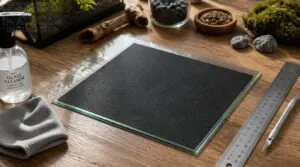
Once your measurements are solid, skip paper templates entirely: your terrarium’s glass bottom acts as a template, offering a flat, scratch-free surface for precise template alignment. Wipe it clean first (glass surface cleaning matters for accurate tracing), then lay your water-resistant liner directly on top.
This easy-to-clean substrate prep sets up perfect, gap-free cutting on level flooring, every single time.
Cut Clean Fitted Edges
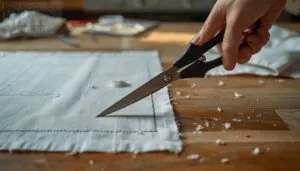
With your outline traced onto the glass template method, reach for heavy-duty fabric shears instead of scissors. Clean cuts matter: crisp lines avoid rounding that invites tiny gaps later.
This edge trimming technique also aids corner seam overlap, pressing seams flat for smooth gap elimination. Precision here saves headaches during every future terrarium substrate layers care routine.
Prevent Gaps and Curling
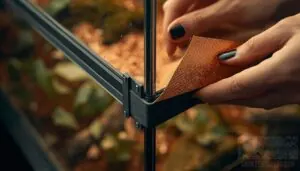
Once edges are cut clean, curling becomes your next enemy. Choose liners with non-slip backing and press seams flat; tuck excess liner under the enclosure lip.
- Add edge reinforcement strips
- Place a moisture barrier beneath humid setups
- Use corner brackets for stubborn corners
- Pick moisture-resistant, durable weaves for easy swap and go
Fit Front-opening Enclosures
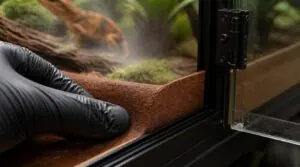
Front-opening tanks need extra care: door alignment matters as much as the cut itself. Check hinge placement so the door swings clear of your terrarium liner, then confirm gasket compression stays under 2mm.
Bevel liner edges near the frame lip to stop snagging, seal the rim lightly, and you’ve got a true swap and go setup.
Cleaning and Replacing Substrate Liners
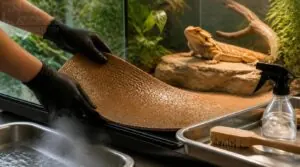
A clean liner isn’t just about looks, it’s what keeps bacteria and ammonia buildup from putting your reptile’s health at risk.
Getting the timing and technique right takes the guesswork out of upkeep, so you’re never left wondering if today’s the day to scrub.
Here’s exactly how to keep your liner fresh and know when it’s time to retire it for good.
Spot-clean Waste Daily
A dirty liner is a health hazard waiting to happen, so check it daily. Waste buildup shows within 24 hours, and fresh droppings look crumbly and lighter than dried waste.
Since larger snakes and post-feeding messes speed things up, check out this substrate liner replacement schedule guide to fine-tune your cleaning routine.
- Spot clean within 5 minutes of noticing waste
- Wear gloves, wipe a 2-inch radius clean
- Seal waste before disposal
- Watch corners for urine streaks
- Log cleaning times for consistency
Deep-clean Every Two Weeks
Twice a month, pull everything out for a full biweekly deep clean. This maintenance routine targets corners, seams, and water areas, cutting odor before ammonia builds. Use enzyme cleaners with a soft brush for liner wear assessment and disinfectant safety check.
Rinse thoroughly, then verify moisture drying before reassembly. Log the date; consistency prevents mold and hidden staining.
Use Reptile-safe Cleaning Solutions
Grab a reptile-safe detergent or mix a mild vinegar solution, roughly one part vinegar to three parts water, for routine liner washing. Enzyme cleaners tackle stubborn waste buildup without harsh chemicals or residue.
- Protects sensitive skin and respiratory systems
- Prevents fabric breakdown over time
- Cuts lingering odors naturally
- Avoids toxic fume exposure
- Builds lasting trust in your setup
Skip bleach-heavy or fragranced products entirely.
Dry Liners Completely
A damp liner left in the enclosure invites mold long before you’ll spot it.
Air-dry liners fully before reinstalling, since edge sealing durability and moisture-resistant design only hold up when cleaning solution compatibility isn’t undermined by trapped dampness.
Non-toxic material safety means little if mold takes hold, so build complete drying into your regular maintenance routine every single time.
Recognize Replacement Warning Signs
Even the best liner won’t last forever, so know when to retire it.
Watch for these wear indicators:
- Deep cracks or punctures
- Mold growth or persistent odor
- Fraying, curling edges
Discoloration and permanent stains signal bacterial spikes brewing beneath the surface. Build substrate replacement into your regular maintenance routine, don’t wait for problems to escalate.
Frequently Asked Questions (FAQs)
What is the best liner for a bearded dragon tank?
You get what you clean for. For material durability and grip, Zoo Med Eco Carpet or Carolina Custom Cages Carpet win, while Zilla’s liner suits easy trimming, and Zen Habitats Zen Mat offers solid cleaning ease at a fair price.
What is a good substrate for a terrarium?
For a bioactive setup, mix coconut fiber, sphagnum moss, and orchid bark at 2-3 inches deep for moisture retention. For beginners, an easy-to-clean substrate like reptile carpet or a water-resistant liner simplifies waste removal greatly.
What to put in the bottom of a reptile tank?
Roughly 90% of pet reptiles develop foot issues from harsh substrates, so skip loose bedding. Choose a washable liner like Zoo Med Eco Carpet, Zilla’s trimmable mat, or Zen Habitats’ moisture-resistant weave instead.
What is a substrate barrier?
A substrate barrier sits beneath your terrarium substrate layers, giving you a water-resistant liner that blocks moisture and waste from soaking into the enclosure floor, protecting your cage liner underneath and extending its usable life considerably.
Can liners be used for other pet species?
Made for scales, yet perfectly at home elsewhere: a water-resistant liner works as small mammal bedding, hamster habitat liner, rabbit enclosure mat, ferret play area padding, or bird cage lining, provided you check species-specific compatibility notes first.
How long do liners typically last before replacing?
With daily use, expect 6 to 12 months of solid service. Aggressive diggers or humidity swings can cut that to 4 to 6 months, so watch for fraying edges or odor a good cleaning won’t fix.
Are liners more expensive than loose substrate long-term?
Picture a bag of loose bedding vanishing into the trash every few weeks. That’s real money leaking away. Reusable liner savings beat that pattern: higher upfront cost, but months of reuse make budget terrarium supplies cheaper than constant substrate replacement.
Can multiple liner layers be stacked together safely?
Yes, with care. Choose material compatibility and matching edge profiles, verify edge alignment precision, and keep ventilation between layers to avoid trapped heat and moisture during any substrate layering technique.
Do liners work in bioactive or planted enclosures?
Studies show bioactive tanks with proper drainage layers reduce mold incidents by up to 40%. Liners work well here, offering moisture control and plant root safety while supporting microfauna habitats beneath terrarium substrate layers.
Conclusion
A clean tank isn’t rocket science, it just takes the right gear underneath your snake. The best substrate liners for beginners turn weekly dread into a two-minute rinse and reset. Measure once, cut clean, and clean on schedule, and you’ll dodge the mold, odor, and stress that loose bedding invites. Your snake feels the difference in traction and warmth. You’ll feel it in the time you get back. That’s a trade worth making.