This site is supported by our readers. We may earn a commission, at no cost to you, if you purchase through links.

The shed peels away cleanly, and you feel the relief of it. But that moment is exactly when the real work begins. Post-shed care goes beyond a quick check and a fresh water bowl. Retained eye caps, stagnant humidity, contaminated substrate, and premature handling are all waiting to become problems if you don’t address them in the right order.
Your snake has been through a real physical reset. It needs time, clean conditions, and close observation to recover.
These snake post shed care tips walk you through each step, so you know exactly what to inspect, fix, and watch for.
Table Of Contents
- Key Takeaways
- Inspect Your Snake After Shedding
- Reset Humidity and Enclosure Conditions
- Clean The Enclosure After Shedding
- Resume Feeding and Handling Gradually
- Address Post-Shed Problems Safely
- Frequently Asked Questions (FAQs)
- How long after shed can I handle a snake?
- Do snakes feel better after shedding?
- How long after a shed will a snake eat?
- Should you feed snakes when they are about to shed?
- How often do healthy snakes typically shed skin?
- Does diet affect shedding frequency or skin quality?
- Can snakes shed more often during rapid growth?
- Do gravid or pregnant snakes shed differently?
- How does brumation impact a snakes shedding cycle?
- Conclusion
Key Takeaways
- Inspect your snake head-to-tail right after shedding, paying close attention to the eye caps and tail tip — these two spots are the most likely to cause serious problems if stuck shed is missed.
- Reset humidity back to your species’ normal range immediately after the shed is complete, and refresh the humid hide with clean sphagnum moss to prevent bacterial and mold buildup.
- Wait 24 to 48 hours before handling or feeding, giving the new skin time to harden and your snake’s appetite a chance to fully bounce back.
- If retained eye caps or a tight ring of stuck shed around the tail persist after a warm soak, don’t pull — call your vet, since dry force can cause permanent damage.
Inspect Your Snake After Shedding
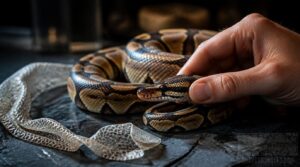
The shed is done, but your job isn’t quite finished yet. A quick head-to-tail inspection right after shedding tells you a lot about your snake’s health — and catches small problems before they turn into big ones. Here’s what to check first.
Walk through each step of the post-shed inspection checklist to make sure the eye caps and tail tip came off cleanly — two spots that are easy to miss.
Check Eye Caps
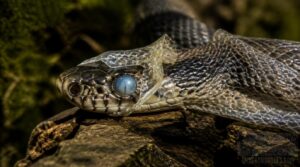
After shedding, look closely at both eyes. Retained eye caps appear as a dull, cloudy film sitting over the clear spectacle scale. Check the shed skin too. If you don’t find two small circular caps inside it, they’re likely still on your snake. Asymmetry between the eyes, one hazy and one clear, is a reliable sign something didn’t come off cleanly.
Inadequate humidity is the leading cause of retained spectacle shedding problems, so ensuring a humid hide or moist substrate during the shedding cycle can help prevent this issue.
Examine The Tail Tip
The tail tip is just as vulnerable as the eyes. Stuck shed on the tail dries and constricts, cutting off blood flow. Untreated, this dysecdysis can lead to tail tip necrosis.
Gently run your finger along the tail and check for:
- A ridge or discoloration at the very tip
- Stiffness or brittleness in the end segment
- Asymmetry between both sides
Look for Retained Skin
Beyond the tail and eyes, retained skin patches can show up almost anywhere on the body. Run your fingers slowly from mid-body to vent, feeling for rough or raised sections that don’t match surrounding scales.
Common problem spots include the vent area, nostrils, and jaw line. Any lingering dysecdysis left untreated creates warm, moist pockets where bacteria thrive quickly.
Assess Hydration
Shift attention now to hydration assessment. A dehydrated snake gives clear signals:
- Sunken or dull eyes that lack brightness
- Chalky, dry urates instead of soft, pliable ones
- Wrinkled skin that tents when pinched
If you spot these, offer a 20-minute warm soak. A humid hide (sometimes called a hydration hide) packed with damp sphagnum moss helps postshedding care well.
Monitor Activity Levels
Within 24 to 48 hours after a clean shed, your snake should move around naturally again. Post Shed Behavior like tongue flicking, exploration, and basking signals that everything went well.
If stillness stretches past that postshed window, pay attention. Lethargy alongside a poor feeding response or absent postshed appetite can mean something is off. Watch closely before acting.
Reset Humidity and Enclosure Conditions
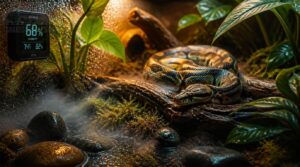
Once your snake finishes shedding, the enclosure needs a reset — not a major overhaul, just a few targeted adjustments. Getting humidity, temperature, and airflow back to normal prevents the kind of lingering stress that can follow a tough shed. Here’s what to dial in before your snake fully settles back into routine.
Restore Species-Appropriate Humidity
Once the shed is complete, humidity control shifts back to maintenance. You may have boosted humidity to 70 to 85 percent during shedding. Now return to your species’ normal humidity requirements, whether that’s 40 percent for a corn snake or higher for a ball python. A humid hide with damp substrate can stay, but don’t let the enclosure stay soaked.
After resetting humidity, a quick wipe-down with diluted bleach keeps things fresh — check out these snake habitat cleaning and maintenance tips to build a routine that works between sheds.
Refresh The Humid Hide
Your humid hide with damp substrate needs a full refresh right after shedding. Toss old moss, rinse the container, and re-moisten fresh sphagnum with clean water.
You boosted humidity to 70-85 during the shed. Now return to steady substrate moisture control. Aim for damp, not dripping. Good humidity control here prevents overmoistening.
It also simplifies reptile hydration monitoring from now on.
Verify Temperature Gradients
After a shed, your snake’s temperature gradient needs a fresh check. Shedding taxes the body, and thermal regulation should snap back to normal quickly.
- Basking zone: 30–32°C
- Cool zone: 22–24°C
- Ambient floor: 26–28°C
- Safe gradient spread: 6–10°C
- Acceptable drift: ±1°C over 24 hours
Recalibrate your thermostat if any zone drifts. Stable thermal zones support healthy digestion, movement, and post-shed recovery.
Maintain Proper Ventilation
After shedding, your snake still needs clean, moving air. Stagnant air breeds mold on leftover shed skin fast, especially inside warm, humid enclosures. Restore normal ventilation right away.
Arid species need stronger airflow than tropical ones. Never seal vents to boost humidity. That just traps bad air. A sour smell or wet substrate means ventilation is already failing your snake.
Monitor With a Hygrometer
Numbers don’t lie. After shedding, place your hygrometer at mid-enclosure height and let it stabilize for a few minutes before reading. Sudden spikes above your target range signal over-misting or poor airflow.
Calibrate the device monthly using the salt test method. A drifting or erratic reading means the sensor needs replacing, not trusting. Track daily readings to catch humidity trends early.
Clean The Enclosure After Shedding
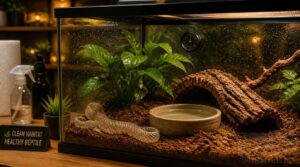
Once your snake has finished shedding, the enclosure needs some attention too. Shed skin, moisture, and disturbed substrate can quickly create the kind of environment where bacteria and mold thrive. Here’s what to tackle to keep things clean and safe.
Remove Shed Skin Promptly
Once your snake finishes shedding, remove the shed skin right away. Old skin harbors mites and bacteria that cause scale rot or fungal infections.
Check for stuck pieces around the eyes and tail before tossing anything. Wipe down surfaces with a reptile-safe disinfectant after retained shed removal.
A clean enclosure lets you monitor behavior more clearly during post-shed handling.
Replace Contaminated Substrate
Once shed skin is cleared, check the substrate too. Discolored, damp, or foul-smelling substrate fuels bacterial growth and scale rot. Replace it right away.
Replace substrate when you notice:
- Visible mold or discoloration
- Ammonia or musty odor
- Wet or compacted patches
- Feces-saturated spots
- Trapped or stuck shed fragments
Disinfect the full enclosure with a reptile-safe disinfectant before adding fresh substrate.
Clean Water and Surfaces
With the substrate sorted, the water bowl needs attention too. Old, stagnant water after a shed can harbor bacteria fast.
Change the water daily and scrub the bowl weekly with a reptile-safe disinfectant.
| Task | Timing |
|---|---|
| Water change | Daily |
| Bowl scrub | Weekly |
| Surface wipe-down | After each shed |
| Disinfectant contact | 10-15 minutes |
Rinse all surfaces well before your snake goes back in.
Inspect Rough Shedding Surfaces
Rocks, cork bark, and branches work as rough texture shedding aids during ecdysis, but they trap skin fragments in grooves afterward.
Scrub these surfaces with a reptile-safe disinfectant and a stiff brush during enclosure cleanup. Pay attention to scale margin sharpness on abrasive decor edges. Skin caught in crevices dries quickly and can irritate your snake before the next shed.
Check for Mold
Musty odors inside the enclosure are your first clue. Damp shed skin and humid hides create ideal mold conditions quickly after ecdysis.
Check these spots carefully:
- Humid hide interior for fuzzy or discolored patches
- Substrate near water bowls for slimy or dark growth
- Enclosure corners where moisture collects
During enclosure cleanup, wipe affected areas with a reptile-safe disinfectant right away.
Resume Feeding and Handling Gradually
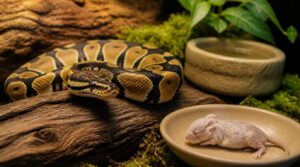
Your snake just shed — and now it’s ready to get back to normal life, starting with food and interaction. But jumping straight into a full feeding and long handling session isn’t the move. Here’s how to ease back into the routine without overwhelming your snake.
Allow Brief Recovery Time
Your snake’s body needs time to reset after ecdysis. Postshed handling should wait 24 to 48 hours, giving the new epidermis time to fully harden.
| Species | Minimum Recovery Time |
|---|---|
| Ball Python | 24 hours |
| Corn Snake | 12-24 hours |
| Young snakes | 48+ hours |
| Any snake, rough shed | 48-72 hours |
Rushing this step undermines shedding stress reduction and increases dysecdysis risk on the next cycle.
Offer Food Within 48 Hours
Once the shedding recovery phase ends, offer your snake a meal within 48 hours. Most snakes show a solid feeding response by then, and appetite usually returns fast.
Match prey to the widest part of your snake’s body and use frozen/thawed prey to limit stress.
Juveniles often eat within 24 hours. Keep postshed handling minimal while digestion begins.
Expect Increased Feeding Interest
After a successful shed, your snake’s feeding response sharpens noticeably. The postecdysial phase triggers a metabolic reset, ramping appetite back up fast.
Watch for these signs of renewed feeding behavior:
- Frequent tongue flicking near the enclosure walls
- Active exploration of the feeding zone
- Stronger strike response when prey is offered
- Restlessness and increased movement
This appetite surge is normal and healthy.
Keep Handling Sessions Short
Your snake is fresh out of its skin. The shedding recovery phase isn’t over yet.
| Species | Max Session | Weekly Frequency |
|---|---|---|
| Corn Snake | 5 min | 1-2 times |
| Ball Python | 10 min | 1-2 times |
| King Snake | 15 min | 2-3 times |
Run a quick snake health check postshed. Short handling sessions reduce stress and support dysecdysis prevention. The postecdysial phase still drains energy reserves.
Watch for Stress Signals
Your snake tells you how it feels. Watch for sudden hiding, hissing, or freezing right after handling. These shedding behavior changes often signal dysecdysis discomfort, especially when retained eye caps or stuck shed on the tail are still present.
Run your snake health check postshed and note any defensive responses. Anything persisting past 48 hours means reassessing your setup.
Address Post-Shed Problems Safely
Even with the best care, post-shed problems can still come up — and knowing how to handle them makes all the difference. Most issues are fixable at home if you catch them early and respond the right way. Here’s what to watch for and how to address each problem safely.
Identify Retained Eye Caps
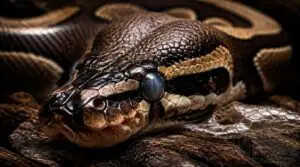
After shedding, check both eyes right away. Retained eye caps look cloudy or milky, a classic sign of dysecdysis. Sometimes called Cloudy Blue Eye Appearance, this dull film won’t clear within 24-48 hours naturally. Eye fluid accumulation beneath the cap causes that opacity.
Check the shed skin too. Two transparent holes confirm the eye caps came off cleanly.
Check for Tail Constriction
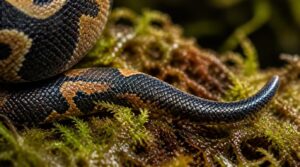
After the eyes, move your attention down. Stuck shed on tail signals dysecdysis and can restrict circulation within hours.
Watch for three warning signs:
- A tight ring near the tail tip
- Swelling or discoloration below that ring
- Reduced tail movement after shedding
Even your humid hide can leave shed fragments behind. Act fast if you spot a ring.
Try Gentle Humidity Soaks
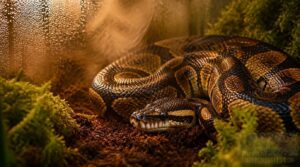
Once you’ve confirmed no ring around the tail, stuck patches elsewhere may still need attention. A gentle humidity soak can help loosen them.
Boost enclosure humidity to 70-85% using damp coconut husk fiber in your humid hide, or try the snake sauna: a ventilated container with warm, moist towels for 10-15 minutes. The pillowcase method works similarly. Monitor throughout and keep sessions brief.
Avoid Oils and Pulling
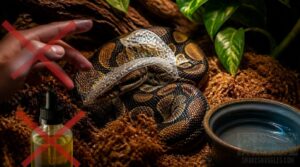
Two things to skip entirely: oils and pulling. No oils on scales. Oils don’t loosen retained skin. They block moisture absorption and worsen the problem over time.
Pulling is far worse. Tugging attached skin tears the new layer underneath, causing bleeding and potential infection. For stuck eye caps, never pull them dry. You risk permanent eye damage and possible blindness.
Never pull stuck shed from a snake’s eyes — dry force risks permanent blindness
Know When to Call Veterinarians
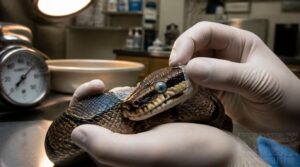
When a soak fails and retained eye caps stay stuck after 24 hours, call your vet immediately. Chronic dysecdysis, where patchy or incomplete sheds repeat across multiple cycles, signals a deeper problem: poor humidity, infection, or nutritional gaps.
Watch closely for respiratory infection: bubbling from the nose or open-mouth breathing. Septicemia moves quickly. Weakness, discoloration, or collapse means act now.
Frequently Asked Questions (FAQs)
How long after shed can I handle a snake?
Handle too soon and you risk stress, injury, or even retained shed complications. Wait until shedding is complete. All skin off, eye caps clear, behavior back to normal. That’s usually 24 to 48 hours post-shed.
Do snakes feel better after shedding?
Yes, snakes feel noticeably better once shedding completes. Vision fully clears when the eye caps lift away, and movement improves without old skin dragging along. That brief shedding recovery phase matters more than it looks.
How long after a shed will a snake eat?
Ironically, appetite bounces back fast. After the shedding recovery phase, most snakes show a strong feeding response within 24-48 hours. Watch your shedding timeline. Brief appetite suppression is normal, but it won’t last.
Should you feed snakes when they are about to shed?
Most snakes experience natural appetite suppression during the preshed stage, and their feeding response can slow or stop entirely. Skip any feeding attempts, boost humidity to 70-85%, and don’t handle your snake during active shedding.
How often do healthy snakes typically shed skin?
A juvenile ball python sheds every 2 to 3 weeks. Adults average 4 to 6 times yearly. Shedding frequency naturally drops with age, and seasonal shedding patterns can shift timing slightly based on temperature changes.
Does diet affect shedding frequency or skin quality?
Diet directly shapes skin quality. Protein synthesis drives keratin production and collagen synthesis in growing tissue. Vitamin A deficiency disrupts cell turnover, and poor fatty acid metabolism weakens the barrier, leading to rough, incomplete sheds.
Can snakes shed more often during rapid growth?
Growing pains aren’t just for teenagers. Your young snake’s juvenile shedding rate can spike to every 2-4 weeks. Growth-driven shedding is perfectly normal, and snake shedding frequency rises fast. Low humidity risks incomplete shedding causes.
Do gravid or pregnant snakes shed differently?
Gravid females follow roughly the same shed cycle as usual. Hormonal changes during pregnancy can make eye caps look cloudier, and post-shed recovery often runs slower as her body shifts energy toward the developing offspring.
How does brumation impact a snakes shedding cycle?
Brumation slows metabolism, slows shedding frequency, and delays ecdysis. When your snake wakes, a synchronized shed often follows. Cooler temps suppress environmental shedding triggers, so expect one significant post-brumation molt instead of regular cycles.
Conclusion
Shedding signals a fresh start, but the real measure of your care shows up in what comes next. These snake post shed care tips aren’t a checklist to rush through. They’re a steady rhythm you build over time. Inspect, reset, clean, and wait. Each step protects your snake during its most vulnerable window. Do it right once, and it becomes second nature. Your snake can’t tell you what it needs. But now, you already know.
- https://exoticreptilecare.com/how-often-to-clean-snake-enclosure
- https://www.dialavet.com/blog/heres-what-to-do-when-your-snake-is-shedding
- https://parker-vet.com/shedding-success-your-guide-to-healthy-snake-molting
- https://reptifiles.com/ball-python-care-guide/ball-python-diseases-health/ball-python-shedding
- https://www.petmd.com/reptile/snake-shedding-skin