This site is supported by our readers. We may earn a commission, at no cost to you, if you purchase through links.

Corn snakes get killed by homeowners who mistake them for copperheads every year. That’s a genuine tragedy, because they’re one of the calmest, most manageable pet snakes around.
The mix-up hints at something broader: the five most popular pet snake species look similar enough to blur together in a pet store but differ in ways that matter once you’re home. Temperament, lifespan, feeding habits, and enclosure needs separate them more than any color pattern does.
Understanding those differences between popular pet snake species before you buy saves you from months of frustration with the wrong match.
Table Of Contents
- Key Takeaways
- Popular Pet Snake Species at a Glance
- Size, Appearance, and Lifespan Differences
- Temperament and Handling Compared
- Enclosure and Habitat Needs Compared
- Feeding Needs and Best Owner Fit
- Frequently Asked Questions (FAQs)
- What is the most popular pet snake species?
- What is the friendliest pet snake?
- What is the most cuddly pet snake?
- Which state has zero snakes?
- How long do popular pet snakes typically live?
- Can different pet snake species be housed together?
- Do pet snakes recognize or bond with their owners?
- Are permits required to own these snake species?
- Conclusion
Key Takeaways
- Ball pythons are the longest commitment of the five, routinely living 25–30 years, so think of owning one less like getting a pet and more like adopting a two-decade roommate.
- Corn snakes are the most forgiving starting point for beginners—calm by nature, easy to feed on a simple rodent diet, and quick to settle into regular handling.
- Garter snakes are the odd ones out: they eat worms and fish instead of mice, birth live young, and need a semi-aquatic setup, making them more specialized than their small size suggests.
- Getting the enclosure right—temperature gradient, humidity, and hides—matters more than most first-time owners expect, since even a calm species like a ball python will refuse food if conditions drift off target.
Popular Pet Snake Species at a Glance
Not all pet snakes are created equal, and knowing what sets each species apart can save you a lot of guesswork down the road.
From size and temperament to feeding habits and handling needs, different types of pet snakes vary far more than most first-time owners expect.
The five most popular choices — corn snakes, ball pythons, kingsnakes, milk snakes, and garter snakes — each bring something different to the table regarding temperament, size, and care needs.
Here’s a closer look at what makes each one tick.
Corn Snakes
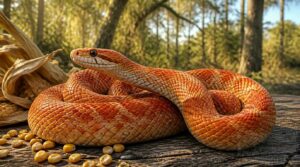
Corn snakes are probably the most forgiving snake you can start with. Native to the southeastern United States, they’re found in woodlands, farmland margins, and old barns, quietly hunting rodents.
Adults reach 3 to 5 feet, have smooth scales, and come in dozens of captive color morphs. Feed them a mouse every 5 to 7 days, and they’re genuinely low-maintenance.
Their ventral checkerboard pattern markings are believed to be one of the origins of their common name, resembling the kernels of Indian corn.
Ball Pythons
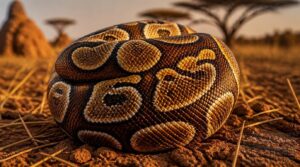
Ball pythons come from sub-Saharan Africa, spending days tucked in burrows and nights hunting. That nocturnal, hide-first lifestyle explains their signature defense: curling tight with the head safely tucked inside their own coils.
Calm and slow-moving, they’re ideal beginner snakes. One catch: they occasionally refuse food during cooler months, which unsettles new keepers far more than it ever bothers the snake.
Kingsnakes
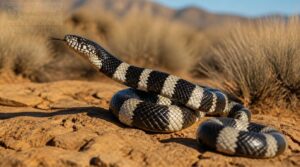
Where ball pythons curl up, kingsnakes take charge. Active hunters, they pursue prey during the day and use constriction to pin it down.
- Venom-resistant: can safely prey on rattlesnakes
- Eats rodents, lizards, birds, eggs, and other snakes
- The California kingsnake shows striped and banded morphs
- lives in deserts, forests, and open grasslands
- Smooth, glossy scales in striking, variable patterns
Milk Snakes
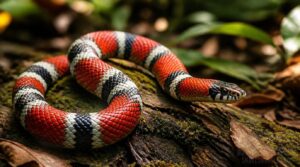
Milk snakes (Lampropeltis triangulum) share a genus with kingsnakes and wear their patterns boldly. Those red, black, and white bands aren’t decoration; they mimic venomous coral snakes, which biologists call Batesian mimicry.
Non-venomous constrictors, they squeeze prey rather than bite to subdue it. With a 12-to-20-year lifespan and a calm temperament, they’re one of the better beginner snake species around.
Garter Snakes
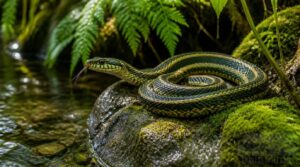
The common garter snake, Thamnophis sirtalis, is the odd one out in this list. It births live young, eats worms and amphibians instead of rodents, and genuinely needs access to water, which shapes your semiaquatic enclosure design from the start.
When threatened, it sprays musk rather than biting. That low-key snake temperament makes it quite approachable, even for complete beginners.
Size, Appearance, and Lifespan Differences
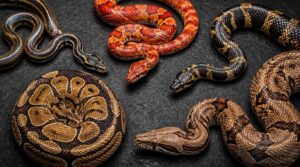
Once you start comparing these five snakes side by side, the differences in size and appearance are hard to miss. From slender little garter snakes to the thick-bodied ball python, each species has a look—and a lifespan—that shapes what ownership actually feels like day to day.
Garter snakes also have specific care needs that go beyond appearance—keeping humidity between 30–60% is essential for healthy sheds, as covered in this garter snake care guide for beginners.
Here’s a closer look at what sets them apart.
Adult Size and Build
Size shapes how much space, feeding, and handling each species demands. Corn snakes reach 4 to 6 feet with a lean, tapering build, while garter snakes top out near 3.5 feet with an even slimmer profile.
Ball pythons pack dense muscle into 3 to 5 feet, feeling heavier than their length suggests. Kingsnakes and milk snakes fall in the middle.
Colors and Patterns
Each species tells its own distinct visual story. Corn snakes wear orange and brown saddle patterns, with a checkered belly that echoes fallen leaves.
Ball pythons show dark blotches against a gold base, ideal camouflage in leaf litter. Kingsnakes carry bold banding in black and white, while milk snakes sport tricolor bands. Garter snakes have noticeably iridescent, shiny scales.
Popular Captive Morphs
Captive morphs are where snake keeping gets truly creative. Ball pythons and corn snakes lead the market, but kingsnakes, milk snakes, and garter snakes have popular lines too:
- Color variants: Coral Snow, Banana super pastel, lavender
- Pattern types: zebra banding, piebald patches
- Scale and eye morphs: pearl scale, Brook eye (bright blue iris)
- Hybrid designer morphs: Mystic Phantom, Fire Frost
Distinctive Physical Adaptations
Every snake on this list carries a quiet engineering marvel. Ball pythons have heat-sensing pits near their lips to lock onto warm prey in total darkness.
Corn snakes use their forked tongue to taste the air, sampling chemical trails left by mice.
Kingsnakes wear banded patterns that break up their outline, making them harder for predators to track.
Typical Lifespan
Ball pythons routinely reach 25 to 30 years in captivity, a longer commitment than most dogs.
Ball pythons can outlive most dogs, routinely reaching 25 to 30 years in captivity
Corn snakes and kingsnakes usually fall in the 15 to 25-year range, while milk snakes land closer to 12 to 20.
Garter snakes are the outliers, living just 6 to 10 years wild but reaching 12 to 18 years with consistent, attentive care.
Temperament and Handling Compared
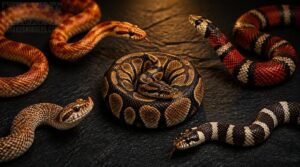
Size and looks will only get you so far when choosing a pet snake — how a snake actually behaves in your hands matters just as much. Each of these five species carries its own personality, from laid-back and tolerant to quick-moving and defensive. Here’s how they compare across the traits that matter most to everyday handling.
Beginner-Friendly Temperaments
When picking beginner-friendly snakes, temperament and care level go together. Corn snakes stay calm with regular handling, ball pythons are predictably relaxed, and garter snakes maintain a steady, docile temperament even in active homes. Three traits that signal low agitation tolerance:
- Calm handling response without quick agitation
- Predictable behavior patterns you can read easily
- Gentle disposition traits for stress-free interaction
Handling Tolerance
Corn snakes and ball pythons have the most docile temperament for beginners, settling calmly with brief, consistent handling.
Body support is key when handling snakes, so use both hands and move predictably. Rapid tongue flicking or tight coiling signals stress; return the snake if you see either.
Most acclimate within 2-4 weeks with a steady gentle approach.
Activity Levels
How active your snake is shapes when you’ll actually see it. Garter snakes are diurnal, busy all day. Ball pythons are nocturnal, rarely moving before 8 PM. Corn snakes are crepuscular, peaking at dawn and dusk.
- Garter snakes: visible mid-morning after basking
- Kingsnakes: diurnal in spring, shifting nocturnal in summer heat
- Milk snakes: best observed at dusk or after dark
Defensive Behaviors
When a snake feels cornered, you’ll notice it well before it acts. Ball pythons curl into a tight ball, tucking their head safely inside their coils.
Corn snakes and milk snakes may musk, hiss, or strike if startled. Kingsnakes are quick to rattle their tails and bite. Garter snakes prefer rapid evasion, darting for cover at the first opportunity.
Social Housing Considerations
Most pet snakes are solitary by nature, and housing two together almost always causes stress. Think of each enclosure as its own resilient habitat: one snake, one space, with tenant safety built in.
Watch for these stress signals:
- Sudden feeding refusal
- Constant hiding
- Defensive posturing
- Rapid, shallow breathing
- Scale damage from competition
Enclosure and Habitat Needs Compared

Each snake on this list has its own idea of what "home" should look like, and getting that wrong is one of the fastest ways to end up with a stressed, unhealthy animal.
The good news is that once you understand what each species actually needs, setting up the right enclosure isn’t as complicated as it might seem.
Here’s how these five popular species compare across the key habitat requirements you’ll need to plan for.
Minimum Enclosure Size
Getting the enclosure size right matters more than most beginners expect.
| Species | Adult Minimum |
|---|---|
| Corn Snake | 40-gallon breeder |
| Ball Python | 4 x 2 x 2 ft |
| Kingsnake | 4 x 2 x 2 ft |
| Milk Snake | 40–75 gallon |
Juvenile tank transitions usually happen around six months. Adults need enclosure length at 1.5 times their body. Never house two snakes together.
Temperature and Humidity
Temperature sets the stage for everything your snake does. Each species runs on a thermal gradient, cool side to warm:
- Corn snake: 75–85°F cool, 88–92°F basking
- Ball python: 78–82°F cool, 88–92°F warm
- Kingsnake: 68–75°F cool, 75–85°F warm
- Milk snake: 75–80°F cool, 85–90°F basking
- Garter snake: 70–75°F cool, 85°F warm
Humidity between 50–60% works for most. Garter snakes need closer to 60–70% when shedding.
Hides and Substrate
A hide isn’t just decoration. It’s your snake’s sense of security made physical.
Place one on the warm side of the enclosure, then add another on the cool side, and your snake can self-regulate its temperature without feeling exposed.
Coconut fiber or aspen shavings suit most species, holding just enough moisture to help with humidity. Spot-clean weekly and deep-clean monthly.
Climbing and Water Needs
Corn snakes and kingsnakes use cork tubes and branches up to a meter high, unlike true arboreal climbers like the Green Tree Python or Amazon Tree Boa. Ball pythons mostly stay low.
Garter snakes, much like Water Snakes, need a soakable dish. A 300-500 milliliter bowl on the cool side of your temperature gradient helps with healthy hydration.
Cleaning Requirements
Spot-clean your enclosure daily, pulling out feces and uneaten prey before bacteria get a head start. Full substrate changes every two to four weeks keep mold from creeping in, especially with coconut fiber in humid setups.
Your water bowl needs scrubbing twice daily, not just a rinse. After feeding, wipe down surfaces with an enzymatic cleaner to break down organic residue and keep odors from building up.
Feeding Needs and Best Owner Fit
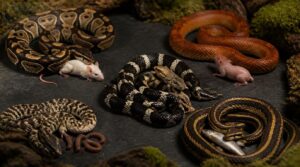
Feeding your snake well starts with knowing what it actually eats — and that varies more than you’d think across these five species. From frozen mice to live earthworms, each snake has its own rhythm, quirks, and occasional stubborn phases. Here’s a closer look at what that means in practice, and which species might suit you best.
Prey Types
Your snake’s diet depends a lot on the species you choose. Most do well on rodent prey, specifically mice or rats sized to match their girth, and frozen-thawed mice are the safest option for corn snakes, ball pythons, and milk snakes.
Kingsnakes can also take small birds or lizard eggs, while garter snakes generally prefer earthworms, feeder fish, or amphibians.
Feeding Frequency
How often you feed depends as much on age and size as it does on species. Juveniles need food every 5-7 days to support rapid growth, while adults shift to every 10-14 days.
Ball pythons may skip meals for weeks during cooler months, while garter snakes hold a 5-7 day schedule year-round. Nocturnal species like ball pythons respond best when offered prey in the evening.
Feeding Challenges
Ball pythons are the biggest wild cards, refusing meals for weeks when temperatures or humidity drift off target. Always match prey to body width and use feeding tongs with frozen-thawed rodents.
Garter snakes need fish or earthworms, but never wild-caught prey, as parasites can prove lethal to captive-bred individuals. Keep handling and feeding sessions separate to avoid accidental strikes.
Care Difficulty
Feeding challenges tell part of the story, but total care difficulty ties everything together.
Corn snakes and kingsnakes sit squarely in beginner territory, needing moderate time, basic temperature control, and a straightforward rodent diet. Ball pythons demand closer humidity and temperature monitoring. Garter snakes require a specialized diet. Milk snakes stay manageable, though their nocturnal schedule means less daily interaction.
Choosing Your Best Match
When you’re ready to choose, your lifestyle decides everything. Think about adult size, how often you’ll handle your snake, and what feeding looks like each week:
- Corn or milk snakes: docile temperament, beginner-friendly, simple rodent diet
- Ball pythons: calm, patient feeding schedule, moderate care level
- Kingsnakes: active foragers, need a secure enclosure
- Garter snakes: small and agile, specialized diet required
Frequently Asked Questions (FAQs)
What is the most popular pet snake species?
Regarding pet snake popularity, ball pythons and corn snakes sit at the top. Both are calm, manageable in size, and available in dozens of color morphs, making them ideal first choices.
What is the friendliest pet snake?
For calm demeanor and easy handling, the corn snake leads the pack. Famously docile, it adapts quickly to gentle interaction and rarely shows defensive behavior, making it a top pick for beginners.
What is the most cuddly pet snake?
If you want a snake that genuinely settles during handling, ball pythons win easily. They stay calm, rarely struggle, and often curl loosely in your hands rather than bolting for the nearest exit.
Which state has zero snakes?
Alaska holds the title of the only true snake-free state in the US, cold enough that no wild species can survive. Hawaii has no native snakes either, placing both among the US states without snakes.
How long do popular pet snakes typically live?
Some pet snakes will outlive your car, your couch, and probably your first mortgage. Snake lifespan varies widely across beginner reptile pets, from garter snakes averaging 8-10 years to ball pythons easily hitting 20-30 years.
If you’re also curious about the wilder side of the snake world, this guide to venomous snake types in the U.S. helps you tell the dangerous ones from the harmless.
Can different pet snake species be housed together?
Most reptile pets do best alone. Housing snakes together risks disease transmission, resource competition, and size-based aggression, even within the same species. Keep snake enclosures separate, and always quarantine any new snake first.
Do pet snakes recognize or bond with their owners?
Snakes don’t bond the way dogs do, but they do recognize you, mostly through scent and routine. Regular, calm handling builds real tolerance over time, and that counts for something.
Are permits required to own these snake species?
Most of these snakes don’t need permits, but garter snakes and native species often do. New Jersey requires permits for all of them. Always check local ordinances before buying.
Conclusion
None of these snakes need exotic expertise to keep them well. The differences between popular pet snake species mostly come down to what you’re truly willing to manage every day: a ball python’s finicky appetite, a corn snake’s restless energy, or a kingsnake’s bold confidence. Get that match right and you’ll rarely look back.
Choose the species that fits your life as it actually is, not just the one that looks coolest at the store.