This site is supported by our readers. We may earn a commission, at no cost to you, if you purchase through links.

Most people picture a hissing, coiled threat when they think about snakes. The reality? Millions of households keep them as calm, low-maintenance pets — and some species genuinely enjoy being handled.
The range is wider than you’d expect. A corn snake fits comfortably in a standard bedroom enclosure and rarely causes problems for first-time owners. A reticulated python can exceed 33 feet and demands a level of experience most keepers spend years building toward.
That gap between beginner and expert isn’t just about size. Temperament, humidity needs, diet, and lifespan all shape whether a species fits your life — or overwhelms it. Knowing the differences between types of pet snakes before you commit saves a lot of grief down the road.
Table Of Contents
- Key Takeaways
- Best Beginner Pet Snakes
- Popular Colubrid Pet Snakes
- Boa and Python Pet Snakes
- Advanced Pet Snake Species
- Choosing Your Perfect Snake
- Frequently Asked Questions (FAQs)
- What is the most pet friendly snake?
- What is the most affectionate pet snake?
- What is the most low maintenance snake?
- What is the most passive snake?
- What is the best snake for a beginner?
- What is the calmest snake to own?
- What type of snakes can be pets?
- How often do pet snakes need to be fed?
- Can different species of pet snakes live together?
- Do pet snakes recognize their owners?
- Conclusion
Key Takeaways
- Corn snakes and ball pythons are the top picks for beginners because they stay calm, eat frozen mice, and don’t need complex setups.
- Size isn’t just about space — it determines your enclosure cost, feeding routine, and how much handling experience you actually need before bringing a snake home.
- Large constrictors like reticulated and Burmese pythons can live 20–30 years and grow beyond 16 feet, making them a decades-long commitment most new keepers underestimate.
- Pet snakes should always be housed separately, since mixing species risks disease transmission, feeding aggression, and even predation.
Best Beginner Pet Snakes
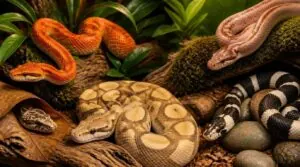
If you’re just starting out, some snakes are far more forgiving than others regarding handling and care. The five species below are known for their calm temperaments and straightforward needs — a good fit whether you’ve kept reptiles before or this is your first. Here’s what makes each one worth considering.
For a closer look at color and pattern options within these beginner-friendly picks, popular beginner snake morphs can help you find a variety that fits your taste without adding care complexity.
Corn Snake
Few pet snakes match the corn snake for sheer beginner-friendliness. Adults reach 4 to 6 feet, sport a striking orange and black dorsal pattern, and tolerate handling without much fuss. You can feed juveniles every 5 to 7 days on frozen-thawed mice.
These snakes are a nonvenomous biological classification that makes them safe for hobbyists.
Captive corn morphs — snow, caramel, lavender — give you plenty of variety too.
Ball Python
Where corn snakes excel in activity, ball pythons win on calm. These docile snake species rarely bite, instead curling into a tight ball when stressed — that’s exactly where the name comes from.
Adults stay compact at 3–5 feet, making enclosure setup straightforward. Keep humidity between 50–60% and use cypress mulch as substrate. Their genetic morph varieties — albino, piebald, pastel — are endlessly collectible.
Western Hognose Snake
If ball pythons are the shy ones, western hognose snakes are the drama queens. When threatened, they flatten their necks, hiss loudly, and perform a full death feint — rolling onto their back, mouth open, completely limp.
That specialized upturned rostral scale isn’t just for show. It helps them burrow into loose soil, hunting toads underground. Adults reach just 1.5–3 feet, making them ideal for beginners.
Rosy Boa
After the hognose’s theatrics, the rosy boa is a relief. This small, calm constrictor rarely exceeds 3 feet and almost never bites. It’s native to rocky, arid scrubland across the southwestern United States and northern Mexico, where it spends much of its time burrowing or tucked beneath debris.
Nocturnal by habit, it’s active when temperatures drop.
Kenyan Sand Boa
Small but built for survival, the Kenyan sand boa packs a lot into a 1.5–2.5 foot frame.
- Fossorial by nature — it burrows constantly
- Yellow-orange and dark brown blotched coloration
- Docile, rarely bites
- Lives 15–30 years in captivity
- Needs dry sandy substrate to thrive
Its African desert origins mean simple, arid enclosure setups work perfectly — making it an ideal exotic pet for beginners.
Popular Colubrid Pet Snakes
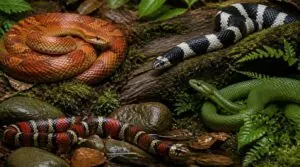
Colubrids make up the largest family of snakes in the world, and some of the most popular pet species fall right into this group. They vary widely in size, temperament, and color, so there’s a good chance one fits exactly what you’re looking for. Here’s a closer look at the colubrid species you’ll encounter most often in the hobby.
From diet to habitat, everything you need to raise a healthy milk snake is covered in this complete milk snake care sheet and feeding guide.
California Kingsnake
The California kingsnake (Lampropeltis californiae) is a hardy, nonvenomous colubrid that thrives in deserts, grasslands, and suburban edges. Adults reach 3–5 feet and come in striking banded or striped morphs, including albino and high-white variations.
They’re docile and curious, handling well for beginners. A secure enclosure with proper temperature gradients allows for a lifespan of 15–25 years.
Milk Snake
Milk snakes pull off one of nature’s boldest tricks: their red, black, and yellow bands mimic the venomous coral snake, convincing predators to back off. They’re nonvenomous constrictors, completely safe to handle, and docile enough for beginners.
In captivity, maintain a temperature gradient of 75–85°F, and feed appropriately sized rodents every 7–14 days. Their vivid color morphs make them a favorite in any reptile care guide.
Garter Snake
Garter snakes are opportunistic, adaptable feeders that eat frogs, earthworms, fish, and insects — no frozen rodents required. They’re docile enough for beginners, though they may musk when startled.
Found across North America in wetlands and grassy fields, they brumate in winter and give birth to live young. For a low-maintenance snake, they’re hard to beat.
Rat Snake Varieties
Rat snakes belong to the genus Pantherophis and are some of the most color-diverse colubrids you’ll find. Eastern variants show glossy black scales with white chins, while Western rat snakes stretch to 7 feet.
Key traits to know:
- Eastern juveniles start blotched, then darken with age
- Western variants show a checkerboard belly pattern
- Thermal melanism makes northern populations darker
- Captive lifespans commonly reach 20+ years
Colubrid Feeding Habits
Most colubrids thrive on frozen and thawed rodents — never live prey, which can injure your snake. Use long feeding tongs to present meals safely.
| Species | Prey Type | Frequency |
|---|---|---|
| Corn Snake | Frozen mice | Every 7–10 days |
| Milk Snake | Frozen mice/rats | Every 10–14 days |
| Garter Snake | Fish, worms | Every 5–7 days |
Juveniles eat weekly; adults need food every one to three weeks. Reptile nutrition stays on track when you match prey width to your snake’s midsection.
Boa and Python Pet Snakes
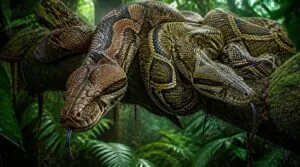
Boas and pythons are a different league from the colubrids you just read about — bigger, heavier, and a lot more demanding regarding space and care. Some of these snakes can weigh more than you do, which means your commitment has to match their size. Here’s a look at the most commonly kept species and what each one actually requires.
Red-Tailed Boa
Few snakes command attention quite like the red-tailed boa. Adults reach 6 to 10 feet, with a muscular build, wedge-shaped head, and that signature bright red tail patch.
They’re native to South American tropical forests, where humidity stays high. In captivity, they eat rodents every one to two weeks and handle well with consistent, gentle routines.
Hog Island Boa
If the red-tailed boa feels like too much snake, the Hog Island Boa might be your answer. Adults reach just four to five and a half feet, making them far more manageable. Their pale gray-tan body with orange-tipped tails is striking without being flashy.
They’re calm, tolerate regular handling well, and thrive with a 50–60% humidity enclosure and weekly rat feedings.
Burmese Python
The Hog Island Boa is manageable — the Burmese Python is not. These snakes commonly reach 10 to 16 feet, with females growing heavier than males. Hatchlings start at just 12–18 inches, but their first-year growth is rapid.
Native to Southeast Asian forests and swamps, they hunt using heat-sensing pits along their lips to detect warm prey, then constrict. Expect a 20–30 year commitment.
Reticulated Python
If the Burmese Python felt like a commitment, the reticulated python raises the stakes entirely. Verified specimens exceed 33 feet, making it the world’s longest snake. That complex net-like pattern — black-outlined diamonds across gold and olive scales — is stunning, but this animal demands respect.
Large adults require multiple handlers, and their wild diet includes deer. This isn’t a casual pet.
Size and Space Needs
These snakes don’t just grow — they sprawl. A red-tailed boa needs 40 to 75 gallons as an adult, while a Burmese python requires an enclosure exceeding 8 feet in length.
Set up a thermal gradient from 25°C on the cool side to 32°C on the warm end, add 2–4 inches of substrate, and place hide boxes on both ends.
Advanced Pet Snake Species
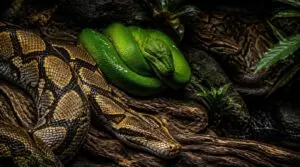
Some snakes aren’t for everyone — and that’s fine. The species below demand more experience, more space, and a sharper eye for detail than most beginners are ready for. Here’s what you’re getting into.
Green Tree Python
Few snakes stop people in their tracks like the Green Tree Python. Adults display vivid emerald scales, though juveniles hatch yellow or red before shifting to green.
They’re arboreal snakes, so your enclosure requirements must prioritize vertical space with sturdy branches. Humidity and temperature gradients matter too. Those thermal sensing pits near the lips help them ambush prey — they don’t chase anything.
Brazilian Rainbow Boa
The Brazilian Rainbow Boa earns its name. Iridescent micro-scale ridges refract light into blues, greens, and purples as the snake moves — especially vivid after a fresh shed.
They need humidity between 60–80 percent and warm temps around 72–85°F. Handle them slowly; they’re shy ambush feeders that can become defensive when startled. Adults reach 5–7 feet and live 15–25 years.
Amazon Tree Boa
Few snakes stop people mid-scroll like the Amazon tree boa. Their color morph genetics produce everything from burnt orange to jet black, and juveniles often look nothing like their parents.
In the wild, they hang in an S-shape from branches, using heat-sensing lip pits to ambush birds and bats. Captive setups need tall, branch-filled enclosures. They’re ovoviviparous, delivering 4–9 live young.
False Water Cobra
The false water cobra isn’t actually a cobra — but it doesn’t need to be. Native to South American wetlands spanning Brazil, Paraguay, and Argentina, this rear-fanged colubrid reaches up to 7 feet and spreads a hood when threatened, just like the real thing.
It’s diurnal and aquatic, hunting fish and frogs by day. Bites can cause local swelling, so experienced handling matters here.
Handling and Safety Challenges
Complex species demand respect. Always use a snake hook for initial contact, and never handle a visibly agitated animal.
Watch for these warning signs:
- Tail-waving or rapid body coiling
- Frequent gaping after contact
- Hood-spreading or hissing
- Refusal to eat post-handling
- Respiratory sounds during restraint
Delay handling 24–48 hours after feeding, and always wash your hands before and after.
Choosing Your Perfect Snake
Picking the right snake comes down to five things: adult size, temperament, diet, enclosure setup, and how long you’re willing to commit. Each one matters more than you might think, and getting any of them wrong can make the experience harder than it needs to be. Here’s what to weigh before you bring a snake home.
Adult Size

Size is the first thing you need to nail down. A Kenyan sand boa tops out around 12–14 inches, while a reticulated python can hit 20 feet. That’s not a small difference — it’s a lifestyle difference. Enclosure scaling follows adult length, so a corn snake needs a 40–55 gallon tank, while larger species demand custom builds.
Genetic size limits mean feeding more won’t make a rosy boa grow like a red-tailed boa. You’re working within the species’ ceiling.
Temperament
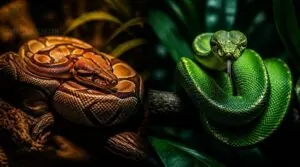
Once size is settled, species temperament shapes everything else. A ball python’s docile nature forgives clumsy handling; a green tree python bites first and asks questions never.
Four animal temperament signals to read:
- Stress response cues — hissing or sudden flattening
- Activity level patterns — constant movement vs. calm stillness
- Social interaction styles — tolerant vs. defensive
- Feeding responsiveness — enthusiastic approach or reluctant retreat
Diet Type
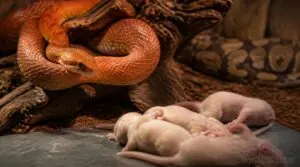
What your snake eats matters as much as how it behaves. Most pet snakes thrive on frozen and thawed rodents — safer than live prey, which can scratch or bite back. Prey size matching (one to two-thirds of the snake’s body diameter) keeps feeding safe.
Juveniles eat every five to seven days; adults every seven to ten. Feeding frequency and diet type go hand in hand.
Enclosure Setup
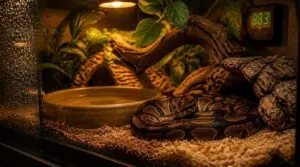
Diet shapes what you buy at the pet store. Your enclosure setup shapes how your snake lives every day.
Substrate and temperature form the foundation. Aspen shavings or coconut fiber work well for most species, while a digital thermostat keeps basking spots between 90–92°F. Humidity should stay 40–60%, adjusted by misting or substrate choice. Front-opening enclosures reduce handling stress and make cleaning straightforward.
Lifespan Commitment

Some pet snakes live 20 to 40 years — that’s a commitment longer than most people’s cars or careers. Ball pythons, for instance, can outlive a decade of rent payments.
Some pet snakes outlive your car, your career, and a decade of rent payments
Plan for veterinary costs, enclosure upgrades, and feeding expenses across every life stage. If your housing situation might change, factor that in before you bring one home.
Frequently Asked Questions (FAQs)
What is the most pet friendly snake?
Corn snakes top the list for most beginners. They’re calm, rarely bite, and handle regular interaction well — making them the go-to ideal first reptile for anyone easing into snake ownership.
What is the most affectionate pet snake?
Ball pythons are widely considered the most affectionate pet snake. With regular, calm handling, they stay relaxed and rarely bite — making them ideal for beginners wanting a docile, personable companion.
What is the most low maintenance snake?
If you want the closest thing to a zero-effort reptile, the Kenyan sand boa wins. It thrives in a small enclosure, eats frozen mice every 10–14 days, and stays calm with minimal handling.
What is the most passive snake?
Ball pythons are widely considered the most passive pet snake. They coil defensively rather than strike, tolerate handling well, and rarely show aggression — making them ideal for beginners seeking a calm, low-stress companion.
What is the best snake for a beginner?
Like choosing a first car, picking the ideal first species matters. The corn snake wins for most beginners — docile, forgiving of small mistakes, and easy to feed.
What is the calmest snake to own?
Ball pythons are widely considered the calmest snake to own. They show minimal stress signs during handling, move slowly, and rarely nip. Their predictable, docile temperament makes them ideal for beginners.
What type of snakes can be pets?
From docile corn snakes to bold kingsnakes, dozens of species make rewarding pets. Your best options range 2 to 20+ feet and suit beginners or experienced keepers depending on temperament, diet, and long-term care needs.
How often do pet snakes need to be fed?
Feeding frequency depends on age. Hatchlings eat every 5–7 days, juveniles every 7–10, and adults every 10–14 days. Prey should weigh roughly 10–20% of your snake’s body mass.
Can different species of pet snakes live together?
Cohabitation is almost always a hiss-take. Different species carry different pathogens, compete aggressively for basking spots, and risk outright predation. Disease transmission and feeding aggression only raise the stakes. Keep them in separate enclosures.
Do pet snakes recognize their owners?
Pet snakes recognize you mainly by scent. They use their Jacobson organ to read chemical cues on your skin. Regular handling builds familiarity, making docile species calmer and easier to manage over time.
Conclusion
Choosing the wrong snake can feel like adopting a small, scaled dragon you weren’t ready for. Every species across the types of pet snakes spectrum demands something specific — space, patience, humidity, or years of experience.
A corn snake forgives beginner mistakes. A reticulated python won’t. Know your limits before you commit, then grow into the keeper your snake deserves. The right match makes all the difference between a rewarding relationship and a frustrating one.