This site is supported by our readers. We may earn a commission, at no cost to you, if you purchase through links.

Most people picture a snake and think "too much." Too unpredictable, too long, too complicated to manage alongside a regular life. Small pet snake species flip that assumption entirely.
A rosy boa (Lichanura trivirgata) maxes out around 30 inches, thrives in a 15-gallon enclosure, and eats frozen mice without complaint. That combination of manageable size and calm temperament is why these species consistently dominate beginner reptile collections. Not every small snake behaves the same, though. Feeding reliability, handling temperament, and lifespan vary enough to shape your experience for the next 20 years.
Choosing well from the start shapes years of rewarding ownership.
Table Of Contents
- Key Takeaways
- Best Small Pet Snake Species
- How Small Pet Snakes Compare
- Space and Habitat Requirements
- Feeding Small Pet Snakes
- Handling, Behavior, and Safety
- Choosing a Healthy Captive-Bred Snake
- Frequently Asked Questions (FAQs)
- What is the best small snake as a pet?
- What’s the smallest pet snake I can buy?
- What is the friendliest snake to own as a pet?
- What are the top 10 smallest snakes?
- Can small pet snakes coexist with other pets?
- What enrichment activities do small snakes enjoy?
- How often do small snakes shed their skin?
- Are small snakes suitable for allergy sufferers?
- What travel options exist for small snake owners?
- Can small snakes live together in one enclosure?
- Conclusion
Key Takeaways
- Corn snakes, rosy boas, and Kenyan sand boas are your best first choices — they eat reliably, handle calmly, and forgive the kind of mistakes every beginner makes.
- Match your enclosure to your species: a Kenyan sand boa thrives in a 10-gallon tank, while a corn snake needs at least 40 gallons with a locking lid to prevent escapes.
- Always feed frozen-thawed rodents thawed in 38–43°C water, sized to roughly match your snake’s mid-body width — getting this right matters more than almost any other care decision.
- A rosy boa can live 25–30 years, so budget $180–$420 for initial setup, keep an emergency fund, and line up a trusted caretaker before you bring any snake home.
Best Small Pet Snake Species
Not every snake needs a sprawling enclosure or years of experience to thrive. Several small species are genuinely well-suited to beginners, each with its own personality and care quirks worth knowing. Here’s a closer look at five that consistently top the list.
If you’re ready to dive deeper, this guide to beginner snake care and handling walks you through the essentials before you bring your first snake home.
Rosy Boa: Gentle and Compact
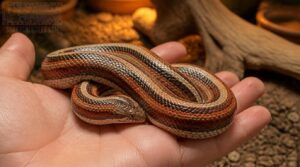
The rosy boa earns its reputation as a top beginner snake species through calm, predictable behavior. Adults stay compact at 20 to 34 inches, with a stout, chunky build that feels completely manageable in your hands.
They’re gentle and docile, rarely striking even during frequent handling. A 15 to 20-gallon tank suits most adults, and they eat thawed rodents reliably. In the wild and captivity, they display three parallel dorsal stripes in shades of red, black, brown, or yellow, making them one of the most visually distinctive small pet snakes available.
Kenyan Sand Boa: Burrowing Beginner
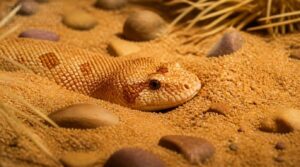
If you want a snake that actually disappears on command, the Kenyan sand boa is your match. Adults reach just 2 to 3 feet, making them perfect for small terrariums. Three reasons beginners love them:
- Docile temperament makes handling simple and safe.
- Fossorial burrowing keeps stress low.
- Most accept thawed rodents in captivity.
Use loose, warm substrate for proper husbandry.
Western Hognose: Small but Dramatic
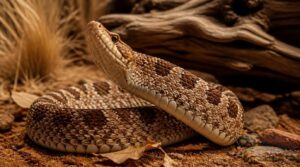
Western hognose snakes share that burrowing instinct, but they bring real drama to any small enclosure. Their upturned snouts push through loose substrate naturally, making them gifted diggers.
Despite their docile temperament, when threatened they flatten their necks, hiss, and may play dead. Most adults stay under 24 inches. In the wild they eat toads, but captives accept frozen mice.
Their calm nature makes them popular pets, though proper identification still matters—reviewing Louisiana’s native snake species and field identification traits helps owners and enthusiasts tell them apart from similar-looking wild snakes.
Corn Snake: Friendly, Moderate-Sized Choice
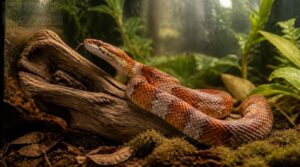
If the hognose feels theatrical, the corn snake keeps things refreshingly simple. Calm and beginner-friendly, it reaches 3-5 feet and tolerates regular handling well.
- Accepts frozen-thawed mice without fuss
- Tolerates consistent handling sessions
- Needs a secure 40-gallon enclosure
- Lives up to 25 years
- Available in many color morphs
Milk Snake: Colorful, Sometimes Flighty
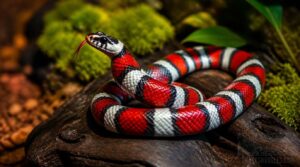
Few snakes match a milk snake’s eye-catching three-colored banding, produced through decades of selective breeding in captivity.
Juveniles can be flighty and nippy, so keep handling sessions short and calm at first. Adults settle with routine.
Their escape artist nature demands secure, locking lids. Feeding is simple: frozen-thawed rodents every 5-7 days, though some refuse prey after enclosure changes.
How Small Pet Snakes Compare
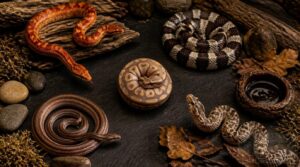
Each species brings something different to the table — different sizes, different personalities, and different demands on your time and space. Knowing how they stack up against each other makes it much easier to choose the one that actually fits your life.
Here’s a quick look at how these five species compare across the categories that matter most.
Smallest Overall Species
Size alone tells part of the story. The Bimini blind snake maxes out at 4–6 inches, though it isn’t a pet trade species. Here’s how your real options actually compare:
- Kenyan sand boa: 10–12 inches
- Rosy boa: 24–30 inches
- Western hognose: 24–30 inches
- Corn snake: 36–60 inches
Small enclosure snakes like the sand boa fit nicely in a 10-gallon tank.
Since smaller snakes also have simpler feeding routines, this guide to safely preparing frozen mice for your snake walks you through thawing and handling feeder rodents without the mess or risk.
Friendliest Handling Choices
Temperament matters when you’re new to keeping snakes. Some species settle into gentle handling quickly; others just need a short acclimation period to calm down.
| Species | Handling Temperament |
|---|---|
| Rosy Boa | Calm, minimal skittishness |
| Kenyan Sand Boa | Relaxed after acclimation |
| Western Hognose | Docile, rarely thrashes |
| Corn Snake | Steady; calm as adults |
| Milk Snake | Flighty when young, calmer adults |
Most Reliable Feeders
Feeding consistency separates a good beginner snake from a frustrating one.
- Corn snakes accept frozen-thawed rodents very reliably
- Rosy boas are steady, consistent eaters
- Western hognose snakes show an excellent feeding response
- Kenyan sand boas may need live prey as babies
- Milk snakes can be notoriously picky eaters
Corn snakes lead for ease. Match prey size to mid-body width always.
Longest Lifespans
When you choose a snake, you’re choosing how many years you’ll care for it.
- Rosy boas: 25 to 30+ years
- Kenyan sand boas: 20 to 30 years
- Ball pythons: 20 to 30 years
- Corn and milk snakes: 15 to 20 years
- Western hognose snakes: 12 to 20 years
Good husbandry and steady feeding shape how many of those years you actually get.
Best Beginner Options
If you want a snake that won’t make your first year stressful, corn snakes are the safest bet. They eat frozen-thawed rodents without complaint, handle calmly, and adapt to basic enclosure setups easily.
Rosy boas and Kenyan sand boas are close alternatives, both docile, long-lived, and forgiving of beginner mistakes. Any of these three makes a solid first species.
Whichever species you choose, setting up their home doesn’t have to be expensive — budget-friendly boa enclosure ideas can help you build a comfortable, functional setup without overspending.
Space and Habitat Requirements
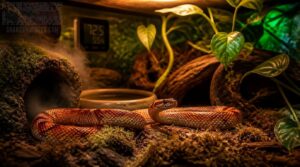
Getting the habitat right is one of the most important things you can do for your snake’s health and comfort. Each species on this list has its own space and setup needs, so there’s no single-size answer. Here’s what to know for each one.
Minimum Adult Enclosure Size
Unlike most reptiles, small pet snakes don’t need huge tanks to stay healthy.
Rosy boas thrive in a 15 to 20 gallon or compact low-cost enclosure with a 20 to 24 inch habitat footprint. A 20-gallon tank or plastic bin comfortably houses western hognose adults. Corn snakes need the most space, requiring a 40-gallon minimum for healthy movement and security.
Secure, Escape-Proof Housing
Even a 10-gallon tank can become an escape-proof enclosure with the right features.
Look for a secure locking lid fitted with self-locking latches that engage automatically when closed. Gaps around door seams should stay under 2 millimeters. Vent screens need small mesh so your snake can’t force its head through or get caught in the material.
Heating and Thermostat Controls
Once your enclosure locks down, temperature control becomes your next focus. A thermostat paired with a heat mat keeps warmth steady without dangerous spikes.
Set a safety high limit so the enclosure can’t overheat during a malfunction. Digital thermostats let you program day-night temperature differences automatically. Place a digital thermometer at both ends to confirm your thermal gradient stays accurate.
Species-Specific Humidity Needs
With temperature locked in, humidity is the next dial to get right. Rosy boas prefer a dry 30–40% ambient humidity, while western hognoses tolerate up to 50%. Corn snakes, milk snakes, and Kenyan sand boas all do well at 40–60%.
During shedding, always offer a humid hide to temporarily boost local moisture. A digital hygrometer confirms your readings stay accurate.
Hides, Substrate, and Water
Three basics anchor every well-run habitat:
- Two fitted hides at opposite ends of the temperature gradient
- 2–4 inches of aspen or cypress substrate for burrowing
- A shallow water bowl kept away from the warm side
Keep substrate loose and dry. Add a humid hide during shedding for a cleaner skin release. Refresh your water bowl daily and spot-clean waste promptly.
Feeding Small Pet Snakes
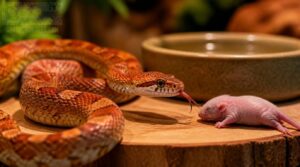
Feeding your snake correctly is one of the most important parts of keeping it healthy long-term. What you feed, how often, and how you handle refusals all make a real difference. Here’s what you need to know across five key areas.
Getting this right matters beyond just the individual animal — as explored in this guide on ethical considerations in boa constrictor breeding, long-term husbandry commitments are often underestimated from the start.
One often-overlooked risk is prey choice — the live versus frozen prey debate matters more than most new keepers realize, especially when it comes to your snake’s safety.
Frozen-Thawed Rodent Diets
Frozen-thawed rodents are the safest, most practical diet for beginner-friendly snakes like corn snakes and rosy boas. Before thawing, seal prey in a heavy-duty freezer bag. Submerge it in water at 38-43°C (100-110°F) and check with a kitchen thermometer. Water above 50°C partially cooks the rodent, destroying nutrients and risking oral burns from an uneven thermal gradient.
| Thawing Step | Target | What to Avoid |
|---|---|---|
| Bag the prey | Sealed freezer bag | Open water contact |
| Water temperature | 38-43°C (100-110°F) | Above 50°C |
| Temperature check | Kitchen thermometer | Guessing |
Prey Size and Frequency
Getting prey size right is just as important as choosing the right diet. Prey should be roughly 0.5 to 1.0 times your snake’s midsection width, increasing with each growth stage.
- Juveniles eat every 5 to 7 days
- Adults need every 7 to 14 days
- Choose frozen-thawed rodents over live
- Upsize prey at each growth stage
- Consistent schedules reduce refusals and stress
Picky Eaters and Refusals
Some snakes are picky eaters. If your milk snake refuses a meal, texture or scent sensitivity is often the cause.
| Species | Common Refusal | Fix |
|---|---|---|
| Milk Snake | New prey scent | Scent with familiar prey |
| Kenyan Sand Boa | Thawed rodents | Warm before offering |
| Western Hognose | Still prey | Wiggle with tongs |
Stick to a consistent feeding schedule and give repeated exposure before switching prey types.
Safe Feeding Practices
Your feeding setup matters as much as what you serve. Always use feeding tongs or forceps to present prey, keeping your hands out of the strike zone.
Thaw frozen rodents in warm water between 38 and 43°C, then warm them to about 38°C before offering. Discard any uneaten prey within two hours.
Wash your hands thoroughly after every feeding session.
Healthy Weight Monitoring
Your snake’s weight tells a story. Weigh at the same time each session, on the same scale and container.
- Skip the scale right after a feeding
- Watch trends across several weeks
- Note if ribs become sharply outlined
- Contact a vet if weight drops rapidly
One reading rarely means much. Consistent weekly patterns show clearly whether your feeding plan is working.
Handling, Behavior, and Safety
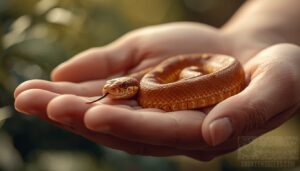
Handling your snake well takes more than just picking it up — it’s about reading its signals, building trust over time, and keeping both of you safe. Every species behaves a little differently, and knowing what to expect makes the whole experience easier. Here’s what you need to know before your next handling session.
Safe Handling Session Length
Most new owners rush this part. Keep first sessions under 5 minutes to let your snake settle without stress. Once it’s eating regularly and calm during approaches, you can extend handling to 10-15 minutes per session.
Twice a week is plenty for most small species. A little patience pays off, and a calm, docile snake is worth the gradual buildup.
Musking, Bluffing, and Biting
Building calm sessions helps, but even docile snakes signal discomfort. Watch for these defensive warning signs:
- Musking – releasing a foul musk secretion when threatened
- Bluffing – flattening the neck or lifting the head without striking
- Biting – quick nips, more common in young or flighty individuals
Young snakes can be especially erratic. Move slowly, stay calm, and watch body language before handling.
Preventing Escapes and Injuries
Once you know the warning signs, securing your enclosure is the very next step.
Secure latches and child-proof locks keep lids shut tight. Cage gaps must stay under 1/4 inch. Keep substrate levels shallow near doors, and place hides away from loose panels or vents.
For handling, work over a clear surface. Wash your hands, move slowly, and stay calm.
Children and Supervised Handling
Children do best when you start handling sessions at just five minutes, then build gradually as confidence grows.
Watch for stress signs like hissing or rapid tongue flicking, and pause right away.
These gentle, beginner-friendly snakes reward calm, patient handling.
End each session calmly, stroking away from the head, and step in quickly if your child feels overwhelmed or tired.
Choosing a Healthy Captive-Bred Snake
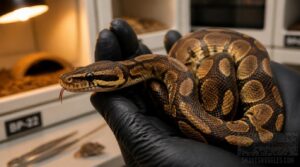
Getting a snake is one thing — getting the right snake from the right source is what sets you up for success. Before you bring one home, there are a few key things worth knowing: where to buy, what to look for, and what ownership actually involves. Here’s what to think about before making your decision.
Reputable Breeders Versus Pet Stores
Where you buy your snake matters. Reputable breeders provide health records, show you the parent animals, and issue a contract with guarantees. They offer post-purchase support and often maintain a veterinary relationship you can use.
Pet stores rarely provide that pedigree transparency. Reptile shows and online shops are solid alternatives, but confirm your snake is captive-bred, not wild-caught.
Health Signs Before Purchase
Before you commit, give the snake a quick physical check. Body condition comes first — visible spine or ribs signal poor nutrition. Eye clarity matters too; clear eyes outside shedding mean good health.
Inspect the vent area for swelling or discharge. Watch for tongue flicking, a sign of normal sensory function. Smooth skin integrity and calm behavior confirm a healthy animal.
Legal Ownership Requirements
Before picking your snake, always check local laws first. Regulations vary widely by state, county, and city.
- Confirm state permit requirements, like Florida’s application review
- Check local ordinances, which can be stricter than state law
- Verify captive-bred documentation to meet Lacey Act compliance
- Avoid protected native species, even when captive-bred
Skipping this step can lead to fines or forced surrender.
Setup and Ongoing Costs
Owning a snake costs more than the price tag suggests. Initial enclosure setup runs $180 to $420, covering proper housing, lighting, and a thermostat.
| Expense | Estimated Cost |
|---|---|
| Initial Setup | $180–$420 |
| Monthly Electricity | $15–$40 |
| Food and Feeding Supplies | $10–$25 |
| Annual Vet Care | $40–$120 |
Substrate selection and ongoing monthly care add $30 to $80 more. Keep an emergency fund of $200.
Long-Term Care Commitment
A rosy boa can live 25 to 30 years. That’s a serious, long-term commitment before you bring one home.
A rosy boa can outlive a decade of life decisions — commit fully before you bring one home
Plan for:
- Consistent feeding and enclosure upkeep each week
- Annual vet visits and an emergency fund
- A trusted caretaker if your situation changes
- Enclosure upgrades as your snake grows
Your snake won’t adapt to neglect. Steady, consistent care makes all the difference.
Frequently Asked Questions (FAQs)
What is the best small snake as a pet?
Ancient Egyptians revered snakes as divine symbols, not house pets. Even so, the corn snake earns top spot today, blending a manageable adult size, reliable feeding habits, and a genuinely beginner-friendly temperament.
What’s the smallest pet snake I can buy?
The Kenyan sand boa averages just 10 to 12 inches as an adult, making it the smallest widely kept option. The Bimini blind snake is technically smaller but isn’t sold in the pet trade.
What is the friendliest snake to own as a pet?
The corn snake is widely considered the friendliest snake to own. It tolerates regular handling, stays calm during interaction, and rarely shows stress signs. Its gentle, docile temperament makes it an excellent choice for beginners.
Corn snakes also adapt well to varied feeding schedules, and owners who want to explore non-rodent options will find useful guidance on pet snakes that thrive without mice.
What are the top 10 smallest snakes?
The Bimini Blind Snake and Barbados Threadsnake rank among the world’s tiniest, both under 4 inches long. Children’s Python and ringneck snakes also stay quite small, making each a gentle, docile choice for compact living spaces.
Can small pet snakes coexist with other pets?
Most snakes are solitary by nature and often show stress indicators like reduced appetite or excessive hiding when sharing space with cats or dogs. Separate enclosures and supervised interactions are always the safer choice.
What enrichment activities do small snakes enjoy?
Like a detective following clues, scent trails and puzzle feeders tap into natural hunting instincts. Climbing structures, burrow opportunities, varied textures, substrate types, hide boxes, and a proper thermal gradient keep your snake actively engaged.
How often do small snakes shed their skin?
Young snakes shed every 2 to 6 weeks. Adults slow to every 4 to 8 weeks. Keep humidity at 50 to 70 percent to prevent stuck sheds.
Are small snakes suitable for allergy sufferers?
For allergy sufferers, small snakes are a low-dander option worth considering. They don’t shed hair, but watch for substrate dust, feeder insects, and Salmonella risks that can still trigger reactions.
What travel options exist for small snake owners?
Car travel works best for most owners. Use a secure, escape-proof tote with a heat pack to maintain 75–85°F. For flights, airlines require rigid, ventilated carriers and advance notice.
Can small snakes live together in one enclosure?
Imagine two snakes sharing one tank. Within a few weeks, one stops eating entirely. Most small snakes are solitary by nature. Cohabitation brings stress, feeding competition, and real disease risk. Keep them in separate enclosures.
Conclusion
A shed skin resting on the enclosure floor isn’t something you toss out without a second thought. It’s a quiet symbol of real progress: something small has slowly grown into something capable.
Choosing the right small pet snake species works that same way in your life. You begin uncertain, then gradually become someone who reads animal behavior with real confidence.
Buy captive-bred, build the correct habitat, and feed consistently. The snake thrives. So will you.
- http://CAEShQEB6zswFYE-SOq3DSkn1klxhLyAO2_jdk8Ge7_Q8nnIkNmp6DUBkBUKcNxjM6J46JUrVUD31ieiw_leRLa6qKhv0WgOmkC4rlWK3sgtF-TzeJBY00D-noORVLvCsLWm4UPZK835euaxxV9m4RfOjj6YDoiTwVETzJBiViBIj05Aogbozh1f
- http://CAESjgEB6zswFbjxdCCDwGu9wr_Y_hU2q7VlzbVKmU1y9yJ38UwKk-HU1NmGxCzD9GFQFyYkceukYJJLSN0yzkiITBqV1iuOt-aeIeFDngASGZBd39sHGlWi-fIlOqutbCLXE1dPaRUDFpPnvA1d9xeWZ0BXFq91VJJqmYosHtjhUsCVGJGHdwjzx-GZ_zIPKQ-L
- http://CAEShgEB6zswFdbm6_LRvpiNZ7Ck7DglqlySnvm52Nrqs4lYkcexnoKqPjKV-rxXlnseWK6HWXa1JWNJqA7-jIhs0C5yyziKYZSOH3VNv9aOYPXTkl1DJCNQBJSIBWaQYmLI-l2av7TP_-DjWv0WwdA45yAjzPwVytj3N6VtEnf90GzMcYrkLF9jYA