This site is supported by our readers. We may earn a commission, at no cost to you, if you purchase through links.

Boa constrictors live over 20 years. That’s two decades of feeding schedules, vet bills, and enclosures that need to scale as your snake grows from a manageable hatchling into a seven-foot animal with opinions about handling. Most breeders underestimate that commitment, and the animals pay for it.
Breeding boa constrictors ethical considerations aren’t abstract talking points. They’re the line between a reputable operation and one that feeds the exotic pet trade’s worst patterns: genetic bottlenecks, unprepared buyers, and escaped animals disrupting ecosystems that took millennia to balance.
This guide covers what responsible breeding actually requires, from permits to postpartum care.
Table Of Contents
- Key Takeaways
- Legal Requirements for Breeding and Selling Boa Constrictors
- Animal Welfare and Genetic Ethics in Boa Breeding
- Humane Husbandry and Disease Prevention for Breeding Boas
- Ethical Sales, Buyer Screening, and Lifetime Responsibility
- Conservation, Escape Prevention, and Ecosystem Protection
- Frequently Asked Questions (FAQs)
- How ethical is snake breeding?
- What are the ethical considerations of breeding?
- Are boas hard to breed?
- Do you have to have a license to be a snake breeder?
- Are boa constrictors a pet trade?
- Are boa constrictors docile?
- Are boa constrictors good hunters?
- What is a boa constrictor occidentalis?
- What do Boa Sigma & constrictor have in common?
- How do you handle a boa constrictor?
- Conclusion
Key Takeaways
- Before breeding a single boa, you must secure the right permits — CITES compliance, state dealer licenses, and detailed sale records — because legal gaps carry fines, seizures, and potential imprisonment.
- Responsible genetic management means targeting at least 6 dams and 4 sires per cycle, keeping inbreeding coefficients below 0.06, and only pairing females during their peak fecundity window of 3 to 5 years.
- A 90-day quarantine for every new animal, dedicated tools per enclosure, and consistent disinfection protocols are the core disease prevention practices that protect your entire collection from cryptic, fast-spreading infections.
- Ethical breeding doesn’t end at the sale — thorough buyer screening, written contracts with return policies, and handing over full husbandry records are essential because a boa can live over 20 years beyond that transaction.
Legal Requirements for Breeding and Selling Boa Constrictors

Before you breed a single boa, you need to get the legal side sorted. Requirements vary depending on subspecies, where you live, and whether you’re selling locally or across borders. Here’s what you need to know across three key areas.
Alongside the legal groundwork, understanding how to use reptile foggers to support healthy snake shedding is equally essential before you begin breeding.
Researching boa constrictor breeding laws and genetic best practices before you pair any animals can save you from costly legal missteps and preventable health issues down the line.
CITES and International Trade
If you’re trading boas across borders, CITES regulations aren’t optional. Most subspecies fall under Appendix II, allowing regulated trade with valid permits. But Boa constrictor occidentalis sits on Appendix I, making commercial trade outright prohibited. You can verify exactly where each subspecies stands by checking the current CITES Appendices listings, which are updated after every Conference of the Parties.
Get your permits from your national Management Authority before any shipment moves. No documentation, no transport, full stop. Violations carry fines, seizures, and imprisonment. Importers and exporters should also understand the Lacey Act’s civil penalties, which apply to illegal trade in protected wildlife under U.S. law.
State and Local Permits
Federal compliance doesn’t end at the border. Many states treat boa breeding as regulated wildlife commerce, requiring a herp dealer or breeder license before you sell a single animal.
Check your local zoning too. A home-based operation may need special use approval, and some municipalities restrict commercial activity entirely. Don’t assume a basic ownership permit covers sales.
Records, Identification, and Liability
Permits get you through the door, but record keeping is what keeps you out of trouble. Log every clutch in your breeding logs, tag each animal, and consider microchips for permanent, verifiable ID. If records don’t match animals, regulators treat it as noncompliance.
Detailed guidance on building compliant reptile breeding records and permit systems can help you stay ahead of inspections before discrepancies become violations.
Document each sale, do basic buyer screening, and carry liability insurance. That combination limits your exposure considerably.
Animal Welfare and Genetic Ethics in Boa Breeding

Breeding boas responsibly starts long before a pair ever meets. Genetic health and breeding fitness shape the quality of every litter you’ll produce. Here’s what you need to get both right.
Breeding Fitness and Genetics
Think of your breeding stock as a recipe, not a lottery. Every pairing builds or erodes lineage health.
Before committing to any pairing, run your animals through a ball python morph compatibility and genotype checker to surface hidden risks before they show up in the clutch.
Genetic diversity is your safety net: aim for 6 dams and 4 sires per cycle, and keep inbreeding coefficients below 0.06.
Breed females during their peak fecundity window at 3 to 5 years.
In morph genetics, responsible breeding means knowing what recessives you’re stacking.
Reproductive and Postpartum Care
During the final weeks before parturition, your female will likely stop eating. That’s normal. Minimize handling and keep temperatures stable. A reliable reptile thermostat temperature controller makes maintaining those stable temperatures effortless, even as your female’s behavior shifts in late gestation.
Once the litter arrives, neonatal heat access is non-negotiable. Neonates can’t thermoregulate, so your gradient must be consistent. Watch the dam for retained membranes or discharge. A postpartum veterinary examination catches problems early and is simply part of responsible breeding.
Humane Husbandry and Disease Prevention for Breeding Boas
Three husbandry failures cause most preventable breeding losses: poor quarantine, contaminated tools, and chronic stress. Proper care is the foundation of sound reptile welfare, and it starts the moment a new animal arrives. A reliable reptile enclosure disinfectant spray makes consistent sanitation far easier, reducing the contamination risks that silently undermine even experienced breeders.
Isolate every newcomer for a minimum of 90 days, use dedicated tools for each enclosure, and service quarantine animals last. That’s non-negotiable disease prevention that protects your entire collection.
Ethical considerations around environment matter just as much:
- Maintain correct temperature gradients and humidity consistently
- Remove feces and shed skin frequently to cut pathogen load
- Disinfect incubation media and surfaces before each clutch
- Pull non-viable eggs immediately to stop microbial spread
Commit to consistent, regular health checks. Cryptic infections spread fast, and catching them early can save lives.
Ethical Sales, Buyer Screening, and Lifetime Responsibility
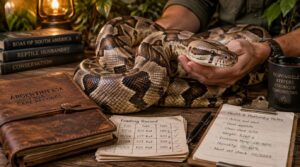
Imagine a buyer swears they’re prepared, picks up a beautiful Argentine boa, then rehomes it six months later because it grew "too big." That’s not bad luck. That’s a screening failure.
Buyer screening isn’t gatekeeping. It’s confirming someone can house a large constrictor long-term, with proper temperatures, the right enclosure, and a consistent feeding routine. Ask about their current setup, not just their enthusiasm, before closing.
Use a written sales contract that spells out care obligations and a return policy. A no-broker clause keeps your animal out of unvetted hands and helps responsible ownership.
Boas live 20-plus years. Lifetime responsibility doesn’t end at pickup. Hand over feeding records, lineage notes, and husbandry history. That documentation protects animal welfare across the snake’s entire life.
Conservation, Escape Prevention, and Ecosystem Protection

A single escaped boa threading into subtropical wetlands isn’t just a lost animal. It’s a conservation threat with legs (vestigial ones, but still). Responsible breeding means keeping yours where they belong.
An escaped boa isn’t a lost pet — it’s a conservation threat with vestigial legs and real consequences
Your facility is your first line of defense:
- Sealed, lockable enclosures with double-latched doors
- Routine perimeter checks at dusk and dawn
- A written escape-response plan before you need it
Act within 24 to 72 hours if an escape occurs. That window is everything. Feral boas disrupt native predator-prey relationships, outcompete local reptiles, and reduce genetic diversity in ways that take decades to undo.
Conservation efforts and ethical considerations both start here. Habitat preservation and natural balance depend on you treating biosecurity as non-negotiable.
Frequently Asked Questions (FAQs)
How ethical is snake breeding?
It depends entirely on how you do it. Ethical breeding prioritizes welfare, genetics, and responsible placement. Done carelessly, it causes real harm. Done right, it’s genuinely defensible.
What are the ethical considerations of breeding?
Ethical breeding starts with asking whether you should breed, not just whether you can. Responsible breeding practices demand genetic responsibility, clear animal welfare standards, and a consistent postbreeding veterinary checkup for every female you use.
Are boas hard to breed?
Boas aren’t particularly hard to breed. They’re livebearers, which removes egg incubation stress. Get your temperature gradient and humidity right, confirm health checks, and most pairs do the rest naturally.
Do you have to have a license to be a snake breeder?
Licensing requirements vary by location. Most states treat selling reptiles as a regulated dealer activity, triggering permits beyond basic ownership. Check your state wildlife agency and local ordinances before breeding.
Are boa constrictors a pet trade?
Wild in origin, captive-bred boas now dominate the commercial pet market. Their striking patterns and manageable size fuel consistent demand. But responsible breeding and ethical standards guarantee your sourcing stays legal, humane, and fully traceable.
Are boa constrictors docile?
Generally, yes. Regular handling builds trust and keeps them calm. But startle or stress them, and you’ll see a very different side. Respect their cues and boundaries, and they’ll usually stay relaxed and curious.
Are boa constrictors good hunters?
Absolutely. They’re ambush predators built for patience, not speed. They wait, strike, constrict, and kill prey within minutes. The right cover and warm temperatures sharpen their instincts, but open and bright enclosures dull them fast.
What is a boa constrictor occidentalis?
Boa constrictor occidentalis, the Argentine boa, is a CITES Appendix I protected subspecies native to South America. It’s recognized for striking black-and-silver patterning and faces ongoing taxonomic debate about whether it qualifies as a subspecies.
What do Boa Sigma & constrictor have in common?
Two species, one shared blueprint. Both sigma and constrictor rely on constriction to subdue small mammals, deliver live young through viviparous reproduction, and thrive across diverse habitats under nearly identical temperature and humidity conditions year-round.
How do you handle a boa constrictor?
Support its full body across both arms, move slowly, and let it set the pace. Never grab the head. Calm, confident handling builds trust over time.
Conclusion
Picture a seven-foot boa, calm and alert, moving through an enclosure built for her size. That image doesn’t happen by accident. It takes breeders who treat breeding boa constrictors ethical considerations as the foundation of every decision, not an afterthought.
Screen your buyers hard. Document your animals. Know your laws. Support their health from first pairing to final placement.
Do that, and you’re not just breeding snakes. You’re raising the standard.