This site is supported by our readers. We may earn a commission, at no cost to you, if you purchase through links.
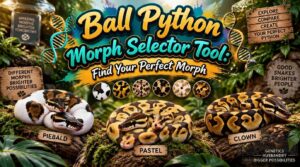
Over 4,000 recognized ball python morphs exist today, and that number keeps climbing. Picking the wrong one means ending up with a snake whose temperament, genetics, or price tag catches you completely off guard.
Your goal shapes everything. A pet keeper needs a calm, handleable animal. A breeder needs predictable offspring and clean genetic lines. Those aren’t the same animal, and they’re not the same purchase.
The ball python morph selector tool walks you through traits, budget, experience level, and genetic outcomes so you stop guessing and start choosing with real confidence.
Table Of Contents
- Key Takeaways
- Start The Ball Python Morph Selector
- Choose Colors, Patterns, and Rarity
- Set Your Budget and Experience Level
- Calculate Genetics and Breeding Outcomes
- Avoid High-Risk Morph Pairings
- Compare Your Recommended Ball Python Morphs
- Frequently Asked Questions (FAQs)
- How to determine ball python morphs?
- Can you provide a chart of ball python morphs?
- What is the best morph of a ball python?
- What is a holy grail ball python?
- Can selector tools predict exact offspring colors?
- Do morphs affect ball python lifespan or health?
- Which morphs are best for beginner breeders?
- How accurate are genetic calculator probability percentages?
- Can tools identify morphs from photos alone?
- Can certain morphs affect a ball pythons temperament?
- Conclusion
Key Takeaways
- Whether you’re buying a pet or building a breeding project is the single most important decision you’ll make, because it determines every trait, genetic, and budget filter that follows.
- Layering morphs creates striking visuals, but incompatible gene combinations — especially wobble-linked genes like Spider and risky super forms — can cause serious, irreversible health consequences.
- Genetic calculators give you reliable probability ranges, not guarantees, and roughly 30% of unexpected outcomes stem from allelic complexes that standard calculations overlook.
- About 60% of first-time buyers regret their morph choice within a year, almost always because they prioritized appearance over temperament, genetics, and realistic budget planning.
Start The Ball Python Morph Selector
The ball python morph selector walks you through a few quick decisions to match you with the right snake. First, you’ll nail down whether you’re buying a pet or building a breeding project. Then you’ll dial in your preferred traits, budget, and experience level so the results actually mean something.
Once you’ve narrowed down your preferences, checking a breakdown of ball python morph prices by genetics and pattern helps you set a realistic budget before you commit.
Pet or Breeding Goals
Everything about your setup changes the moment you decide whether you’re keeping or breeding. Pet goals reward docile temperament and handling ease, so your Ball Python Morph Selector Tool filters toward calm, manageable animals.
Breeding flips the priority to predictable offspring patterns and genetic clarity. Lock this in first, and breeder decision support tools actually start working for you.
Select Preferred Traits
Once your goal’s set, trait selection kicks in. The searchable dropdown filters by color, pattern, and structural morphs fast.
Pick across three categories:
- Color morphs like albino or clown
- Pattern morphs like pinstripe
- Structural morphs like scaleless
- Trait combinations for stacking
- Rarity tier for market edge
Selector usability keeps it clean. Genetic probability calculation and morph market pricing sharpen picks.
Choose Colors, Patterns, and Rarity
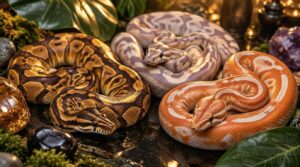
Once you’ve settled your purpose, the fun part starts: picking what your snake actually looks like. The ball python morph selector tool lets you filter by color family, pattern type, and morph rarity without scrolling blindly.
For a deeper dive into how genetics drive these distinctions, the ball python morph identification guide breaks down exactly how pattern alterations, color intensification, and scale variations interact to create each look.
Here’s what to weigh:
- Color hue stability: Reds and yellows can shift over time from scale oxidation.
- Pattern expression: Stripes and blotches depend on allele combos that look different in juveniles.
- Homozygous requirements: Some patterns only fully express with two gene copies.
- Pattern stacking risks: Layering morphs creates bold visuals, but incompatible genes can dull results.
- Morph rarity premiums: Low-frequency allele combos mean higher prices and tighter availability.
Visual trait correlation matters too. Cross-check breeder photos under accurate lighting and compare descriptions across multiple catalogs, especially if morph breeding outcomes are in your future.
Set Your Budget and Experience Level

Picking a visually stunning morph is easy. Paying for it is where things get real. Budget Constraints shape every decision here, from enclosure tier to morph rarity premiums. A complete ball python terrarium kit can quietly double your upfront costs before you’ve even chosen a morph.
The selector narrows your options by cost band automatically, keeping Morph Affordability front and center at every step.
| Cost Band | What It Covers |
|---|---|
| Low ($800) | Rare lines, proven breeders, expert setups |
| Reserve (15–25%) | Vet visits, shipping delays, surprises |
Selector Usability also factors in experience level. Beginners get filtered toward stable, low-maintenance morphs. Experienced keepers gain access to wobble-linked and super forms. Set your Collection Goals honestly, and Breeder Support options match your skill tier automatically. Beginners especially benefit from pairing the selector with a solid ball python care book before committing to a morph.
Pairing your experience tier with the right morph becomes even more rewarding when you’ve already thought through how to build a snake habitat that fits your keeper level.
Calculate Genetics and Breeding Outcomes

Once you’ve picked your morph ideas, it’s time to run the numbers. Genetic calculator tools take the guesswork out of pairing decisions and show you exactly what offspring to expect. Here’s how to work through it step by step.
Select Sire and Dam
Your parents carry everything.
When you select sire and dam inside a genetic calculator, you’re entering each animal’s known alleles, including dominants, co-dominants, and hidden recessives.
Got a sire with proven clutch records? Even better.
Accurate genotype inputs are what make breeding probabilities actually useful, so pull lineage docs before you touch a single drop-down.
Garbage in, garbage out.
Read Probability Results
From the visual Punnett view, probable outcomes break down by genotype, each with a percentage. That’s genotype modeling making sense of what’s otherwise a guessing game.
A 25% double-het result across 40 babies means roughly 10 animals, not a promise. Breeding probabilities narrow with bigger clutches, so your genetic probability calculation gets far more reliable as your sample size grows.
Check Allelic Complexes
Roughly 30% of unexpected morph outcomes trace back to allelic complexes, not simple calculation errors. When your Ball Python Morph Calculator flags them, pay close attention.
Linked alleles on the same chromosome co-segregate and can completely throw off your genetic probability calculation. A quick genotype modeling check reveals which alleles travel together, so your phenotype prediction actually matches what hatches.
Avoid High-Risk Morph Pairings
Not every pairing is a good idea, and some gene combinations carry real risks you’ll want to know before you breed. The tool flags these for you, but it helps to understand what you’re looking at. Here are the two main categories to watch out for.
Wobble-linked Genes
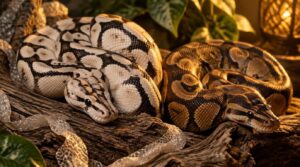
Not every stunning morph is a clean deal. The Spider gene, for instance, is tied to wobble syndrome, a neurological disorder affecting balance and coordination. You won’t always spot it right away since neurological disorder screening takes up to a year. A ball python health reference guide can help you track subtle neurological symptoms over that critical first year and document changes that might otherwise go unnoticed.
The Spider gene’s beauty hides a neurological cost that may take a full year to surface
Using wobble avoidance strategies and problematic pairing detection tools keeps your breeding decisions sound and your animals genuinely healthy.
Risky Super Forms
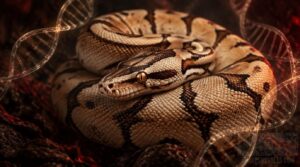
Some morphs look stunning until the genetics bite back. Risky Super Forms can mask lethal combinations you won’t spot until real damage is done.
- Confirm both alleles before any pairing
- Flag incomplete penetrance across three generations
- Run wobble avoidance strategies every single time
- Use problematic pairing detection inside the selector
Genetic probability shifts fast when super forms stack. Plan ahead.
Compare Your Recommended Ball Python Morphs
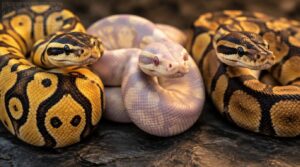
You’ve done the hard work—now it’s time to see your top picks side by side. This section breaks down pricing, availability, and seller protections so you can make a confident, informed choice. Let’s see what’s waiting for you.
Pricing and Availability
Prices shift fast. Morph Affordability depends on rarity tiers, age, and season, so a neonate spider might run $75 while a platinum halo easily hits $350 or more.
Use Morph Availability Tracking and Price Volatility Monitoring to catch stock updates before they’re gone. MorphMarket lets you browse active breeders and their Breeder Support notes so you shop smarter, not harder.
Trusted Seller Protections
Finding a great deal only matters if your snake arrives alive and healthy. Always confirm sellers offer a Live Arrival Guarantee, use FedEx Priority Overnight with temperature-controlled shipping, and back animals with a health guarantee.
Strong vendor customer support and clear return policies both matter too.
Use morph availability tracking so you never rush a purchase from an unverified source.
Frequently Asked Questions (FAQs)
How to determine ball python morphs?
You determine ball python morphs by closely reading visible traits like color, pattern, and scale texture, then confirming the genetics using a genotype visualization tool or genetic calculator to match phenotype to its genetic basis.
Can you provide a chart of ball python morphs?
Here is a quick morph chart to get you started:
| Morph | Genetic Type | Rarity |
|---|---|---|
| Albino | Recessive | Common |
| Mojave | Co-dom | Common |
| Piebald | Recessive | Moderate |
| Clown | Recessive | Moderate |
| Pastel | Co-dom | Common |
| Spider | Co-dom | Common |
| Banana | Co-dom | Common |
What is the best morph of a ball python?
There’s no single best morph. The right pick depends on your goals, budget, and genetics knowledge. Use morph prediction and genetic calculators to match traits to your specific situation.
What is a holy grail ball python?
A holy grail ball python is the rarest morph combination collectors obsess over. Think jaw-dropping contrast, perfect pattern stability, and genetics so scarce your collection goals suddenly feel like an actual quest worth endlessly chasing.
Since every stunning combo starts with pairing two compatible genes, browsing these ball python double gene combinations shows how each pairing shapes color, pattern, and overall rarity.
Can selector tools predict exact offspring colors?
Nope. Genetic calculators forecast probability ranges, not certainties. Offspring outcome forecasting gives you odds, like 25% or 50%, but modifier genes and environment mean surprises still happen.
Do morphs affect ball python lifespan or health?
Most morphs don’t directly shorten lifespan. Husbandry drives health outcomes far more than color genes. That said, Spider gene wobble syndrome is a real neurological concern worth knowing before you buy.
Which morphs are best for beginner breeders?
Genes with under 60% pairing complexity are your sweet spot. A ball python morph selector tool helps you get there. The Normal morph, Pastel morph, and Yellow Belly morph are top beginner morphs. Predictable. Affordable.
How accurate are genetic calculator probability percentages?
Pretty good, but not perfect. Breeding probabilities assume ideal conditions, and real clutches can diverge by 2-20% due to allele interactions and modifier genes. Always treat your calculator results as solid estimates, not absolute guarantees.
Can tools identify morphs from photos alone?
Sure, photo morph identification totally works, until lighting, juvenile color shifts, or overlapping phenotypes throw everything off. These tools give you probabilistic likelihoods, not certainties. Always back them up with a solid genetic testing result.
Can certain morphs affect a ball pythons temperament?
Temperament isn’t really tied to the morph. Early handling and environment shape your snake’s behavior far more than color genetics ever will. Individual variation overlaps across every line, including the Spider complex and Champagne morph.
If you’re curious how different lines actually compare, this guide to corn snake morphs and their unique characteristics breaks down what selective breeding really changes—and what it doesn’t.
Conclusion
Roughly 60% of first-time buyers regret their morph choice within a year, usually because they prioritized looks over temperament or genetics they didn’t fully understand. That’s a fixable problem.
The ball python morph selector tool cuts through the noise by matching your actual goals to the right animal, not just the prettiest one. Know your budget. Know your experience level. Know what you want out of this hobby. Then choose with confidence.