This site is supported by our readers. We may earn a commission, at no cost to you, if you purchase through links.

Most snakes will strike at a thawed mouse just as eagerly as a live one—once you know how to present it. The real barrier isn’t the snake’s preference; it’s the handler’s technique.
Live prey carries genuine risks: a cornered rat can fracture ribs, puncture eyes, and transmit parasites before the snake lands a single coil. Switching snakes from live to frozen prey removes those hazards entirely, cuts feeding costs by up to 50%, and gives you full control over every meal.
The process takes patience, not luck—and the right steps make all the difference.
Table Of Contents
Key Takeaways
- Live prey puts your snake at real risk — a cornered rat can fracture ribs, transmit parasites, and cause eye injuries before your snake lands a single coil.
- Frozen-thawed prey must hit 95–105°F internally before you offer it; too cold and your snake won’t strike, too hot and it pulls back.
- Most refusals come down to fixable details — wrong enclosure temperature, feeding during daylight, or handling your snake within 48 hours of a feeding attempt.
- Ball pythons key in on heat, corn snakes follow scent and movement, and hognose snakes often need amphibian scenting — species differences matter more than most keepers expect.
Why Switch to Frozen-Thawed Prey?

Switching your snake to frozen-thawed prey is one of the smartest moves you can make as an owner. It’s not just about convenience — there are real, measurable benefits that protect your snake, your wallet, and your peace of mind. Here’s why it’s worth making the change.
If you’re still on the fence, this breakdown of frozen prey feeding benefits for snakes covers exactly why so many keepers never look back.
Prevent Prey-related Injuries
Live rodents bite back. Rats have fractured ribs and caused serious eye injuries in feeding snakes — and sometimes the snake isn’t even the one getting hurt.
Frozen-thawed prey eliminates that risk entirely. Use 12–18 inch feeding tongs to present prey, remove it promptly after feeding, and keep your enclosure latched. Simple habits. Far fewer emergencies.
Reduce Parasite Exposure
Injuries aren’t the only reason to make the switch. Parasite transmission is a serious, often overlooked risk when feeding live prey.
Live rodents can carry pinworms, mites, and Salmonella — all transferable to your snake through a single meal. Frozen prey eliminates those threats at the source:
- Clean feeding tongs between every use with hot soapy water and air-dry completely.
- Practice substrate hygiene by spot-cleaning droppings promptly and doing full substrate replacements regularly.
- Change your snake’s water bowl daily and scrub it to prevent microbial buildup.
Proper thawing temperatures and separate storage for frozen prey also reduce cross-contamination risks greatly. These hygiene practices help mitigate zoonotic health risks in your home.
Lower Feeding Costs
Switching to frozen prey does more than protect your snake — it protects your wallet too. Bulk purchasing can cut per-meal costs by 30–50%, especially when you buy in larger quantities from reputable suppliers. That’s a real difference over months of feeding.
Frozen prey also stores cleanly at -18°C for up to six months, meaning less waste, more control.
Support Humane Feeding
Saving money is a welcome side effect. But there’s a deeper reason to make the switch: animal welfare matters.
- Humane euthanasia spares prey from stress and suffering.
- Ethical prey sourcing ensures clean, reputable supply chains.
- Frozen prey eliminates the trauma of live-prey encounters.
- Veterinary oversight helps confirm feeding practices meet welfare standards.
- Proper handling reduces fear responses in both snake and prey.
Improve Meal Consistency
Frozen prey takes the guesswork out of feeding.
Standard thaw times bring every meal to a consistent 4–8°C before warming, so your snake gets the same thermal cue each session. Pair that with consistent prey sizing — 10–15g per rat — and a locked feeding schedule, and your monitoring logs start telling a clear story fast.
For a deeper look at hitting that ideal warmth window every time, frozen snake food preparation tips walk you through the full thaw-to-serve process.
Prepare Frozen Prey Safely

Thawing frozen prey the right way isn’t complicated, but the details matter. Done wrong, you risk burning your snake internally or exposing it to bacteria. Here’s exactly how to prep each meal safely before it ever hits the enclosure.
Refrigerator Thawing Method
The refrigerator method is the leading method for a reason. Place your thawed prey in a sealed, leak-proof container on the bottom shelf — that stops drips from reaching other items. Keep your fridge at or below 4°C.
Most prey thaws fully in 8–12 hours, so overnight works perfectly. Never use thawed prey left out beyond two hours.
Cold Water Thawing
Short on time? Cold water thawing gets the job done in 30–60 minutes.
Seal the prey in a leak-proof bag, then submerge it in cold water kept between 1–4°C. Change the water every 15 minutes to keep heat transfer moving. Gently agitate the container occasionally.
Once thawed, dry the surface and sanitize everything you used.
Ideal Prey Temperature
Temperature is the make-or-break detail. Your snake’s strike response peaks when prey sits between 95–105°F (35–40°C) — that’s the midrange temperature sweet spot where predatory instinct kicks in strongest.
Too cold, and your snake won’t commit. Use a temperature gun to verify the core, not just the surface, before every feeding attempt.
Avoid Microwave Heating
Microwaves seem convenient, but they’re a bad match for frozen prey warming. They create uneven heat pockets — one side scorching while the core stays near-freezing. That temperature gradient can burn your snake’s mouth or trigger a stress refusal.
Safe warming alternatives include refrigerator thawing and warm water baths — both deliver the consistent 95–105°F your snake needs.
Discard Unsafe Prey
Bad prey is a feeding problem waiting to happen. Discard any thawed prey that smells sour, feels slimy, or shows discoloration — those are clear spoilage signals. If fluids leak and smell off, toss it.
Never refreeze thawed prey. A contaminated item can trigger refusal, digestive upset, or worse. When in doubt, throw it out.
Use a Step-By-Step Transition Method
Switching your snake to frozen prey isn’t an overnight process — it takes a consistent approach and a little patience. The good news is that most snakes come around once you dial in the right conditions. These five steps will walk you through exactly how to make that happen.
Start With Proper Sizing
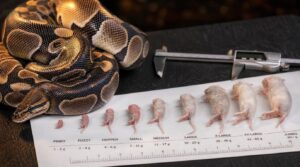
Getting the prey size right from day one sets the whole process up for success. Match the frozen rodent to 80–100% of your snake’s mid-body girth — measure with a caliper or ruler. For ball pythons, never exceed 120% girth width.
As your snake grows, increase prey size in small increments every 4–6 weeks.
Feed During Active Hours

Once prey size is dialed in, timing your offer matters just as much. Most snakes are crepuscular or nocturnal — peak hunger hits around dusk or after dark. Present frozen-thawed prey during that natural activity window, when your snake is already moving and tongue-flicking. You’ll get far fewer refusals.
Keep the room dim and quiet. That calm setting makes a real difference.
Use Long Feeding Tongs

Timing sets the stage — but your hands can break the deal. Long feeding tongs (12–18 inches) keep your fingers well outside striking range while giving you full control over prey placement. Stainless steel construction, rubberized serrated tips, and balanced weight distribution let you hold thawed prey firmly without dropping or bruising it.
Key features worth prioritizing:
- Rust-resistant stainless steel resists corrosion through repeated sanitizing
- Serrated, rubberized tips grip slippery frozen prey securely
- Balanced handle weight reduces fatigue during longer feeding sessions
Wiggle Prey Naturally

Tongs in hand, now make that prey come alive. The goal is natural movement simulation — not frantic shaking, but controlled, irregular wriggles that mimic a real escape attempt.
| Motion Type | Why It Works |
|---|---|
| Lateral movement | Mimics sideways prey scramble |
| Brief pause between wriggles | Resets the strike trigger |
| Snout presentation | Activates Jacobson’s organ |
| Irregular cadence | Prevents habituation to pattern |
Short tugs. Stop. Repeat.
Limit Pre-feeding Handling

Before you even reach for those feeding tongs, your snake is already reading the room. Observe a 48-hour handling blackout before any feed attempt. Human contact triggers stress hormones that shut down feeding interest fast.
Keep prey presentation brief — no lingering, no repositioning. Use clean, scent-neutral gloves to avoid transferring foreign odors that can override your snake’s natural feeding cues.
Trigger Your Snake’s Feeding Response

Sometimes a snake just needs the right nudge to recognize frozen prey as food. The good news is there are reliable techniques that tap into your snake’s natural hunting instincts. Here’s what actually works.
Warm Prey Correctly
Temperature is everything here. Your goal is to hit 95–105°F internally — close enough to living body heat that your snake’s thermal sensors register it as real prey. Too cold, and the strike instinct stays quiet. Too hot, and the snake pulls back.
Use an infrared or food thermometer to verify core warmth, not just surface feel. Warm promptly, then offer right away.
Scent With Bedding
Scent is one of your strongest tools. Rub the thawed prey against soiled bedding or shed skin before offering it — this transfers familiar odors directly onto the food.
Your snake’s Jacobson’s organ picks up those chemical signals instantly, triggering a natural feeding response. Bedding scent retention does the heavy lifting here, making frozen prey smell like a real meal.
Try Braining Technique
When bedding scent alone isn’t enough, braining can break the deadlock. It means making a single targeted strike to the prey’s head — exposing brain tissue and releasing olfactory triggers your snake can’t ignore.
Work fast. Quick execution after warming keeps the process controlled. Use long tongs to position the prey near the snout, hands well back.
Use Paper Bag Method
The paper bag method is one of the quieter tricks in frozen prey presentation — and it works. Drop your thawed prey into a clean, unused bag and place it near the enclosure floor.
The bag traps ambient scent, creating bag scent diffusion that mimics a burrow environment. Let it sit 15–30 seconds. That’s your feeding confidence builder — no rushing.
Present Near The Snout
Where you hold the prey matters as much as how you move it. Position frozen-thawed prey directly in front of the muzzle — not above, not to the side.
This snout-level placement activates the Jacobson’s organ instantly, pulling chemical signals straight into the sensory system. Combined with tongs and proper warming, that close scent proximity triggers a clean, confident strike almost every time.
Troubleshoot Frozen Prey Refusals

Refusals happen — even when you’ve done everything right. The fix is usually something small, like a temperature tweak or a change in routine. Here’s where to start.
Adjust Enclosure Temperatures
Temperature is often the hidden culprit behind prey refusals. If your warm side drops below 88°F, a Ball python’s digestion slows — and its motivation to eat drops with it. Use an infrared thermometer to verify both zones, not just your thermostat’s reading.
Thermostat probe placement matters. Position it where your snake actually rests, not directly on the heat source.
Reduce Feeding Stress
Even with perfect temperatures, stress alone can shut feeding down. Minimize human presence before and during feeding — snakes don’t need an audience.
- Cover three sides of the enclosure with a cloth for a soft enclosure cover effect.
- Dim or eliminate overhead lights — low light conditions make a real difference.
- Keep short presentation intervals: offer prey once, then step back for 10–15 minutes.
Feeding tongs and scent transfer do the work. You don’t have to.
Track Feeding Attempts
Stepping back from the enclosure is only half the equation. The other half is writing it all down.
A feeding journal turns guesswork into patterns. Log each attempt with a time stamp, prey details, enclosure temps, and the snake’s exact response — strike, hesitation, or full refusal.
| What to Log | Why It Matters |
|---|---|
| Date, time, prey size | Reveals refusal patterns by time of day |
| Warm-side temp at attempt | Links temperature to feeding response |
| Outcome and behavior | Tracks progress across the adjustment window |
Analyze success rates over 3–6 weeks. That data tells you more than instinct ever will.
Consider Species Preferences
Your feeding journal data might reveal something worth sitting with: the refusals aren’t random — they’re species-specific.
Ball pythons lean heavily on thermal cues. If your prey isn’t hitting 95–105°F internally, they’ll ignore it. Corn snakes respond more to movement and bedding scent. Boa constrictors are generally more tolerant, but still want proper warming. Hognose snakes often need amphibian scenting entirely.
Each snake species hunts by different senses: ball pythons demand heat, corn snakes follow scent and movement
Know Veterinary Warning Signs
Refusal alone isn’t always the problem. Sometimes your snake is telling you something’s wrong.
Watch for these veterinary warning signs:
- Sudden, lasting lethargy — unusual inactivity beyond one day
- Open-mouth breathing — an immediate emergency
- Visible swelling or sores — head, neck, or body
- Repeated regurgitation — stop feeding; call your vet
- Seizures or tremors — urgent neurological emergency
Frequently Asked Questions (FAQs)
What happens if you freeze a live snake?
Freezing a live snake is a death sentence. Ice crystals rupture cells, critical organs fail, and there’s no safe recovery. Intentional freezing causes severe suffering — it’s harmful, inhumane, and never acceptable.
Can hatchlings start on frozen prey immediately?
Yes — hatchlings can start on frozen-thawed prey right away. Warm prey to 100–105°F and match it to body width. Most accept within 3–5 attempts when temperature and scent cues are correct.
How often should adult snakes be fed?
Most adults do well on every 10 to 14 days. Larger species may stretch to 21 days. Watch body condition monthly — a slight waist tells you the schedule is working.
Does prey size change as snakes grow?
As your snake grows, prey size should increase with it. A wider girth means a larger gape. Aim to match prey width to your snake’s widest body point.
Researching snake species before buying also helps you prepare for their changing feeding needs as they mature.
Setting up the right enclosure matters just as much as feeding schedules—this baby corn snake care guide walks through tank sizing and temperature gradients that support healthy growth.
Can frozen prey be sourced from pet stores?
Good news — pet stores stock frozen prey reliably. You’ll find pinkies to fuzzies easily, though larger sizes may need special ordering. Online bulk suppliers cut costs 30–50% versus per-pack store pricing.
Should feeding schedules change during shedding cycles?
Most snakes naturally experience shedding appetite shifts — reduced interest in food is normal. Keep your feeding routine steady. If your snake refuses, pause and retry after the shed completes. Don’t force it.
Conclusion
Snake charmers once believed a reptile would only strike what it had hunted itself. Modern science proved otherwise. Switching your snake from live to frozen prey is one of the smartest decisions you’ll make as a keeper—safer, cheaper, and completely within your control.
Get the temperature right, time your feedings well, and stay consistent. Most snakes convert within just a few feeding attempts. The single variable that determines your success? Patience and reliable technique.