This site is supported by our readers. We may earn a commission, at no cost to you, if you purchase through links.
A snake pressing bubbles out of its nostrils looks alarming, but that reaction tells you exactly where to look first. Saliva around the mouth should stay thin, clear, and gone within minutes of a meal. When it lingers, thickens, or turns cloudy, your snake is signaling something specific, not something random.
Understanding snake mucus around mouth causes means reading color, texture, and timing together. White discharge points one direction, yellow points another, and foaming often means air trapped in fluid from a compromised airway. Gum swelling and prey bites tell a different story than a fluctuating heat gradient does.
Getting the cause right determines whether you’re managing husbandry or racing to a reptile vet.
Table Of Contents
- Key Takeaways
- Why Snakes Get Mouth Mucus
- Respiratory Infection Warning Signs
- Mouth Rot and Oral Causes
- Husbandry Problems That Trigger Mucus
- What to Do Next
- Frequently Asked Questions (FAQs)
- Why do snakes have mouth rot?
- What does a snake’s mouth look like?
- What is the best treatment for a snake’s mouth?
- How do you know if a snake has a drooling mouth?
- How to cure snake mouth rot?
- What does it mean when a snake foams at the mouth?
- Can snakes hear human voice?
- What are common problems with a snake’s mouth?
- How long does snake antibiotic treatment usually take?
- Can respiratory viruses like Nidovirus be cured completely?
- Conclusion
Key Takeaways
- Normal saliva is thin, clear, and disappears within minutes, while thick, cloudy, white, or yellow discharge signals a real problem like stomatitis or infection.
- Foaming, bubbling at the nostrils, or open-mouth breathing at rest points to a respiratory infection and needs urgent veterinary care.
- Mouth rot (infectious stomatitis) often starts with red, swollen gums and can progress to thick pus, foul odor, and tooth loss if untreated.
- Husbandry issues like wrong temperatures, poor humidity, dirty water or substrate, dust, and chronic stress weaken your snake’s immune system and can trigger mouth mucus even without an infection.
Why Snakes Get Mouth Mucus
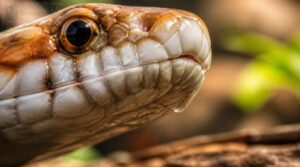
Not every trace of moisture around your snake’s mouth means trouble. Some mucus is completely normal, while other kinds signal a problem brewing beneath the surface. Here’s how to tell the difference, sign by sign.
If you notice wheezing or open-mouth breathing alongside that mucus, it’s worth reviewing these common signs your snake is unwell to catch respiratory issues early.
Normal Saliva Versus Discharge
How do you know when saliva is just saliva? Healthy snakes drool a little after eating or handling—thin, clear, and gone within minutes.
Watch for three red flags:
- Thickness that clings to the lips
- Moisture lasting days, not minutes
- Any cloudiness replacing clear fluid
True discharge sticks around and signals oral cavity inflammation, not routine lubrication.
Clear, White, Yellow Mucus
Color tells a story once thickness rules out normal saliva. Clear mucus stays thin and watery—often just irritation or normal drainage.
White mucus turns creamy as immune cells join in, signaling early oral mucus response or infectious stomatitis.
Yellow mucus means infection’s progressing; opaque, sticky discharge replacing clear fluid for more than a week points toward active respiratory infection needing veterinary evaluation.
Foaming Around The Mouth
Foam differs from thickness or color—it’s air trapped in fluid, whipped by movement. In snakes, this points to respiratory infection with open-mouth breathing forcing air through saliva, or infectious stomatitis pooling fluid the snake can’t clear.
Unlike seizure-related jaw contractions or swallowing failures seen in other animals, reptile foam usually signals airway compromise. Treat any bubbling as urgent—get veterinary evaluation promptly.
Drooling and Wet Lips
Not every mucus problem foams. Sometimes it’s simpler: saliva just leaks out, coating the lips and chin. This signals saliva swallowing control failure, often tied to open-mouth breathing or nerve-muscle weakness from illness.
Watch for:
- Constant wetness (not one-time drool)
- Perioral skin damage from chronic moisture
- Saliva pooling patterns near jaw folds
Persistent drooling warrants a respiratory infection or mouth rot workup.
Respiratory Infection Warning Signs

Mouth mucus doesn’t always stay a mouth problem. Once bacteria or viruses reach the lungs, your snake’s breathing tells the real story. Here’s what to watch and listen for.
Wheezing, Clicking, Gurgling
Put your ear near your snake’s head—do you hear whistling, clicking, or bubbling? These are airway obstruction sounds signaling bronchial tube inflammation or lung fluid accumulation.
If your snake is also gaping or yawning oddly alongside these sounds, it’s worth learning to distinguish normal ball python yawning behavior from signs of respiratory distress.
| Sound | Likely Cause |
|---|---|
| Wheezing | Narrowed airways |
| Clicking | Mucus buildup |
| Gurgling | Fluid-air mixing |
| Popping | Airway plugs |
Any abnormal airflow pattern warrants urgent veterinary evaluation for respiratory infection.
Bubbles at The Nostrils
Ever notice tiny bubbles forming right at your snake’s nostrils? That’s mucus mixing with airflow, and it signals active respiratory secretion, not just surface moisture.
Thick discharge traps air pockets as breathing narrows nasal passages. Watch for:
- Persistent nostril wetness
- Increased breathing effort
- Foamy discharge
- Nasal tissue irritation
- Bubbles worsening with stress
Aspirated secretions intensify inflammation, creating a dangerous cycle demanding veterinary evaluation.
Open-mouth Breathing
Why does your snake keep its mouth open when it isn’t yawning or striking? That posture means the reptile respiratory tract can’t move enough air through the nose, so airway obstruction forces mouth breathing.
This persistent breathing posture differs from brief stress reactions; it continues even when your snake is calm. Expect audible respiratory sounds alongside wet, mucus-stained lips—clear signs demanding urgent veterinary attention, not just handling stress.
Lethargy and Appetite Loss
A quiet snake refusing meals is telling you something’s wrong. Respiratory infections raise metabolic energy demands while making swallowing feel unsafe, so appetite drops fast.
A snake that suddenly refuses food may be fighting a respiratory infection that makes eating feel unsafe
Watch for:
- Staying coiled instead of exploring
- Reduced response to handling
- Dull skin from dehydration
Combined with drooling or mouth infection signs, this weakness often signals systemic illness, not simple stubbornness—don’t wait it out.
When Breathing Becomes Urgent
Some signs mean you can’t wait for a vet appointment—you need emergency care now. Gasping episodes, open-mouth breathing paired with cyanosis indicators (blue or gray gums and skin), or a sudden rapid heartrate all point to oxygen deprivation.
These suggest airway obstructions or severe respiratory distress affecting the reptile respiratory tract directly. Don’t confuse this with mild mouth rot or infectious stomatitis—this is critical, and minutes matter.
Mouth Rot and Oral Causes
Not all mouth mucus points to the lungs. Sometimes the problem starts right in the mouth itself, where infectious stomatitis, or mouth rot, takes hold. Here’s what to look for around your snake’s gums and jaw.
Red or Swollen Gums
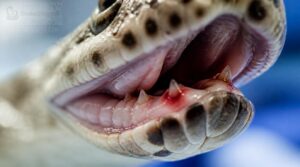
Gum tissue tells you a lot before mucus ever shows up. Red, swollen gums near the teeth often mark early infectious stomatitis, sometimes called mouth rot, and the gingivitis stage can progress fast, causing bleeding with light contact.
Left unchecked, periodontitis sets in, damaging tissue and loosening teeth. Nutritional deficiencies and foreign debris can trigger it too. Any oral exam showing these clinical signs warrants veterinary attention.
Thick Cheesy Mouth Pus
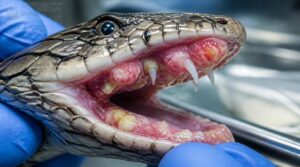
Once gum inflammation progresses, thick cheesy discharge often follows. This caseous debris forms from dead cells, bacteria, and necrotic tissue, not simple mucus.
Watch for:
- Yellowish-white pockets near tooth roots
- Pus draining after pressure builds
- Swollen, painful tissue surrounding the abscess
This signals active infection requiring veterinary attention. An oral exam can locate the abscess source before mouth rot spreads further.
Foul-smelling Discharge

Odor tells you more than color ever will. Bacterial decomposition of trapped prey residue produces a rank smell distinct from normal saliva, especially with stagnant moisture buildup around inflamed tissue. It is important to determine if smelly discharge means infection in your pet.
| Odor Source | Likely Cause | Action |
|---|---|---|
| Sour, mild | Dehydration mucus thickness | Boost humidity |
| Rotten, sharp | Trapped debris | Vet exam |
| Putrid, persistent | Mouth rot, bacterial infection | Immediate veterinary attention |
Glottal discharge with foul odor signals urgency—don’t wait.
Prey Bites and Injuries
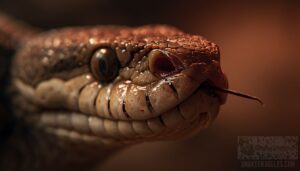
Live prey fights back. Rodents can bite the mouth and face during feeding, leaving puncture wounds that trap saliva and debris beneath the skin. Even without visible punctures, crushing contact causes soft tissue swelling and bruising that darkens over 24-48 hours.
These small wounds seal quickly, sealing bacteria in too—a setup for secondary bacterial infection and mouth rot if untreated.
Retained Shed Near Gums
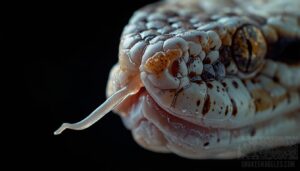
Not every case involves prey or trauma. Sometimes the snake causes its own problem during a bad shed.
When skin sticks at the lip margin, it traps moisture and debris against the gumline, causing gumline inflammation and shed abrasions. Bacterial entry follows fast, with saliva leakage and thickening oral mucus around the stuck fragment. Left alone, this localized irritation often progresses into mouth rot.
Husbandry Problems That Trigger Mucus

Not every case of mouth mucus starts with a pathogen; sometimes the enclosure itself is the problem. Your snake’s habitat setup directly affects its respiratory health and immune defenses. Here’s what to check in your setup first.
Incorrect Temperatures
Temperature drift causes more mucus problems than owners realize. A misplaced thermostat probe reads ambient air instead of surface heat, letting basking spots overheat while cool zones stay too warm. Without a stable thermal gradient, snakes can’t thermoregulate properly, which stresses the immune system and irritates respiratory tissue. Check surface temperatures directly with a temperature gun, not just enclosure readings, and monitor for drift weekly.
Poor Humidity Levels
Humidity swings hit mucus membranes hard, whether you’re too dry or too damp. Below 50%, nasal and oral tissue dries out, triggering irritation and visible wetness. Above 70%, mold growth risks climb fast, especially with poor airflow.
Aim for stable humidity control between 50-70%. Watch substrate moisture retention and evaporation rates daily; humidity fluctuation stress weakens immunity as fast as bad temperatures do.
Dirty Water or Substrate
How often do you actually scrub that water bowl? Left too long, it grows biofilm fast, and cloudy water signals bacterial load your snake drinks and touches with its mouth.
Dirty substrate traps waste too, letting microbial buildup thrive in crevices. Wet bedding can leach chemical residues into gumline contact. Poor husbandry here means contaminated feeding sites and irritated tissue, not just a messy enclosure.
Dusty Enclosure Materials
Dust irritates the respiratory epithelium directly, so bedding dust control matters more than most owners realize. Dry, disturbed paper substrate kicks up fine particles; weak ventilation lets them settle right at mouth level.
Poor ventilation airflow patterns, sharp screen placement, and unclean decor with trapped debris compound exposure, contributing to husbandry problems that trigger visible mucus and irritation.
Stress and Weak Immunity
Stress does more damage than owners assume—it’s not just behavioral. Chronic stress impacts immune function through hormonal immune suppression, dropping lymphocyte counts and weakening antiviral defense. Overcrowding, constant handling, or hide shortages trigger this cascade, leaving snakes vulnerable to pathogen transmission and visible mucus. Good herp husbandry isn’t just enclosure specs; it’s protecting overall animal wellness by minimizing chronic pressure on the immune system.
What to Do Next
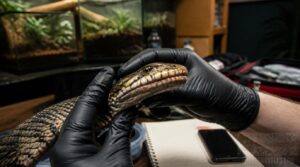
Spotting mucus is only step one; what you do in the next few hours matters more. Some situations call for immediate action, others just need closer monitoring. Here’s exactly how to respond, in order.
Check Breathing Immediately
Watch the throat before anything else — steady, rhythmic movement means air is moving; stillness or gasping doesn’t.
Check for:
- Labored rest breathing
- Open-mouth breathing at rest
- Abnormal sounds (wheezing, clicking, gurgling)
- Bubbles or foam from nose or mouth
Rapid respiratory decline is an emergency urgency trigger — clinical signs of respiratory distress mean you’re on the clock, not just concerned.
Isolate Sick Snakes
Once distress is confirmed, separate the animal immediately into a dedicated quarantine enclosure. Use dedicated tools—tongs, bowls, hides—never shared with healthy collections.
| Do | Don’t |
|---|---|
| Wear gloves per snake | Reuse unwashed tools |
| Wash hands after contact | Skip biohazard waste disposal |
| Disinfect between handling | Assume it’s not contagious |
Nidoviruses and inclusion body disease spread silently. Isolation limits pathogen transmission before diagnosis confirms the cause.
Improve Enclosure Conditions
Isolation buys time, but the enclosure itself needs fixing, or symptoms return.
Check thermal gradients first: basking spots roughly 9°F above ambient. Keep humidity between 50–80% using a hygrometer at eye level, not guesswork. Refresh water daily, spot-clean substrate, and disinfect surfaces weekly. Improve airflow to prevent stagnant, damp air from condensing around the mouth—poor environmental management is often the root cause vets uncover.
Avoid Home Antibiotics
Fixing the enclosure won’t help if you reach for the medicine cabinet next. Mucus in the mouth has too many causes—bacterial, viral, traumatic—for guesswork.
Unconfirmed antibiotic therapy risks:
- Antibiotic resistance from unnecessary use
- Masking root causes like nidoviruses or IBD
- Gut microbiome disruption, killing appetite
Wrong drugs cause misdiagnosis consequences; reptiles need species-specific safety consideration before treatment starts.
See a Reptile Vet
A veterinarian is your best diagnostic tool—no guesswork required. The exam usually starts with weight and activity checks, then moves to the glottis, oral tissue, and palpation for masses. Expect fecal testing, possible X-rays, or sedation for a closer look.
Bring your snake in a warm, secure container, and review your husbandry setup. Twice-yearly checkups catch respiratory disease early.
Frequently Asked Questions (FAQs)
Why do snakes have mouth rot?
Picture bacteria feasting on unhealed tissue for weeks.
Gram-negative bacteria, viral immune suppression, low Vitamin A, mites, and oral trauma from bites or rough substrate all breach compromised tissue, letting infection take hold and progress into painful, visible infectious stomatitis.
What does a snake’s mouth look like?
A healthy mouth shows a flexible mandible, backward-curved teeth, and a smooth pink lining.
The glottis sits forward, staying clear for breathing. Gums stay pale pink; the split tongue senses surroundings. Clear moisture is normal—thick mucus or foam isn’t.
What is the best treatment for a snake’s mouth?
Effective treatment relies on clinical diagnosis through PCR and cultures, followed by targeted antibiotic therapy (3–6 weeks), nebulization for airway delivery, and fluid therapy alongside supportive care.
Never guess—proper veterinary attention determines the right combination for your snake’s specific infection.
How do you know if a snake has a drooling mouth?
Like Sherlock spotting a clue, check when it’s calm, not mid-handling. Dab the moisture—thick, persistent fluid signals illness; thin liquid after drinking usually isn’t. Pair drooling with open-mouth breathing or other clinical signs suggesting respiratory distress.
How to cure snake mouth rot?
Curing mouth rot requires veterinary attention: dilute chlorhexidine rinses, PCR testing to rule out inclusion body disease or bacterial respiratory infection, prescribed antibiotic therapy, nebulization for airway involvement, and supportive fluid therapy—never guess dosages at home.
What does it mean when a snake foams at the mouth?
Ironic, isn’t it—foam looks playful, like soda fizz, but it’s rarely harmless. It signals saliva aeration from trapped air, often paired with airway obstruction signs like open-mouth breathing. Treat it as a respiratory distress red flag, not a quirky habit.
Can snakes hear human voice?
Snakes lack external ears but sense sound through jawbone vibration detection and low-frequency ground-borne vibrations. Human voices register as sound energy, not language.
Since snakes can’t hear your voice as language anyway, getting their environment right matters most—bumblebee ball python care essentials cover the temperature and humidity ranges that actually shape a healthy hatchling.
Since snakes can’t hear voices as words, factors like species, care, and environment play a far bigger role in how long pet snakes typically live than any sound ever could.
Since snakes can’t hear voices as words, desert species instead lean on ground vibrations and thermal cues to survive extreme heat, a survival strategy explored in this guide to how desert snakes adapt to arid habitats.
Loud vocalizations can trigger auditory stress responses, so calm, quiet tones near a sick snake beat shouting every time.
What are common problems with a snake’s mouth?
A healthy mouth looks clean; a troubled one tells a different story.
Common issues include bacterial pathogen types like Pseudomonas, viral immune suppression from inclusion body disease, parasitic oral damage, nutritional gaps, and physical trauma—each triggering mucus, stomatitis, or open-mouth breathing.
How long does snake antibiotic treatment usually take?
Mild bacterial respiratory infections often clear in 5 to 7 days; deeper or more severe cases can require weeks. Duration depends on infection severity, antibiotic route efficacy, and how closely your vet tracks recovery signs during treatment.
Can respiratory viruses like Nidovirus be cured completely?
Not usually. Complete cure is rare — RNA mutation and viral replication limit antiviral effectiveness, so treatment focuses on immune clearance and clinical recovery rather than eliminating the virus entirely, similar to managing inclusion body disease long-term.
Conclusion
Think of that mucus as smoke rising from a fire you can’t yet see—it never tells you everything, but it always tells you where to look. Reading snake mucus around mouth causes correctly means treating color and texture as clues, not verdicts.
Clear fluid often settles on its own; thick, yellow, or foul discharge rarely does. Trust the pattern, act on it quickly, and you’ll protect your snake long before a minor symptom becomes a life-threatening emergency.