This site is supported by our readers. We may earn a commission, at no cost to you, if you purchase through links.
You lean in close to the tank and hear it—a faint whistle, almost like a teapot warming up. Snakes don’t sigh, cough, or clear their throats. So any sound coming from that nose or mouth means something’s off with the airway.
That’s why is my snake wheezing sends so many keepers straight to Google at midnight. Healthy snakes breathe in near-silence, and a shift from that baseline can point to anything from low humidity to a brewing respiratory infection.
Here’s how to read the signs, spot the cause, and know exactly when to act.
For a deeper look at what’s normal versus concerning, this guide on boa constrictor nasal discharge symptoms walks you through each stage clearly.
Table Of Contents
- Key Takeaways
- Snake Wheezing Signals Breathing Trouble
- Common Causes of Snake Wheezing
- Husbandry Problems That Trigger Wheezing
- What to Do Right Away
- Veterinary Care and Prevention
- Frequently Asked Questions (FAQs)
- Why do ball pythons wheeze?
- How does ri affect snakes?
- Why is my snake wheezing?
- Do snakes have respiratory problems?
- Is it normal for snakes to wheeze?
- How to help a wheezing snake?
- Why is my snake making whistling noises?
- Can wheezing go away by itself?
- How long can untreated snake respiratory infections last?
- Can wheezing in snakes spread to other pets?
- Conclusion
Key Takeaways
- Healthy snakes breathe silently, so any wheezing, whistling, clicking, or gurgling signals airway obstruction from mucus, swelling, infection, or blockage that needs attention. If you notice these signs, this guide to recognizing pneumonia in snakes can help you tell early respiratory trouble from normal behavior before it worsens.
- Common causes range from respiratory infections and retained shed near the nostrils to husbandry issues like low temperatures, wrong humidity levels, poor ventilation, dusty substrate, and aspiration after feeding.
- Immediate steps include checking basking temperatures, improving airflow, removing dusty bedding, minimizing handling, and calling a reptile-experienced vet rather than waiting it out.
- Long-term care involves completing prescribed antibiotics fully, using vet-directed nebulization or fluid therapy when needed, quarantining new snakes for 60-90 days, and doing weekly breathing checks to catch problems early.
Snake Wheezing Signals Breathing Trouble
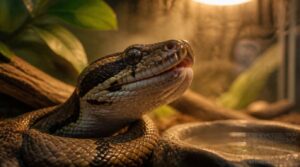
Snakes don’t clear their throats or cough like we do, so any sound at all is worth your attention. Wheezing is your snake’s way of telling you something’s off with its breathing, and it rarely fixes itself without help. Here’s what those warning signs actually look like.
Beyond wheezing, keep an eye out for nasal discharge, open-mouth breathing, and lethargy, which together often point to a respiratory infection that’s outlined in this guide to common snake illnesses and their treatments.
Wheezing is Not Normal
Ever hear your snake breathe and wonder if that sound is normal? It’s not. Healthy snakes breathe silently.
A healthy snake breathes without a sound, so any noise at all means something’s wrong
Wheezing means airway obstruction — something’s narrowing the passage, whether it’s mucus, swelling, or infection. This high-pitched whistling sound usually occurs when air moves through narrowed tubes. Watch for these red flags:
- Whistling on exhale
- Sounds that worsen over days
- Breathing paired with lethargy
- Sudden onset after feeding
Any of these calls for veterinary intervention, not a wait-and-see approach.
Whistling, Clicking, Gurgling
Not all abnormal breath sounds are the same, and each one tells you something different.
| Sound | What It Means |
|---|---|
| Whistling | High airway resistance, narrow passage |
| Clicking | Secretion-induced crackles, uneven airflow |
| Gurgling | Fluid-driven gurgling, liquid in airway |
Track when the sound happens—inhale or exhale—and whether it’s getting louder. That pattern points your vet toward the cause faster.
Nasal Bubbles or Discharge
Bubbles at the nostrils happen when air pushes through mucus—like a tiny soap bubble popping with each breath.
- Clear, watery discharge often means mild irritation
- Yellow-green or foul-smelling secretions suggest infection
- One-sided drainage points to a localized problem
- Thick mucus causes real airflow obstruction
Watch for changes—clear turning colored signals a worsening respiratory infection needing vet attention.
Open-Mouth Breathing
Once bubbles turn to gaping, you’re watching open-mouth breathing—a bigger red flag. Watch for gular pumping, jaw shifts, and throat contractions working overtime.
| Sign | At Rest | Meaning |
|---|---|---|
| Gaping | Yes | Urgent distress |
| Gular pumping | Increased | Labored breathing |
| Dry mouth | Yes | Airway dryness risk |
If it persists while calm, don’t wait it out—call your vet.
Recognizing subtle changes early can make all the difference, so brushing up on the common signs of a sick snake that won’t eat helps you know exactly what to watch for.
Lethargy and Appetite Loss
Why does a wheezing snake suddenly seem so checked-out? Breathing trouble burns energy fast, causing energy balance shifts that leave your snake sluggish, hiding more, and showing reduced exploratory behavior.
Watch tongue-flicking frequency drop too—that’s a real clinical symptom, not laziness.
Appetite loss follows close behind. Combined with dehydration feedback loops and metabolic stress, this signals snake respiratory infection and genuine respiratory distress. Don’t brush it off—call your vet.
Common Causes of Snake Wheezing
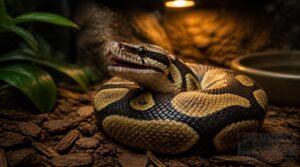
That wheeze coming from your snake isn’t random—something specific is causing it. The trigger could be hiding in their lungs, their nose, or even their last meal. Let’s walk through the usual suspects one by one.
Respiratory Infections
That whistle you’re hearing? It’s often infection at work. Bacterial pathogens like Pseudomonas cause snake respiratory infection with mucus buildup, while lungworms migrate through tissue, dormant viruses activate under stress, and mold thrives in damp tanks.
- Bacterial pathogen identification via vet culture
- Parasitic lung migration causing airway irritation
- Aspiration pneumonia risks from inhaled fluids
Left untreated, respiratory distress worsens—husbandry mistakes often set the stage, but veterinary care catches it early.
Blocked Nostrils
Ever notice your snake breathing on just one side? That’s often Nasal Mucus Buildup narrowing the airway—swelling or discharge causes Airflow Turbulence, producing whistling.
One-sided Nasal Blockage points to localized trouble, not full respiratory infection signs. You’ll spot wheezing worsen at rest, sometimes with Compensatory Mouth Breathing kicking in when nostrils simply can’t move enough air through.
Retained Shed Near Nares
That papery scrap of old skin stuck by the nostrils? It’s often the real culprit. Retained shed can create a partial seal, causing nasal airflow turbulence and trapping mucus against tender tissue. Watch for:
- Crusty film at nostril rims
- Worse wheezing post-shed
- Nose rubbing/scratching
- Sudden noisy breathing
Remove it gently, then monitor breathing closely.
Dusty Bedding Irritation
Sometimes the enclosure itself is the problem. Loose, powdery substrates kick up fine particles every time your snake moves, and those settle straight into delicate airway tissue.
High substrate dust levels cause inflammation, extra mucus, and that telltale wheeze.
Choose bedding rated for respiratory irritant management, keep it clean, and watch habitat maintenance closely—your snake’s lungs will thank you.
Aspiration After Feeding
Feeding time can turn risky fast: a wrong swallow sends food or fluid straight into the airway instead of the stomach.
Silent aspiration often shows no cough—just wheezing afterward. Watch for:
- Wet, congested breathing post-meal
- Wheezing during recovery
- Reflux-driven contamination
- Recurring feed-linked symptoms
- Signs pointing toward aspiration pneumonia
Left unchecked, this snake respiratory illness pattern demands veterinary care before it worsens.
Husbandry Problems That Trigger Wheezing

Sometimes the problem isn’t sickness at all — it’s the setup your snake lives in every day. Small mistakes in temperature, moisture, and airflow can stress the respiratory system just as much as any germ. Here’s what to check in the enclosure itself.
Temperatures Too Low
Cold enclosures are one of the biggest husbandry mistakes behind wheezing. Your snake needs a proper thermal gradient to thermoregulate—when the warm side dips too low, digestion slows and immunity drops.
Causes include thermostat calibration errors, improper probe placement, heating element decay, and seasonal ambient shifts. Check surface heat accuracy directly, not just air temperature, since inadequate temperatures at basking spots often trigger real thermoregulation issues and breathing trouble.
Humidity Too Dry
Air that’s too dry pulls moisture straight from your snake’s nasal lining, leaving tissue irritated and prone to sticky secretion buildup. Below 30-40% humidity, mucus thickens fast—narrowing airways and causing those wheezing sounds you’re hearing. It also raises shed obstruction risks near the nares.
Watch for dryness stress indicators like frequent gaping or reduced appetite; they often mimic respiratory infection signs, but humidity control usually clears things up.
Humidity Too Damp
Too much moisture is just as risky as too little. When enclosure air stays saturated, it fuels microbial growth on damp bedding and creates condensation once warm air hits cooler surfaces. That wet substrate breeds mold, and inhaled spores irritate airways fast.
Tracking a terrarium humidity gradient with two hygrometers—placed at opposite ends—helps you catch dangerous spikes before damp air turns into a breeding ground for mold.
Watch for musty odors or damp corners—early clues that excessive humidity is behind those wheezing sounds, not infection.
Poor Enclosure Ventilation
Here’s the thing about damp air: it usually can’t leave. Poor ventilation traps stagnant zones where moisture, dust, and exhaled air just linger near your snake’s breathing zone.
Check your vent placement—if openings sit too close together or only on one side, air short-circuits instead of flowing through. Add cross-ventilation and watch condensation drop within days.
Smoke or Chemical Exposure
Ever notice wheezing right after you light candles or spray air freshener nearby? That’s not coincidence—particulate airway irritation and volatile gases inflame delicate tissue fast.
Watch for:
- Coughing or wheezing post-exposure
- Carbon monoxide danger from indoor burning
- Thirdhand smoke residue on tank surfaces
- Household cleaner fumes drifting into airflow
Remove the source immediately. Untreated, mild irritation can spiral toward respiratory failure.
What to Do Right Away
Hearing that wheeze is scary, but don’t panic just yet. There are a few quick checks you can run right now, before you even pick up the phone. Here’s exactly where to start.
Check Warm-Side Temperature

A cold snake can’t fight off illness — heat is medicine here. Grab a probe thermometer, place it right where your snake basks (not just hanging in air), and confirm it hits the proper ideal temperature zone.
| Reading | Meaning | Action |
|---|---|---|
| Too low | Weak immunity | Raise heat, add thermostat |
| Just right | Healthy gradient | Maintain, monitor nightly |
| Too high | Stress risk | Adjust, recheck placement |
Improve Clean Airflow

Stale air lets irritants linger near your snake’s nose and mouth, so give that enclosure some real air exchange. Aim for gentle cross-ventilation, not a direct blast.
- Improve airflow paths so air sweeps low, not straight at your snake
- Check and clean filters monthly
- Eliminate stagnant zones behind hides
- Use safe fan placement, angled away
- Balance humidity control with fresh air
Remove Dusty Substrate

Dust is sneaky — it settles on bedding, then rides right into your snake’s airway with every breath.
Move your snake to a temporary low-dust container while you clean, using paper towels instead of loose substrate.
Scoop bedding gently rather than stirring it up.
Wipe surfaces with a damp cloth to stop recontamination, and choose low-dust substrate from now on.
Keep Handling Minimal
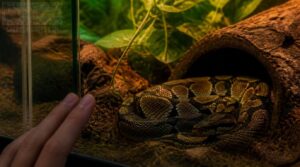
Your first instinct might be to scoop up a wheezing snake and inspect it nose-to-tail — resist that urge.
Handling raises stress hormones, which tightens breathing further and makes wheezing sounds worse, not better.
- Watch from outside the enclosure
- Skip handling right after feeding
- Avoid moving the snake during active symptoms
- Let it rest undisturbed to recover
Disturbance-free recovery helps more than hands-on checking ever will.
Call a Reptile Vet
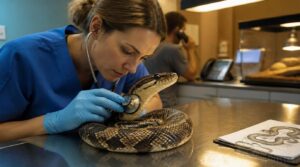
Watching and waiting only buys you so much time — wheezing means respiratory distress, and that calls for a professional set of eyes.
Not every clinic treats reptiles, so verify species expertise before booking.
| Ask This | Why It Matters |
|---|---|
| Do you treat snakes? | Confirms real reptile experience |
| Emergency hours? | Speeds up urgent care |
| Need history notes? | Preps for clinical diagnosis |
| Antibiotics stocked? | Ensures veterinary-grade treatment |
Veterinary Care and Prevention

Once you’ve handled the immediate stuff at home, it’s time to think bigger picture. Getting your vet involved isn’t just about fixing today’s wheeze—it’s about making sure it doesn’t come back. Here’s what proper care and prevention actually look like.
Antibiotics When Prescribed
If your vet confirms a bacterial infection, you’ll get veterinary-grade antibiotics like Enrofloxacin or Ceftazidime — never leftover human meds.
Dosing schedule matters as much as the drug itself, so follow timing exactly. Always complete the full course, even if breathing improves early. Skipping doses invites antibiotic resistance and treatment failure, which is why your vet monitors progress throughout.
Nebulization and Fluids
When antibiotics are in play, your vet may also use nebulization—delivering saline mist straight to your snake’s airway. This helps loosen mucus, but too much can block airways, especially if droplet size or breathing pattern isn’t right. Fluid therapy—usually under the skin—keeps your snake hydrated and aids recovery from respiratory distress. Some cases call for oxygen therapy.
- Nebulization delivers saline mist to airways
- Correct droplet size is key for lung reach
- Too much water can block small airways
- Fluid therapy prevents dehydration
- Oxygen therapy helps with severe cases
Quarantine New Snakes
Oxygen and fluids treat the snake in front of you—quarantine protocols stop the next one from getting sick too.
New arrivals need 60 to 90 days isolated, with dedicated hooks, tongs, and cleaning tools to prevent cross-contamination. Add fecal screening (more than once, since shedding is spotty) and strict biosecurity between handling areas. It’s cheap insurance against pathogen transmission—and honestly, zoonotic disease prevention protects you, too.
Weekly Breathing Checks
Quarantine keeps new pathogens out—weekly breathing checks catch trouble in the snakes you already trust.
Same routine every time: monitoring sound changes, comparing this week’s breathing to last week’s. Note new noises, labored breathing, or louder wheezing. Track appetite trends and activity levels alongside it.
This simple habit—call it preventative care—turns snake wheezing from a surprise into something you catch early, before clinical symptoms escalate.
Frequently Asked Questions (FAQs)
Why do ball pythons wheeze?
Bacterial pathogens, migrating parasites, dormant viruses, or simple aspiration risks from food and water can all irritate your ball python’s airway — causing mucus buildup, wheezing sounds, and true respiratory distress that warrants prompt veterinary care.
How does ri affect snakes?
Radionuclide ingestion and soil contamination raise biological stress, but that’s not your wheezing culprit. Underground exposure varies by species sensitivity—snake respiratory infection, labored breathing, and improper environmental conditions cause those sounds, not radiation levels.
Why is my snake wheezing?
That whistling or clicking sound means abnormal airflow through your snake’s airways — often from mucus buildup, infection, or blockage. It’s a respiratory distress signal, not normal noise, and usually points toward a developing snake respiratory infection needing prompt attention.
Do snakes have respiratory problems?
Yes—snakes can definitely get "hiss-terical" over breathing trouble. Without a diaphragm, they rely on rib muscles alone, so mucus clearance stays inefficient.
Airway obstruction disrupts gas exchange, causing labored breathing, wheezing sounds, and full-blown snake respiratory infections needing prompt vet care.
Is it normal for snakes to wheeze?
No, it isn’t. Normal breathing sounds silent — any audible airway noise signals respiratory distress. Snake wheezing, clicking, or gurgling points to a possible snake respiratory infection or labored breathing, so don’t brush it off as harmless.
How to help a wheezing snake?
Think of it like treating a stuffy cold: fix the room first — warm temps, right humidity, clean airflow — then call your vet for nebulization therapy and possible antibiotics. Keep handling gentle, hydration steady, and watch closely for recovery progress.
Why is my snake making whistling noises?
That squeaky sound usually means airway obstruction—air’s squeezing through narrowed nasal passages. It often signals mucus buildup, irritation, or early respiratory infection signs.
Don’t ignore it; combined with gurgling or labored breathing, it points toward inflammation needing prompt attention.
Can wheezing go away by itself?
Waiting it out won’t make your snake shed its wheeze like old skin. This almost never resolves on its own—it usually signals respiratory infection or an environmental trigger. Gurgling, labored breathing, or lethargy means it’s time to call your vet, not wait.
How long can untreated snake respiratory infections last?
Days, not hours—but don’t gamble on it. Untreated snake respiratory infections can worsen fast, sliding from gurgling sounds and labored breathing into pneumonia, sepsis, or full respiratory failure within one to two weeks without care.
Can wheezing in snakes spread to other pets?
Picture two ball pythons sharing a rack—one wheezes, and days later its neighbor does too. Yes, it can spread: aerosolized pathogens, shared tools, or mite vectors carry infection between snakes and even other pets through poor hygiene.
Conclusion
A wheeze is like smoke curling from under a door—small, but never ignore it. Behind it might be a candle, or a house catching fire. So when you’re asking why is my snake wheezing, treat that whistle as your smoke detector, not the whole story.
Check the tank, watch your snake, and act fast if things don’t clear. Most cases resolve with simple fixes. Some need a vet. Either way, silence should always return.