This site is supported by our readers. We may earn a commission, at no cost to you, if you purchase through links.
A snake that suddenly hisses at your hand isn’t being mean. It’s telling you, in the only language it has, that something feels wrong. Most snake owners miss the warning signs entirely, because they show up long before the hiss, in a coil that’s too tight or a tongue that’s flicking too fast.
That gap between what your snake shows and what you notice is where trouble grows. Learning snake body language stress signs gives you a head start, letting you ease a bad situation before it turns into a bite or a health crisis. From rigid muscles to glass surfing, here’s what your snake’s been trying to tell you all along.
Table Of Contents
- Key Takeaways
- Relaxed Vs. Stressed Snake Body Language
- Defensive Postures That Signal Fear
- Behavioral Red Flags Beyond Posture
- Environmental Triggers Behind Stress Signs
- When to Involve a Reptile Vet
- Frequently Asked Questions (FAQs)
- How to tell when a snake is stressed?
- What is a snake’s body language when aggressive?
- Can snakes sense if you’re nervous?
- How to tell snake body language?
- Can stress in snakes cause premature or failed shedding?
- Do different snake species show stress differently?
- How long does it take a snake to de-stress?
- Can prolonged stress shorten a pet snakes lifespan?
- Are juvenile snakes more prone to stress than adults?
- Conclusion
Key Takeaways
- Stress shows up long before a hiss or bite, so watch for tight coils, rigid muscles, and rapid tongue flicking as your earliest warning signs.
- Defensive postures like hissing, puffing up, S-shaped strike coils, and head flattening are your snake’s way of saying "back off," not an invitation to interact more.
- Behavioral changes such as persistent hiding, appetite loss, glass surfing, or biting without a feeding attempt often point back to something wrong in the enclosure itself.
- Most stress traces back to fixable environmental issues like temperature swings, cramped space, missing hides, or inconsistent handling, so check husbandry first before assuming a medical problem.
Relaxed Vs. Stressed Snake Body Language

Your snake’s body tells you exactly how it feels, if you know what to watch for. A calm animal and a stressed one move, coil, and hold their head in completely different ways. Here’s what to look for, starting with the good stuff: what relaxed actually looks like.
A relaxed snake typically moves in smooth, unhurried curves and flicks its tongue steadily to explore its surroundings, as this guide to snake health and behavior explains in more detail.
Loose Coils and Calm Posture
Ease shows up in the small stuff. A snake at rest settles into loose coils, neck tucked in a gentle curve, tail resting light on the substrate.
| Sign | What You’ll See |
|---|---|
| Head | Level, soft brow |
| Movement | Slow, deliberate |
| Breathing | Subtle, even expansion |
Calm exploration means confident, stretched-out resting, not a tightly wound body. That’s your baseline for "content.
Tense, Rigid Body Signals
Flip that calm picture and you get something tighter. A stressed snake pulls into a tight coil, spine locked stiff, tail pressed flat against the surface. Muscle rigidity cues show up fast, ribs fixed, breathing shallow and rapid.
| Sign | Relaxed | Stressed |
|---|---|---|
| Spine | Loose curve | Rigid line |
| Breathing | Even | Shallow, rapid |
| Coils | Open | Tight, locked |
Normal Vs. Rapid Tongue Flicking
That forked tongue tells you more than most handlers realize. Normal flicking moves slow and steady, sampling scent for routine checks. Rapid flicking comes in quick bursts, under a second each, signaling stress or a startle response.
| Flick Type | What It Means |
|---|---|
| Normal | Calm, relaxed exploration |
| Rapid | Alertness, possible threat |
| Sudden shift | Watch closely |
Slow Exploration Vs. Erratic Movement
Watch how your snake covers ground. Slow exploration means steady head advancement, loose curves, and frequent pauses to scan, all signs of curiosity, not fear.
These unhurried movements are one of several signs your snake feels safe in its environment, worth learning to read confidently.
Erratic movement looks different: sudden bursts, sharp direction changes, choppy undulation. Add rapid breathing or a tight coil, and you’ve got a stressed animal.
| Pace | Meaning |
|---|---|
| Slow, steady | Calm curiosity |
| Frequent pausing | Cautious surveying |
| Sudden bursts | Environmental triggers |
| Choppy undulation | Sensory overload |
| Frantic movement | Escape response |
Defensive Postures That Signal Fear
When a snake feels cornered, its body starts sending clear warnings before anything else happens. These postures aren’t random, they follow a predictable pattern you can learn to read. Here’s what to watch for when fear takes over.
Hissing and Air Expulsion
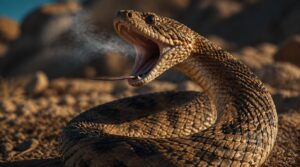
That sharp hiss means one thing: back off. Snakes force air through the glottis, producing a sibilant warning between 1.5 and 4.0 kHz. Volume depends on body diameter and breath force, while duration signals stress intensity, rapid repeated hisses mean higher alarm.
Often paired with musking, rapid breathing, or open-mouth gaping, it’s a clear defensive cue. Give space immediately. The hiss functions as a snake warning sound snake warning sound.
Puffing Up and Body Arching

A startled snake looks bigger fast. Body size enhancement kicks in as ribs expand and girth rises, while arching adds a menacing side profile.
This arching with hissing combo, tight coils, rigid spine muscles, holds several seconds to a minute. Puffing duration factors depend on threat proximity.
Give ground immediately, these defensive displays mean "stay back," not "come closer.
S-Shaped Strike-Ready Coils
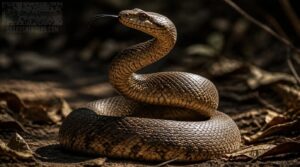
When arching fails to buy space, the snake shifts into its strike-ready coil, a reversed S with the head elevated and tail anchored for advantage. Muscles tense visibly along the curve. Respiration slows. The tail locks against the substrate, fine-tuning aim without breaking form. This isn’t random tension, it’s controlled, purposeful readiness. Give it room.
When arching fails, a snake coils into a reversed S, tail anchored, head raised, ready to strike with controlled precision
Triangular Head Flattening
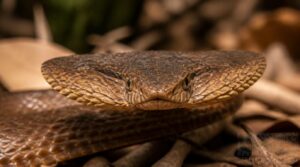
A cobra’s hood is defensive mimicry at its finest, but many species flatten without one. This triangular head flattening widens the jaw, presses edges downward, and sharpens the snout to a point.
- Head held slightly elevated
- Neck tucked, body still
- Reversible once the threat clears
Timing matters. Sustained flattening signals real stress indicators, not a passing twitch.
Behavioral Red Flags Beyond Posture
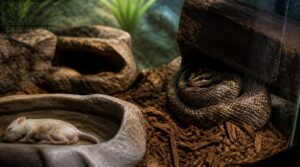
Posture only tells part of the story. Your snake’s daily habits, from hiding spots to feeding patterns, reveal just as much about how it’s coping. Here are four behavioral changes worth watching closely.
Persistent Hiding or Freezing
A hide that never empties tells its own story. Persistent hiding beyond normal patterns, especially paired with refusal to eat, signals real trouble.
Watch hiding duration patterns: hours are normal, days aren’t. Note freezing response triggers, sudden sounds, shadows, footsteps. Stress-induced immobility plus reduced escape attempts often means shelter seeking behavior has replaced exploration entirely. If freezing persists alongside defensive behavior or respiratory signs, reconsider recent enclosure changes.
Appetite Loss and Feeding Refusal
A snake that ignores food it once lunged for is telling you something. Refusal to eat outside normal seasonal fasting, paired with lost feeding anticipation, points to stress-induced anorexia.
Check for:
- Wrong prey size
- Recent handling spikes
- Enclosure changes
- Hidden illness signs
Run a quick health check, adjust the feeding schedule, and monitor the response before assuming the worst.
Repetitive Pacing or Glass Surfing
That constant back-and-forth against the glass isn’t exercise, it’s distress. Glass surfing signals inadequate enrichment or temperature gaps.
| Sign | Calm Snake | Stressed Snake |
|---|---|---|
| Path | Varied | Repetitive |
| Tail | Still | Twitching |
| Duration | Brief | Hours |
Fix hides, gradients, and handling frequency before it escalates toward frantic movement or tight coils.
Non-Feeding Bites and Lunging
A bite without a feeding attempt is fear talking, not hunger. Watch for tight coils and strike posture, then a quick lunge and rapid withdrawal, no pursuit.
Sudden movements, rough handling, or bright lights trigger it. Prevention means calm approach, hooks instead of hands, and reading tension before reaching in.
Environmental Triggers Behind Stress Signs

Body language doesn’t happen in a vacuum. Most stress signals trace back to something in the enclosure itself, not the snake’s temperament. Here’s what to check first.
Temperature and Humidity Imbalances
Two invisible factors, temperature and humidity, drive more stress than most keepers realize. Poor thermal gradient disrupts basking behavior; swings over 5-10°C daily cause erratic thermoregulation. High humidity plus heat raises wet bulb temperature, straining snakes. Low humidity dries skin, causing shedding problems.
- Restless pacing near the warm zone
- Cloudy, dull shed skin
- Erratic basking, then hiding
- Labored, open-mouth breathing
Check husbandry first.
Enclosure Size and Enrichment Gaps
Space matters just as much as heat. A properly sized enclosure lets your snake extend fully and coil without wall contact; cramped tanks force constant contact, raising stress.
Enclosure size impact shows fast: pacing, wall-rubbing, restlessness. Add climbing branches, varied hides, and textured substrate. Environmental enrichment benefits include calmer posture and steadier feeding, so rotate enrichment every 2-4 weeks to keep curiosity alive.
Handling Frequency and Habitat Changes
How often you handle your snake shapes its stress levels more than most owners realize. Frequent handling, especially with new snakes, triggers defensive behavior and body tension.
Sudden habitat changes, like rearranged furniture or new substrate, spike stress indicators in snakes too. Stick to a predictable routine; gradual habitat adjustment beats abrupt overhauls for genuine stress reduction.
Missing Hides and Rough Surfaces
A snake without a hide is a snake that never fully relaxes. Hiding spots essential for thermal regulation and stress relief; rough substrate risks skin abrasion too. Watch for:
- Constant vigilance instead of rest
- Ventral scale wear from coarse surfaces
- Reluctance to bask or explore
Give it shelter microhabitats at multiple temperatures, smooth textures, and real reptile environmental enrichment benefits follow.
When to Involve a Reptile Vet
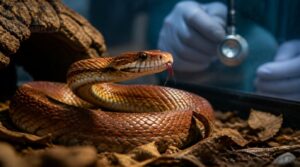
Some stress signs settle down once you fix the environment, but others don’t budge no matter what you change. That’s your cue to stop guessing and start paying closer attention. Here’s how to tell the difference, respond at home, and know what a vet visit might cost you.
Medical Vs. Behavioral Stress Signs
Not all stress looks the same under the hood. Medical stress hits fast: appetite loss within 24 hours, respiratory distress, gaping, and a 40% immune function drop.
Behavioral stress creeps slower, feeding strikes lasting days before refusal, weight loss over weeks. Watch for frantic movement, repeated striking, or musking. Bloodwork reveals cortisol shifts and digestive enzyme decreases vets can measure.
Helpful Ways to Respond at Home
Not every stressed snake needs a vet visit right away. Start with a quiet, secure space, dim light, stable temps, and gentle handling.
Use a supportive towel, keep sessions short, and watch closely. Signs of recovery include calm exploration, head resting on coils, consistent appetite, complete sheds, and no defensive S-curve posture.
Typical Vet Visit Cost Range
A reptile vet visit won’t break the bank, but costs climb fast once testing starts.
- Exam fee: $40–$80 baseline
- Bloodwork: $70–$180 add-on
- Emergency visit: $100–$600 if untreated
Watch for reptile weight loss or mouth swelling, common snake vet visit triggers. Insurance coverage options can offset bigger bills, but routine exams stay affordable.
Frequently Asked Questions (FAQs)
How to tell when a snake is stressed?
Fear rarely announces itself outright. Watch for frantic movement, rapid breathing, hissing, musking, or repeated striking, tight coil stress signals, and open-mouth gaping distress, these behavioral and physiological cues reveal genuine unease better than any single posture alone.
What is a snake’s body language when aggressive?
An aggressive strike posture raises the neck into a tight S-shape, fangs bared. Expect warning hissing sounds, a fixed threat gaze, and rapid breathing as the snake locks into a strike-ready stance, coiled and tense.
Can snakes sense if you’re nervous?
Your jitters ripple outward like heat off pavement, and yes, snakes pick up on it. Elevated body heat, jerky movement, and sudden noise all trigger tense coils, rapid breathing, or a frantic escape attempt.
How to tell snake body language?
Watch body tension, coil tightness, and head position. Loose muscles and level heads mean calm. Track tongue flick rhythm and movement smoothness too, since erratic pacing or rigid posture often signal rising stress responses.
Can stress in snakes cause premature or failed shedding?
Roughly 20% of captive snake sheds come out incomplete. Yes, stress disrupts the shedding cycle: humidity stress and appetite loss trigger skin retention issues, leaving patchy sheds that signal deeper environmental or emotional strain.
Do different snake species show stress differently?
Yes. Species variation shapes everything: cobras hood, colubrids puff, desert dwellers seek cool retreats while tropical snakes get busier. Hormonal timing differs too.
Learning your snake’s baseline helps you tell genuine fear from ordinary quirks, and a scared snake can calm again.
How long does it take a snake to de-stress?
Minutes to hours for minor upsets, but true trust takes 4 to 8 weeks. A stable, properly sized enclosure, full temperature gradient, and gentle handling with consistent routine speed calm reintroduction and lasting recovery.
Can prolonged stress shorten a pet snakes lifespan?
Can chronic tension really steal years from your snake’s life? It can. Prolonged stress raises cortisol, weakens immune defenses, fuels chronic inflammation, and disrupts reproduction, cutting lifespan by an estimated two to three years.
Are juvenile snakes more prone to stress than adults?
Younger snakes definitely run hotter on the stress scale. Expect sharper juvenile stress sensitivity, bigger temperature swings in reaction, slower recovery time after handling, and higher feeding refusal rates than you’d see in a settled adult.
Conclusion
A snake’s body is its own kind of body copy, and once you learn to read between the lines, the message is clear. Every coil, hiss, and flick tells you something real about comfort or fear.
Watching snake body language stress signs closely turns guesswork into genuine understanding. You don’t need to be a herpetologist to notice tension building. You just need to pay attention.
Respond early, adjust the habitat, and call a vet when instincts fall short. Your snake’s trust depends on it.