This site is supported by our readers. We may earn a commission, at no cost to you, if you purchase through links.

Open a fresh liner two hours after your ball python defecates, and you’ll catch something telling: the surface feels dry, but the padding underneath is soaked through. That’s capillary wicking at work, pulling liquid off the top before it pools and hardens into a crust.
It’s also why the odor question trips up so many keepers. Ammonia doesn’t vanish because the surface looks clean, it just sinks and waits, feeding bacteria in seams and folds you can’t see. So do substrate liners help with odor control, or just hide the problem for a few extra days?
The honest answer sits somewhere between the two, and it depends on fiber type, wash frequency, and how fast you catch a soiled spot. Here’s what actually happens beneath that liner surface.
Table Of Contents
- Key Takeaways
- Do Substrate Liners Control Snake Enclosure Odors?
- Which Liner Materials Reduce Odors Best?
- Top 6 Substrates for Odor Control
- Clean Liners Without Trapping Odors
- Choose Safe Odor-Control Liners
- Frequently Asked Questions (FAQs)
- What is the most powerful pet odor eliminator?
- What is the best bedding for rats to reduce odor?
- What is an effective odor eliminator for reptiles?
- How much does liner installation and trimming cost?
- Can newspaper liners be composted after use?
- How often should liner substrate be fully replaced?
- Do liners provide joint or cushioning comfort benefits?
- What tools are safest for trimming enclosure liners?
- Conclusion
Key Takeaways
- Liners only slow down odor, they don’t eliminate it, so a fresh-looking surface can still be hiding trapped ammonia underneath.
- Fiber type matters a lot: options like hemp, fleece, and treated paper wick moisture and resist bacteria far better than loose bedding does.
- Timing is everything, pulling waste within an hour and rinsing liners weekly keeps bacteria from ever getting a foothold.
- Even the best liner fails once it’s fully saturated, so matching species needs, drying liners completely, and replacing them on schedule are what actually keep smells away for good.
Do Substrate Liners Control Snake Enclosure Odors?
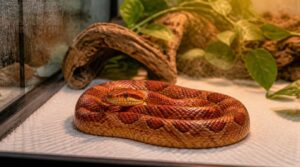
Short answer: yes, but only if you use them right. Liners trap waste and slow down the funk before it spreads through your enclosure, though they’re not magic. Here’s exactly how that works, section by section.
Swapping soiled liners for fresh ones takes seconds once you’ve got the right snake enclosure setup dialed in.
How Liners Absorb Liquid Waste
Picture urine hitting a liner: microfibers grab it fast, pulling liquid off the surface through capillary wicking action before it pools. Quick-soaking fibers draw moisture into the inner part, not just the top layer.
That’s fiber absorption capacity at work. Capillary channels create liquid transport pathways deeper into the liner matrix, a moisture sequestration mechanism keeping your washable substrate genuinely absorbent, not just damp on top. Just as a data-centered observation approach sharpens attention to fine details in research, closely watching how quickly a liner wicks moisture can reveal a lot about its long-term odor performance.
How Liners Slow Odor Diffusion
Once liquid’s trapped, the real work starts. That absorbent center function creates a moisture gradient, slowing diffusion so volatile compounds stay locked below the surface instead of drifting upward.
Think of it like:
- A sponge holding smell hostage
- Vapor stuck behind a damp wall
- Odor molecules losing momentum
- Fumes trapped mid-escape
This diffusion rate reduction is why washable substrate outperforms loose bedding for odor control.
Why Odors Return Between Cleanings
Wipe the surface clean and the smell often creeps back by morning. Why? Hidden moisture pockets seep into seams, feeding microbial biofilm formation you can’t see.
| Odor Culprit | Effect |
|---|---|
| Trapped moisture | Sustains bacteria |
| Biofilms | Resist wiping |
| Porous absorption | Delays release |
| Humidity | Speeds desorption |
| Warm spots | Reactivates odor |
Liners Versus Loose Substrates
So how do liners stack up against loose substrate? Loose bedding lets microbes roam free, decomposing waste wherever it lands.
Waste containment efficiency changes that equation: liners corral liquid in one zone instead of letting it seep through aspen or coconut fiber. Less substrate interaction means fewer odor diffusion barriers to fail, and washable liners cut cleanup labor dramatically compared to full substrate swaps.
When Liners Cannot Control Odor
Even the best liner has a breaking point. Once liquid waste saturates deeper layers, it escapes past the barrier, triggering anaerobic microbial growth, mold, and waterlogging.
Watch for these failure signs:
- Compaction reducing airflow
- Absorbency limits exceeded daily
- Odor resurgence between cleanings
Cleaning timing impacts everything, delay removal and bacteria win.
Which Liner Materials Reduce Odors Best?
Not every liner earns its keep in the odor department. Some materials trap moisture and smell, while others pull it away and hold it. Here’s how the main contenders stack up.
Paper Liner Absorbency
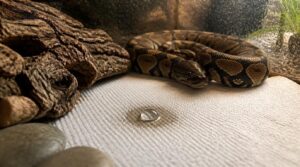
Not all paper is equal in a snake tank. Capillary action speed and fiber mix determine how fast urine vanishes before it pools.
If you’re weighing paper towels against loose substrates for absorbency and odor control, this king snake care sheet breaks down which bedding options actually hold up over time.
Softwood-hardwood mixes boost wet strength retention, resisting tears at saturation thresholds.
Humidity compatibility matters too, soggy climates overwhelm even absorbent liners.
Choose paper liners rated for rapid uptake, and odor control follows naturally.
Reusable Fabric Liner Performance
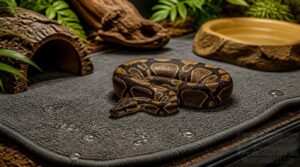
A reusable substrate liner earns its keep through fabric absorbency layers that pull liquid off the surface fast. Moisture wicking efficiency matters most, dense fleece traps waste in interstitial voids so odor-causing bacteria can’t thrive.
Stitching reinforcement edges stop fraying, and colorfast fabric durability survives 50+ machine wash cycles. Washable, nontoxic reptile enclosure flooring like this controls odor control without constant replacement.
Antimicrobial Treatment Effectiveness
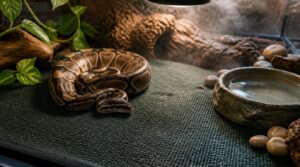
Not all liners fight bacteria the same way. Silver-treated fabrics knock out pathogens fast, while enzyme coatings offer longer enzyme longevity, working steadily between washes without reapplication.
Humidity impact matters too. High moisture can shorten treatment reactivation cycles, so washable, nontoxic liners with proven microbe selectivity keep odor control effective without harming beneficial bacteria your snake’s enclosure needs.
Porosity and Thickness Differences
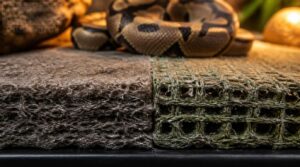
Think of porosity as a liner’s lung capacity. Tighter pore size limits airflow resistance, trapping odor near the surface, while looser weaves breathe but sacrifice moisture retention.
Thicker mats boost material density and absorb more waste, though they dry slower.
A nonabrasive, medium-thickness liner usually balances odor control best for everyday snake enclosure upkeep.
Disposable Versus Washable Liners
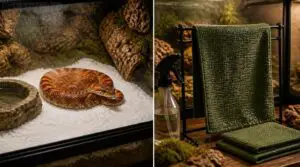
Disposable or washable? It comes down to convenience versus cost.
Disposable liners need no cleaning but generate ongoing waste.
Washable liners cost more upfront, yet regular rinsing and air-drying stretch their lifespan for years, cutting long-term expense and environmental impact while keeping odor control consistent through proper reptile hygiene and maintenance effort.
Top 6 Substrates for Odor Control
Not every substrate controls odor the same way, so picking the right one matters more than you’d think. Some rely on absorbency, others on natural fibers or antimicrobial properties to keep smells in check. Here are six options worth putting in your enclosure.
1. GuineaDad Reusable Fleece Liner
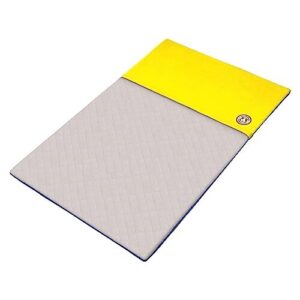
If your snake shrugs off newspaper by day three, try the GuineaDad Reusable Fleece Liner instead. Its bamboo fleece wicks moisture off the surface fast, keeping bellies dry while the waterproof bottom stops seepage into your substrate below.
At 41 by 27 inches, it fits most standard enclosures. Machine washable and good for roughly six days between cleanings, it cuts odor buildup without the daily mess loose bedding demands.
| Best For | Guinea pig owners who want a reusable, low-mess bedding option that keeps their pet’s habitat dry and comfortable between cleanings. |
|---|---|
| Material | Bamboo blend fleece |
| Odor Control | Moderate, needs frequent washing |
| Dust Level | Low, fabric-based |
| Biodegradable | Not specified |
| Target Animals | Guinea pigs |
| Reusability | Reusable, washable |
| Additional Features |
|
- Liquid-wicking top layer keeps the surface dry while the waterproof bottom protects cage floors and furniture
- Machine washable and reusable, lasting up to 6 days between washes and saving money over disposable bedding
- Soft bamboo blend fleece with built-in pockets gives guinea pigs a comfortable surface for burrowing and play
- Requires regular washing, as odor can develop if not cleaned within 4 to 5 days
- May shrink if dried on high heat, so low heat or air drying is recommended
- Higher upfront cost than traditional bedding, and durability declines over time, often needing replacement after 1 to 2 years
2. Carefresh Natural Paper Bedding
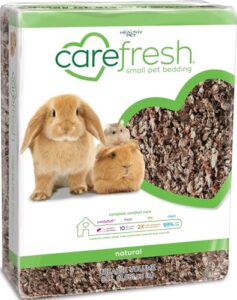
Prefer disposable to washing fleece? Carefresh Natural Paper Bedding gives you that option without sacrificing performance. Made from reclaimed paper fiber, it’s roughly twice as absorbent as wood shavings and stays 99% dust-free, easing respiratory strain in enclosed spaces.
Its built-in odor formula suppresses ammonia for up to 10 days, absorbing liquid at the source rather than masking smell after the fact. At $2 per liter roughly, it costs more than shavings but composts fully, a fair trade for hands-off odor control.
| Best For | Owners of guinea pigs, rabbits, hamsters, gerbils, rats, mice, chinchillas, or ferrets who want a soft, low-dust, eco-friendly bedding without the hassle of washing fleece. |
|---|---|
| Material | Reclaimed paper fiber |
| Odor Control | Up to 10 days |
| Dust Level | 99% dust-free |
| Biodegradable | Yes |
| Target Animals | Small mammals |
| Reusability | Single-use |
| Additional Features |
|
- Twice as absorbent as wood shavings, keeping habitats drier with fewer soggy messes
- 99% dust-free and chemical-free, helping reduce respiratory irritation
- Suppresses ammonia odor for up to 10 days while staying fully biodegradable and compostable
- Pricier than conventional wood shavings or paper pellets
- Texture may feel harder than softer bedding alternatives for some small animals
- Not well-suited for larger animals or pets that need very deep bedding
3. Natural Aspen Pet Bedding
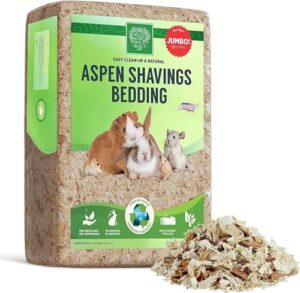
Budget matters too, and that’s where aspen earns its spot on this list. Small Pet Select’s shavings run 100% heat-dried natural aspen, free of dyes and added scents, so you won’t fight foreign odors competing with waste smell.
Absorbency comes from fine fiber structure, soaking multiple times its weight in moisture. Just watch humidity levels: aspen retains dampness in wetter enclosures, inviting mold if you skip daily fluffing and spot removal.
| Best For | Owners of rabbits, guinea pigs, hamsters, and reptiles who want an affordable, natural bedding option for indoor or outdoor enclosures. |
|---|---|
| Material | Aspen wood shavings |
| Odor Control | Natural, moderate |
| Dust Level | Low-dust |
| Biodegradable | Yes |
| Target Animals | Rabbits, guinea pigs |
| Reusability | Single-use |
| Additional Features |
|
- 100% heat-dried natural aspen with no dyes, chemicals, or added scents
- Low-dust and highly absorbent, helping control odors naturally
- Biodegradable, so it’s easy to dispose of in compost or garden waste
- Can be dusty and have a strong mulch-like smell in some batches
- Not ideal for high-humidity setups, where moisture retention can lead to mold
- Needs occasional sifting or spot cleaning to remove larger or sharp wood pieces
4. Dominion Hemp Chicken Bedding
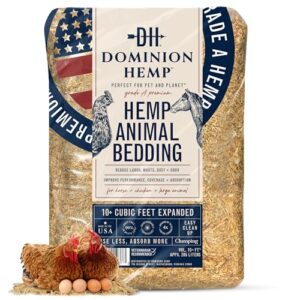
Yes, chicken bedding earns a spot on a snake list. Dominion’s hemp fiber absorbs four times its weight in moisture, wicking urates to the bottom while the surface stays dry.
That 99% low-dust formulation matters for respiratory health, and hemp’s insulative quality helps hold warmth in basking zones. It’s fully biodegradable too.
One catch: coarser texture than aspen or paper, so smaller or more delicate species may not appreciate the feel underfoot.
| Best For | Snake owners looking for a natural, absorbent, and biodegradable bedding option for larger or less delicate reptile species. |
|---|---|
| Material | Hemp fiber |
| Odor Control | Odor-free with deep litter |
| Dust Level | Variable, low-dust |
| Biodegradable | Yes |
| Target Animals | Chickens, small animals |
| Reusability | Single-use |
| Additional Features |
|
- Absorbs up to 4 times its weight in moisture, keeping enclosures dry
- Low-dust formulation supports better respiratory health
- Fully biodegradable and made from USA-grown hemp fiber
- Coarser texture may not suit smaller or more delicate species
- Higher price point compared to some alternative beddings
- Dust levels can vary, with some users noticing more than expected
5. Manna Pro Pine Shavings Bedding
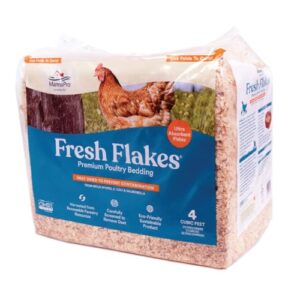
Poultry bedding sneaking onto a reptile list sounds odd, until you check the label. Manna Pro’s heat-dried flakes carry low dust and low moisture, screened clean and free of mold, E. coli, and Salmonella.
That ultra-absorbent flake wicks liquid fast, keeping surface litter drier between spot cleans. Fully compostable, too, for keepers wanting an eco-conscious exit strategy.
The catch: flake size runs inconsistent, some batches feel too fine, others chunky enough to snag smaller snakes’ scales during shedding.
| Best For | poultry keepers who want a low-dust, highly absorbent, all-natural bedding for coops and nesting boxes, including those with baby chicks. |
|---|---|
| Material | Pine shavings |
| Odor Control | Controls odor and moisture |
| Dust Level | Low dust |
| Biodegradable | Yes |
| Target Animals | Chickens, chicks |
| Reusability | Single-use |
| Additional Features |
|
- Ultra-absorbent, low-dust formula that controls odor and moisture effectively
- Screened clean and free of mold, E. coli, and Salmonella for a safer coop environment
- Fully compostable and easier to clean up than straw
- Flake size can be inconsistent, with some batches too fine and others too chunky
- Priced higher than some customers expect for the volume provided
- Packaging looks small on arrival, which may cause buyers to underestimate the actual volume
6. Eco Earth Coconut Fiber Substrate
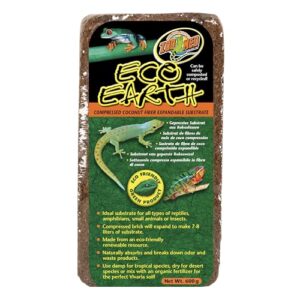
Husks from real coconuts, compressed into bricks that expand to 7-8 liters once soaked, this is Zoo Med’s Eco Earth doing double duty as substrate and odor manager. It absorbs odor when damp, breaking down waste naturally while holding humidity for tropical species.
Prep takes a few minutes: soak in dechlorinated water, break it apart, done. Downsides exist, some batches run dusty, and bottom heat can harden it if you skip mixing. Still, it’s compostable and budget-friendly for bioactive builds.
| Best For | Reptile and amphibian keepers who need a natural, humidity-holding substrate for hermit crabs, snakes, frogs, geckos, or bioactive terrarium setups. |
|---|---|
| Material | Coconut fiber |
| Odor Control | Naturally absorbs odors |
| Dust Level | Some dust reported |
| Biodegradable | Yes |
| Target Animals | Reptiles, hermit crabs |
| Reusability | Single-use expandable |
| Additional Features |
|
- Expands to 7–8 liters per brick from renewable coconut fiber, and each pack includes two bricks
- Naturally absorbs odor and breaks down waste for easier terrarium upkeep
- Easy to prepare by soaking in dechlorinated water and breaking apart
- Not ready to use out of the package; requires soaking in non-tap water first
- Some batches can be dusty and harder to break up without a good soak
- May harden over time if exposed to bottom heat without regular mixing
Clean Liners Without Trapping Odors
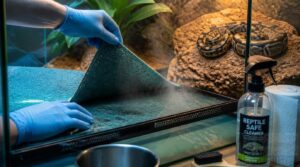
A liner only fights odor if you maintain it right, and skip a step and bacteria will win anyway. Cleaning isn’t complicated, but timing matters more than most keepers realize. Here’s exactly what your routine should look like, from spot-cleaning to full dry-out.
Remove Waste Immediately
A two-hour window separates a fresh dropping from an ammonia problem. Once liquid waste sits, humidity spikes and bacteria multiply fast, souring your enclosure’s smell within hours.
Just two hours turn a fresh dropping into an ammonia problem, as humidity spikes and bacteria multiply fast
Remove waste immediately, don’t wait for your weekly deep clean. Daily checks catch messes early, so early waste detection plus a rapid cleanup schedule keeps things neutral, not pungent, between full liner changes.
Rinse Washable Liners Weekly
Ammonia doesn’t wait for your calendar, so neither should you. A weekly rinse schedule flushes urine residues before they oxidize into that sharp barnyard smell.
Wipe off loose debris first, then soak your washable liners in cold water. This routine, paired with odor prevention rinses, keeps humidity balanced and bacteria from gaining a foothold between deeper cleanings.
Air-dry Liners Completely
A damp liner is a bacteria buffet. Lay your reusable substrate liner flat on a rack, not stacked, and let airflow do the work: 6-12 hours for natural fibers, up to 24-48 for thicker synthetics.
- Feel for cool spots to detect leftover moisture
- Use a fan for quickdrying
- Store only fully dry liners for true reuse readiness
Complete drying means real odor elimination, not just masking.
Replace Soiled Paper Promptly
Sixty seconds is all it takes for urine to seep into deeper layers. Pull soiled paper within the hour and you stop that soak-through cold.
Quick turnover keeps humidity locked in your target 40-60% range and starves mold spores of the damp pockets they need. Less moisture, less odor, simpler tank maintenance overall.
Prevent Bacterial Odor Buildup
Bacteria need two things to thrive: leftover waste and moisture. Deny them either one and odor buildup stalls out fast.
Antimicrobial surface treatments disrupt bacterial cell membranes on contact, while thorough liner drying methods (48 hours, laid flat) starve any survivors. Combine prompt waste removal with real moisture control, and your nontoxic substrate stays genuinely fresh, not just masked.
Choose Safe Odor-Control Liners
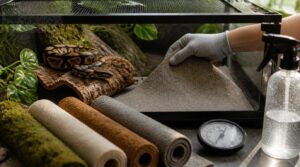
Not every liner works for every snake, and picking the wrong one can undo all your cleaning effort. Safety comes down to a few main factors: species fit, humidity balance, and material integrity. Here’s what to check before you commit to one.
Match Your Snake Species
A ball python and a reticulated python live nowhere near the same world, so their liners shouldn’t either. Match substrate liner choice to species using tail length comparison, scale pattern matching, and habitat behavior traits.
Arboreal climbers, burrowers, and semi-aquatic hunters all generate waste differently, affecting odor control, moisture control, and reptile hygiene across your snake enclosure.
Balance Absorbency and Humidity
Get species matching right, then tackle moisture retention balance. A liner that’s too absorbent dries the surface but starves shed cycles; too breathable and humidity spikes, inviting mold.
Fiber density and porosity airflow control determine this. Aim for:
- Odor reducing without drying skin
- Breathable, not waterproof synthetic surfaces
- Stable humidity control
- No mold risk
- Comfortable sheds
Avoid Toxic Dusty Materials
Humidity balance means nothing if you’re breathing in silica dust every cleaning. Choose dust free alternatives labeled low dust, skip shredded fibrous bedding that shakes loose when disturbed. Non-toxic substrates like paper or fleece emit almost no airborne particles.
Practice safe handling: wet cleaning practices, damp cloths before removal, and quick dust monitoring with a flashlight catch problems before they reach your lungs.
Ensure Flat Snag-free Edges
Snag a stray edge and you risk cut skin or a stuck scale, so run your fingers along every seam first.
Look for rounded outer edges, a flat overlock stitch, and a spacer rim that keeps material from folding inward.
Transparent edging lets you inspect fit without lifting substrate liners, protecting odor control and reptile safety alike.
Monitor Persistent Enclosure Odors
A clean liner today doesn’t guarantee a clean smell tomorrow, so track patterns.
- Log humidity and temperature weekly with a digital hygrometer
- Note waste removal timing versus odor return
- Check ventilation for stagnant, odor-trapping pockets
- Inspect corners for hidden liquid pooling
Persistent odor despite absorbent, breathable liners means something’s off upstream, not the liner itself.
Frequently Asked Questions (FAQs)
What is the most powerful pet odor eliminator?
Look for enzyme-based cleaners with activated charcoal, they beat perfumed sprays hands down. Hypoallergenic, EPA Safer Choice-verified formulas freshen within minutes and pair well with absorbent, odor-reducing reptile substrate liners for lasting enclosure freshness.
What is the best bedding for rats to reduce odor?
Think of rat bedding like a sponge fighting a losing battle. Hemp bedding and paper bedding absorbency win that fight best, wicking urine fast, staying dust-free, and pairing well with daily spot cleaning for lasting odor control.
What is an effective odor eliminator for reptiles?
Pair an enzyme-treated cleaner with a mineral based neutralizer: enzymes break down waste proteins, minerals trap ammonia. Combine with a solid spot cleaning routine, humidity control, and good ventilation dilution for lasting odor-reducing results in any snake habitat.
How much does liner installation and trimming cost?
You get what you pay for: expect $150 to $350 in labor for basic fitment, more for tricky shapes. Trimming with a sharp utility knife for beveled edges adds 10-25% to your total bill.
Can newspaper liners be composted after use?
Yes, if soy-based Newspaper Ink Safety checks out. Shred it first, since Shredding Speeds Decomposition, and layer with greens for Carbon Nitrogen Balance. Check Compost Temperature Requirements and Local Disposal Guidelines before tossing soiled sheets into your pile.
How often should liner substrate be fully replaced?
Retirement timing isn’t guesswork. Follow replacement cycle guidelines: 4-6 weeks for humid, heavy-waste setups, 2-4 weeks for smaller snake enclosures, 6-12 weeks in dry conditions. Mold or odor triggers immediate swaps, same after quarantine protocols.
Do liners provide joint or cushioning comfort benefits?
Absolutely, well-cushioned substrate liners deliver real pressure distribution benefits and joint support features, easing joint pressure relief for snakes as they glide, coil, and explore, while adding temperature buffering effects and odorreducing convenience alongside genuine mobility improvement.
What tools are safest for trimming enclosure liners?
A blade is only as trustworthy as the hand guiding it. Choose blunt-tipped scissors or a capped utility knife for cutting precision, add a trim guard for snag-free edges, and grip shears firmly for control.
Conclusion
Funny thing about a liner that smells fresh on day two: it’s lying to your nose while ammonia pools quietly underneath, like a calm lake hiding a current.
So do substrate liners help with odor control? Yes, but only as a delay tactic, not a cure. The fabric or paper buys you time, not immunity. Rinse it, dry it, replace it on schedule, and that hidden current never surfaces. Skip the routine, and it will.