This site is supported by our readers. We may earn a commission, at no cost to you, if you purchase through links.

The shed skin lying in a perfect tube at the bottom of the enclosure is a good sign. A torn, patchy mess is a different story entirely.
Shedding strips more than old scales. It taxes the body, scrambles vision for days, and leaves your snake irritable, hungry, and more vulnerable than you’d expect. Most keepers celebrate the shed and move on. The ones who pause, inspect carefully, and run through a proper reset are the ones who catch problems early and keep their animals thriving long-term.
What to do after your snake sheds isn’t complicated, but the order matters, and the details matter more than most guides let on. Start here.
Table Of Contents
Key Takeaways
- A clean, single-tube shed is your baseline for health — fragmented or patchy skin means you need to inspect for retained pieces at the eyes, tail tip, vent, and belly before doing anything else.
- After shedding, your snake’s body needs a full reset in the right order: fresh water first, then 24 hours before feeding, then a brief handling session only once calm body language confirms it’s ready.
- Retained shed doesn’t fix itself, but a humid hide and species-correct humidity (70–80% for ball pythons) resolve most cases — pulling or scraping skin is the one thing you should never do.
- Two consecutive incomplete sheds, persistent cloudy eyes, tight skin around the tail tip, or swollen scales all signal a vet visit, not a humidity tweak.
Check Your Snake After It Sheds
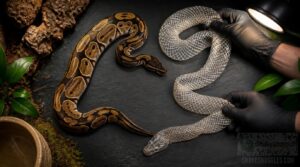
Once the shed is done, your first job is reading what it left behind. The skin itself tells you whether everything went smoothly — or whether something needs your attention right now. Run through these five checks before you do anything else.
If you want a full picture of what "normal" looks like from blush to breakout, signs of a healthy ball python shedding walks you through every stage of that 9–14 day cycle.
Confirm The Shed is Complete
Before you celebrate, confirm that ecdysis is complete. A healthy shed comes off as one continuous tube, inside-out, from head to tail tip.
Search these spots:
- Hides and bark edges
- Water bowl corners
- Tail tip for retained skin
- Ventral scales for whitish fragments or curled edges
Fragmented skin scattered around the enclosure means the visual shed inspection isn’t finished yet. Pay close attention to the eye caps, as retained eye caps can cause vision problems or infection if left unaddressed.
Inspect Both Eye Caps
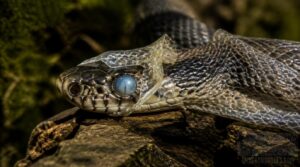
Once you’ve confirmed the shed is complete, shift focus to the eyes. Both eye caps should look equally clear and dome-shaped. Cloudiness on one eye signals a retained cap.
Check the shed skin. Eye cap impressions should sit over the sockets, intact and hole-free. Use a magnifying glass if you’re initially unsure. Retained caps left in place can compromise vision.
Look Around Nose and Mouth
Beyond retained eye caps, the nose and mouth need the same close attention. Retained shed here can block breathing.
- Nostril clearance – look for thin whitish flakes blocking each nasal opening
- Lip and jaw scales – check for papery patches or lifted scale edges
- Choana area – inspect the mouth roof for shed debris
- Scale texture – run a fingertip along; smooth means clear
Check Tail Tip and Vent
The nose check leads you toward the back. Move to the tail tip and look for any thin ring of dry skin still looping the end.
A stuck shed ring can tighten as it dries, cutting circulation. Check the vent too. Shed stuck around it looks like a pale rolled ring or slight swelling. Both need clearing the same day.
Examine Belly and Neck Scales
The belly is the last place most keepers check, and it shouldn’t be. Flip your snake gently and scan for patchy matte texture or curled edges.
Three spots matter:
- Neck ventral connection for color mismatches where shed skin stalled
- Belly scale alignment for flat, even sheen across the underside
- Scale edge clarity for ragged strip remnants clinging to scale lines
Stuck belly skin tightens fast. Catch it today.
Keeping substrate fresh and dry goes a long way — these ball python habitat tips cover how to spot trouble before it becomes a real problem.
Clean and Reset The Enclosure
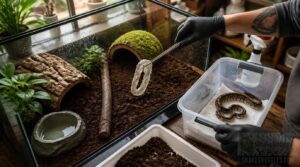
Once your snake’s inspection is done, the enclosure needs your attention next. Shed skin, waste buildup, and moisture from the shedding process can create problems fast if you leave them sitting. Work through each of these steps before you consider the reset complete.
Remove Shed Skin and Waste
Remove shed skin the same day, before it dries further or gets pushed into substrate layers.
| Step | Action |
|---|---|
| Tools | Tongs or gloved hands |
| Lift | From center, keep intact |
| Check | Hides, corners, water bowl |
| Dispose | Sealed bag, outdoor bin |
Spot clean waste hotspots immediately. Pull the soiled substrate plus a small buffer, wipe the floor beneath, and bag everything before resetting.
Scrub and Refill Water Bowl
Pull the water bowl right after clearing the shed. Scrub the interior, rim, and underside with lukewarm water and mild soap. Rinse fully, dry completely, then refill with cool, room-temperature water.
Stainless steel resists bacteria better than plastic. Disinfect monthly with a reptile-safe cleaner, rinse well, then keep the bowl away from heat sources so post-shed hydration stays fresh and stable.
Sanitize Hides and Décor
Hides hold more grime than they appear to. Wear nitrile gloves before starting.
- Pre-wash nonporous surfaces with soap and water to remove debris
- Apply quaternary ammonium sanitizer evenly; hold wet for 60 seconds
- Rinse thoroughly to eliminate chemical residue, then air dry completely
Sanitizer can’t cut through dirty surfaces. Pre-washing isn’t optional. It’s the step that makes everything else work.
Replace Soiled or Damp Substrate
Wet substrate doesn’t just smell. It stays warm and biologically active in ways you can’t always see.
Pull any soiled or broadly damp bedding now, not tomorrow. Discard it entirely. Don’t dry it and reuse it; moisture penetrates deeper layers and contaminants stay. Lay fresh bedding loose and evenly spread so it dries faster and humidity stabilizes after the change.
Check for Mold and Odors
Musty odors are your first clue. Follow your nose, then your eyes. Sniff substrate, hides, and water bowl corners where moisture pools.
Look for spotted or streaky patches and fuzzy growth on surfaces. Porous hides trap mold deep inside, so if cork or fabric smells off and looks discolored, discard it.
Open the lid briefly to let fresh air circulate.
Rehydrate, Feed, and Handle Carefully
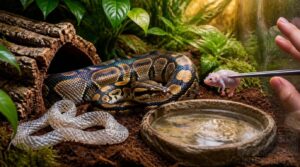
The shed is done, the enclosure is clean — now your snake needs a few things in the right order. How you handle the next 24 hours directly affects how quickly it settles back into normal behavior. Here’s what to do, step by step.
Offer Fresh Water Immediately
Once shedding ends, fresh water access becomes your first priority for reptile hydration.
Refill the water bowl with lukewarm water and position it away from heat sources.
Run through these four checks:
- Water is room temperature
- Bowl is scrubbed clean
- Snake can reach the water
- Bowl placement is stable
Tongue flicks near the bowl signal that postshed hydration is underway.
Wait for Calm Body Language
Once your snake drinks, resist the urge to interact right away.
Watch for loose, relaxed curves instead of tense coiling. A settled snake moves smoothly, tongue flicking at a calm, exploratory pace. No head bobbing, no wall-pressing: those are your green lights. When posture softens and movement slows, the snake is ready.
Offer Food After 24 Hours
Once behavior settles, start the feeding clock. Wait the full 24 hours. Three systems reset in that window:
- Digestive enzyme recovery restores gut motility and acid output.
- Vision clarity returns as ocular fluid reabsorbs, sharpening strike accuracy.
- Prey recognition recalibrates as vomeronasal sensing rebounds.
Watch for postshed hunger cues like active tongue flicking. Match prey size to the pre-shed meal.
Keep First Handling Session Brief
Once the meal is down, resist the urge to handle right away.
Limit the first session to 5 minutes.
Approach from the side, support the full body, and let the snake dictate the pace.
Loose curves and slow tongue flicks signal real comfort.
Musking, defecating, or repeated escape attempts mean you end the session immediately and try again tomorrow.
Watch for Post-Shed Stress
Post-shed stress shows up in specific, readable ways. Watch for defensive coil posture, rapid tongue flicks, tail lashing, and tense head movement. These aren’t personality quirks. They’re signals to back off.
Most snakes normalize within 3-5 days. Persistent lethargy past 5 days isn’t normal. Check weight, watch breathing, and look for swelling or discharge before assuming it’s still recovery.
Address Retained Shed Safely
Retained shed doesn’t fix itself — but it’s manageable if you act methodically. The steps below walk you through exactly how to help your snake finish the job safely, without causing more harm than the stuck skin itself. Work through each one in order before deciding whether a vet visit is necessary.
Use a Moist Humid Hide
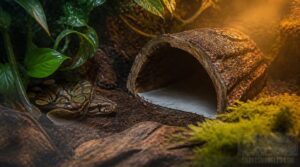
A moist humid hide is your first line of defense against retained shed. Place a small closed hide box on the warm side of the enclosure, lined with damp (not dripping) paper towels. The material should feel wet to the touch but leave no standing water. Keep it away from heat lamps so it doesn’t dry within the hour.
Restore Species-Specific Humidity
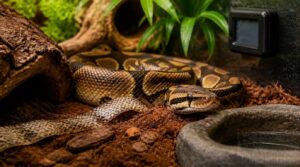
The humid hide targets one spot, but retained shed usually signals that your whole enclosure is running too dry. Ball pythons need 70-80%; corn snakes, 65-75%; hognose snakes, 30-60%.
Raise ambient humidity gradually over 24-48 hours using cypress mulch or coco coir, not a sudden heavy mist. Place a digital hygrometer at head height and check it daily.
Avoid Pulling Stuck Skin
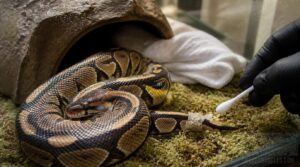
Never peel retained shed like a loose sticker. Skin tension can tear fresh scales, injure spectacles, and turn tail-tip constriction into a circulation emergency.
Peeling retained shed risks torn scales and circulation emergencies—patience protects more than force ever will
Use a humid hide, then let your snake work against damp cloth or a moist pillowcase. Gently roll stubborn patches with a wet cotton swab, never scrape. Persistent eye-cap retention, distress, or face rubbing needs veterinary care.
Recheck Eyes, Tail, and Vent
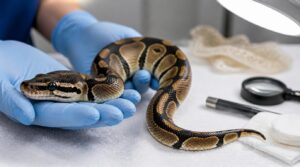
Recheck under bright light.
- Eye Cap Clarity: clear, matching eyes. Dullness may mean eye cap retention; verify jaw scale symmetry.
- Tail Tip Inspection: no ring, swelling, or color change from tail tip constriction.
- Vent Opening Check: open, clean, uninflamed.
Complete a Scale Alignment Review and Post-Shed Movement Observation. Even scales, movement, and vent area hygiene support scale health monitoring daily.
Record Shed Quality and Weight
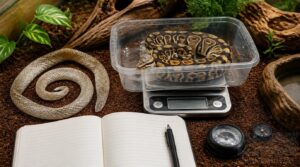
Log each shed in a shed log: date started, date finished, complete or partial, retained locations, and enclosure humidity. This shed quality assessment helps connect skin shedding problems to humidity correlation logging.
Weigh your snake in grams using a digital scale and secure container. Track weight trends beside shed cycle tracking, feeding response, and postecdysis care. Sudden loss, repeat retention, or worsening scale health monitoring needs veterinary review.
Know When Vet Help Matters
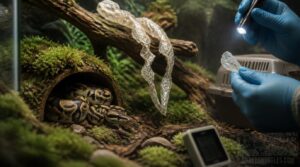
Most shed issues improve with correct humidity, a humid hide, and time. Some signs, however, need prompt assessment from a reptile veterinarian. Contact a vet if you notice any of the following:
Persistent Retained Eye Caps
If one or both eyes stay cloudy after ecdysis, treat them as retained eye caps. Compare both eyes: healthy caps look equally flat, glossy, and clear.
Provide a humid hide with damp sphagnum moss or paper towel, then recheck after 24 hours. Don’t soak, scrape, or tug near the eye. If cloudiness persists, or you see redness, swelling, or closed eyes, arrange a veterinary consultation promptly.
Tight Shed Around Tail Tip
Cloudy eyes need attention, but a tight retained tail tip can become urgent. It acts like a tourniquet, reducing blood flow and risking tail tip necrosis.
- Provide a humid hide.
- Correct species humidity.
- Soak in lukewarm water 10–20 minutes.
- Don’t pull dry skin.
- See a reptile vet for swelling, discoloration, shrinking, odor, or persistent bands.
Remove soiled substrate; sanitize enclosure.
Blocked Nostrils or Mouth Shed
Retained skin over the nostrils or jaw line is easy to miss. But blocked nasal airflow forces mouth breathing, and that’s a warning sign, not a quirk.
Gently inspect both nostrils for papery coverage. If breathing looks labored or the mouth stays open, add a humid hide immediately and watch closely. Don’t pick at the skin.
Symptoms that don’t clear within a few hours need a reptile vet.
Red, Swollen, or Damaged Scales
Red or swollen scales after a shed signal inflammation, not just rough skin. Press gently along the body — healthy scales flex slightly and sit flat. Stiff, raised, or discolored patches with warmth or odor mean infection risk is real.
Don’t wait two weeks on worsening redness. Spreading swelling or oozing needs a reptile vet, not a humidity fix.
Repeated Incomplete Sheds
Two consecutive incomplete sheds signal a systemic problem, not a situational one.
Consult a reptile vet if dysecdysis repeats despite corrected humidity levels, fresh water access, and reduced handling stress. Parasites, dermatitis, or nutritional deficiencies don’t resolve with substrate swaps or basic enclosure tweaks. A vet can run diagnostics and identify what no hygrometer reading or reset will ever catch.
Frequently Asked Questions (FAQs)
How long does a snakes shedding cycle typically last?
Like a slow peel of sunburned skin, ecdysis runs 9 to 14 days in most healthy snakes. Younger, faster-growing individuals finish sooner; large adults and lower temperatures push the timeline closer to that 14-day mark.
Can I bathe my snake to help it shed?
Yes, a soak can help. Use lukewarm water (80-86°F), shallow enough for the head to rest above. Supervise fully. Limit to 10-15 minutes, then dry thoroughly.
Should I change my snakes diet before shedding begins?
Steady, species-specific sustenance works best for your snake going into shed. Don’t switch prey type or size once pre-shed signs appear. Diet shifts add unnecessary variables at a critical time. Save changes for after the molt.
Is it normal for snakes to refuse water during shedding?
Reduced drinking during shedding is common. Cloudy blue eyes signal active ecdysis, when snakes often seek moisture through soaking or humid hides rather than bowl water. Keep the bowl fresh regardless.
Do snakes shed more frequently when they are young?
A snake at its smallest sheds at its most. Rapid juvenile growth demands it: hatchlings cycle through new skin every 1 to 3 weeks, while adults may shed only a handful of times each year.
Conclusion
A stitch in time saves nine. Knowing what to do after your snake sheds means slowing down at the precise moment most keepers choose to move on.
Check the eyes first. Then the tail, the vent, the enclosure. Small oversights compound quietly until they grow into real problems. Your snake can’t tell you something is wrong. But a clean shed, a full belly, and calm body language? Those tell you everything.
Pay attention every time.
- https://parker-vet.com/shedding-success-your-guide-to-healthy-snake-molting
- https://www.petmd.com/reptile/snake-shedding-skin
- https://reptifiles.com/ball-python-care-guide/ball-python-diseases-health/ball-python-shedding
- https://www.spah.la/blog/corn-snake-care
- https://www.pbspettravel.co.uk/blog/what-should-i-do-when-my-snake-is-shedding