This site is supported by our readers. We may earn a commission, at no cost to you, if you purchase through links.
Your ball python’s chronic respiratory infection might trace back to the six inches of substrate beneath it. While most keepers focus on temperature gradients and feeding schedules, substrate choice silently dictates humidity levels, bacterial load, and long-term health outcomes in ways that aspen shavings versus coconut fiber can mean the difference between thriving and surviving.
Veterinary records show that substrate-related issues—mold exposure, respiratory irritants, impaction from ingestion—account for a significant portion of preventable snake illness, yet many owners treat bedding as an afterthought rather than the foundation of habitat management. The best substrate for snake habitat isn’t a one-size-fits-all answer; it depends on whether you’re housing a desert kingsnake that needs bone-dry conditions or a rainbow boa requiring 80% humidity, and picking wrong creates a cascade of health problems.
Table Of Contents
- Key Takeaways
- Key Factors in Choosing Snake Substrate
- Types of Substrates for Snake Habitats
- Top 5 Substrates for Snake Habitats
- Substrate Maintenance and Best Practices
- Frequently Asked Questions (FAQs)
- What’s the best bedding to use for snakes?
- What substrate is bad for snakes?
- What is the best flooring for a snake tank?
- What is the best substrate for a snake enclosure?
- What is the best bedding to use for a snake?
- What should I put at the bottom of my snakes cage?
- What substrate do house snakes like?
- Can I mix different substrates together safely?
- How often should substrate be completely replaced?
- What substrate depth works for burrowing snakes?
- Conclusion
Key Takeaways
- Substrate-related issues, like mold exposure, respiratory irritants, and impaction, account for a significant portion of preventable snake illness, yet many owners treat bedding as an afterthought rather than the foundation of habitat management.
- The right substrate depends entirely on your species’ biological needs—desert kingsnakes require bone-dry conditions while rainbow boas need 80% humidity, and choosing wrong creates cascading health problems, including chronic respiratory infections.
- Effective substrate balances four critical factors: absorbency for odor control and waste management, humidity retention matched to species requirements, safety for burrowing without respiratory irritation, and practical cleaning schedules that prevent bacterial buildup.
- Complete substrate replacement every 6-12 months for tropical species and 12-18 months for desert species, combined with daily spot cleaning and weekly surface disinfection, prevents mold growth, mite infestations, and ammonia accumulation that compromise long-term snake health.
Key Factors in Choosing Snake Substrate
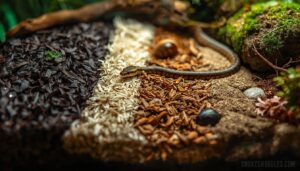
Choosing the right substrate for your snake’s habitat isn’t just about what looks natural—it’s about meeting your specific species’ biological needs while keeping maintenance practical.
From cleaning frequency to humidity control, proper tank maintenance practices will help you choose a substrate that supports both your snake’s health and your daily routine.
The substrate you select affects everything from humidity levels and odor control to your snake’s ability to burrow and shed properly.
Before you invest in bedding material, you’ll want to evaluate four essential factors that determine whether a substrate will support your snake’s health and simplify your routine care.
Absorbency and Odor Control
Effective absorbent bedding traps waste rapidly through high porosity cores, preventing surface moisture that fuels bacterial odor. Materials like ReptiChip Coconut and Eco Coconut Fiber excel at moisture management while maintaining humidity balance.
Many substrates incorporate odor neutralizers—activated charcoal or cyclodextrin complexes—that capture volatile compounds before they permeate your habitat. Regular spot cleaning enhances microbial control, reducing ammonia buildup and keeping your burrowing substrate fresh between full replacements.
Humidity Retention for Species Needs
Beyond absorption, your reptile substrate must match species humidity needs. Tropical pythons thrive at 60 to 80 percent RH, while arid species prefer 30 to 50 percent.
Coconut coir and sphagnum moss excel at humidity retention, creating stable microclimates for shedding cycles. You can layer burrowing substrate with a moist base under dry top layers for moisture management and microclimate control, supporting healthy humidity levels without over-saturation.
Safety and Comfort for Burrowing
For burrowing species, your reptile substrate must support tunnel safety without collapsing or abrading ventral scales. A stable burrow depth of three to six inches allows natural digging behavior while maintaining burrow temperature gradients for thermoregulation.
Choose soft, non-dusty materials like coconut fiber or bioactive substrate that won’t irritate respiratory passages, and make certain proper snake habitat ventilation to prevent mold in tunnel networks.
Understanding material failure in burrowing helps inform safe substrate choices for animals that dig.
Ease of Cleaning and Maintenance
A substrate’s cleaning requirements impact your long-term maintenance costs and sanitation methods. Non-porous liners and smooth surfaces simplify daily spot cleaning and waste removal tips, while substrates that clump less reduce full terrarium maintenance frequency. Easy-to-remove liners enable quick sweeps without disturbing your snake, and modular sections let you replace only dirty areas—keeping odor control simple and humidity control stable.
- Visual checks each morning catch wet spots before odor develops
- Smooth liners allow rapid debris sweeps during waste removal
- Low-clump materials extend intervals between full substrate resets
- Sectional replacement saves money on reptile bedding options over time
- Clear cleaning schedules prevent microbial buildup and maintain hygiene
Types of Substrates for Snake Habitats
You’ll find substrates for snakes fall into four main categories, each with distinct advantages depending on your species’ needs. Wood-based options like aspen shavings offer absorbency and ease of maintenance, while coconut products excel at humidity retention for tropical species.
Natural materials such as mulch and bark provide burrowing opportunities, and paper or fabric liners simplify cleaning routines for keepers who prioritize convenience.
Aspen Shavings and Wood Substrates
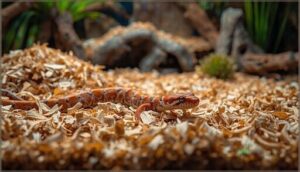
When you’re setting up a dry-loving corn snake or kingsnake, aspen shavings often deliver the absorbency and burrowing comfort your animal needs. Zoo Med Aspen absorbs moisture up to four times its weight, keeping ammonia levels low while supporting natural digging behavior.
For snakes that need higher humidity, you can explore substrate options designed for tropical and moisture-retaining setups.
Compare shaving types, timber sourcing standards, and substrate costs before buying bulk bags—ReptiChip Reptile Substrate and other reptile bedding options vary widely in wood density and dust control.
Kaytee offers all natural aspen shavings that are specially processed to remove dust and debris, making them safe for small pets.
| Feature | Aspen Benefits | Considerations |
|---|---|---|
| Absorbency | Absorbs 4× its weight in moisture | Dries faster than mulch substrates |
| Burrowing | Soft texture encourages digging | Minimal splinters or sharp edges |
| Odor Control | Traps ammonia effectively | Weekly spot cleaning recommended |
| Dust Levels | Kiln-dried to reduce particles | Check brand-specific processing |
| Cost & Sourcing | Widely available in bulk | Sustainable timber certifications vary |
Coconut Husk and Coir Options
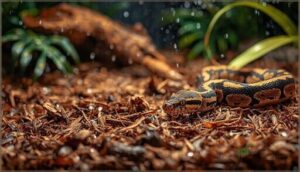
Tropical species like ball pythons thrive on coconut fiber or husk because these eco-friendly bedding materials expand with water, letting you fine-tune humidity for healthy shedding.
Coir fiber benefits include:
- Natural pH balance that won’t irritate ventral scales
- Strong fibers that resist compaction during burrowing
- Slow breakdown, extending usable life between changes
ReptiChip Coconut Substrate, Zilla Coconut Husk Brick, and Riare Natural Coconut Fiber all offer excellent husk moisture control and coconut substrate safety for tropical humidity management.
Mulch, Bark, and Natural Soils
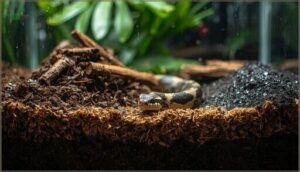
Species that favor damp microclimates benefit from bark safety features in Flukers ReptaBark or cypress mulch, both offering substrate depth of 2 to 3 inches for stable humidity control and comfortable burrowing.
Natural soil quality matters: BNOSDM Reptile Soil, ReptiChip Coconut Substrate, and Riare Natural Coconut Fiber provide organic mulch types that retain moisture for days without releasing harsh odors or sharp splinters.
Paper and Fabric Liners
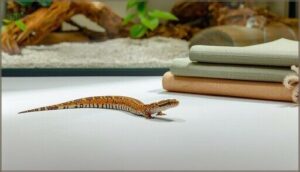
When your snake’s health depends on a clean, stress-free floor, paper and fabric liners deliver simple, reusable solutions that cut down on waste and odor control challenges in any reptile bedding setup.
- Liner materials like cellulose sheets and woven fabric types from Zilla Terrarium Liner provide soft, non-abrasive surfaces for sensitive scales.
- Absorbency levels vary: felt swatches trap moisture for terrarium setup and design needs, while paper rolls stay disposable.
- Odor control inserts minimize ammonia without replacing routine hygiene in your snake enclosure.
- Maintenance tips: machine-wash fabric or swap paper weekly to keep ReptiChip Reptile Substrate alternatives fresh.
Top 5 Substrates for Snake Habitats
After understanding the key factors and substrate categories, you’ll want to know which specific products deliver the best results for your snake.
The following five options represent top-rated choices that balance safety, functionality, and species-specific needs. Each substrate below offers distinct advantages depending on your snake’s humidity requirements, burrowing habits, and your maintenance preferences.
1. Prevue Cage Liner Roll
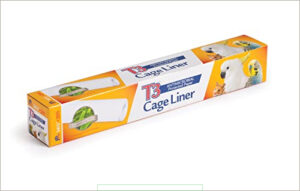
While technically designed for bird cages, the Prevue Cage Liner Roll offers snake keepers a budget-friendly, disposable substrate option, particularly for quarantine setups or temporary housing.
This 14.5-inch wide polyethylene liner features an antimicrobial coating that helps control odor between cleanings, and you can cut it to fit your enclosure’s dimensions.
However, it won’t support humidity retention or burrowing behavior—critical needs for many species—making it better suited for short-term use rather than permanent habitat solutions.
| Best For | Snake keepers looking for an affordable, disposable liner for quarantine enclosures or temporary housing rather than permanent habitats. |
|---|---|
| Material | Polyethylene |
| Ease of Cleaning | Easy to clean |
| Absorbency | Not specified |
| Odor Control | Reduces smell |
| Safety | Not specified |
| Weight | 10.4 ounces |
| Additional Features |
|
- Budget-friendly and easy to cut to custom enclosure dimensions
- Antimicrobial coating helps reduce odors between cage cleanings
- Simple cleanup process—just remove and replace when soiled
- Doesn’t support humidity retention needed for many snake species
- Won’t allow natural burrowing behavior that some snakes require
- Material can be flimsy and may curl or roll back up after unrolling
2. Zoo Med Aspen Snake Bedding
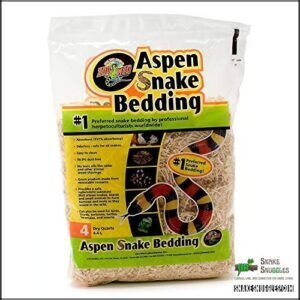
For a substrate that checks nearly every practical box, Zoo Med Aspen delivers 191% absorbency, odor control, and a 99.9% dust-free formula that won’t irritate your snake’s respiratory system. You’ll appreciate the soft, light-colored shavings that encourage natural burrowing while staying easy to spot clean—just scoop out waste without disturbing the entire enclosure.
Made from renewable aspen wood without toxic cedar oils, it works well for dry-climate species, though you’ll need to swap it out regularly since it doesn’t handle prolonged moisture particularly well.
| Best For | Snake owners who want a natural, dust-free substrate that encourages burrowing and makes spot-cleaning easy—especially if you have dry-climate species. |
|---|---|
| Material | Aspen |
| Ease of Cleaning | Easy to clean |
| Absorbency | 191% rating |
| Odor Control | Odorless |
| Safety | Safe for snakes |
| Weight | 0.02 Pounds |
| Additional Features |
|
- 191% absorbency rating keeps the enclosure dry and odor-free
- 99.9% dust-free formula protects your snake’s respiratory health
- Light-colored shavings make waste easy to spot and remove without full substrate changes
- Doesn’t handle prolonged moisture well—wet clumps need to be removed quickly
- Requires frequent changes to maintain sanitation
- Not suitable for all snake breeds, so check compatibility with your specific species first
3. Zilla Reptile Terrarium Liner Carpet
 View On Amazon
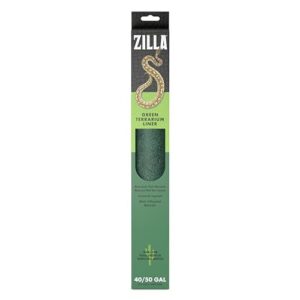
When loose substrates feel like too much work or pose ingestion risks for your snake, Zilla’s terrarium liner carpet offers a low-maintenance alternative that’s absorbent, enzyme-treated for odor control, and sized to fit 30-to-40-gallon enclosures.
You can rinse it under cold tap water between cleanings, trim the soft green material to fit around hides, and reuse it multiple times before replacement. It’s particularly useful for juvenile snakes or beginners, though you’ll want to prevent waste from hardening on the surface.
| Best For | Beginner snake owners and those with juvenile reptiles who want an easy-to-clean, reusable substrate that reduces odor and mess without the risk of ingestion. |
|---|---|
| Material | Polyethylene/Polypropylene |
| Ease of Cleaning | Easy to clean |
| Absorbency | Absorbent |
| Odor Control | Odor-reducing |
| Safety | Non-ingestible |
| Weight | 6.4 ounces |
| Additional Features |
|
- Enzyme-treated material actively reduces odors and creates a cleaner enclosure environment
- Rinses clean under cold water and can be reused multiple times, saving money over disposable options
- Soft, absorbent surface is gentle on snakes and trims easily to fit around hides and decorations
- Needs regular cleaning before waste hardens on the surface, or it becomes difficult to remove
- Can occasionally catch on teeth or nails during feeding or movement
- Requires periodic replacement as the material wears down or odor-fighting enzymes lose effectiveness
4. Reptile Coconut Fiber Terrarium Carpet
 View On Amazon
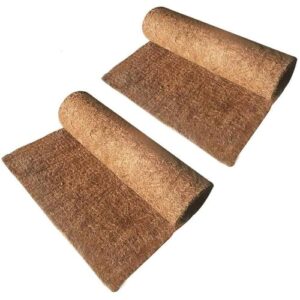
Natural coconut fiber carpets deliver moisture stability in mid-sized enclosures by absorbing water quickly and maintaining 60 to 70 percent relative humidity, which helps consistent shed cycles without creating puddles that encourage mold.
You can rinse the mat under cold tap water, and it’ll dry in two to six hours, making routine sanitation straightforward. The soft, woven texture allows gentle burrowing while resisting tears from claws, and its longevity usually exceeds loose coconut bedding due to the stable fiber matrix.
| Best For | Reptile owners who want a natural, reusable substrate that controls odors and maintains humidity without the mess of loose bedding. |
|---|---|
| Material | Coconut Fiber |
| Ease of Cleaning | Easy to clean |
| Absorbency | Absorbent |
| Odor Control | Reduces odors |
| Safety | Non-abrasive |
| Weight | Not specified |
| Additional Features |
|
- Natural coconut fiber absorbs moisture quickly and keeps humidity steady at 60-70%, which helps your reptile shed properly
- Easy to clean by rinsing with cold water, and it dries in a few hours so you can reuse it instead of constantly buying new bedding
- Soft texture is gentle on your pet’s skin and tough enough to resist tearing from claws or digging
- Doesn’t fully absorb urine, so liquids can leak through to the tank floor and create extra cleanup
- Can develop mold if it stays damp too long, so you need to monitor moisture levels carefully
- May have uneven bumps or folds after cutting to size, and some users found small plastic pieces mixed in that had to be removed
5. Zilla Coconut Husk Bedding
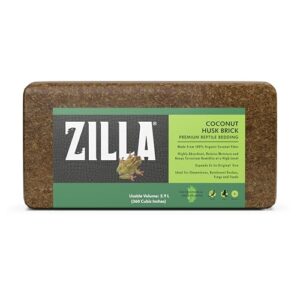
If you prefer loose bedding over a reusable mat, Zilla Coconut Husk Bedding offers 100 percent organic coconut fiber that swells up to five times its compressed brick size when you add hot water. This soft, non-abrasive substrate retains moisture for weeks, stabilizing humidity around 70 percent in tropical setups without constant misting, which promotes smooth shedding in rainforest geckos, frogs, and humidity-loving colubrids.
The fibrous texture encourages natural burrowing and cushions delicate eggs during incubation, though full rehydration requires patience to break up stubborn clumps.
| Best For | Keepers of tropical reptiles like rainforest geckos, frogs, and humidity-loving snakes who need long-lasting moisture retention and natural burrowing material. |
|---|---|
| Material | Coconut Fiber |
| Ease of Cleaning | Requires maintenance |
| Absorbency | Highly absorbent |
| Odor Control | Not specified |
| Safety | Non-toxic |
| Weight | 1.3 Pounds |
| Additional Features |
|
- Expands up to five times its size and holds humidity around 70 percent for weeks with minimal misting
- Soft, non-abrasive texture supports natural burrowing and provides a safe cushion for egg incubation
- Made from 100 percent organic coconut fiber—completely non-toxic for delicate species
- Rehydration takes patience and effort to break up clumps and achieve the right consistency
- Can be messy during the fluffing and setup process
- Not ideal for all species—some animals like jumping spiders may not adapt well to this substrate
Substrate Maintenance and Best Practices
Choosing the right substrate is only half the battle—you’ll need a solid maintenance routine to keep your snake’s environment healthy and safe.
Proper cleaning prevents bacterial growth, controls odors, and reduces the risk of mites and respiratory issues. Here’s how to maintain your snake’s substrate effectively, from daily spot cleaning to full replacements and safe substrate mixing.
Spot Cleaning and Waste Removal
Your snake’s health hinges on consistent waste management—bacteria don’t wait. Target fresh waste within 24 hours using disposable gloves and a sealable bag, then wipe the spot with a reptile-safe cleaner. Daily spotting prevents odor control failures and keeps burrow cleaning manageable, especially around hides where contamination spreads fastest.
| Task | Frequency | Key Tools |
|---|---|---|
| Waste removal | Every 2–3 days | Gloves, sealable bags |
| Burrow cleaning | Weekly | Damp cloth, sifting tool |
| Odor neutralizing | As needed | Enzyme cleaner, ventilation |
Proper enclosure maintenance protects reptile health and hygiene while supporting humidity control in your snake enclosure.
Full Replacement Schedule
Every six to twelve months, you’ll need to strip enclosure down to bare glass and replace all bedding—desert species tolerate longer intervals, while tropical setups demand quarterly swaps for humidity control.
Document each replacement timing in your maintenance log, rotate reptile substrate options seasonally to balance microbial exposure, and always sanitize before refilling with fresh snake bedding.
Preventing Mold, Mites, and Odors
Keep humidity levels between 30 and 50 percent to deter mold prevention challenges and mite control issues in your snake substrate. Spot clean daily, removing feces and prey remnants to support odor management and moisture control.
Disinfect enclosure surfaces weekly with reptile-safe cleaners for substrate sanitization, maintain steady air circulation through mesh vents, and use activated carbon to improve odor absorption without disrupting humidity and temperature control for ideal reptile substrate selection.
Mixing Substrates Safely
You can create custom recipes by blending aspen with coconut fiber for enhanced humidity control and burrowing balance, but always dry mix components separately to avoid moisture pockets that foster mold.
For safe substrate blending, follow these guidelines:
- Test a small batch for 24 hours before full enclosure application.
- Maintain consistent particle size to guarantee airflow and prevent compaction.
- Avoid sharp or aromatic materials that irritate respiratory systems.
- Label mixes with date and components to track freshness.
- Choose substrates that don’t harden when wet for easier waste removal.
Frequently Asked Questions (FAQs)
What’s the best bedding to use for snakes?
Absorbent, humidity-appropriate reptile bedding protects snake health while simplifying enclosure care.
Aspen shavings suit low-humidity species, coconut fiber works for tropical constrictors requiring burrowing needs, and reusable substrate safety materials like Zilla terrarium liners minimize dust.
What substrate is bad for snakes?
Cedar toxicity and pine risks top the list of substrates to avoid, alongside sand hazards, gravel dangers, and chemical contamination that threaten respiratory health and cause impaction in your snake.
What is the best flooring for a snake tank?
The best flooring for a snake tank combines absorbent substrate safety with proper humidity control—coconut husk, ReptiChip Coconut Chip Bedding, or Zilla Terrarium Liner excel at supporting snake health while simplifying tank hygiene and maintenance.
What is the best substrate for a snake enclosure?
You’ll want a substrate that masters humidity control while supporting burrowing safety—coconut husk and ReptiChip Coconut Chip Bedding excel for tropical species, while aspen shavings work brilliantly for drier habitats.
What is the best bedding to use for a snake?
Your snake’s bedding materials should balance humidity control with substrate safety, meeting its burrowing needs while preventing respiratory irritation.
Coconut husk, ReptiChip Reptile Substrate, and Zilla Terrarium Liner excel across species requirements.
What should I put at the bottom of my snakes cage?
Don’t put all your eggs in one basket—you need a safe bottom layer like non-absorbent reptile liners or paper towels, plus a moisture-controlled substrate such as coconut husk for humidity control and comfortable burrowing.
What substrate do house snakes like?
For house snakes, aspen shavings, coconut fiber, and cypress mulch work well because they support burrowing behaviors, maintain moderate humidity control, and provide substrate safety while simplifying daily spot cleaning routines.
Can I mix different substrates together safely?
Yes, you can mix substrates like ReptiChip with coir if they share similar humidity needs.
Test a small batch first, monitor for two weeks, and make certain bioactive substrate materials don’t create damp pockets that compromise burrowing safety or mite prevention.
How often should substrate be completely replaced?
Complete substrate replacement frequency depends on your species’ humidity maintenance needs and bedding material comparison: tropical snake bedding requires swapping every 6 to 12 months, while desert substrates last 12 to 18 months with proper cleaning schedules and odor control methods.
What substrate depth works for burrowing snakes?
Most burrowing snakes thrive with 4–6 inches of substrate, while larger species need 6–12 inches to support tunnel stability and natural digging behavior without collapse, promoting ideal reptile health and humidity control.
Conclusion
What separates a snake that sheds cleanly from one battling recurring mites? Often, it’s the best substrate for snake habitat you chose six months ago.
Your substrate isn’t just bedding—it’s environmental medicine, dictating respiratory health, parasite risk, and stress levels every day. Match absorbency to species humidity needs, prioritize safety over aesthetics, and commit to rigorous maintenance schedules.
The right foundation doesn’t guarantee flawlessness, but the wrong one guarantees problems you’ll wish you’d prevented.