This site is supported by our readers. We may earn a commission, at no cost to you, if you purchase through links.

Snakes do not escape the cellular errors that drive cancer. In published surveys, cancer appeared in roughly 9.8% to 15% of studied snake populations, with rates above 25% reported in some watersnakes and eastern diamondback rattlesnakes.
A firm lump beneath the skin, a dark patch that remains after shedding, or appetite loss that outlasts a normal fasting period can signal trouble. Yet abscesses, infections, retained shed, and reproductive changes can look similar, so appearance alone cannot confirm a tumor.
Knowing can snakes get cancer signs and symptoms helps you recognize when reptile veterinary care, imaging, and biopsy matter for your snake.
Table Of Contents
- Key Takeaways
- Yes, Snakes Can Get Cancer
- Common Cancer Types in Snakes
- Visible Signs of Snake Cancer
- Behavioral and Internal Cancer Symptoms
- Cancer Signs Versus Other Illnesses
- How Veterinarians Diagnose Snake Cancer
- Snake Cancer Treatment and Prognosis
- When to See a Reptile Veterinarian
- Frequently Asked Questions (FAQs)
- Is cancer common in snakes?
- What are the signs and symptoms of adenocarcinoma?
- What are the signs that a snake is unhealthy?
- What are the signs that my animal might have cancer?
- What causes cancer in pet snakes?
- Can snake cancer be prevented?
- Is cancer contagious between snakes?
- Which snake species are most at risk?
- Can tumors return after surgical removal?
- Conclusion
Key Takeaways
- Snakes can develop both benign and malignant tumors, with cancer reported in roughly 9.8% to 15% of studied populations and higher rates in some species.
- Persistent lumps, skin discoloration, nonhealing sores, abnormal shedding, appetite loss, weight loss, swelling, or behavior changes can signal cancer but also occur with infections and other illnesses.
- A reptile-experienced veterinarian must confirm cancer through examination, imaging, and biopsy, because appearance and symptoms alone cannot diagnose a tumor.
- Early veterinary assessment offers the best chance to treat localized tumors, while prognosis depends mainly on tumor type, location, surgical access, and whether cancer has spread.
Yes, Snakes Can Get Cancer
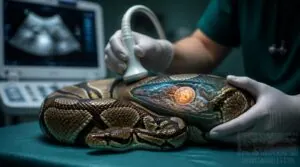
Yes, snakes can get cancer — and it’s more common than most reptile owners realize. Like mammals, snakes develop both benign and malignant tumors, and knowing the difference matters for how you respond. Here’s what the research tells us about what cancer actually means for your snake and how often it occurs.
For warning signs, causes, and treatment options, see this guide to cancer in pet snakes.
What Cancer Means in Snakes
Cancer in snakes works much like it does in mammals. Abnormal cell growth produces masses called tumors, which can form in the skin, internal organs, or connective tissue. This process, known as malignant neoplasia, disrupts normal tissue function over time. Once tumor cells begin spreading to distant organs through tumor metastasis, the condition becomes much harder to treat and manage.
Research has shown that snakes are among the most affected reptiles, with renal and hepatocellular tumors being among the most commonly documented cancer types in the species.
Benign Versus Malignant Tumors
Not all tumors behave the same. Benign tumors grow slowly, stay confined, and don’t invade surrounding tissue. Malignant tumors grow uncontrollably, cross tissue boundaries, and can spread via the bloodstream or lymphatic system to distant organs.
A tumor biopsy is the only reliable way to distinguish them, and that result shapes every treatment decision your vet will make.
How Common Snake Cancer Is
Knowing the difference between benign and malignant matters because cancer prevalence in snakes is higher than most owners expect. Across studied populations, rates range from 9.8% to 15%, with some species sitting much higher. Common watersnakes reach 30.8%, while eastern diamondback rattlesnakes hit 26.3%.
Older, captive snakes carry the greatest risk, as age amplifies cellular damage over time.
Common Cancer Types in Snakes
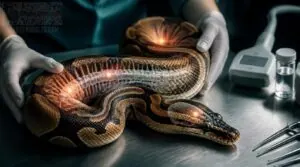
Snakes can develop several distinct types of cancer, and knowing which ones are most common can help you catch problems early. Each type appears differently and affects different parts of the body, which makes recognition a bit more complex than you might expect.
Here are the main cancer types your snake could be at risk for:
Lymphoma and Blood Cancers
Among all snake cancers, lymphoma is the most frequently diagnosed. It targets the lymphatic system and can spread to the liver, spleen, and blood in a multicentric pattern.
Signs your snake may be affected:
- Visible coelomic masses or swelling
- Lethargy and prolonged anorexia
- Labored breathing or constipation
- Leukemic blood cell abnormalities
Definitive diagnosis requires histopathological biopsy. Prognosis is generally guarded.
Soft Tissue Sarcomas
When a firm lump develops beneath your snake’s skin, soft tissue sarcoma is a concern. These malignant tumors arise from connective tissues, including muscle, fat, nerves, and blood vessels. They can invade locally and may spread through the bloodstream.
Diagnosis requires a tumor biopsy with histopathology and sometimes immunohistochemistry. Tumor staging assesses spread. Grade reflects cell differentiation, mitotic activity, and necrosis. Surgery is preferred when feasible, with postoperative warming essential.
Squamous Cell Carcinoma
Although less frequently recognized than sarcomas, squamous cell carcinoma arises from epidermal squamous cells and may resemble a scaly, discolored, raised plaque, nodule, or ulcerated sore. Chronic wounds, ultraviolet exposure, and immunosuppression may increase risk.
A tumor biopsy confirms diagnosis; diagnostic imaging assesses deeper invasion or spread. Lymph nodes are typical metastatic sites. Surgery is treatment when removal is feasible.
Kidney and Oviduct Adenocarcinomas
Renal adenocarcinoma is malignant neoplasia of the Kidney and may cause abdominal swelling, lethargy, or inappetence. Oviduct adenocarcinoma affects the female Oviduct and can metastasize.
- Imaging defines tumor extent.
- Histopathological diagnosis confirms Adenocarcinoma.
- Histopathological analysis guides prognosis.
- Nephrectomy surgery may treat localized renal disease.
These cancers often appear late, so prompt reptile-veterinary assessment matters in adult captive snakes, particularly colubrids.
Skin Pigment Cell Tumors
Skin pigment-cell tumors, called chromatophoromas, can resemble color changes but require assessment. Melanophoromas often form single white or pigmented masses; iridophoromas produce white intradermal nodules with crystals. Rarer yellow-orange xanthophoromas and mixed chromatophoromas may cause skin discoloration or abnormal scale growth.
Squamous cell carcinoma is one of malignant tumors of skin. Biopsy histology identifies tumor type, location, and malignant potential.
Visible Signs of Snake Cancer
Catching cancer early in snakes starts with knowing what to look for on the outside. Unlike mammals, snakes can’t vocalize discomfort, so visible physical changes are often your first real clue that something’s wrong. Here are the key signs to watch for on your snake’s body.
Lumps Above or Below Skin
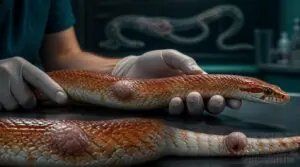
A lump or bump you can feel during routine handling is often the first sign something’s wrong. Assess any mass across four dimensions:
- Mobility: rolls freely vs. fixed to root tissue
- Texture: soft and fluctuant vs. firm and hard
- Location: dorsal, lateral, or head and cloacal regions
- Growth rate: rapid expansion always warrants prompt veterinary examination
Scale Discoloration or Thickening
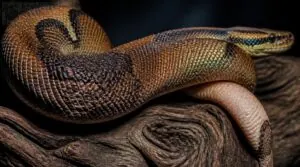
Scale discoloration is easy to dismiss as a shedding artifact. Watch for brownish, reddish, or dark persistent patches that don’t resolve after a shed cycle. Chromatophoromas commonly appear as discrete, darkened scale regions along the trunk or tail. Raised, rough texture alongside color change signals something deeper and warrants prompt veterinary examination.
| Pattern | Common Location | Clinical Significance |
|---|---|---|
| Dark brown or black patches | Trunk, tail | Possible melanophoroma |
| White or pale iridescent areas | Head, lateral scales | Possible iridophoroma |
| Raised, rough, or lifted scales | Ventral surface | Root tumor or fluid |
Sores, Blisters, or Redness
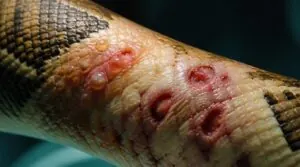
Beyond discoloration, look for open sores, fluid-filled blisters, or redness on your snake’s body. Blisters form when serum leaks into damaged tissue. Sores that won’t heal are a red flag, especially when clear fluid turns milky.
Watch for:
- Clear or milky blister fluid
- Red streaks near a sore
- Discolored, non-healing patches
- Swollen or tender skin areas
Abnormal or Incomplete Shedding
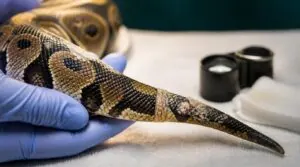
Sores that don’t heal may occur alongside abnormal shedding. Dysecdysis, or failed shed removal, can leave scaly fragments, discolored patches, or retained shed rings.
Illness can disrupt ecdysis, including with dermal tumors, but infection and husbandry problems are more common causes. Check tail tips carefully. Tight rings create constriction risks and can cause necrosis unless promptly addressed by a reptile veterinarian.
Mouth or Cloacal Swelling
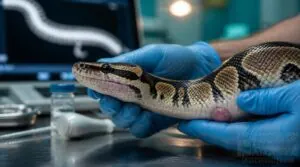
After shedding problems, inspect mouth and vent. Swelling can reflect infectious stomatitis, trauma, retained eggs, constipation, cloacal prolapse, or neoplasia.
- Firm, growing, bleeding masses, jaw asymmetry, sores that do not heal, or discolored patches raise concern.
- A swollen abdomen, anorexia, or lethargy strengthens concern.
- Vets use X-rays, ultrasound, culture, aspiration, biopsy. Treatment and prognosis depend on tumor type and metastasis.
Behavioral and Internal Cancer Symptoms
Internal tumors may cause subtle changes long before you see a lump or skin lesion. Because snakes naturally rest, hide, and fast at times, these signs can be easy to miss. Watch for the following behavioral and internal changes, especially when they persist or worsen.
Unusual Lethargy or Hiding
Persistent lethargy or hiding can signal internal disease, including cancer. A snake may move less, respond poorly, or remain concealed through normal active and basking periods despite correct heat and humidity. Tumor-induced fatigue, pain, anemia, or liver and kidney dysfunction can drive withdrawal symptoms.
Track changes lasting over two weeks, especially with weight loss, abnormal shedding, or loss of appetite.
Appetite Loss Beyond Normal Fasting
When a snake refuses prey for more than two normal fasting cycles, assess it promptly. Chronic anorexia lasting over 4 to 6 weeks outside seasonal brumation is abnormal, particularly when prey refusal continues despite appropriate temperatures and husbandry.
Cancer can alter metabolic hunger signals, and tumor location may affect feeding. Loss of appetite with weight loss warrants reptile veterinary evaluation for early detection and veterinary oncology guidance.
Unexplained Weight or Muscle Loss
Unexplained weight loss can signal cachexia syndrome, a cancer-related metabolic wasting process in which tumor growth increases energy demands while appetite and muscle maintenance decline.
Muscle wasting makes the spine feel sharper and reduces strength.
Unlike fasting, this weight loss may continue despite nutritional support during cancer.
Evaluation matters because tumor location, loss severity, and cachexia can affect cancer prognosis.
Breathing or Movement Difficulties
When cancer involves the lungs, airways, or nervous system, labored breathing and reduced mobility can follow. Open-mouth breathing, wheezing, elevated head posture, exercise intolerance, difficulty swallowing, or sudden weakness require urgent reptile veterinary care.
Tumor location and tumor metastasis in snakes guide evaluation. Ultrasound in reptile diagnostics, radiographs, and CT scanning for snakes can identify obstruction or internal spread.
Abnormal Waste or Body Swelling
Changes in droppings or body contour can signal an internal problem. Cloacal swelling may reflect a mass in the colon, reproductive tract, or cloaca, but retained eggs, firm stool, cloacoliths, and prolapse can look similar.
Mid-body swelling that persists beyond digestion may indicate obstruction, parasites, or tumor. Fluid retention, coelomic effusion, and urinary or reproductive tract swelling require veterinary assessment.
Cancer Signs Versus Other Illnesses
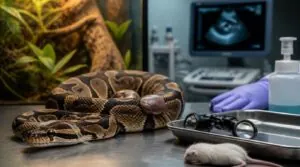
Cancer signs can overlap with several more common snake health problems. A lump, appetite change, or shedding issue does not automatically indicate a tumor. The following conditions can look similar and require veterinary assessment to distinguish them.
Abscesses and Skin Infections
Not every lump is a tumor.
Abscesses and skin infections can cause swelling, redness, discoloration, sores, and pain, often after wounds, improper hygiene, or bacterial contamination. Reptile abscesses may contain thick pus and require veterinary drainage, culture, and antimicrobial therapy. Mouth swelling may reflect infectious stomatitis. Don’t squeeze or lance a mass at home; prompt examination distinguishes infection from cancer.
Parasites and Retained Shed
Abnormal shedding often points to husbandry or parasites, not cancer. Mites disrupt ecdysis, especially around eyes and folds; treatment and stress reduction in captive snakes matter.
- Control humidity and provide surfaces.
- Treat mite infestations through a reptile veterinarian.
- Never force retained eye caps.
- Seek veterinary shedding evaluation for constriction risks, illness-related ecdysis disruption, or parasitic lungworms. Reptile oncology considers tumors.
Respiratory or Digestive Disease
After parasite and shedding concerns are excluded, respiratory or digestive disease can closely resemble cancer. Wheezing, bubbles, open-mouth breathing, diarrhea, regurgitation, weight loss, or mid-body swelling need prompt examination.
| Finding | More likely explanation |
|---|---|
| Clicking | Respiratory infection |
| Diarrhea | Gastrointestinal infection |
| Stomach swelling | Cryptosporidiosis diagnosis |
| Fixed mass | Tumor location |
X-rays, ultrasound, tumor markers, and biopsy distinguish respiratory disease, digestive disease, and neoplasia.
Normal Fasting Versus Anorexia
Food refusal can also mimic cancer. Healthy adults may fast 4 to 8 weeks, and ball pythons may refuse meals for 2 to 3 months seasonally without illness.
Knowing when to act on a fast versus when to wait is covered thoroughly in this guide to recognizing and addressing snake feeding refusal.
- Stable weight suggests normal fasting
- Over 10% weight loss suggests anorexia
- Lethargy or muscle loss warrants concern
Use a gram scale weekly. Persistent refusal beyond eight weeks, behavioral decline, or spine prominence requires a reptile vet. Imaging and biopsy may be needed to assess tumor prognosis.
How Veterinarians Diagnose Snake Cancer

A suspected tumor needs a reptile-experienced veterinarian’s assessment; appearance alone cannot confirm cancer. Diagnosis usually requires a stepwise evaluation to identify the mass and assess whether disease has spread. Your veterinarian may recommend the following tests and examinations.
Reptile-Focused Physical Examination
A reptile vet begins with distant observation, including posture, movement, feces, and breathing. Hands-on examination follows, with scale inspection for lumps or bumps, skin discoloration, wounds, parasites, and abnormal shedding.
| Area examined | What is checked | Why it matters |
|---|---|---|
| Body | Coelom palpation, musculature | Internal masses, weight loss |
| Head | Oral exam, glottis | Mouth tumors, airflow |
| Vent | Vent assessment | Cloacal swelling |
Bloodwork may reveal abnormal cells or tumor markers.
X-Rays and Ultrasound
Imaging extends the physical examination by showing structures that palpation cannot reach. X-rays support radiographic tumor detection, especially for bone changes, chest evaluation, mineralized masses, and possible metastasis scanning.
Ultrasound provides soft tissue evaluation of the coelom, liver, kidneys, reproductive tract, and fluid-filled areas. It helps locate internal masses, assess tumor size, and monitor response during treatment. Both methods guide tumor detection in snakes and practical reptile medicine decisions.
Biopsy for Definitive Diagnosis
Although imaging can identify a suspicious mass, biopsy confirms diagnosis.
During a snake tumor biopsy, your veterinarian collects tissue by needle or surgical sampling after cleaning and anesthetizing the site. Histopathological analysis produces thin, stained sections for microscopic examination. A pathologist interprets features and may use immunohistochemistry in reptiles. Biopsy results identify tumor type and direct staging in snakes.
Staging and Metastasis Checks
Veterinarians stage confirmed tumors to determine whether metastases have reached lymph nodes or distant organs. Thoracic X-rays, ultrasound, CT, or MRI may reveal spread and define surgical margins. Lymph nodes may require fine-needle aspiration or biopsy, even when they appear normal.
CBC, chemistry testing, and urinalysis assess systemic health. Using biopsy results and a TNM-style framework, tumor staging in snakes guides treatment planning and prognosis.
Snake Cancer Treatment and Prognosis
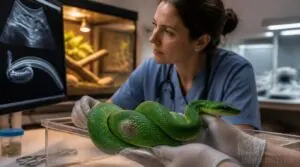
Treatment and prognosis depend on the confirmed tumor diagnosis and how far the disease has progressed. Surgery is often considered when a mass is accessible, but not every tumor can be removed safely. The following factors shape a snake’s treatment plan and expected outlook.
Surgical Tumor Removal
Surgical excision offers the best chance to control a localized snake tumor. After tumor staging in snakes, the surgeon plans anesthesia protocols for reptiles, removes the mass with healthy tissue margins, and may sample nearby lymph nodes when spread is suspected. Careful surgical planning protects important structures.
Postoperative care includes warmth, pain control, wound healing monitoring, pathology review, and follow-up.
Chemotherapy Benefits and Limitations
Chemotherapy in snakes remains selectively used because reptile-specific dosing and chemotherapy effectiveness data are limited.
- It may help control microscopic spread or recurrent disease.
- Drug resistance can reduce long-term benefit.
- Side effects may affect normal tissues and require close monitoring.
- Treatment planning may include tumor markers, scheduling, and supportive care.
When cure is unrealistic, palliative care can reduce symptoms and support quality of life.
Tumor Type and Location
Tumor type and location guide care. Skin tumor locations often cause visible lumps; internal organ tumors or glandular tissue masses may impair breathing or waste passage. Many malignant tumors are internal tumors, requiring imaging to define accessibility and affected structures.
| Tumor | Site | Effect |
|---|---|---|
| Soft tissue sarcomas | Skin | Removal |
| Pigment cell tumors | Scales | Color |
| Lymphatic system cancer | Internal organs | Tumor markers |
Metastasis and Survival Outlook
Metastasis means malignant neoplasia has spread beyond its original site, and it worsens cancer prognosis. In snakes, detectable spread occurs in 42.9% of cancer cases, although imaging may miss microscopic disease. X-rays, ultrasound, biopsy, and occasionally CT or MRI guide staging. Chromatophoromas, hematopoietic cancers, and some sarcomas carry higher risk. Treatment options then often emphasize comfort, because survival rates decline substantially.
Postoperative Heat and Recovery
Recovery care can shape outcome after tumor removal, particularly when metastatic disease remains possible. Keep your snake within its preferred temperature zone during recovery. Controlled warmth helps circulation, drug metabolism, digestion, and wound healing, while overheating can increase metabolic demand.
- Provide monitored supplemental heat.
- Use prescribed pain management consistently.
- Check wounds daily for swelling, discharge, or separation.
- Maintain hydration and assisted nutrition when directed.
- Seek urgent care for worsening lethargy, scale abnormalities, or refusal to move.
When to See a Reptile Veterinarian
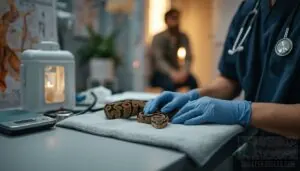
Cancer cannot be confirmed at home, and many warning signs overlap with infections or other reptile illnesses. A reptile-experienced veterinarian should assess changes that persist, worsen, or appear suddenly. The following situations warrant scheduling an examination promptly.
Because cancer can mimic other illnesses, any persistent, worsening, or sudden change in your snake needs a reptile veterinarian
Any New or Growing Mass
Any new or growing mass warrants prompt evaluation by a reptile veterinarian. Track size with photos and notes.
Firm texture, irregular borders, rapid enlargement, ulceration, bleeding, scale discoloration, or abnormal shedding raise concern for a tumor or malignant neoplasm.
Examination may include palpation, X rays, and fine needle aspiration.
Don’t wait for a suspicious swelling to resolve on its own.
Persistent Appetite or Weight Changes
A mass is not the only warning sign. Persistent loss of appetite or measurable weight loss warrants a reptile veterinary visit, especially when your snake skips meals beyond its usual fasting pattern.
Record meals, weekly weight, water use, and enclosure temperatures. Low heat or dehydration can suppress feeding, but continuing decline may reflect internal disease. Early detection helps with treatment planning, cancer prognosis, and an accurate quality-of-life assessment.
Nonhealing Sores or Shedding Problems
Persistent skin lesions deserve the same attention as appetite or weight decline. Seek veterinary evaluation if a sore remains open, swollen, bleeding, or ulcerated for more than two to three weeks, especially after routine wound care.
Shedding difficulties that persist despite corrected humidity and hydration also require assessment. Retained eye caps, patchy shed, or abnormal scales can signal cancer.
Sudden Behavior or Movement Changes
Sudden behavior or movement changes warrant assessment, particularly when a snake becomes defensive, shows restlessness indicators, or refuses to move. Aggression signs, persistent hiding, abnormal coiling, stargazing, twisting, or impaired crawling may reflect pain, neurologic disease, coelomic effusion in snakes, or neoplasia.
Posture abnormalities with scale abnormalities as cancer signs or ecdysis disruption in illness require an experienced reptile veterinarian.
Preparing for The Veterinary Visit
Before the visit, prepare a concise record so the reptile-experienced veterinarian can assess early detection concerns efficiently.
- Document appetite, shedding, waste, activity, and symptom dates.
- Bring medical history, medications, diet details, and test results.
- List questions about veterinary cancer diagnosis, pain management in snakes, and postoperative care.
- Complete patient forms early and transport your snake with proper restraint in a secure carrier.
Frequently Asked Questions (FAQs)
Is cancer common in snakes?
Cancer is relatively common in snakes, with reported prevalence reaching about 15% in some populations. Rates vary by species, and malignant tumors predominate. Early detection improves cancer prognosis and survival outlook.
What are the signs and symptoms of adenocarcinoma?
Like a knot, adenocarcinoma in internal organs causes weight loss, appetite changes, abdominal pain, jaundice, blood in stool, or swelling. These signs and symptoms can indicate malignant tumors and affect cancer prognosis; care is urgent.
What are the signs that a snake is unhealthy?
Watch for lethargy, abnormal hiding or posture, appetite loss, weight fluctuation or weight loss, swelling, skin changes or altered skin texture, eye discharge, mouth rot, incomplete sheds, and other abnormal behavior. Seek reptile-veterinary assessment promptly.
What are the signs that my animal might have cancer?
Persistent lumps, skin changes, non-healing sores, abnormal shedding, appetite loss, weight loss, lethargy, or swelling near lymph nodes may indicate a tumor affecting skin or internal organs. Arrange a reptile veterinarian examination promptly.
What causes cancer in pet snakes?
Your snake didn’t choose bad lighting, secondhand smoke, or a diet of questionable frozen mice. But genetic mutations, environmental toxins, viral infections, poor husbandry, and aging immune systems all quietly raise the risk of neoplasia.
Can snake cancer be prevented?
Not entirely, but you can meaningfully reduce the risk. Proper enclosure hygiene, a balanced species-appropriate diet, UVB lighting, and consistent stress reduction all help lower chronic inflammation, a recognized driver of neoplastic disease in reptiles.
Is cancer contagious between snakes?
No need to hiss-terically worry: cancer isn’t contagious between snakes. Unlike Tasmanian devil facial tumor disease or canine transmissible venereal tumors, snake cancers don’t spread between individuals through contact. Their immune systems block foreign tumor cells.
Which snake species are most at risk?
Colubrid snakes carry the highest overall cancer risk. Common watersnakes show the highest tumor prevalence at 8%, with eastern diamond-backed rattlesnakes at 3% and timber rattlesnakes at 7%. Ball pythons in captivity frequently develop fibrosarcomas.
Can tumors return after surgical removal?
Tumors can be a real hiss-tory: tumor recurrence may follow surgical excision, especially with positive margins or metastases. Monitor growth, appetite, and weight; discuss chemotherapy. Early detection and quality-of-life assessment guide long-term prognosis and care.
Conclusion
Like a faint shadow moving beneath scales, early disease can be easy to miss. Knowing can snakes get cancer signs and symptoms gives you a practical reason to watch for persistent masses, appetite changes, weight loss, sores, or altered movement.
Prompt reptile veterinary assessment helps distinguish tumors from treatable infections and aids biopsy, imaging, and timely care. You can’t diagnose cancer at home, but careful observation may give your snake its best chance for effective treatment.