This site is supported by our readers. We may earn a commission, at no cost to you, if you purchase through links.

Most people picture snakes as unpredictable, coiled and ready to strike. That reputation sticks, but it doesn’t tell the whole story.
In reality, several species make surprisingly calm companions — check out these calmest snake breeds for beginners if you’re curious where to start.
Captive-bred snakes raised with consistent handling from a young age behave nothing like their wild counterparts. A corn snake draped calmly across your forearm, tracking your warmth without a trace of tension, is a different animal entirely from what most beginners expect. That gap between expectation and reality is exactly why so many new keepers are surprised by how settled these animals can be.
The right species makes all the difference. Gentle pet snake breeds like ball pythons, rosy boas, and western hognose snakes have earned their reputation not through luck, but through generations of selective captive breeding. Knowing which breeds suit your space, experience level, and handling goals puts you ahead of most first-time snake owners before you even bring one home.
Table Of Contents
- Key Takeaways
- What Makes a Pet Snake Gentle?
- Best Gentle Pet Snake Breeds
- Comparing Gentle Snake Care Needs
- Handling Gentle Pet Snakes Safely
- Choosing Your Ideal Gentle Snake
- Frequently Asked Questions (FAQs)
- Which pet snake is the kindest?
- Which pet snake is the most affectionate?
- What is the lowest maintenance snake?
- Which snakes are gentle?
- Can gentle snakes coexist with other pets?
- Are gentle snake breeds safe for children?
- What costs are involved in gentle snake ownership?
- How do gentle snakes respond to loud noises?
- Do gentle snakes require regular veterinary visits?
- Can gentle snakes live with other snake species?
- Conclusion
Key Takeaways
- Captive-bred species like corn snakes, ball pythons, and rosy boas have been selectively bred for calm, predictable behavior — making them genuinely different animals from their wild counterparts.
- A snake’s temperament shows in consistent, readable cues: slow movement, relaxed body posture, and steady breathing signal trust, while hissing or tail thrashing mean it’s time to back off.
- Matching the right species to your space and experience level matters before you buy — adult size, enclosure requirements, and lifespans stretching 20 to 30 years all shape what ownership actually looks like.
- Building a reliable routine around short handling sessions, post-feeding rest windows, and annual vet checkups keeps even naturally docile snakes healthy and comfortable long-term.
What Makes a Pet Snake Gentle?
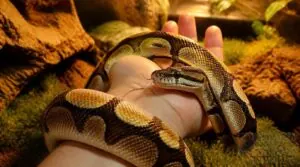
Not every snake earns the label "gentle" just by staying still. A truly calm snake shows consistent, readable behavior — and that comes down to a few key traits worth understanding before you choose one. Here’s what actually separates a gentle snake from one that just tolerates you.
Knowing which species naturally exhibit these traits gives you a head start — this breakdown of non-aggressive snake breeds and their behavioral patterns makes it easier to match the right snake to your experience level.
Calm, Predictable Behavior
A gentle snake doesn’t keep you guessing. The calmest species show predictable patterns you can count on day after day:
- Steady movement patterns with minimal startle responses
- Predictable activity cycles tied to light and temperature
- Slow, deliberate motions during handling
- Consistent feeding schedules that support stable mood
These traits mark a docile, tame snake that’s easy to live with.
Tolerance for Regular Handling
Predictable behavior only goes so far. Building trust gradually means learning your snake’s body language each session.
| Body Language Sign | What It Tells You |
|---|---|
| Aligns along your forearm | Snake is calm and tame |
| Slow, steady breathing | Relaxed, tolerant response |
| Stays alert, doesn’t hide | Comfortable with your presence |
Just as students improve their skills by consistently focusing on data over time, repeated handling sessions help you develop sharper observation habits, similar to how data interpretation skills improve with structured, focused practice. Consistent session timing keeps your gentle, docile snake calm and tame over time.
Defensive Behavior and Biting
Even mild, docile snakes can show defensive behavior now and then. Watch for tail flicking or hissing, as these signal a warning before any bite attempt.
Bite triggers usually involve sudden movements or reaching directly over the head. Bites cause minor puncture wounds that heal quickly with proper cleaning and care. Recognizing these cues keeps you and your snake calm.
Captive-Bred Temperament Benefits
Sourcing a captive-bred snake makes a real difference. These docile animals generally show:
- Calm daytime activity with fewer erratic bursts
- Steady movement patterns when approached or handled
- Fewer defensive episodes during routine enclosure checks
- Consistent feeding response and a reliable appetite
They also adapt quickly to standard terrarium setups, making the first few weeks far smoother for a beginner.
Affection Versus Handling Comfort
Snakes don’t show affection the way a dog does, but when a tame snake coils loosely around your hand and stays calm, that’s a positive interaction worth recognizing.
Understanding how snakes process and respond to touch can help you recognize those calm, coiled moments for what they really are — a sign that trust is quietly building.
When a tame snake coils loosely around your hand and stays calm, that stillness is its version of trust
A docile snake that moves slowly during gentle touch is telling you it’s at ease. Rapid tongue flicking or thrashing are stress signs, and either means it’s time to pause your handling routine.
Best Gentle Pet Snake Breeds
Not every snake is a good fit for a beginner, but a handful of species consistently stand out for their calm nature and ease of care. Each one on this list has earned its reputation through reliable temperament and straightforward husbandry requirements. Here’s a closer look at five gentle breeds worth considering.
Corn Snakes
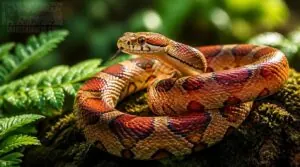
Corn snakes rank among the most beginner-friendly snakes you can own. Their orange-brown bodies with red blotches outlined in black make them one of the more visually striking pet choices.
Their calm temperament makes them easy to handle, and a good snake handling hook for beginners can help new keepers build confidence safely.
Their feeding needs are also refreshingly simple — corn snakes thrive on a mouse-based diet, though it’s worth exploring which pet snakes eat something other than mice if rodents aren’t something you can comfortably handle.
Adults usually reach 4 to 6 feet and can live 20 or more years. Feed them frozen-thawed mice regularly, and you’ll find them gentle, calm, and docile with consistent handling.
Ball Pythons
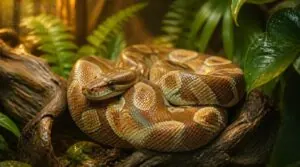
Ball pythons are one of the most docile choices you’ll find as a new keeper. Native to sub-Saharan Africa, adults reach 3 to 5 feet and stay calm and gentle with regular handling. Feed pre-killed rodents every 10 to 14 days.
Keep enclosure humidity around 60 percent to prevent shedding issues. Their stunning color morph varieties add serious visual appeal.
Rosy Boas
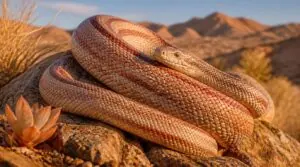
Rosy boas are among the most tame, docile snakes a beginner can keep. Adults stay compact at 2 to 3 feet, slow-moving and gentle by nature.
Their calm temperament holds through regular, predictable handling. A dry, desert-style enclosure suits them well. Feed frozen-thawed mice every 7 to 14 days, and with good care, they can live up to 25 years.
California Kingsnakes
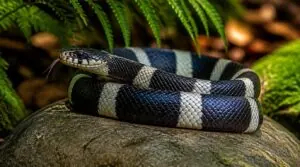
California kingsnakes offer a calm, docile temperament that holds up well under your handling. Their bold banding patterns shift from black and white to brown and cream, giving each snake a distinct look.
Adults reach 2.5 to 4 feet in length. They’re active during the day, accept frozen-thawed rodents reliably, and with proper care, can live 12 to 25 years.
Western Hognose Snakes
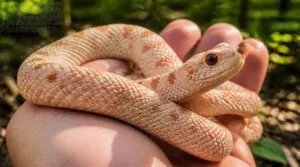
Few snakes combine such a quirky look with genuine docility.
The western hognose has a stout build, an upturned rostral snout for burrowing, and popular color morphs including albino and pastel.
Captive-bred individuals respond well to animal taming and handle in a calm, gentle manner.
Adults stay compact and usually accept frozen-thawed prey on a 7 to 14 day schedule.
Comparing Gentle Snake Care Needs

Each of these snakes shares a calm temperament, but their care needs don’t all look the same. Knowing what separates them — in size, feeding, enclosure setup, and lifespan — helps you find the right fit before you commit. Here’s how they stack up across the details that matter most.
Getting the temperature right matters for all of them, so grab a reliable thermometer and check out these compact terrarium thermometers that work well in smaller spaces.
Adult Size and Space
Even the most docile snake needs space that fits its adult size.
- Corn snake, 4-5 ft: 40-55 gallon, 48-inch length preferred
- Ball python, 3-5 ft: minimum 36x18x12 inches, wider for females
- Rosy boa, 2-3 ft: 20-40 gallon works well for adults
- California kingsnake, 4-6 ft: 40-55 gallon long with horizontal space
- Western hognose, 2-3 ft: 20-29 gallon, wide and shallow
Enclosure Temperature and Humidity
Getting the size right is only half the work. Temperature and humidity shape how your snake eats, sheds, and stays active.
Use a thermostat-controlled heating mat to build a warm zone at 28-32°C and a cool zone at 24-26°C.
| Species | Humidity Range |
|---|---|
| Corn snake | 40-60% |
| Ball python | 50-60% |
| Rosy boa | 40-50% |
| Western hognose | 40-50% |
Track moisture with a hygrometer, and keep ventilation steady to prevent mold buildup.
Feeding Habits and Reliability
Once the enclosure is dialed in, feeding becomes your next routine. Most gentle species are captive-bred and accept frozen-thawed prey reliably. Follow these four basics:
- Feeding frequency: adults eat every 10-14 days
- Juveniles need meals every 5-7 days
- Avoid handling before feeding
- Watch for feeding refusal as a health signal
Consistent schedules reduce stress and help maintain normal shedding cycles.
Lifespan and Long-Term Commitment
A feeding routine is one thing. Long-term commitment is another.
Most gentle species live far longer than people expect. Ball pythons and rosy boas can reach 20 to 30 years in captivity. Corn snakes commonly hit 15 to 20. Plan for that before adoption.
| Species | Typical Lifespan | Key Long-Term Need |
|---|---|---|
| Ball Python | 20-30 years | Enclosure upgrades |
| Corn Snake | 15-20 years | Feeding consistency |
| Rosy Boa | 20-30 years | Stable, dry setup |
Veterinary planning helps catch issues early. Annual checkups support a calm temperament well into old age.
Cleaning and Routine Maintenance
Your snake’s enclosure is a window into its health. Spot cleaning daily keeps waste and odor from building up. Replace paper towel substrate every week or two; coconut fiber often lasts closer to six weeks.
Water dishes need daily refills and a gentle scrub weekly. Wipe surfaces down with a lint-free cloth. Store cleaning supplies well away from food containers.
Handling Gentle Pet Snakes Safely
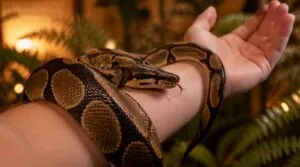
Even the gentlest snake needs you to approach handling with some basic know-how. Getting it right from the start builds trust between you and your snake, and keeps both of you comfortable. Here are the key practices to keep in mind every time you pick one up.
Allowing Time to Settle
Before you reach in for the very first time, your new snake needs quiet. Give it 24 to 48 hours with minimal disturbance after any move or setup change. Keep the surrounding area calm, maintain stable temperatures, and check its water daily.
Once you see regular feeding and clear eyes, the snake is ready for a first gentle handling session.
Supporting The Snake’s Body
Think of your hands as a moving platform. Support the midsection with one hand and let the body drape naturally over your other arm. Never lift by the head or tail alone. A snake’s body is almost entirely spine, so gentle, even support prevents injury.
For snakes over three feet, one handler per three feet of length is the standard guideline.
Keeping Handling Sessions Short
Short sessions are less stressful. Keep gentle handling to under five minutes at first, two to three times weekly, increasing only when the snake shows calm, relaxed behavior.
Watch for these positive cues:
- Slow, easy breathing
- Relaxed head posture
- No hissing or tail thrashing
A calm return to the enclosure matters as much as the session itself.
Avoiding Handling After Feeding
After feeding, your snake needs at least 24 hours of undisturbed rest. Digestion is metabolically demanding, and handling too soon raises a real regurgitation risk that can stress even the calmest species.
Watch for post-feeding stress signs like a gaping mouth or rigid body tension. Gentle observation from outside the enclosure is the safest approach while digestion runs its course.
Choosing Your Ideal Gentle Snake
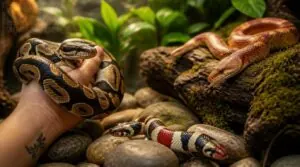
Every snake on this list has something different to offer, and the right one depends on what matters most to you. Whether you’re weighing size, temperament, or how much daily attention you can realistically give, there’s a clear match waiting. Here’s what to think about as you narrow it down.
Best Snake for Beginners
If you’re just starting out, the corn snake is hard to beat. Its calm, predictable temperament makes handling straightforward, and it accepts frozen-thawed mice on a reliable schedule.
A 40-gallon enclosure with a proper temperature gradient setup covers most of its needs.
Docile by nature, corn snakes suit beginners who want a tame, rewarding companion without overly complex care demands.
Lowest-Maintenance Gentle Snake
The rosy boa earns its place as the lowest-maintenance gentle snake you can keep. Its simple setup needs dry substrate, a few hides, and modest warmth. Feeding is straightforward on earthworms or small mice. Its calm temperament holds session after session, and with a lifespan reaching 25 years, the commitment stays rewarding without ever feeling demanding.
For families weighing their options, a guide to safe and easy snake breeds for kids can help narrow the field to calm, non-venomous species like the rosy boa.
Best Choice for Handling
If handling is your priority, the ball python is hard to beat. It tolerates daily gentle sessions lasting up to 15 minutes without showing stress signs like gaping or tail thrashing.
Keep a consistent handling schedule, and it settles into a calm, docile rhythm quickly. That steady, tame behavior is what makes the bond with your snake feel genuinely rewarding.
Matching Size to Space
Match your gentle snake’s adult size to your enclosure before you buy. A 4-to-5-foot species needs a 40 by 20 inch floor area at minimum to move and coil comfortably.
- Corn snake: 40-gallon tank
- Ball python: similar floor area, calm and tractable
- Rosy boa: mild temperament, stays near 4 feet
- Western hognose: compact, under 30 gallons
Plan for adult growth, not hatchling size.
Finding Reputable Captive Breeders
Once you’ve matched size to space, find a breeder who raises gentle, tame stock.
| Step | What to Verify | Key Goal |
|---|---|---|
| Breeder facility visit | Clean housing, healthy animals | Healthy, docile snakes |
| Health clearances check | Current veterinary records | Confirms safe lineage |
| Reputation reference inquiry | Recent buyer reviews, references | Trustworthy, reliable source |
Always request lineage documentation and a written contract guarantee before committing.
Frequently Asked Questions (FAQs)
Which pet snake is the kindest?
Corn snakes earn that title. They’re calm, tame, and genuinely comfortable being handled regularly. Captive-bred individuals rarely show defensive behavior, making them the most consistently docile, kind choice for new owners.
Which pet snake is the most affectionate?
Ball pythons edge out the competition here. They commonly coil around your hands in calm, relaxed exploratory behavior that reads closest to genuine connection, making them the most affectionate choice among beginner-friendly species.
What is the lowest maintenance snake?
If you want almost zero fuss, ball pythons win easily. They feed every 10-14 days, tolerate calm, gentle handling, need simple spot-cleaning, and stay docile with minimal interaction. Low maintenance doesn’t get more literal.
Which snakes are gentle?
Five species stand out for their calm, docile temperament: corn snakes, ball pythons, rosy boas, kingsnakes, and western hognose snakes. All are captive-bred, tolerate handling well, and rarely show defensive behavior.
Can gentle snakes coexist with other pets?
Yes, gentle snakes can coexist with other pets, but direct contact should always be supervised. Proper enclosure security and slow scent-based introductions reduce stress for everyone involved.
Are gentle snake breeds safe for children?
Imagine a seven-year-old meeting a corn snake for the first time. With adult supervision and calm handling, most non-venomous species pose little real risk to children. The key is teaching proper technique from day one.
What costs are involved in gentle snake ownership?
Getting started costs $320–$640 upfront for enclosure, heating, hides, feeders, and an initial vet visit. Monthly expenses run $30–$80, covering food, electricity, substrate, and supplies.
How do gentle snakes respond to loud noises?
Snakes pick up airborne sound through inner ear structures, so loud noises can trigger mild freezing or retreat to cover. Calm, familiar surroundings reduce these reactions, and a peaceful temperament helps snakes recover quickly.
Do gentle snakes require regular veterinary visits?
Scales tip toward yes. Even snakes with a mild temperament need annual vet checkups, once or twice yearly. Preventive care, including parasite screening, catches problems before symptoms show and keeps your snake healthy for years.
Can gentle snakes live with other snake species?
Most snakes are solitary by nature, so cohabitation carries real risk. Stress, competition over hides, and feeding issues can develop quickly. In most cases, separate enclosures are the safer choice.
Conclusion
Choosing a snake is less like adopting a puppy and more like selecting a carefully calibrated instrument. The gentle pet snake breeds covered here don’t just happen to be calm. They were bred that way, generation after generation.
Pick the one that best fits your space, your schedule, and your comfort level. Handle it consistently. Give it enough time. What starts as cautious curiosity on both sides often settles into something quiet, reliable, and steady.