This site is supported by our readers. We may earn a commission, at no cost to you, if you purchase through links.
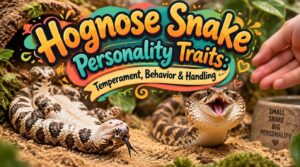
Your hognose snake is about to die. Dramatically. It flips belly-up, mouth gaping, tongue lolling, and if you’re unlucky, it smears a little blood and releases a musk that clears the room.
Then you set it upright, and it rolls right back over.
This theatrical flair is the heart of hognose snake personality traits. These snakes bluff, hiss, and head-butt without ever biting, yet most stay mellow and curious around people. Some hide all day. Others roam like tiny explorers.
Here’s what drives those quirks, from the puffed-up neck to the perfect death scene, and how to earn your snake’s trust.
Table Of Contents
- Key Takeaways
- Hognose Snake Temperament: Docile, Shy, or Curious?
- Hognose Snake Defensive Behaviors: Hissing, Bluff Strikes, and Playing Dead
- Gentle Handling and Building Trust With Your Hognose Snake
- Why Hognose Snake Personalities Vary
- How Habitat and Routine Affect Hognose Snake Behavior
- Frequently Asked Questions (FAQs)
- What is the personality of a hognose snake?
- Do hognose snakes like to be held?
- Do hognose snakes recognize their owners?
- What are the pros and cons of having a hognose snake?
- What is the character of a hognose snake?
- Is hognose snake friendly?
- Are hognose snakes aggressive?
- Can hognose snakes learn their names?
- How do hognose snakes show affection?
- Are male or female hognose snakes friendlier?
- Conclusion
Key Takeaways
- Your hognose will bluff before it ever bites, running through a set routine of hooding, hissing, closed-mouth strikes, and finally playing dead (and rolling back belly-up if you flip it over).
- Most hognoses are docile and curious rather than cuddly, though each snake falls somewhere between shy hider and bold explorer, and temperament varies by species, with easterns being more dramatic than westerns.
- You’ll build trust by waiting about two weeks after bringing your snake home, then handling it gently once or twice a week for under 5 minutes, and never within 48 hours of a meal or during shed.
- Your snake stays calmest with a steady setup of deep substrate, plenty of hides, a proper temperature gradient, and a predictable day-night and feeding routine.
Hognose Snake Temperament: Docile, Shy, or Curious?

Although hognoses have a reputation for drama, their temperament is surprisingly mellow. Western hognoses rank among the least aggressive snakes in the pet trade, which is why first-time owners love them. Most are docile and curious, though they’re not cuddly. Think of your snake as an introvert with a flair for theater: handling is fine when you’re gentle, but solitude is preferred.
If you’re curious how that mellow temperament shows up day to day, this guide to hognose snake personality and behavior explains how each snake’s quirks and trust-building habits develop over time.
A hognose is an introvert with a flair for theater, happy to be handled gently but always preferring its solitude
Every hognose lands somewhere on a spectrum. Some are shy retreaters that tuck themselves under cork bark and stay there all day. Others are bold explorers, plowing across the enclosure like they own the place.
Neither type is wrong, and hatchlings often start out feisty before mellowing with age. Watch your snake’s habits, and you’ll learn its script. When threatened, they put on dramatic bluffing displays by puffing up, hissing loudly, and even playing dead rather than biting.
Hognose Snake Defensive Behaviors: Hissing, Bluff Strikes, and Playing Dead
Your hognose has a whole stage show ready, and it runs in a set order. First comes the hood, a flattened neck, plus a puffed-up body. Next, loud hissing. If you keep pushing, you’ll get bluff strikes: the snake lunges or head-butts with its mouth shut, so nothing actually bites.
Still not convinced? Time for the grand finale. Your snake rolls belly-up, gapes, and writhes before going limp. It may even smear blood or release a foul musk. That’s the play dead routine, and it can last from under a minute to half an hour.
If you can’t tell whether your snake is faking or in real trouble, this guide to telling if a snake is dead walks through the key signs to check.
Here’s the giveaway. Flip a faking hognose right-side up and it rolls over again. Even hatchlings do all of this without being taught.
Give your snake space, and the curtain usually falls.
Gentle Handling and Building Trust With Your Hognose Snake

Once the curtain falls, you can start earning your snake’s trust. Most hognoses are naturally docile, and a calm temperament makes gentle handling easier than you’d expect.
Wait about two weeks after bringing your snake home, and hold off until it’s eating regularly. Then follow this routine:
- Wash your hands so you don’t smell like dinner.
- Approach from the side, then support as much of the body as you can.
- Keep sessions under 5 minutes, then stop while your snake is calm.
Skip handling within 48 hours of a meal. Handle once or twice a week, no more. On off days, a gentle snake hook lets you move your snake during tank cleanings without turning every interaction into a full handling session.
A snake that feels secure in its tank tends to handle calmly, so a proper corn snake enclosure setup helps keep those sessions stress-free.
Confident hands matter. Nervous ones make your snake nervous. Calm sessions work as positive reinforcement, and bonding follows, bluffing fading over time.
If nerves linger, thin reptile handling gloves can boost your confidence, though bare, clean hands usually suit docile hognoses best.
Why Hognose Snake Personalities Vary

Ever wonder why one hognose snake hams it up like a drama star while another hides behind the curtain? Two things shape the show: species and subspecies differences, plus each snake’s own activity and handling quirks. Here’s what to expect from each, so you can read your snake’s personality like a pro.
Temperament Differences Between Species
Westerns play the easygoing sidekick, while easterns chase the dramatic lead. That’s snake temperament variations at work. Westerns stay curious and calm, and they take rodents without fuss. Easterns hood, hiss, and strike more readily.
Southerns almost never bite, but they’re shy. Those behavioral traits suit patient keepers.
Every reptile temperament has individual variation, so expect surprises. Stay flexible, friend.
Individual Activity and Handling Preferences
Snakes bring their own scripts, and individual variation runs wide. Some are explorers, roaming all day and staying calm when touched. Others are shy retreaters who hide and bluff at your approach.
Read these behavioral traits and temperament cues:
- Hiding all day: give space
- Roaming calmly: try slightly longer sessions
- Refusing meals: stop handling
- Stress after 30 seconds: end early
How Habitat and Routine Affect Hognose Snake Behavior
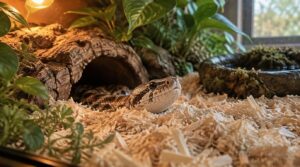
Substrate sets the stage for your hognose’s whole performance. Offer 4 inches of loose aspen and watch the digging begin. Add cork flats and plants, because cover calms a shy snake faster than extra floor space ever will.
Routine matters just as much. Keep your enclosure setup steady with these basics:
- Run a temperature gradient with a warm basking spot and cooler hides.
- Keep humidity around 30 to 50 percent for westerns, with one damp hide.
- Use timers for a predictable day and night cycle.
- Stick to your feeding schedule, offering meals in late morning.
Skip handling for 48 hours after meals and during shed. Predictability is your magic trick, and a secure snake rewards you with calm, curious behavior.
Frequently Asked Questions (FAQs)
What is the personality of a hognose snake?
Think of your hognose as a small drama queen with a soft heart. Their docile temperament shows when you’re gentle. Handling usually goes smoothly, and these curious explorers calm down fast, though defensive displays happen when they’re startled.
Do hognose snakes like to be held?
Not really, but they’ll put up with it beautifully. Hognoses make great beginner snakes because their mellow temperament rewards gentle handling.
Keep regular handling short and calm, and bonding follows. Expect some hissing drama first.
Do hognose snakes recognize their owners?
Picture your hognose snake as a tiny actor who’s learned your cue, not your name. Owner recognition is unproven. Your scent and steady handling techniques may calm it, but that’s habituation, not loyalty or bonding.
What are the pros and cons of having a hognose snake?
Owning a hognose is like adopting a stage actor. They’re docile, great beginner snakes, and gentle handling goes a long way.
The catch? Defensive displays and play dead drama, plus fussy eating if temps slip.
What is the character of a hognose snake?
Ever met a snake that faints for applause? Your hognose is a theatrical bluffer with a docile, gentle temperament. They hiss, flatten their necks, and play dead, yet rarely bite, and gentle handling builds trust.
Is hognose snake friendly?
Hognose snakes have three defensive behaviors: hissing, bluff strikes, and playing dead. So friendly means calm, not cuddly.
Their temperament is shy but tolerant, and brief, gentle handling usually suits these curious little explorers best.
Are hognose snakes aggressive?
Nope, not aggressive at all. Your hognose has a docile temperament, and its defensive behaviors are pure stage drama: hissing, hooding, closed-mouth bluff strikes.
Gentle handling usually calms the show, so you’ll rarely get bitten.
Can hognose snakes learn their names?
But yours comes when called! That’s just habit, not a name. Snake scent recognition and positive reinforcement build snake owner recognition, so your routine fuels snake bonding, while hognose snake personality traits set the pace.
How do hognose snakes show affection?
Your hognose won’t show affection like a dog, so skip the loyalty expectations. Calm, exploring behavior after gentle handling mostly signals tolerance and scent recognition, not attachment or owner recognition. Low stress is your win.
Are male or female hognose snakes friendlier?
Picture a talent show where every contestant is a drama queen, male and female alike. Neither sex wins the friendliness crown.
Temperament and personality traits vary by individual, so gentle handling matters more than gender.
Conclusion
Picture a tiny actor flopped belly up, tongue out, waiting for applause. That drama is only one act of your hognose snake personality traits. Behind the hissing and bluffing, most are calm, curious, and surprisingly easygoing.
Give yours a steady habitat, a predictable routine, and gentle hands. Respect its shy days and celebrate its explorer days. Trust builds slowly, one calm handling session at a time. Soon, the death scene becomes a joke you share.