This site is supported by our readers. We may earn a commission, at no cost to you, if you purchase through links.

Your snake hasn’t moved in hours. No tongue flicks, no rib movement, nothing when you tap the glass. Before panic sets in, know this: snakes can breathe so slowly their chest looks frozen, brumate for weeks in a near-coma, and even play dead on purpose. Meanwhile, a snake that’s actually gone can still strike by reflex, so guessing wrong cuts both ways. Whether you’re staring into a pet enclosure or a garage corner, you need a safe, methodical way to figure out what you’re dealing with. Here’s how to tell if a snake is dead, without getting bitten.
Table Of Contents
- Key Takeaways
- How Can You Tell if a Snake is Dead?
- How to Check an Unresponsive Snake Safely
- Is The Snake Dead, Brumating, or Playing Dead?
- What Physical Changes Occur After a Snake Dies?
- What Should You Do if Your Pet Snake Appears Dead?
- Frequently Asked Questions (FAQs)
- Is my snake dead or just not moving?
- What are the signs that a snake is dying?
- Do snakes still move after dead?
- What happens if a snake dies?
- How do you know if a snake is dying?
- How long does it take for a dead snake to stop moving?
- Why is my snake stiff and not moving?
- How long do snakes live in captivity?
- What is a snakes average lifespan?
- How often should a snake be fed?
- Conclusion
Key Takeaways
- Confirm death through a layered check—watch for breathing and tongue flicks over several minutes, test responsiveness without touching (air movement, gentle taps), then assess muscle tone and body temperature—since any single sign can mislead you.
- Never assume a motionless snake is safe: even a "dead" snake can strike by reflex, and a live one may be playing dead (thanatosis) or brumating, so use tools and barriers and never put your hands near the head.
- Post-mortem changes follow a predictable timeline—rigor mortis within 1–6 hours, cloudy sunken eyes within 2–4 hours, and bloating or odor by 6–24 hours—though cold rooms slow everything down, so factor temperature into your judgment.
- If signs stay ambiguous, give the snake 15–30 minutes of observation, try a lukewarm (about 85°F) soak test to see if a brumating or ill snake perks up, and call a reptile vet or animal control rather than guessing.
How Can You Tell if a Snake is Dead?

So your snake isn’t moving, and you need answers fast. The good news: there are a few straightforward checks you can run right now, most without touching it at all. Here’s what to look for, in the order I’d recommend.
And if part of you is wondering whether sex has anything to do with it, this guide on how to tell the gender of a snake breaks down those clues in detail.
Observe Breathing and Tongue Flicks
At rest, a healthy snake breathes slowly, so watch the body for several full minutes. Here’s what to check:
- Watch the ribs and belly for rhythmic movement, even faint breathing.
- Note any snake tongue flicking cessation; a live snake flicks its tongue regularly.
- Count the snake respiration rate; no visible breathing over minutes is concerning.
- Confirm the room is warm before concluding anything.
Consistency matters more than one still moment.
Test Responsiveness Without Handling
Still no tongue flicks? Try a noncontact stimulation test. Gently tap near the head or wave a hand to move air. A live snake usually reacts, even subtly.
| Test | Live Snake Response |
|---|---|
| Air movement | Tongue flick |
| Nearby tap | Head withdrawal |
| Light touch (tool) | Body tension |
| Gentle lift of tail (tool) | Coiling |
| Prolonged stillness | None |
This snake unresponsiveness test avoids handling. Active reflexes fade after death, though snake defensive mimicry can fake stillness briefly.
Even a snake that seems completely gone deserves caution, and this guide to whether snakes roll over when they die clears up the myths.
Check Muscle Tone and Temperature
If your unresponsive snake won’t react, it’s time for hands-off physical checks. A dead snake shows flaccidity: lift the mid-body gently with a tool, and a limp, sagging posture with no "grip" indicates death.
Then feel for a snake body temperature drop. A snake cold to the touch at mid-body, well below its basking warmth, points toward death rather than illness.
Look for Post-Mortem Changes
Flaccidity and a cold body can still be early death signs, so wait a few hours and recheck. Snake postmortem changes only deepen with time:
If you’re seeing twitches or open-mouth movements during that waiting period, this guide on why snakes move after death explains the reflexes behind it.
- Reptile rigor mortis: stiffness that worsens, not relaxes
- Snake eye cloudiness and sunken, dull eyes
- Snake color change after death, plus drying skin and odor
If bloating or smell develops, you have your answer.
How to Check an Unresponsive Snake Safely
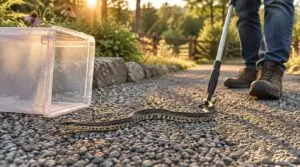
Before any closer look, put a physical barrier between you and the snake. Even a "dead" snake can strike by reflex, so never put your hands near the head, especially with any venomous snake safety concern. Call animal control if you can’t identify the species.
Use this sequence:
- Watch for tongue flicks and breathing for several minutes; snake respiration is subtle and intermittent.
- Gently touch the body’s far end with a long tool, not your hand, and note any intentional response.
- Support the midsection and check for a righting response; a live snake will usually try to reposition itself.
A warm soak test can help, since cold slows everything and confuses determining snake vitality. Still unsure? Treat it as alive and get a reptile handler.
Is The Snake Dead, Brumating, or Playing Dead?
So your snake isn’t moving, and now you’re wondering which of three possibilities you’re dealing with. A brumating snake is basically hibernating, a snake in thanatosis is faking death, and a severely ill one might just look dead while still clinging to life. Each has its own tells, so let’s walk through them one at a time.
And if your snake does snap at you while you’re checking on it, this guide to handling a corn snake bite will help you respond without making things worse.
Signs of Brumation
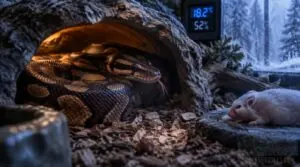
Is your snake dead, or just sleeping through winter? Brumation, the reptile version of hibernation, slows everything down. A brumating snake breathes rarely, skips meals, and hides for weeks, yet still shows faint tongue flicks or small eye movements.
Ball python hibernation is common in cool rooms. Unlike true snake mortality signs, brumation is reversible, so watch patiently before panicking.
Signs of Thanatosis
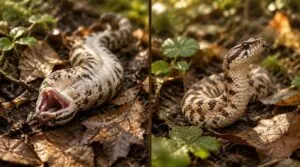
Think of it as a switchboard that’s flipped off, not fried. In thanatosis, your snake’s playing dead as an antipredator strategy, and the tell is timing. The death-feigning performance starts fast after a disturbance, then ends fast too. You’ll see suppressed tongue flicks, rigid limbs, and no head reflex for one to three minutes. Wait 5–10 minutes undisturbed; movement usually returns.
Severe Illness Versus Death
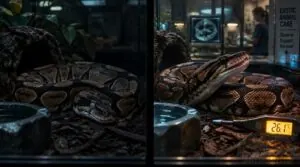
Here’s the paradox: a snake that looks dead may be very alive, and a snake that looks fine may be dying. Reptiles tolerate low oxygen so well that severe respiratory illness can hide behind a normal appearance. Watch for open-mouth breathing, wheezing, mucus, or pale gums, and note if your snake camps on the cool side.
A snake that looks dead may be alive, and one that looks fine may be dying
In laboratory settings, a measurable drop in body temperature has proven to be a reliable early indicator of impending death, underscoring how subtle physiological changes can signal mortality before obvious signs appear. A proper snake mortality assessment needs a vet, not guesswork.
What Physical Changes Occur After a Snake Dies?
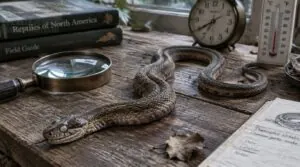
A dead snake doesn’t stay looking like a snake for long. Within hours, the body starts a predictable shutdown, and knowing the timeline helps you confirm what you’re seeing.
Here’s the rough sequence:
- Rigor mortis kicks in within 1–6 hours. Snake muscle stiffness starts in the trunk and jaw, then spreads to the limbs. If the snake died coiled, the stiffness may look uneven.
- The eyes turn to hazy sunken cloudy eyes within 2–4 hours, and the skin changes color, shifting from pale to red-purple where blood pools underneath (livor mortis).
- By 6–24 hours, the belly may bloat as gas forms, and the skin slackens. Greenish discoloration follows.
Remember, warmth speeds all this up; cold slows it down. A cool room can delay every postmortem sign listed here, so factor temperature into your judgment.
What Should You Do if Your Pet Snake Appears Dead?

So you’ve done the checks and you’re still staring at a snake that won’t move. Don’t panic, and don’t start poking.
First, give it a short reassessment window. Reptiles pause their breathing for long stretches, so wait 15 to 30 minutes and watch for tongue flicks or any throat movement. A warm soak test can help too: place the snake in shallow, lukewarm water (about 85°F). A brumating or ill snake often perks up; a truly dead one won’t.
Second, minimize handling. Rough handling can injure a weakened animal or get you bitten by a thanatosis performer.
Third, if signs stay ambiguous after snake death verification attempts, call a reptile vet. Only a professional pet snake diagnosis settles dead or hibernating for good.
Frequently Asked Questions (FAQs)
Is my snake dead or just not moving?
Here’s the honest answer: a limp, rag-doll body is a bad sign. Combine that with no visible breathing, no tongue flicks, and zero response to gentle touch, and your snake is likely dead. Unsure? Call your vet.
What are the signs that a snake is dying?
A flickering candle gutters before it goes out. Signs of a dying snake include shallow, irregular breathing, weak or absent tongue flicks, poor muscle tone, and lack of responsiveness to gentle stimuli, all warranting immediate veterinary care.
Do snakes still move after dead?
Yes, briefly. Residual nerve activity can trigger twitching for minutes to hours, and snakes are famous for this. Don’t rely on movement alone; check breathing, tongue flicks, and reflexes before assuming anything.
What happens if a snake dies?
When a snake dies, its body cools to room temperature, muscles stiffen within hours, breathing and tongue flicks stop completely, and irreversible physical changes begin. Postmortem decomposition follows, with odor, skin discoloration, and clouding eyes.
How do you know if a snake is dying?
Ironically, snakes are great at hiding illness until it’s nearly too late. Watch for dying snake signs: lethargy, irregular breathing, twitching, poor muscle coordination, no reaction to light. These snake mortality indicators mean see a vet immediately.
How long does it take for a dead snake to stop moving?
Here’s the surprise: most dead snakes stop moving within 1 to 5 minutes, though snake reflexes after death can cause twitching longer in cold conditions. Rigor mortis sets in later, stiffening the body within hours.
If you’re unsure whether a motionless snake is dead or just brumating, this guide on how to tell if your snake is dead or hibernating walks you through the safest checks.
Why is my snake stiff and not moving?
Stiffness doesn’t always mean death; cold snakes stiffen too. But rigor mortis sets in within hours of death. Check responsiveness, breathing, and muscle tone. A warm, unresponsive, rigid snake likely died.
How long do snakes live in captivity?
My neighbor’s ball python just turned 25, still going strong. Pet snake lifespan generally runs 10–30 years by species: garters 6–15, corns 15–20, boas 25–
Proper heat, humidity, diet, and vet care beat hibernation stress. Track snake health assessment yearly.
What is a snakes average lifespan?
A typical pet snake lifespan runs 10 to 20 years, though ball pythons often hit 30 or more. Since coldblooded animals have a slow snake metabolic rate, good husbandry and vet care dramatically extend life expectancy.
Because breeding readiness depends on size more than years, this guide to ball python age and breeding maturity explains why weight matters.
How often should a snake be fed?
Roughly 60% of pet snake health issues trace back to feeding mistakes. Feed juveniles every 5–7 days and adults every 10–14 days, matching prey width to body girth, and adjust for temperature.
Conclusion
A snake that looks dead might be alive, and a snake that looks alive might strike you. That’s the whole puzzle in one sentence. Work through the signs slowly: breathing, tongue flicks, muscle tone, then post-mortem changes. Never assume, and never grab first.
Knowing how to tell if a snake is dead protects you and, if you’re a pet owner, gives your snake its best chance. When in doubt, call a professional and keep your distance.