This site is supported by our readers. We may earn a commission, at no cost to you, if you purchase through links.
Across North America, wild snake populations carry a silent threat embedded in the soil beneath them. Ophidiomyces ophiodiicola, the fungus responsible for SFD snake fungal disease, doesn’t need a host to survive—it persists in leaf litter, moist soil, and environmental biofilms, waiting.
PCR surveillance has detected it in 17.2% of sampled snakes across multiple continents, including a confirmed first case in Japan reported in 2021.
What makes ophidiomycosis particularly difficult to contain is how unremarkable early infection looks: a crusted scale, slight facial swelling, an abnormal shed.
By the time systemic involvement becomes obvious, treatment options narrow considerably.
Table Of Contents
- Key Takeaways
- What is SFD in Snakes?
- Causes and Transmission of SFD
- Symptoms of Snake Fungal Disease
- Diagnosis and Reporting of SFD
- Treatment, Prevention, and Conservation
- Frequently Asked Questions (FAQs)
- How to treat SFD in snakes?
- What is SFD snake disease?
- Can humans get snake fungal disease?
- What is the mortality rate for snake fungal disease?
- How to treat snake fungal disease?
- How do you treat fungal disease in snake plants?
- What are the clinical signs of snake fungal disease?
- How does SFD affect snake behavior?
- Is SFD contagious among different snake species?
- What are the economic implications of SFD?
- Conclusion
Key Takeaways
- Ophidiomyces ophiodiicola survives in soil and leaf litter without a host, meaning exposure risk doesn’t end when an infected snake moves on—environmental decontamination is non-negotiable.
- Early signs like a crusted scale or retained shed are easy to dismiss, but by the time the infection goes systemic, your treatment options shrink dramatically.
- No single antifungal reliably cures SFD, so effective management leans heavily on supportive care, strict quarantine, and dedicated equipment to prevent spread between animals.
- Because the fungus has been confirmed in over 42 snake species across multiple continents, your observations and reports to wildlife agencies directly strengthen the surveillance network tracking this disease.
What is SFD in Snakes?
Snake fungal disease, or ophidiomycosis, is caused by a single fungal pathogen that attacks the skin and can work its way deep into a snake’s body.
The culprit is specifically Ophidiomyces ophidiicola, a pathogen worth understanding if you want to recognize early signs of snake skin infection before it progresses.
Understanding what it is—and why it’s spreading—helps you recognize it before it becomes fatal.
Here’s what you need to know about SFD and why researchers are paying close attention to it.
Snake Fungal Disease Definition
Snake fungal disease — also called SFD or ophidiomycosis — is a skin infection caused by Ophidiomyces ophiodiicola, a keratinophilic pathogen that targets scales and outer tissue in non-mammalian hosts.
It doesn’t follow a single geographic boundary; confirmed cases span multiple continents.
Diagnosing SFD requires meeting specific diagnostic criteria, combining visible lesion patterns with laboratory confirmation rather than appearance alone.
Ophidiomycosis Meaning
Ophidiomycosis is the clinical term for Snake Fungal Disease (SFD) — a fungal infection caused by Ophidiomyces ophiodiicola that targets snake skin and deeper tissues.
Case classification isn’t based on appearance alone; diagnostic criteria require molecular confirmation alongside visible lesions.
Some snakes even show subclinical infection, testing positive without obvious signs. When both align, the term "apparent ophidiomycosis" applies.
Ophidiomyces Ophiodiicola Fungus
The pathogen behind SFD is Ophidiomyces ophiodiicola — a keratinophilic fungus from the order Onygenales that targets keratin degradation in snake tissue. Its genomic diversity influences virulence factors, complicating both diagnostic methods and antifungal medications. The climate change impact on soil moisture and temperature may expand its range.
- It survives in soil without a host
- It’s not transmissible to humans
- PCR detected it in 17.2% of surveyed snakes
The disease was first documented in Asia in Japan, as reported in the first Asian report in Japan.
How SFD Affects Snake Skin
Once O. ophiodiicola establishes itself, keratin degradation begins at the skin surface. You’ll notice scale thickening, crusted or ulcerated scales, and coloration changes as surface moisture disrupts normal tissue integrity.
These clinical signs of ophidiomycosis — skin lesions, ulcerations, and microbiome shift — alter bacterial diversity across affected areas.
Identification of typical skin lesions confirms active fungal invasion well before internal spread occurs.
Why SFD is an Emerging Wildlife Disease
What makes SFD a genuinely emerging snake fungal disease in North America isn’t just its spread — it’s how much remains unknown.
Geographic knowledge gaps, host species uncertainty, and transmission pathway ambiguity mean you’re working with an incomplete picture.
Environmental reservoir persistence in soil keeps exposure risk alive across seasons, while human activity influences pathogen transmission.
These gaps carry real conservation implications for wild snake populations.
Causes and Transmission of SFD
Understanding how SFD spreads is the first step toward stopping it. Ophidiomyces ophiodiicola moves through environments and between snakes in several distinct ways. Here’s what’s driving transmission.
Contaminated Soil, Water, and Surfaces
Soil isn’t just dirt — it’s a reservoir. Soil biofilm persistence means O. ophiodiicola clings to particles long after a snake has moved on, making soil contamination a primary transmission pathway.
Water runoff pathways carry the fungus from fields into drinking water sources and slow streams.
Surface residue transfer occurs through rocks, logs, and humid conditions in moist corners where snakes repeatedly shelter.
Environmental Survival of The Fungus
What makes O. ophiodiicola so persistent is its ability to survive long after a snake has left the scene.
Through Biofilm Protection and Wet-Dry Cycles, spores shed into the environment remain viable for months:
- Spore Longevity in moist soil exceeds seasonal cycles
- Microhabitat Reservoirs form under bark, leaf litter, and debris
- Seasonal Sporulation peaks during warm, humid periods
- Environmental persistence of fungi increases near wetland edges
- Transmission pathways of snake fungi include soil contamination and waterborne dispersal
These environmental reservoirs of fungal pathogens expand exposure well beyond known outbreak zones.
Temperature and Humidity Factors
temperature and humidity aren’t just comfort factors—they’re the conditions under which O. ophiodiicola thrives. The fungus grows optimally at temperatures between 20–30°C, overlapping directly with active snake habitat ranges.
high humidity and skin moisture stress from poor ventilation microclimates create ideal invasion conditions. inadequate basking temperature disrupts thermal stress responses, weakening skin barrier integrity.
These environmental factors influencing fungal growth and spread will likely intensify as climate change shifts regional moisture patterns.
Snake-to-Snake Transmission Risks
Direct contact drives most snake-to-snake pathogen transmission. During mating transmission events, basking overlap, or fights, infected scales shed fungal material onto healthy skin.
Water dish contamination turns shared soaking spots into exposure hubs. Bag towel transfer during handling moves fungus between enclosures.
Offspring exposure is especially concerning—neonates encounter infected material before their skin barriers fully develop. Asymptomatic carriers complicate disease transmission dynamics further, spreading infection without visible signs.
Human-Mediated Spread Through Gear
Transport tub contamination, cross-handler equipment, and footwear carryover all create silent transmission routes for this fungus. The pet snake trade has introduced multiple genetic lineages of O. ophiodiicola into new regions.
Field gear transfer moves contaminated soil embedded in clothing or shoes between sites. Biosecurity protocols and public awareness remain your most effective preventative measures against human disturbance accelerating spread.
Captive Snake Quarantine Concerns
Quarantine doesn’t end transmission risks—it just relocates them. Captive snakes can carry O. ophiodiicola on apparently normal skin, making biosecurity protocols inside the isolation space just as important as keeping wild and captive populations separate.
Effective disease management in captive snakes depends on these core practices:
- Keep isolation cohort size small to limit exposure events
- Establish observation frequency schedules to catch early facial crusting or retained shed
- Document behavioral stress indicators—reduced appetite, lethargy—using consistent record‑keeping protocols
- Improve enclosure design for ventilation and rapid substrate replacement
- Treat antifungal treatment challenges for ophidiomycosis as a baseline assumption, not a fallback
Symptoms of Snake Fungal Disease
Snake fungal disease doesn’t hide well — it leaves visible marks that, once you know what to look for, are hard to miss. The symptoms range from subtle skin changes to serious internal complications.
Here’s what SFD actually looks like in an affected snake.
Facial Swelling and Crusted Scales
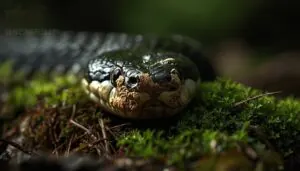
Facial swelling is often the first visible clinical sign of ophidiomycosis, you’ll notice. Facial edema stages progress from localized puffiness around the eyes and nares to broader facial disfiguration, with crust distribution patterns advancing across adjacent scales.
Mouth gape restriction develops as swelling tightens surrounding tissue, while behavioral lethargy and respiratory effort increase signal worsening systemic involvement — key early indicators demanding immediate evaluation.
Skin Ulcers, Nodules, and Lesions
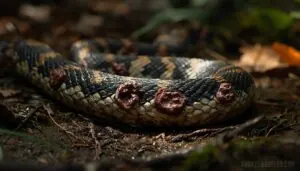
Beyond facial changes, SFD produces progressive skin lesions across the body.
Ulcer morphology ranges from shallow surface breaks to deep wounds exposing underlying tissue, while nodule surface texture shifts from smooth papules to crusted, ulcerated masses through classic papule nodule progression.
- Scattered nodules/lumps along the trunk
- Open ulcers with ragged borders
- Subcutaneous lesions indicating tissue damage depth
- Broad lesion distribution across neck and tail
Retained Shed and Abnormal Shedding
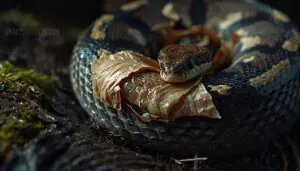
Abnormal shedding is one of the clearest clinical signs of ophidiomycosis you’ll notice.
SFD disrupts the shedding cycle, leaving patchy, incomplete sheds that dry into constriction bands around the tail or torso. Moisture accumulation under trapped skin raises secondary bacterial risk considerably.
Standard husbandry intervention strategies rarely resolve this alone—skin swab samples are needed to rule out or confirm the fungal component driving repeated shedding failure.
Eye Infections and Nasal Involvement
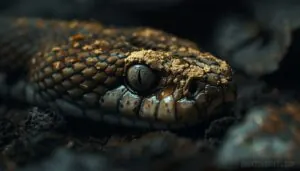
Eye infections in snake fungal disease SFD often signal that head lesion propagation is already underway.
Periocular crusting, ocular discharge patterns, and tear duct blockage develop as fungal activity spreads across facial tissue—nasal cavity involvement usually follows, producing nasal airflow obstruction and noisy breathing.
These paired signs are a critical clinical sign that antifungal medications and immediate diagnostic workup can’t be delayed.
Pneumonia and Internal Spread
When the nasal cavity becomes a conduit for Ophidiomyces ophiodiicola, internal spread accelerates. Fungal invasion triggers pneumonia through Lung Barrier Breach, initiating a Systemic Cytokine Surge and Vascular Dissemination that can follow a Sepsis Development Pathway—ultimately risking Multi-Organ Failure.
These clinical signs of ophidiomycosis demand urgent diagnostic approaches for reptile fungal infections, as treatment challenges for ophidiomycosis increase substantially once infection turns systemic.
Weight Loss, Lethargy, and Appetite Changes
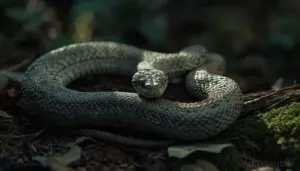
As skin integrity deteriorates, you’ll notice a cascade of clinical signs: appetite collapse, lethargy, and measurable weight loss. SFD disrupts normal thermoregulation changes and energy allocation, driving down feeding frequency and metabolic rate.
Body condition scoring reveals progressive muscle and fat loss.
clinical signs of ophidiomycosis reflect serious morbidity in snakes and complicate diagnostic approaches for reptile fungal infections and treatment challenges for ophidiomycosis.
Severe Tissue Damage and Mortality
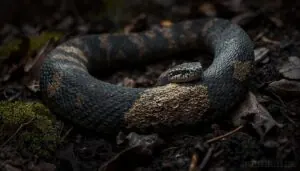
Untreated SFD doesn’t just stay skin-deep. Vascular necrosis develops as blood flow collapses in affected tissue, triggering systemic inflammation that can escalate into multi-organ failure.
Untreated SFD turns a skin infection into systemic collapse, where vascular necrosis and inflammation spiral into multi-organ failure
Cytokine storm responses drive rapid clinical deterioration—prognostic indicators like disseminated ulceration and internal spread signal critical decline.
Microscopic examination confirms invasive hyphae throughout organs. Health effects and mortality associated with SFD rise sharply once clinical pathology crosses systemic thresholds.
Diagnosis and Reporting of SFD
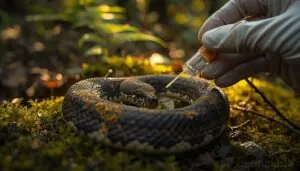
Spotting a sick snake is one thing — confirming what’s actually wrong is another. Diagnosis goes beyond what you can see on the surface, and reporting what you find plays a real role in protecting wild populations.
Here’s what the process actually looks like.
Visual Signs Versus Confirmed Diagnosis
Spotting lesions doesn’t equal a diagnosis. Visual reliability has real limits—crusting, facial swelling, and ulcers that match clinical signs of ophidiomycosis can stem from trauma or bacterial infection. Misidentification risks are genuine without laboratory confirmation.
Confirmed SFD requires:
- PCR detection or culture and DNA detection
- Microscopic examination of tissues for invasive hyphae
- Compatible histopathology alongside positive fungal tests
- Standardized scoring protocols to separate suspect from confirmed cases
Public observation facilitates surveillance, but confirmed cases drive accurate mapping.
Skin Swabs and Tissue Biopsies
Two collection methods anchor diagnostic approaches for reptile fungal infections: skin swabs and tissue biopsies. Swab sensitivity limits mean surface sampling can miss deeper fungal infiltration—sampling depth impact is real.
Biopsies capture invasive material more reliably for culture or DNA detection and PCR detection.
Aseptic collection protocol, proper transport media selection, and labeling guarantee valid results.
Biopsy healing considerations apply, particularly in compromised snakes.
Histopathology and Invasive Hyphae
When swabs and biopsies reach the lab, microscopic examination of tissues tells the definitive story. Histopathology confirms Ophidiomyces ophiodiicola through GMS staining, which highlights fungal walls against host tissue.
Pathologists look for:
- Hyphal septation patterns distinguishing this pathogen from other fungi
- Epidermal invasion beyond superficial scale layers
- Dermal tissue reaction with surrounding necrosis
- Perivascular inflammation marking active host-pathogen interactions in reptiles
- Hyphae embedded within damaged tissue, not merely surface contamination
These findings advance clinical pathology from suspicion to confirmation.
Wildlife Agency Disease Surveillance
Once histopathology confirms a case, that finding enters a broader disease surveillance network. Wildlife agencies practice Sentinel Site Sampling—returning repeatedly to fixed locations to build detection baselines.
Specimen Data Capture links field coordinates, species, and lab IDs into searchable records.
Interagency Information Sharing and Standardized Case Definitions guarantee partner agencies interpret findings consistently across jurisdictions, strengthening the Laboratory Confirmation Workflow that separates confirmed SFD from field-suspected signs.
Reporting Sick or Dead Wild Snakes
Your observation feeds directly into disease surveillance networks.
When you spot a sick or dead snake, contact your nearest state or federal wildlife agency promptly—noting location accuracy with landmarks or coordinates. Describe visible skin abnormalities from a safe distance.
Follow your state’s mortality reporting page for reporting protocols. Public involvement in wildlife health surveillance strengthens field surveillance far beyond what agencies can achieve alone.
Treatment, Prevention, and Conservation
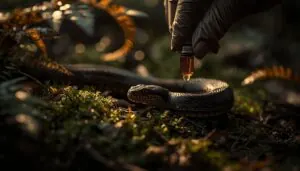
Managing SFD isn’t straightforward — there’s no single cure that works reliably across all species or settings. What veterinarians and conservationists do have are practical approaches that, used together, give affected snakes a better shot at survival.
Here’s what the current evidence backs for treatment, prevention, and protecting wild populations.
Antifungal Medication Limitations
Treating ophidiomycosis isn’t as simple as prescribing a pill. Antifungal drug development for snakes lags far behind human medicine, and the therapeutic challenges are real:
- Drug toxicity limits long-term use of itraconazole
- Absorption variability means inconsistent drug levels in snake tissue
- Delivery challenges arise from poor lesion penetration
- Resistance development can render repeated treatments ineffective
- Cost burden accumulates across weeks-long regimens
Treatment efficacy remains frustratingly unpredictable.
Supportive Care for Captive Snakes
When antifungals fall short, supportive care becomes your primary tool.
Gradient Enclosure Design lets a sick snake self-regulate its temperature, directly supporting immune function. Minimal Handling reduces stress, while Dedicated Hospital Equipment prevents cross‑contamination.
Maintain a clean, dry environment, follow a consistent Bleach Disinfection Schedule, and apply sound Rehydration Protocols early.
Disease management in captive snakes depends on these fundamentals — not medication alone.
Wound Care, Fluids, and Nutrition
Once your snake is stable, hands-on wound care becomes essential.
- Saline Soaks rinse lesions gently before topical ointment application — always warmed to avoid chilling.
- Fluid Rehydration Protocols prioritize hydration over feeding; fluid therapy aids circulation and recovery.
- Protein-Rich Prey and nutritional support begin only after rehydration, with Weight Trend Monitoring guiding every adjustment.
A clean dry environment, supportive care, and consistent monitoring and isolation keep recovery on track.
Quarantine and Sanitation Practices
Effective disease management in captive snakes starts with structure. Dedicated Quarantine Gear—separate hooks, tongs, and food dishes—prevents cross-contamination between enclosures. A One-Way Workflow ensures quarantined snakes are handled first, with healthy residents addressed last.
Apply a 10 percent bleach solution using a full Contact Time Protocol before relocating equipment. Bag all bedding according to Bedding Disposal Procedures.
Always wear nitrile gloves to maintain safety protocols.
Safe Handling and Disinfection Guidelines
Every tool you touch matters. Use dedicated cleaning tools for each enclosure and never share equipment between animals.
A 10 percent bleach solution needs at least 15 minutes of bleach contact time—rinse thoroughly, then air dry.
Wear nitrile gloves and personal protective equipment, and make sure ventilation safety measures are in place.
Follow the Don’t Let It Loose campaign‘s public guidance for safe snake handling, and maintain record keeping procedures for every cleaning session.
Impact on Wild Snake Populations
Wild snake populations across North America show clear Population Decline Trends wherever Ophidiomyces ophiodiicola establishes itself.
The impact of fungal infection on snake populations compounds quickly—Reproductive Success Reduction follows reduced body condition, while Habitat Fragmentation Effects isolate survivors into shrinking patches.
Genetic Diversity Loss accelerates in fragmented groups, weakening long-term resilience.
The epidemiology of snake fungal disease in North America confirms the geographic spread and distribution of Ophidiomyces ophiodiicola is still expanding.
Why SFD Matters for Ecosystems
Losing snakes doesn’t just reduce one species—it triggers Trophic Cascades that reshape entire communities. SFD’s conservation impact reaches far beyond individual animals:
- Food Web Dynamics collapse when key predators vanish, allowing rodent populations to surge
- Habitat Connectivity fractures as diseased snakes stop dispersing
- Biodiversity Insurance erodes without healthy snake populations stabilizing microhabitats
- Ecosystem Services decline, including agricultural pest control and nutrient cycling
Wildlife disease monitoring and tracking environmental reservoirs of fungal pathogens remains essential to reversing these population impacts of disease.
Frequently Asked Questions (FAQs)
How to treat SFD in snakes?
Treating ophidiomycosis is genuinely difficult.
Antifungals like voriconazole show inconsistent results, and management and treatment strategies for ophidiomycosis often combine supportive care—hydration monitoring, nutritional supplementation, and topical antiseptic use—with wound debridement to slow progression.
What is SFD snake disease?
Snake fungal disease is a fungal infection caused by Ophidiomyces ophiodiicola, targeting snake skin through its keratinophilic nature.
Clinical signs include lesions, swelling, and systemic spread, with diagnosis and treatment remaining critical wildlife challenges.
Can humans get snake fungal disease?
Ophidiomyces ophiodiicola doesn’t pose a documented zoonotic risk to humans. Current evidence shows no confirmed human infections.
Your primary exposure precautions focus on hygiene and disinfection after handling snakes or contaminated environments.
What is the mortality rate for snake fungal disease?
Mortality varies widely by species, setting, and infection severity.
Captive mortality reached 40% in experimental cottonmouth studies.
Wild mortality climbs higher in vulnerable populations, with temperature-dependent mortality shifting outcomes substantially between cooler and warmer conditions.
How to treat snake fungal disease?
There’s no single cure. Treatment combines nebulized terbinafine, topical antifungal application, and supportive care, but antifungal drug resistance and treatment challenges for ophidiomycosis make outcomes inconsistent.
Environmental decontamination and monitoring protocols are essential throughout.
How do you treat fungal disease in snake plants?
Fungal disease in snake plants calls for soil fungicide application, root rot management through improved drainage, humidity control, and propagation sanitation.
Remove affected leaves, treat with leaf spot treatment products, and adjust watering immediately.
What are the clinical signs of snake fungal disease?
Clinical signs include scale discoloration, facial swelling, mouth ulceration, scattered nodules and lumps, retained shed, tail necrosis, respiratory distress, abnormal behavior, and skin infections.
— confirmed through microscopic examination of tissues using diagnostic approaches for reptile fungal infections.
How does SFD affect snake behavior?
SFD rewires a snake’s daily rhythm.
Surface activity rises, hiding behavior shifts, and feeding anorexia emerges as disease progression advances, quietly dismantling normal movement, reproduction, and survival before visible clinical signs fully appear.
Is SFD contagious among different snake species?
Yes — cross-species susceptibility is well-documented. Ophidiomyces ophiodiicola infects over 42 snake species through shared den sharing dynamics and contaminated environments, making interspecies spread a real and documented risk across wild populations.
What are the economic implications of SFD?
The socioeconomic impacts of snake disease outbreaks ripple wider than most expect—straining agency budgets, creating conservation funding gaps, disrupting captive breeding costs, and triggering tourism revenue loss across affected regions.
Conclusion
The scales are finally tipping in favor of awareness—and that matters more than it might seem. SFD thrives where attention lapses, in overlooked sheds, unreported carcasses, and contaminated gear carried trail to trail.
You don’t need a laboratory to make a difference. Recognize the signs, disinfect your equipment, and report sick or dead snakes to wildlife agencies.
Every observation you contribute builds the surveillance network this silent fungus doesn’t want you to have.