This site is supported by our readers. We may earn a commission, at no cost to you, if you purchase through links.
Your snake stops eating, presses its head into the substrate corner, and just sits there for days. You check the thermostat: fine. You check the water bowl: full. What you don’t see is the humidity that’s been sitting at 75% for two days straight, quietly setting up conditions for scale rot and respiratory infection.
Most snake habitat health concerns don’t announce themselves. They build slowly, through a gap in ventilation, an unwashed water bowl, or a temperature gradient that’s a few degrees off. By the time you spot a symptom, the root problem has usually had days to develop.
You’ll need more than instinct to catch these issues early. What follows covers the specific numbers, timeframes, and warning signs that separate a healthy enclosure from one that’s slowly working against your snake.
Table Of Contents
- Key Takeaways
- Common Snake Habitat Health Concerns
- How to Create a Healthy Snake Enclosure
- Preventing Zoonotic Disease in Snake Habitats
- Snake Habitat Cleaning and Quarantine Protocols
- When Snake Habitat Problems Require Urgent Action
- Frequently Asked Questions (FAQs)
- What state has the worst snake problem?
- What did Jesus say about snakes?
- Which smell do snakes hate?
- What illness can you get from snakes?
- What lighting requirements do captive snakes need?
- How often should snake enclosure substrates be replaced?
- Which plants are safe for snake habitat enrichment?
- Can multiple snake species share the same enclosure?
- What backup heating options prevent temperature emergencies?
- How does habitat fragmentation threaten wild snake populations?
- Conclusion
Key Takeaways
- Humidity above 70% for just 48 hours can trigger scale rot and respiratory infection, so your snake’s habitat can turn dangerous long before you spot any symptoms.
- You’ll want a temperature gradient with a 78-88°F basking zone and a 72-78°F cool side, since swings over 10°F in an hour cause thermal stress and digestion problems.
- Salmonella lives on surfaces and in water bowls without any visible sign, so washing your hands for 20 seconds after handling and disinfecting the enclosure regularly protects your whole household.
- Sticking to a routine, daily spot-cleaning, a full deep clean every 30 days, and a 90-day quarantine for new snakes, catches most problems early, even though you won’t catch every single one.
Common Snake Habitat Health Concerns

Your snake’s enclosure can turn against it in ways you won’t notice until real damage is done. Small setup mistakes often lead to big health problems, and most of them are preventable once you know what to watch for. Here are the five habitat issues you’ll want to catch early.
Before your snake even arrives, walking through a complete guide to pet snake care can help you spot these setup mistakes before they become real problems.
Temperature and Humidity Problems
Since snakes can’t regulate their own body heat, your enclosure’s thermostat calibration becomes their lifeline. Aim for a basking zone of 78-88°F and a cool side near 72-78°F, checked at multiple points.
Getting those numbers right often comes down to your bulb choice, so it’s worth reading this guide to choosing the right wattage for your snake’s tank before you buy one.
Nighttime dips beyond 68°F, or swings over 10°F within an hour, trigger thermal stress and digestion trouble. Watch humidity too: above 70% invites mold; below 30% causes dehydration.
Respiratory Illness and Poor Ventilation
Humidity swings hurt, but stale air kills quietly. Airflow obstruction lets bacterial aerosols build past 10,000 CFU/m³, while ammonia climbs above 25 ppm, irritating delicate respiratory tissue. Left unaddressed, these conditions can lead to signs of respiratory infection such as wheezing, nasal discharge, and open-mouth breathing.
- Watching your snake gasp for breath, wheezing through swollen airways
- Discovering mucus plugs clogging their nostrils within 48 hours
- Losing a beloved pet to preventable pneumonia
- Facing vet bills from neglected ventilation design
You’ll need real airflow, not just a screen lid.
Scale Rot and Skin Damage
Bad air hurts the lungs, but wet bedding rots the skin. Scale rot starts when humidity stays above 70% for 48 hours, letting Aeromonas bacteria invade softened scales.
| Sign | Timeframe |
|---|---|
| Yellow discoloration | Day 1-2 |
| Blisters form | 3-5 days |
| Ulceration | Week 1 |
| Systemic infection | 7-10 days |
| Full recovery | 14-21 days |
Daily waste removal and dry substrate prevent it entirely.
Mites, Ticks, and Parasites
Skin damage invites more trouble: parasites. Snake mites (Ophionyssus natricis) show up as tiny black or red dots near the eyes, jaw, and cloaca, causing anemia and spreading disease between snakes.
- Check weekly with a magnifying glass
- Watch for excessive soaking
- Try betadine baths, 75-85°F
- Use ivermectin or afoxolaner per vet guidance
- Quarantine new snakes 90 days
Ticks carry Q fever, too.
Dehydration and Contaminated Water
Water problems sneak up on you. Empty bowls, stagnant water, or wrong pH (aim for 6.5-7.5) all cause dehydration and contamination. Dechlorinate tap water first.
If you notice your snake soaking more than usual, it’s worth reading up on why snakes sit in their water dish, since it can signal anything from shedding prep to mites.
| Problem | Cause | Fix |
|---|---|---|
| Dehydration | No fresh water | Refill daily |
| Bacteria | Dirty bowl | Scrub weekly |
| pH imbalance | Untested water | Test monthly |
How to Create a Healthy Snake Enclosure
Prevention beats treatment every time, and a well-built enclosure is your first line of defense against most of the problems you just read about.
You’ll need to get several key elements right, since they work together to keep your snake healthy and stress-free.
Here’s what to focus on when setting up a habitat that actually fits your snake’s biology.
Species-Specific Temperature Gradient

Your snake can’t shiver or sweat, so it depends entirely on you for thermal regulation. Set up a warm side and cool side, minimum 27°F apart, with basking surfaces matching species needs (corn snakes: 83-88°F). Never let the cool side drop below 72°F. Use digital probe thermometers, not analog dials, since accuracy within a few degrees matters for your snake’s health.
Safe Humidity and Ventilation

Get humidity wrong and you’re looking at respiratory infections or stuck shed. Place your digital hygrometer centrally, away from water dishes, and calibrate it every few months for accurate readings.
Mount ventilation fans externally, vents low at the cool end, high at the warm end, creating convection that exchanges air 4-8 times hourly. This humidity-ventilation balance prevents both mold and dehydration.
Appropriate Substrate Selection
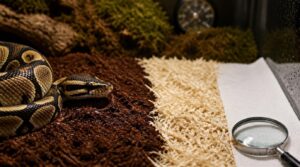
What’s under your snake matters as much as what’s above it. Coconut coir holds humidity for tropical species like ball pythons, while aspen shavings suit drier setups but need dust-free, lab-grade sourcing.
Skip cypress mulch, since it often carries pesticides or mites. Paper towels offer sterile, dust-free convenience for quarantine tanks. Test new substrate batches, and replace coconut fiber every 3-4 months, aspen every 2-3.
Secure Hides and Enrichment
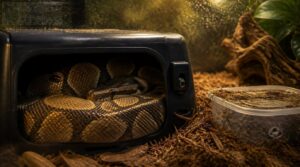
A tight hide isn’t cruelty, it’s comfort. You’ll want your snake’s body touching the walls for that "cocooned" feeling, with locking hide mechanisms on PVC or DIY coconut shells preventing escapes.
Add foraging toys, like punctured containers hiding prey, since environmental enrichment curbs boredom-driven stress and keeps natural hunting instincts sharp.
Lighting and Day-Night Cycles

Darkness matters as much as light. Mimic sunrise with a 12-hour light cycle in breeding season, dropping to 11 in winter.
Position UVB bulbs 9 to 18 inches from the basking spot, targeting a UVI of 2.0 to 3.0, since glass blocks UVB wavelengths entirely.
Consistent photoperiod regulation stabilizes circadian rhythms, improving shedding and feeding response.
Preventing Zoonotic Disease in Snake Habitats
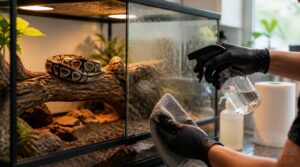
Sharing your home with a snake means sharing its bacteria, too, and Salmonella tops that list. You can cut your risk dramatically with a few consistent habits around handling, cleaning, and household setup. Here’s what you need to know to keep your enclosure safe for everyone under your roof.
Salmonella Transmission Risks
Because Salmonella lives in feces, water bowls, and enclosure surfaces, exposure doesn’t require direct handling. Fecal contamination pathways let bacteria reach hands, then mouths, often invisibly, since contaminated water bowl hygiene and surfaces look, smell, and taste normal.
That’s why cross-contact prevention matters: 20 to 100% of snakes carry it. Consistent surface disinfection protocols and disinfection efficacy interrupt zoonotic disease spread before it starts.
Handwashing After Snake Handling
Since that bacteria hides on skin without a trace, your hands become the last line of defense. Wash with warm water and soap for 20 seconds immediately after handling, scrubbing nails and between fingers.
Once you’ve washed up, a calm, confident technique like how to pick up a snake without getting bitten, sliding one hand under the body a third of the way down, reduces stress and handling risk.
- Use 60%+ alcohol sanitizer only if soap’s unavailable
- Never sanitize visibly dirty hands
- Air dry or use clean towels
- Supervise kids under 5 closely
Safe Waste Removal
Wash hands isn’t enough if waste sits in the enclosure. Bag feces immediately in sealed containers, wear nitrile gloves, and use a dedicated scoop, never bare hands. Double-bag anything wet or bloody. Transport waste straight to an outdoor container, away from housing.
Log removal dates, since patterns reveal illness early, before disinfecting the substrate itself.
Reptile-Safe Enclosure Disinfection
Once waste is out, disinfection finishes the job. Pick reptile-safe disinfectants like F10SC or chlorhexidine, never household cleaners. Scrub with enzyme cleaners first, then apply disinfectant, keeping surfaces wet for proper contact time.
Rinse thoroughly afterward, air dry completely, and work in a separate area from food prep. Replace substrate before returning your snake home.
High-Risk Household Precautions
Because kids and curious pets don’t understand zoonotic diseases, you need physical barriers, not just good intentions. Install child safety barriers and lock enclosures, keep dogs and cats away entirely, and separate contaminated laundry from household loads.
Clean bathroom surfaces after any splashing, and always quarantine new snakes 90 days before introducing them, since disease doesn’t announce itself until it’s already spread.
Snake Habitat Cleaning and Quarantine Protocols

A clean enclosure isn’t just tidy, it’s a health strategy, since bacteria and parasites thrive in neglect. You’ll need routines that cover daily upkeep, deeper resets, and careful isolation for newcomers. Here’s what a solid cleaning and quarantine schedule actually looks like.
Daily Spot-Cleaning Routine
Two minutes a day keeps the vet away. Scoop feces and urate clumps with a dedicated spoon, spot-clean soiled substrate, and swap water bowls daily using hot, soapy water.
Check hides for shed skin, wipe fecal stains from decor, and log findings in a simple record. Immediate waste removal curbs bacterial buildup before it starts.
Scheduled Deep Cleaning
Once a month, spot-cleaning isn’t enough. You’ll want a full deep clean every 30 days, moving your snake to secure temporary housing first.
Strip all substrate, scrub surfaces with reptile-safe disinfectant, and let it sit 10 minutes minimum for contact time. Soak decor 15 minutes, wipe heat lamps dry, then rinse everything with dechlorinated water before your snake returns home.
90. Day Quarantine Setup
New snakes don’t join your collection on day one, they earn it. Set up a separate quarantine room with dedicated equipment, paper towel substrate, and digital monitoring.
Log feedings, weight, and fecal testing through 90-day isolation. Vets should run parasite screening at 4-8 week intervals before granting health clearance.
Skip a step, and you’ll risk the whole collection.
Routine Parasite Inspections
A mite hiding in a scale fold won’t announce itself, so you have to go looking.
A mite hiding in a scale fold stays silent until you go looking for it
Weekly checks matter: rub your snake over white paper, check eye caps, inspect the water dish for drowned mites.
- Fecal testing every 4-8 weeks
- Cloacal swabs for pentastomes
- Direct smear plus flotation
- Log every result
Consistent screening catches trouble early.
Backup Heating and Monitoring
Power outages kill snakes faster than most keepers realize, since cold-blooded animals can’t self-regulate. You’ll want a backup heat source like propane heaters (5,000 BTU, 12-hour runtime) or a marine battery with 12-volt pads.
Pair this with remote temperature alerts through SensorPush or Govee sensors. Log readings hourly during outages, as gradual drift causes more harm than sudden drops.
When Snake Habitat Problems Require Urgent Action

Most habitat issues give you time to fix them, but some don’t. You’ll need to recognize the moments when waiting isn’t an option, since a few hours can matter. Here’s what counts as a genuine emergency, and what you should do about it.
Serious Illness Warning Signs
Watch your snake closely, since early signs save lives. Ptosis, drooping breath, or blood in waste signal neurotoxic or hemorrhagic crisis.
- Facial drooping or paralysis
- Bleeding from mouth or vent
- Labored, gasping breathing
- Sudden lethargy or collapse
You must call your vet immediately, as respiratory failure and organ collapse progress fast without emergency care.
Escapes and Enclosure Failures
Escapes aren’t just embarrassing, they’re dangerous. Baby snakes squeeze through 1mm door gaps; standard mesh tears under pressure.
Check mesh gap security (0.6mm stainless steel), door latch integrity, and ventilation screen strength monthly.
Nine in ten escapes trace back to poor enclosure security. Test materials for cracks.
An escapeproof enclosure needs secure locking mechanisms, not friction latches snakes can shove open.
Allergic and Respiratory Reactions
Your enclosure isn’t the only thing that can fail. Dust, bedding particles, and cleaning fumes irritate airways, causing wheezing or coughing. Some people develop true allergic reactions to substrate or shed skin.
Improve ventilation, use air filtration, rinse cleaning products fully, and wear a mask during maintenance. Symptoms persisting after habitat changes warrant medical evaluation.
Venomous Bite Emergency Response
A venomous bite is a medical emergency, full stop, even if you’re not sure what species struck.
Call emergency services immediately, keep the bite below heart level, skip tourniquets and aspirin. Watch for anaphylaxis.
Since Wisconsin’s only native venomous snakes are the timber rattlesnake and eastern massasauga, this guide to venomous snakes in Wisconsin helps you recognize which one you may have encountered.
Hospitals decide on antivenom based on symptoms, since coagulopathy and tissue damage can escalate fast without it.
Contacting a Reptile Veterinarian
Track down a reptile-savvy vet before you need one, not during an emergency. Search Association of Reptile and Amphibian Veterinarians listings, ask local herp groups, or look for ABVP/ACZM diplomates.
Prepare:
- Medical records
- Symptom notes (appetite, shedding)
- Enclosure temps/humidity
- Cleaning routine details
Call ahead, confirm they treat reptiles, since not all exotic vets do. Good visits include husbandry guidance, not just diagnosis.
Frequently Asked Questions (FAQs)
What state has the worst snake problem?
North Carolina wears the crown like a thorn-covered wreath: highest snakebite rate in the nation at 8 per million yearly. High human encounter frequency with copperheads, its most frequent biter, drives this geographic hotspot.
What did Jesus say about snakes?
Jesus used biblical snake symbolism often: he promised believers authority over serpents (Luke 10:19), urged wisdom like serpents (Matthew 10:16), likened himself to the bronze serpent for healing (John 3:14), and issued a condemnation warning calling hypocrites "vipers" (Matthew 23:33).
Which smell do snakes hate?
Like the serpent that tempted Eve, snakes navigate the world by scent, using their tongue and Jacobson’s organ. Clove, cinnamon, and peppermint repel them, while a vinegar solution or citrus deterrents work well around outdoor habitat perimeters.
What illness can you get from snakes?
You’ll face several zoonotic diseases, mainly Salmonella transmission and bacterial contamination. Leptospirosis exposure, Giardia transmission, and Cryptosporidium risk also matter, alongside respiratory sensitivity, allergic reactions, respiratory infections, and fungal infections, since poor hygiene turns handling into a genuine health gamble.
What lighting requirements do captive snakes need?
Without proper light, your snake’s world goes dark as a cave. Run a 12-hour on/off timer, add UVB bulbs for calcium absorption, and position fixtures over the basking spot to shape a real temperature gradient.
How often should snake enclosure substrates be replaced?
You’ll want a full substrate swap every 4-8 weeks, timing driven by species and enclosure conditions. Spot-clean daily between changes. Watch for odor, dampness, or visible waste buildup since these signal it’s time sooner, regardless of your calendar.
Which plants are safe for snake habitat enrichment?
A million toxic houseplants exist, so choose wisely. Stick with spider plants, Boston ferns, or bromeliads, all non-toxic and humidity-tolerant. Match light needs to your setup, and use small pots for easy, safe hiding-spot enrichment.
Since corn snakes burrow and hide, a guide to safe plants for a corn snake terrarium can help you pick varieties that thrive without overwatering.
Can multiple snake species share the same enclosure?
You shouldn’t mix species. Temperature needs, size differences, and disease transmission risk vary too much between species. Kingsnakes prey on other snakes, so cohabitation isn’t just stressful, it’s often fatal, even under careful supervision.
What backup heating options prevent temperature emergencies?
Picture your heat lamp dying at 3 a.m. in a blizzard. You’ll want battery-powered heat mats, a generator with proper wiring, or car heat ready, plus a working carbon monoxide detector nearby.
How does habitat fragmentation threaten wild snake populations?
Fragmentation traps snakes in isolated patches, causing genetic diversity loss and population isolation risk. Edge effects increase predation and desiccation, while prey scarcity worsens survival odds.
Corridor restoration remains essential for maintaining gene flow and long-term biodiversity protection.
Conclusion
The irony is that the quietest snake, the one giving you no trouble, is often the one hiding the most danger, since reptiles mask illness until it’s serious.
Most snake habitat health concerns trace back to small oversights: a hygrometer left uncalibrated, a water bowl skipped for a week, a hide never checked for mites.
You won’t catch every problem. But you’ll catch most, if you watch closely and act fast. That’s the job.