This site is supported by our readers. We may earn a commission, at no cost to you, if you purchase through links.

Your snake’s eyes just turned an opaque, milky blue overnight, and its strike hit nothing but air, missing a mouse it would normally nail in one clean shot. Don’t panic. This is the cloudy eyes snake shedding stage, a completely normal part of ecdysis where fluid builds between the old and new skin, scattering light the same way our sky turns blue. Vision drops by roughly 60-70% during this window, so hiding and skipped meals aren’t drama, they’re instinct.
Understanding the timeline, from first cloudiness to clear eyes again, helps you tell normal shedding from something that actually needs a vet’s attention.
Table Of Contents
- Key Takeaways
- What Cloudy Eyes Mean During Snake Shedding
- Cloudy Eye Stage and Shedding Timeline
- Caring for Snakes With Cloudy Eyes
- Cloudy Eyes or an Eye Problem?
- When Cloudy Eyes Need Veterinary Care
- Frequently Asked Questions (FAQs)
- How long after cloudy eyes do snakes shed?
- Why does my snake have foggy eyes?
- Can a cloudy eye clear up on its own?
- How to tell when a snake is done shedding?
- Can I use eye drops during the cloudy stage?
- Should I offer food while eyes look cloudy?
- How often should I mist during cloudy eyes?
- Can stress trigger early or delayed shedding cycles?
- Do all snake species show cloudy eyes equally?
- Conclusion
Key Takeaways
- Cloudy, milky-blue eyes are a normal part of shedding, caused by fluid building between old and new skin that scatters light—not an illness—and typically lasts 4 to 7 days.
- During this phase your snake’s vision drops by roughly 60-70%, so hiding, skipped meals, and defensive strikes are just instinct kicking in, not signs of distress.
- Keeping humidity in the 65-70% range, maintaining a proper temperature gradient, and offering fresh water all help ensure a clean shed and prevent complications like retained eye caps.
- See a vet if cloudiness lingers past 10 days, shows up with swelling or discharge, or if a retained spectacle doesn’t come off on its own after shedding.
What Cloudy Eyes Mean During Snake Shedding
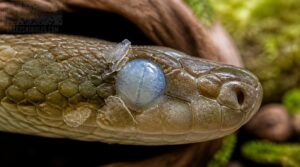
Your snake’s eyes turned milky blue, and now you’re staring at the tank wondering what’s going on. Don’t panic—this is one of the most normal, predictable stages of shedding there is. Here’s what’s actually happening beneath the surface, and why it matters for how you handle the days ahead.
This "blue phase" signals your snake’s old skin is separating from the new layer underneath, and understanding what triggers the blue phase in snake shedding can help you avoid handling stress during this vulnerable window.
Fluid Beneath The Old Skin
Ever wonder what’s actually happening under those milky blue eyes? Specialized glands release ecdysial fluid between old and new skin, a lipid-rich lubricant loaded with sterols, ketones, and glycoproteins. This isn’t just slippery goo. It carries antimicrobial function too, guarding against infection while separation happens.
Skip this fluid, and you’re looking at retained eye caps or an incomplete shed down the road. This entire process is part of the natural ecdysis skin renewal cycle that snakes undergo throughout their lives.
Why Eyes Look Blue
So why blue, specifically? That milky hue comes down to light scattering in the iris stroma, where collagen fibers scatter short blue wavelengths more than longer ones. Melanin amount matters too, less pigment lets more scatter show through.
It’s the same physics behind blue skies, not blue pigment at all, just structure bending light your way.
A snake’s cloudy eyes are just physics, the same light-scattering that paints the sky blue
Temporary Vision Changes
That fluid layer doesn’t just change color, it changes how your snake experiences the world. Expect roughly 60-70% visual impairment, with poor depth perception and near tunnel vision.
Prey detection gets tough, even food sitting right in front of them. Don’t panic if they seem jumpier than usual; impaired sight often triggers defensive strikes at ordinary movement.
Normal Pre-Shed Behavior
Given all this, what should you actually watch for at home? Four behaviors show up together: increased hiding, reduced appetite, surface rubbing, and water soaking. Your snake isn’t sick, it’s prepping.
Defensive posture rises too, especially in juveniles still refining that instinct. Keep humidity steady and give it space; this phase passes on its own.
Cloudy Eye Stage and Shedding Timeline
Cloudiness doesn’t just appear out of nowhere, it’s one stop on a fairly predictable timeline. Knowing what comes before and after that milky-eyed phase helps you tell normal shedding from a snake in trouble. Here’s how the whole process usually unfolds, stage by stage.
Early Pre-Shed Signs
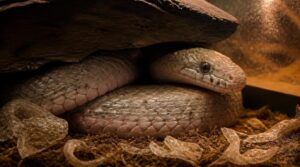
Long before eyes turn cloudy, your snake’s skin loses its shine. Watch for dull skin, a faint pink belly, and sudden appetite drop. Increased hiding ramps up too, sometimes days ahead.
If these signs show up outside the normal cycle, checking your snake’s healthy shedding frequency can help you spot what’s off.
Scale texture roughens, almost papery under your fingers. These early signs unfold over 4 to 7 days, your snake’s quiet way of saying "shed’s coming.
Cloudy Phase Duration
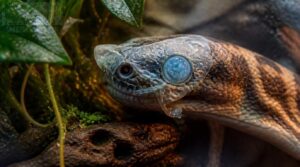
How long will those cloudy eyes stick around? Usually 4 to 7 days, though age matters, juveniles clear faster while older snakes linger longer.
Humidity below 40% delays separation; consistent, species-appropriate moisture keeps timing predictable. Cooler temps stretch the phase too.
Untreated dysecdysis or retained eye caps often trace back to inconsistent conditions during this stretch.
Clear Eyes Before Shedding
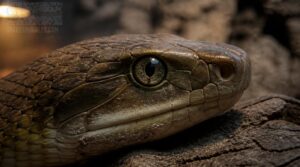
Watch closely and you’ll catch it: eyes go from milky blue back to clear, usually 24 to 48 hours before actual shedding starts. That fluid reabsorbs, vision returns, but skin stays dull.
Your snake often starts rubbing its face on rough surfaces now. Don’t handle yet, appetite and confidence are still recovering from days of impaired vision.
Active Skin Removal
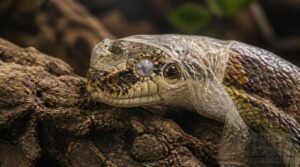
Once the first tear opens near the mouth, your snake gets to work, pushing muscles backward like peeling off a sock. Active shed duration runs 2 to 7 days.
Rough surfaces matter here; cork bark or sandpaper give the traction needed. Skip proper humidity, and skin sticks, risking retained eye caps instead of one clean piece.
Normal Post-Shed Appearance
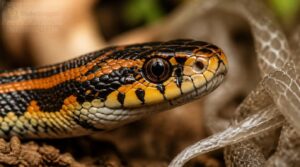
So what does success look like? Bright scale colors, glossy skin sheen, and full clear eye restoration within 24-48 hours. No cloudy eyes, no retained eye caps, just crisp vision and vivid patterns.
Expect increased appetite post-shed and steady weight gain post-shed too. Your snake’s earned that meal.
Caring for Snakes With Cloudy Eyes
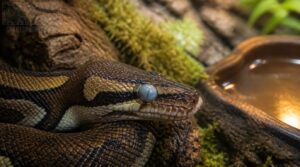
Your snake can’t tell you what it needs right now, but its enclosure can do the talking for you. Cloudy eyes mean shedding is underway, and your job is to make that process as easy on its body as possible. Here’s what to check and adjust while you wait it out.
Species-Appropriate Humidity
A desert boa and a green tree python don’t need the same air. Species-specific needs matter here: desert snakes want 30-40% humidity, tropical species need 80%+, and ball pythons do best around 50-60%, climbing to 65-70% during shedding. Match your humid hide design and misting schedule to your snake’s native biome, not a generic chart.
Proper Temperature Gradient
Getting humidity right sets the stage, but heat is what actually drives the shedding process. A proper temperature gradient, warm side 85-90°F, cool side dropping several degrees, lets your snake regulate blood flow for shedding. Use a digital probe at basking surface, not air.
Drop nighttime temps 5°F, never below 75°F, to avoid retained eye caps.
Moist Humid Hide
Temperature drives shedding, but moisture finishes the job. Give your snake a humid hide with damp sphagnum moss, wrung-out-sponge damp, not soggy, placed snug against the substrate near the water dish.
Target 65-70% humidity inside during pre-shed. Replace material every 2-3 days; stagnant, moldy hides invite retained eye caps, not clean sheds.
Fresh Drinking Water
That damp hide covers skin, but what about the fluid your snake’s losing internally? Cloudy eyes signal fluid shifts, and hydration matters just as much as humidity.
Offer clean, lukewarm water daily, refreshed even if untouched.
- A full bowl your snake can soak in
- Water sipped slowly near the humid hide
- Condensation droplets on cage walls after misting
Limit Feeding and Handling
Water’s covered, so what about food? Skip meals entirely once eyes turn blue; over 75% of snakes refuse prey anyway, and forced attempts just waste feeders.
Resume feeding 24-48 hours after a complete shed, once eyes clear. Already fed recently? Honor the safe handling interval, waiting 48 hours before touching your snake to avoid regurgitation and unnecessary stress.
Cloudy Eyes or an Eye Problem?
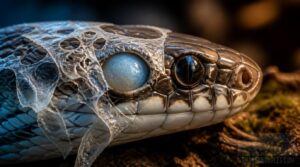
So how do you tell normal shedding haze from something that actually needs your attention? Most of the time, cloudy eyes follow a predictable pattern, but a few red flags break that mold. Here’s what separates routine shedding from a genuine eye problem.
One Eye Versus Both
Do both eyes look cloudy, or just one? That distinction matters more than owners realize.
Unilateral cloudiness happens, one eye often clears 24-48 hours before its partner during dysecdysis. This asymmetric eye clearing is normal:
- Vision impact unilateral cases stay mild, the clear eye keeps hunting sharp
- Bilateral vs unilateral cloudiness both resolve before shedding
- One eye first clearing shouldn’t spark panic
Swelling, Discharge, or Injury
A bulging, domed spectacle isn’t ordinary dysecdysis, it signals fluid or infection behind the cap. Watch for purulent discharge, thick and foul-smelling, or facial swelling suggesting deeper trouble.
Trauma-induced swelling from a rough hide edge looks different too: localized, sometimes with a visible scratch. Corneal abrasion care and fungal infection risk both demand veterinary eyes, not home remedies.
Persistent Cloudiness After Shedding
So your snake’s shed and those eyes are still hazy? Give it ten days. Normal cloudiness clears within 7-10 days as fluid dissipates; beyond two weeks, something’s off.
Check humidity first, low levels leave residual membrane behind. Thick discharge or one-sided cloudiness points toward infection or duct blockage, not routine dysecdysis. Track it, don’t guess.
Retained Eye Caps
Sometimes that cloudiness sticks around because the spectacle never came off, still glued to the eye after shedding ends. Retained eye caps stem mostly from low humidity or dehydration during the cycle.
Try:
- Warm water soak, 10-15 minutes
- Gentle cotton swab attempt
- Never force with tweezers
- Call your vet if stuck
Untreated caps risk vision loss.
Incomplete Shed Warning Signs
A shed that stalls tells a story. Watch for tail tip patches, that stubborn ring of old skin snakes struggle to shed alone, plus skin constriction, retained caps, or appetite loss past a week.
Delayed shedding beyond 72 hours after clear eyes signals trouble too. Dysecdysis rarely resolves itself, low humidity’s usually the culprit, so don’t wait it out.
When Cloudy Eyes Need Veterinary Care
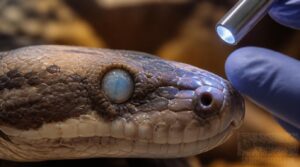
Most cloudy eyes clear up on their own, no vet visit required. But some cases cross the line from normal shedding into a real problem, and knowing that difference matters. Here’s what to watch for, what to do at home, and when it’s time to call your vet. One exception worth knowing: cloudiness paired with blisters or scarring can point to heat damage, so check out what to do if your snake has a thermal burn before it gets worse.
A hazy eye can also change how your snake carries itself, so pairing this guide with our breakdown of what different snake coiling positions mean can help you spot when discomfort, not just shedding, is behind the behavior.
Urgent Eye Warning Signs
Not every cloudy eye is routine. Watch for rapid swelling, thick eye discharge, sudden vision loss, or severe pain like squinting and rubbing. Visible injury, bleeding, or crusting that seals the lids shut points toward eye infection or trauma, not shedding.
A retained spectacle or hazy cornea after shedding also warrants urgent evaluation, don’t wait it out.
Safe Home Monitoring
Most cloudy eyes just need patient watching, not a vet trip. Check your hygrometer daily (50-70%), log temps, refill the water bowl, and watch behavior for stress indicators. A lukewarm soak can ease preshedding signs.
- Hygrometer check
- Temp gradient log
- Water bowl check
- Behavior observation
- Watch for retained spectacle
Treatments to Avoid
Patient monitoring is one thing. Reaching for a fix is another, and that’s where things go wrong.
Never attempt manual removal or use a sharp tool on a retained spectacle. Skip antibiotic use, human eye drops, and topical steroids too, none treat the actual problem (low humidity, dehydration), and each risks corneal damage or infection.
Veterinary Eye Examination
So what actually happens at the vet? Your reptile vet builds a full picture: history of cloudiness timing, humidity logs, and hands-on tools like slit lamp exam, fluorescein staining, tonometry, ophthalmoscopy, and Schirmer tear test.
- Fluorescein stain for corneal defects
- Cytology for retained spectacle debris
- Tonometry for pressure
- Sedation if extraction’s needed
Preventing Future Shedding Problems
Once the exam wraps up, your real work starts at home. Humidity management prevents most repeat problems: keep a digital hygrometer at snake height, check daily, and adjust substrate moisture before eyes turn milky.
Proper hide placement, fresh water, adequate hydration, and balanced vitamin A intake round out prevention. Adjust feeding schedules around shed cycles, and you’ll rarely see cloudy eyes turn into emergencies again.
Frequently Asked Questions (FAQs)
How long after cloudy eyes do snakes shed?
Think of it like fog rolling in before a storm: your snake’s eye cloud interval runs 1 to 2 weeks, with clear eyes returning days before the actual shed begins.
Why does my snake have foggy eyes?
Fluid builds between old and new skin layers as your snake’s eye cap separates. This is normal epidermal cell turnover, tied to shedding stages, not illness, low humidity just makes retained spectacles more likely.
Can a cloudy eye clear up on its own?
Yes, in most cases. Given proper humidity, hydration, and warmth, the natural clearing process resolves preshed cloudiness within 2 to 5 days as eye caps separate normally, no intervention needed unless a retained spectacle lingers past the shed.
How to tell when a snake is done shedding?
Check for clear eyes, a complete shed with intact eye caps, no retained skin patches, and resumed activity. Appetite returning within 24-48 hours confirms postshed recovery, with normal exploring and no lingering signs of a retained spectacle.
Can I use eye drops during the cloudy stage?
Skip human drops during this stage; preservative harm risks can irritate delicate tissue. Only species-specific eye drops, preservative harm risks can irritate delicate tissue. Only species-specific eye drops, timed correctly and prescribed after a vet checks for retained spectacle, belong near shedding eyes. Humidity-assisted soaking works better for ocular health.
Should I offer food while eyes look cloudy?
Hold the mouse, please. Your snake’s body is busy pooling fluid beneath old skin, and digestion competes for that same resource, so appetite suppression during cloudy eye feeding often causes shedding complications, retained spectacles, or outright refusal anyway.
How often should I mist during cloudy eyes?
Bump misting to two or three times daily once eyes turn milky, aiming for 65-70% humidity. Check your hygrometer often, mist fine droplets near the humid hide, and stop once eyes clear.
Can stress trigger early or delayed shedding cycles?
Stress can flip biology’s timeline like a switch. Stress hormone effects disrupt hormonal pathway shifts, causing cycle timing changes, either rushing or stalling shedding.
Environmental stressors worsen dysecdysis risk, so stress reduction genuinely helps keep your snake’s shedding on track.
Do all snake species show cloudy eyes equally?
Nope, not even close. Spectacle thickness and tear film differ by species, so some show a dramatic blue haze while others get barely a faint tint despite genuine shedding readiness underway.
Conclusion
Blindness for a week, then perfect vision again: that’s the quiet trade every snake makes without complaint.
The cloudy eyes snake shedding stage tests your patience, not your snake’s health, and knowing that difference separates a worried keeper from a confident one. Watch the eyes, not the calendar.
Keep humidity steady, handling minimal, water fresh. Most sheds resolve on their own. When they don’t, you’ll know exactly when to call for help.