This site is supported by our readers. We may earn a commission, at no cost to you, if you purchase through links.
Pair two single-gene pastels and you don’t get a "double pastel." You get a super, a snake with two identical copies of one gene, and that changes everything about how it looks and how it breeds. Stack that same gene twice, and traits that were subtle turn bold: colors sharpen, patterns simplify, and the genetics stop being a guessing game.
That’s the power hiding inside super form ball python genetics. Once you understand homozygous pairing, you can predict outcomes with real precision instead of hoping for the best. From Punnett squares to pairing risks, the logic behind supers gives you control most morphs never offer.
Table Of Contents
- Key Takeaways
- What is a Super Form Ball Python?
- How Super Form Genetics Work
- How Super Forms Are Produced
- Super Form Pairing Outcomes
- Common Ball Python Super Forms
- BEL Complex Super Form Genetics
- Health Risks in Certain Supers
- Using Super Forms in Breeding
- Identifying, Documenting, and Valuing Supers
- Frequently Asked Questions (FAQs)
- Conclusion
Key Takeaways
- A super form happens when a snake inherits two copies of the same gene instead of one, which makes colors bolder and patterns simpler than a regular single-gene animal.
- Pairing two single-gene parents of the same trait gives you roughly 25% supers, 50% single-gene carriers, and 25% normals per clutch, though small clutches can swing further from those odds than large ones.
- Some gene combos, like Cinnamon-to-Cinnamon or Spider-to-Spider, cause serious health problems such as spinal kinking and neurological issues, so responsible breeders avoid stacking those pairings.
- Since looks alone can’t prove a snake’s genetics, verified lineage, DNA testing, and solid breeding records are what actually justify the 1.5 to 3x price premium supers command over single-gene animals.
What is a Super Form Ball Python?
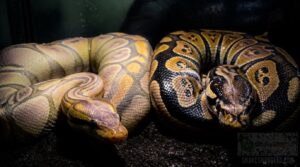
A super form isn’t a different morph, it’s the same gene doubled up. That second copy changes how the trait shows on the snake, sometimes subtly and sometimes dramatically. Here’s what actually separates a super from its single-gene counterpart.
This doubling-up effect is exactly why super forms like Super Pastel or Super Fire often land among the rare and expensive ball python morphs collectors chase for years.
Two Copies of One Gene
Since super forms come down to plain math, understanding the mechanics matters more than the hype. A super form occurs when an animal inherits two identical gene copies, one from each parent, creating homozygous gene expression instead of the usual single dose.
- Two copies = full gene dosage effect
- Follows Mendelian inheritance rules
- Confirmed via genetic verification methods
- Boosts protein/pigment output
- Can produce lethal genetics in some morphs
Grasping these inheritance patterns is easier with a clear conceptual framework of genetics that explains how gene dosage shapes observable traits.
Single-Gene Versus Super Form
A single gene animal is heterozygous, one gene copy paired with a normal allele, giving you the base phenotype. Go homozygous with two matching copies and you get the super form: stronger gene dosage effect, more uniform visual traits, higher phenotype intensity. Same codominant gene, different inheritance pattern. That doubled dose is exactly what turns a nice single-gene animal into a standout super.
Incomplete-Dominant Trait Terminology
Breeders often say "co-dom" when they mean incomplete dominance, and that’s technically off. True codominance shows both alleles fully. Incomplete-dominant genes give a blended, intermediate look instead.
That’s why:
- Heterozygous = single-gene phenotype
- Homozygous = super form
- Ratio lands 1:2:1
Same allele, different dosage. Genotype drives phenotype every time.
Visual Expression Differences
Genotype tells you what’s happening genetically, but visual phenotype is what you’re actually judging. Supers push color saturation and pattern contrast further than single-gene animals, sometimes altering body outline, eye morphology, or scale sheen too.
That’s codominant expression at full dosage. Two allele copies means visual traits stack harder, which matters when you’re planning morph stacking projects down the line.
How Super Form Genetics Work
Understanding super forms starts with the basics of how genes actually get passed down. You don’t need a biology degree, just a handle on a few key terms breeders use every day. Here’s what’s actually happening at the genetic level when you pair two co-dom animals.
Alleles and Gene Copies
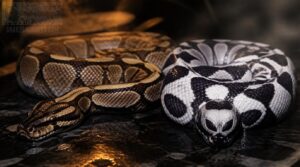
Every gene sits at a fixed locus, and you inherit two alleles there, one per parent. One copy = single-gene. Two copies = super form.
- Vivid, saturated color shifts
- Sharp pattern contrast
- Near-black or near-white extremes
- Reduced normal patterning
- Alien-head detail changes
Codominant alleles express jointly, no masking, which drives visible copy number effects.
Mendelian Inheritance Basics
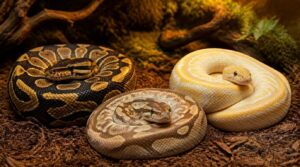
Gregor Mendel’s pea plant work still holds up in your snake room. Allele segregation happens during gamete formation, splitting paired alleles randomly. Dominant alleles mask recessive traits; codominant genes express jointly, no masking involved.
| Cross Type | Genotype Ratio | Phenotype Outcome |
|---|---|---|
| Het x Normal | 1:1 | 50% carriers |
| Single x Single | 1:2:1 | Super:single:normal |
| Super x Normal | 100% het | All single-gene |
Heterozygous inheritance ratios predict phenotype probability before you crack a single egg.
Homozygous Versus Heterozygous

Zygosity is what separates a super form from a regular het. Homozygous means two copies of the same allele, that’s your super form showing full homozygous trait visibility. Heterozygous carriers hold one copy, masked or blended depending on dominance.
Codominant genes skip masking entirely:
- One copy = single-gene look
- Two copies = super form look
- Gene copy impact scales visually
- Allele expression differences drive phenotype
- Phenotypic variation levels shift per pairing
Lethal super forms prove zygosity isn’t cosmetic, it’s genetic math with consequences.
This is why pairing complementary alleles like Mojave and Lesser deliberately, rather than by guesswork, matters so much when chasing that coveted blue-eyed leucistic ball python combination.
Genotype and Phenotype
Two snakes can carry the same allele pair and still look different. That’s the genotype-phenotype gap at work.
| Term | Definition | Breeding Use |
|---|---|---|
| Genotype | Full allele pairing | Punnett square prediction |
| Phenotype | Visible expression | Buyer identification |
| Allele interaction | Co-dom blending | Genotype probability calls |
Super form genetics rely on genotype, not guesswork.
How Super Forms Are Produced
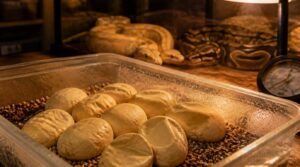
So how do you actually get a super form in your incubator? It comes down to the pairing you choose and a little bit of math working in your favor. Here’s what goes into the odds, egg by egg.
Single-Gene Parent Pairings
Want a super form? Start with two single-gene parents of the same trait, like Pastel x Pastel. Both carry one gene copy, so their genotypes combine unpredictably per egg.
This pairing sets up Mendelian inheritance, giving you a genotype mix across the clutch instead of a guaranteed outcome. Parentage confirmation matters here for tracking true gene transmission.
Expected 25-50-25 Offspring Ratios
Every single-gene x single-gene pairing breaks down the same way genetically: 25% super form, 50% single-gene (het carriers), 25% normal. This is straight Mendelian probability, homozygous super, heterozygous single-gene, and the "normal" genotype splitting evenly.
Run any genetic calculator and you’ll see identical odds. But probability isn’t a promise, per-egg outcomes stay random regardless of clutch history.
Clutch Size Versus Probability
That 25-50-25 split is a clutch probability distribution, not a guarantee per hatch. Each egg carries egg allele independence, so small clutches show more clutch variability than large ones.
A 6-egg clutch might swing wide; a 10-egger tracks closer to expected. Clutch size impact matters, larger clutches smooth out random assortment outcomes toward true expected phenotype count.
Punnett Square Example
Lay it out visually and the ratios click fast. Since co-dom genes don’t follow strict dominant/recessive rules like textbook Mendelian crosses, use "Pp" for single-gene and "PP" for super in your Punnett grid.
Pp x Pp gives PP, Pp, Pp, pp: one super, two single-gene, one normal. That’s your Genotype Prediction matching the 25-50-25 Phenotype Ratio every time.
Chance Per Egg
That grid shows outcomes, but you’re really asking: what’s my probability per egg? Pp x Pp gives a flat 25% chance per egg via Mendelian segregation, unaffected by clutch size.
- Homozygous x heterozygous = 0% or 50%, depending on allele inherited
- Heterozygous x heterozygous = 25% super, every clutch
- Allele transmission rate stays constant, egg to egg, regardless of past hatches
Super Form Pairing Outcomes
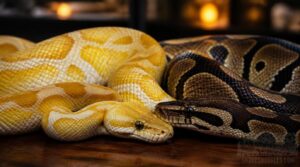
Once you’ve got a super form on hand, what you pair it with decides everything about the clutch. Every combo hits different — normal, single-gene, or another super — and the odds shift each time. Here’s how each pairing breaks down.
Super-to-Normal Pairings
Pair a super to a normal and you get a clean 50/50 split, no surprises. The super parent hands down one gene copy to every egg, so half the clutch turns out heterozygous single-gene (Pastel, Enchi, Mojave) and half stays normal. A basic Punnett square proves it every time.
Skip this pairing with Cinnamon or Black Pastel supers though, since it’s the safest way to work those genes.
Super-to-Single-Gene Pairings
Now stack a super onto a het of the same gene, and you get guaranteed offspring expression, no normals, no gambling.
Every egg carries two allele copies, one from each parent, so gene dosage effects intensify the trait.
Super Pastel over single-gene Pastel, Super Enchi over Enchi, Super Mojave over Mojave, all lock in phenotype uniformity.
Never combine Cinnamon or Spider genes this way.
Super-to-Super Pairings
Now you’re pairing two homozygous animals of the same gene, and things get straightforward fast. Genetic homozygosity confirmation matters here since visuals alone won’t cut it for some morphs.
Expect phenotype uniformity, every egg locked into one outcome.
Do a health risk assessment before pairing Cinnamon-line supers. Allelic interaction, genetic load, and offspring viability screening all factor into responsible planning, especially with limited genetic diversity in your lines.
Guaranteed Gene Transmission
When a super form breeds to any normal, Mendelian segregation guarantees 100% gene transmission, every egg carries the allele. No punnett square guesswork needed once genotype’s confirmed.
That’s the power of a proven breeder: consistent, documented outcomes. Genetic lineage tracking through parentage records backs up what the genotype already promises, giving buyers real confidence instead of visual guesses.
Predicting Multi-Gene Outcomes
Multi-gene projects stack odds fast. Once you’re working two or three co-dom genes at once, simple Mendelian math turns into polygenic trait modeling, weighing each gene’s effect size to forecast the whole clutch.
A genetic calculator does this:
- Input parent genotypes
- Factor allele interaction effects
- Run probability distribution analysis
- Output offspring predictability by phenotype
Common Ball Python Super Forms
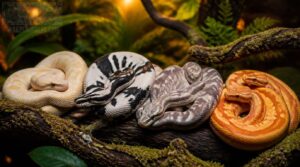
Not every super form earns a spot in your breeding room, and that’s fine, since some just don’t bring much to the table visually.
The ones that do stand out change color, contrast, or pattern enough to justify the extra work of pairing single-gene to single-gene.
Here’s a rundown of the supers most breeders actually chase.
Super Pastel
Two pastel alleles stack into one animal, and that’s the whole game with this morph. Homozygous inheritance drives brighter yellows, diluted browns, and heavier pattern reduction than a single-gene pastel shows. Ground color goes cream to ivory, contrast softens.
Combos like the Super Pastel Clown push phenotypic expression further, and this premium pricing reflects that homozygous status.
Super Enchi
Homozygous Enchi doesn’t reinvent the pattern, it sharpens it. Blotches get cleaner edges, browns and oranges deepen, and that classic swirl reads with way more pattern clarity than single-gene animals show.
Hatchlings often display mature coloring faster too. Verify genetics through parent production records, not eyeballing, since phenotypic expression varies with lighting and age.
Super GHI
GHI works differently than Enchi. This one’s recessive, so you need two copies of the GHI allele for full expression, deepening buccal scale color into a coppery to near-black base with sharp, uniform pattern edges.
Pairing single-gene GHI to Super GHI runs about 50% supers per clutch. Confirm status through documented parentage, not lighting-dependent visuals.
Super Mojave
Where GHI plays a recessive game, Mojave runs co-dominant, so two alleles push past standard expression into full Color Enhancement.
Super Mojave deepens brown-purple tones, softens head patterning, and darkens eyes.
- Pattern Softening across dorsal saddles
- Belly Lightening for uniform tone
- Purple Undertones in certain light
Run your genetic calculator before pairing Mojave to Mojave, since outcomes hit roughly 25% supers per clutch.
Other Visually Distinct Supers
Not every super fits neatly into Pastel, Enchi, GHI, or Mojave. Some multi-gene combos throw unusual head coloration changes and lateral striping you won’t see in single-gene form.
| Trait | Single-Gene | Super Form |
|---|---|---|
| Contrast | Mild | Enhanced |
| Pattern | Standard | Disrupted |
| Head Color | Base | Intensified |
Avoid stacking Cinnamon-based supers here; the same lethal risk applies.
BEL Complex Super Form Genetics
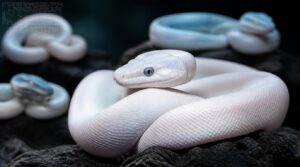
Super Mojave gets most of the attention, but it’s part of a bigger family of genes that all produce white, blue-eyed snakes when paired the same way.
That family is called the BEL complex, and knowing which genes belong to it keeps you from making costly pairing mistakes.
Here’s what you need to know about how these alleles work and interact.
Mojave-to-Mojave Pairings
Pairing Mojave to Mojave is how you chase the Super Form. Both parents pass one allele, so Homozygous Mojave Probability sits at 25%, with 50% single-gene carriers and 25% normal. That’s straight Mendelian inheritance, not a guessing game.
Confirm Breeding Pair Viability through het status before pairing, then track Clutch Outcome Ratios against actual hatch counts for Genetic Confirmation Methods.
Blue-Eyed Leucistic Appearance
When the 25% hits, you get a phenotype unlike anything else in the collection. The white body dominates, with blue eyes staying vivid into adulthood. This is your Super Form Ball Python payoff.
Look for:
- Near solid white dorsal and ventral color
- Faint cream shading behind the head
- Consistent blue iris, even in hatchlings
Genetic documentation confirms what visual ID suggests.
BEL Complex Alleles
White isn’t one gene, it’s a complex. BEL allele interactions produce that Blue Eyed Leucistic look, with Mojave and loss-of-function variants both altering pigment transport.
Gene transmission follows Mendelian-like patterns, but linked BEL complex modifiers shift outcomes. That’s why lineage-based BEL identification matters as much as visual BEL markers, especially with Super Form Ball Python and Genetic Stripe combos in the mix.
Cross-Allele Combinations
Stack Mojave with genes like Pastel or Enchi, and you get allele interaction effects on top of the BEL look, brighter yellows, deeper contrast.
This is independent assortment at work, genes on different loci sorting separately, letting you predict multigene designer morphs with real trait consistency and stronger market value.
Identifying White Snake Genetics
A pale ball python isn’t always what it looks like. Blue-Eyed Leucistic BEL can mimic other white lines visually, so don’t guess off looks alone.
Genetic testing confirms lineage through parentage and offspring records, not just phenotype. This differs from amelanistic corn snakes, where OCA2 gene disruption drives a recessive inheritance pattern entirely separate from BEL complex genetics. Keep documentation tight either way.
Health Risks in Certain Supers

Not every super form is a win for your collection, and some pairings come with real consequences. Certain gene combos produce hatchlings with physical defects severe enough to affect survival, not just looks. Here’s what you need to know before you pair up these genes.
Cinnamon and Black Pastel Risks
Cinnamon and Black Pastel are two genes you don’t stack lightly. Super Cinnamon and Super Black Pastel (allelic genes) cause severe spinal kinking and aren’t viable, full stop.
Black pastel lines can also mask subtle deformities and carry skin infection susceptibility.
Avoid cinnamon-to-cinnamon or cinnamon-black pastel crosses, and keep tight genetic documentation on every pairing you run.
Spider Pairing Concerns
Two Spider genes in one clutch? That’s a gamble you don’t take. Spider already causes head wobble in single-gene form, a neurological quirk breeders accept as normal. Doubling it risks worse dysfunction and poor hatchling viability.
For breeders curious about how these genes interact visually, the Pastel Spider ball python combo shows just how striking—and risky—pairing them can be.
- Verify genetics before pairing
- Track lineage for every Spider animal
- Avoid Spider-to-Spider crosses
- Prioritize ethical pairing over trait stacking
Genetic documentation matters more here than looks alone.
Kinking and Craniofacial Defects
Wobble is one thing. Spinal kinking and skull deformity are another level entirely, and both show up more when super form genetics stack.
Craniofacial defects, jaw misalignment, uneven eye sockets, trace back to specific allele combos. Screen pedigrees before pairing, not after hatching. Carriers look normal but still pass the risk. That’s why documentation beats guesswork every time you plan a clutch.
Hatchling Viability
Skull and spine issues get the headlines, but hatchling viability starts way earlier, at the incubator. Genetic vigor varies even among healthy supers.
Track these before hatch day:
- Incubation temps at 80-90°F
- Humidity near 60-70%
- Feeding readiness within 1-7 days
- Minimal handling for 72 hours
Solid records catch problems before they compound into losses.
Pairings Breeders Should Avoid
Avoid Cinnamon-Cinnamon and Cinnamon-Spider pairings entirely, same for Spider-Spider. Both produce craniofacial defects, kinking, or neurological dysfunction, that’s not a debate in the community, it’s documented risk.
Skip Super-to-Super crosses and unrelated genetic backgrounds too. Genetic verification through parentage records matters more than visual guessing.
Breed responsibly, not just for morph combos, and expect pushback since ethical controversy around supers runs deep.
Using Super Forms in Breeding
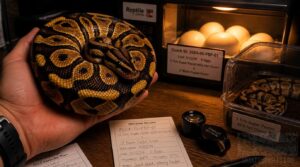
Once you know the risks, the real value of super forms shows up in how you plan pairings. These animals aren’t just flashy, they’re tools for shaping entire clutches with intention. Here’s how breeders actually put them to work.
Building Multi-Gene Projects
Multigene designer morphs don’t happen by accident. You need a clear genetic map before pairing anything.
- Track target genes per project
- Confirm genetic compatibility between breeders
- Balance your breeding population
- Log lineage in a record keeping system
Trait consistency comes from disciplined genetic inheritance tracking, not luck.
Integrating Recessive Traits
Once your super form line is solid, layering in recessive traits takes extra bookkeeping. Two carriers paired together give a 25% chance per egg of the visible trait, so track every carrier parent by genotype, not looks.
That patience pays off, too, since well-documented recessive combos are exactly what fuel the most expensive and rarest ball python morphs collectors chase today.
Since phenotype rarely confirms genotype, DNA testing backs up your pedigree. Sloppy records here cost you accuracy for generations.
Reducing Normal Offspring
Cutting normals from your clutch comes down to gene copy reduction: pair a super into the mix and you skip straight to homozygous outcomes.
Homozygous Breeding Strategy benefits:
- Fewer wasted normal hatchlings
- Tighter phenotype frequency tracking
- Reliable clutch outcome prediction
Offspring genotype verification confirms it, single-gene and codominant morphs load faster than heterozygous crosses ever could.
Ethical Pairing Decisions
A hatchling’s spine shouldn’t pay the price for a flashy phenotype. Welfare-focused breeding choices mean skipping Cinnamon-to-Cinnamon or Spider-to-Spider pairs entirely, no exceptions.
A hatchling’s spine shouldn’t pay the price for a flashy phenotype
Run risk assessment protocols before locking in any pairing, and loop in a mentor when supers carry known health baggage. Genetic testing plus transparent genetic disclosure keeps buyers informed and your program’s reputation intact for the long haul.
Identifying, Documenting, and Valuing Supers

Eyeballing a snake won’t confirm its genetics, and that’s where a lot of buyers get burned. Proving super status takes real documentation, not guesswork or gut instinct. Here’s what actually separates a verified super form from an expensive guess.
Visual Identification Limits
Your eyes will lie to you. Lighting effects wash out subtle color shifts, and phenotype masking makes some supers look nearly identical to single-gene siblings. Age variation matters too, since hatchlings resemble normals until several sheds boost scale brightness.
Genetic verification beats guesswork every time, especially in mixed pairings where trait consistency isn’t visually obvious.
Parentage and Breeding Proof
Claims mean nothing without paper behind them. DNA marker proof confirms which parents actually produced a clutch, testing offspring against both dam and sire across multiple loci.
Pedigree verification traces lineage to the original pair using unique IDs. Combined with solid breeding documentation standards, mating dates, and hatchling counts, you get confirmed lineage calculation you can actually trust and sell on.
Complete Genetic Records
A pedigree alone won’t cut it. Complete genetic records stack DNA verification, hatch data, and pairing history into one file that actually holds up.
- Sire and dam confirmed through marker testing
- Mendelian ratios logged per clutch
- Hatchling certification tied to unique ID
- Full pairing history from egg to sale
That’s the paper trail buyers trust, and HatchLedger’s lineage engine keeps it airtight.
Single-Gene Versus Super Pricing
That paper trail feeds straight into what your snake sells for. Super forms carry a 1.5 to 3x premium over single-gene animals, and homozygous rarity drives it.
Super Pastel, Super Enchi, Super GHI, and Super Pinstripe all command top dollar when demand and documentation line up. No records, no proof of homozygosity, means buyers assume single-gene pricing regardless of what you claim.
Buyer Disclosure Standards
Selling a super means proving it, not just saying it. Buyers deserve genetic test documentation, health disclosure, lineage verification, and legal compliance proof before money changes hands.
- Accredited lab results, not verbal claims
- Health conditions and carrier status disclosed
- Hatch dates, clutch numbers, breeder signatures
- Actual photos, not stock images
- Five-year documentation retention
Frequently Asked Questions (FAQs)
Can super forms be bred with different species safely?
No, it’s not safe. Species differ in chromosome count and developmental timing, causing nonviable embryos or deformities. Stick to within-species genetics, this protects hatchling health while still letting you anchor solid genetic lines for future projects.
Do super forms cost more to feed or house?
No. Feeding cost and housing space track weight, not genetics. A 1200-1500g female eats and lives like any same-size normal. Metabolic rate, enclosure size, and diet stay standard, so budget by size and feeding history, not phenotype.
Are super forms harder to sell to beginners?
Yes, often. Bold colors and price tags can spook new keepers. Solid genetic records, clear health disclosures, and honest breeder guidance turn hesitation into confidence, especially when beginners see documented lineage instead of just a flashy photo.
What paperwork proves a super forms genetic history?
A snake’s genes don’t show up on a certificate by magic. Proof means breeding certificates, genetic lineage sheets, and offspring transfer records confirming parentage, following Mendelian inheritance patterns from documented dam and sire pairings.
Conclusion
Doubling a gene doubles your certainty, but it also doubles your risk. That’s the paradox sitting at the center of super form ball python genetics.
One copy gives you a hint. Two copies give you an answer, in color, in pattern, in odds you can calculate before the eggs even hatch.
Master the pairings, respect the health risks, and document everything you produce. That’s how guesswork becomes real control.