This site is supported by our readers. We may earn a commission, at no cost to you, if you purchase through links.

A single Blue-Eyed Leucistic combo, cobalt eyes on pure white scales, can clear $6,000 at verified sale. That price isn’t hype. It’s the direct result of genetic scarcity, multi-generation breeding projects, and the kind of demand that outpaces supply every season.
Rare and expensive ball python morphs sit at the intersection of biology and collector obsession. Morphs like the Stranger, Scaleless, and Sunset Puzzle take 3 to 5 generations of selective breeding to stabilize, and even then, a single humidity lapse or mismatched allele pair can collapse an entire clutch.
Here’s what’s actually worth owning in 2026, and why.
Table Of Contents
- Key Takeaways
- What Makes a Ball Python Morph Rare and Expensive
- 10 Rare and Expensive Ball Python Morphs in 2026
- How Genetics, Breeding Odds, and Scarcity Set Morph Prices
- Health and Care Risks of High-End Ball Python Morphs
- How to Verify, Value, and Buy Rare Ball Python Morphs
- Frequently Asked Questions (FAQs)
- What’s the rarest ball python morph?
- What snake is worth $100,000?
- What is a holy grail ball python?
- What are some fancy ball python morphs?
- What is the rarest morph of ball python?
- How to tell if a snake likes you?
- What health issues affect scaleless ball pythons?
- How long does breeding a designer morph take?
- Can rare morphs breed with wild-type pythons?
- What permits are needed for breeding ball pythons?
- Conclusion
Key Takeaways
- Top-tier morphs like the Blue-Eyed Leucistic, Lavender Albino Piebald Dreamsicle, and Sunset can sell for $6,000 to six figures because multi-recessive genetics make them extremely hard to produce, requiring 3–5 generations of selective breeding to stabilize.
- Prices reflect engineered scarcity as much as natural rarity—breeders deliberately limit output, and documented lineage plus third-party genetic testing separates verified animals from cheap, unverified stock.
- High-end morphs carry real health risks, including neurological wobble tied to lineage, lethal allele combinations that can wipe out entire clutches, and demanding care like 60–70% humidity for scaleless animals, where roughly 30% of hatchlings show skin complications.
- Before buying, demand 3–4 generations of pedigree documentation, genetic test results, and a written health guarantee, since skipping verification turns a five-figure purchase into a worthless animal.
What Makes a Ball Python Morph Rare and Expensive
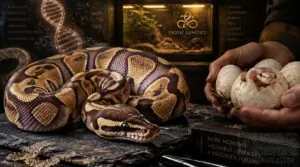
The price tag on rare ball python morphs isn’t arbitrary. It’s built on genetics, breeding odds, and the hard reality that some phenotypes almost never occur naturally.
Factors like breeder exclusivity and low genetic odds push prices even higher, as this ball python morph pricing breakdown explains in detail.
Ball python genetics run on recessive and co-dominant alleles. When two recessive mutations must express simultaneously, the odds collapse fast. You’re betting on very specific co-segregation across multiple gene pairs, and most clutches simply won’t deliver the phenotype you’re after.
Collector demand does the rest. When a morph sits at the intersection of visual impact and verified lineage, buyers compete aggressively. Expensive ball python morphs hold value because reputable breeders control output deliberately, keeping supply tight and provenance well documented. Market scarcity isn’t always purely natural. Sometimes it’s engineered, and that distinction matters.
10 Rare and Expensive Ball Python Morphs in 2026
These aren’t pets—they’re genetic assets with market edge. The ten morphs below represent the sharpest intersection of rarity, visual impact, and breeding potential available in 2026. Know what you’re looking at before you spend five figures.
Sunset and Sunset Puzzle
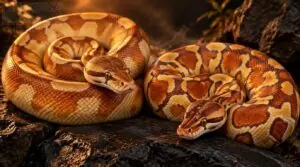
Among rare ball python morphs, the Sunset morph stands out for warm orange melanin blending into a lighter base. Pair that allele with a separate patterning gene and you’ll get Sunset Puzzle: patchwork patches that push visual impact to another level.
Full coloration stabilizes by two years. That window, plus demanding ball python genetics, keeps verified offspring scarce and expensive.
Lavender Albino Piebald Dreamsicle
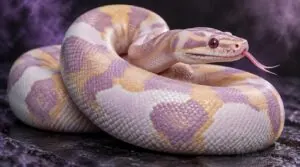
The Sunset pushes visual impact, but the Lavender Albino Piebald Dreamsicle is a different animal altogether. Three recessive genes at once: lavender’s pastel hue, albino’s reduced pigmentation, and piebald’s white splotches. This rare ball python morph ranks among the most expensive ball python morphs available.
As a dreamsicle ball python, morph value depends on verified, documented lineage across multiple clutches.
Monsoon Ball Python
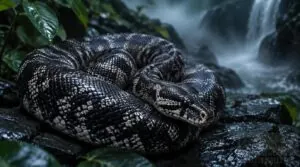
The Monsoon Ball Python Morph brings something genuinely different. Its dense raindrop patterning scatters fine speckles across a dark base, creating visual chaos few expensive ball python morphs can match.
This rare ball python morph demands precise recessive genetics. Random pairings won’t give you consistent results. Intentionally pair it with complementary visual genetics and your pattern variations become collectors’ obsessions. Visual impact doesn’t get more unpredictable than this.
Stranger Ball Python
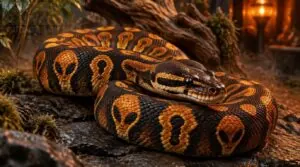
The Stranger Ball Python Morph first appeared in 2012 via IRES Reptiles. Expect dark chocolate heads and burnt orange alien patterning.
- It’s incomplete-dominant, so visuals hit F1 pairings without genetic lineage stacking.
- Stranger Clown combos dominate the exotic pet market and drive morph market value higher.
- Documented provenance from IRES separates these rare reptile specimens from cheaper, unverified stock.
Scaleless Ball Python
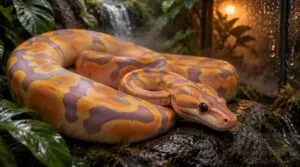
Skin texture alone separates the Scaleless Ball Python Morph from every other animal in your collection. This genetic mutation disrupts scale development entirely, leaving smooth, deeply pattern-saturated skin that makes color pop with intense intensity.
Pairing the Scaleless trait with recessive genes like Axanthic or Clown can yield extraordinary results, as explored in this guide to ball python morph combinations and color genetics.
That payoff comes with real demands. Tight humidity control and careful handling protect exposed skin from abrasion and desiccation. Shedding cycles require closer monitoring than most.
Premium scaleless lines, especially combo projects, command serious morph value.
Bang Ball Python
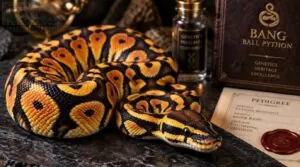
Picture a snake where color saturation pushes to maximum and every pattern line looks almost surgically precise. That’s Bang.
- Confirmed via third-party genetic testing
- Commands prices above standard morphs
- Limited by allelic exclusivity
- Rare genes drive collector demand
- Pedigree documentation is non-negotiable
This expensive ball python carries a rare genetic mutation few breeders sustain. Only buy from verified lineage sources.
Kosmos Ball Python
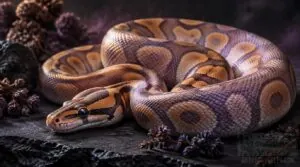
Orange-tan fire meets lavender frost. That’s the Kosmos Ball Python in one look.
This multigene designer morph combines a glowing base with isotropic patterning that catches light on every scale. You’re looking at rare genes stacked through careful backcrossing across generations.
Few ball python morphs demand lineage this thoroughly documented. Verified pedigree justifies every dollar of this expensive ball python.
Skittles Ball Python
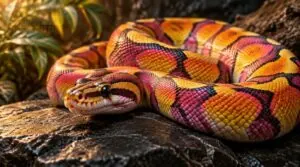
Few ball python morphs command attention like the Skittles. Multi-recessive genetic variation produces that candy-bright, high-contrast pattern nobody forgets.
- Extreme color saturation across the entire body
- Scale sheen and pattern variations lift perceived value
- Fixing traits requires multiple breeding generations
- Small clutches drive morph pricing sky-high
Verified hatchlings from top breeders are genuinely rare. If you find one, don’t wait.
Blue-Eyed Leucistic Combos
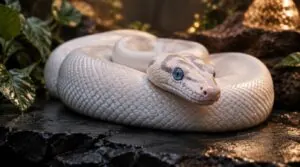
Few morphs stop collectors like a Blue-Eyed Leucistic. Cobalt eyes against a clean white body is a combination that sells itself every single time.
Lesser and Mojave crosses introduce subtle head shading that makes each animal genetically distinct, not just visually striking.
BEL combos aren’t easy to produce, with complex cross hatch rates running 10-25%. Expect to pay well over six thousand dollars for verified lineage and documented provenance.
Premium Clown and Pied Combos
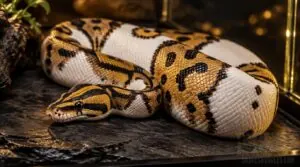
BELs command respect, but clown-pied combos are your next obsession. Two recessive alleles, one animal, double the market demand.
- Bold white patches interrupting vibrant clown patterning
- High-contrast spots scattered across a clean dorsal line
- Females carrying multiple alleles fetching premium collector prices
Morph stacking with Piebald drives scarcity. Breeder reputation matters. Verify lineage before you commit to any five-figure purchase.
How Genetics, Breeding Odds, and Scarcity Set Morph Prices
The price on any high-end ball python isn’t random—it’s the direct result of genetics, probability, and controlled scarcity. Once you understand the mechanics driving those numbers, you’ll see exactly why some animals command five figures while others stall. Here’s what’s actually setting the market.
Recessive Breeding Odds
The math behind a recessive gene is unforgiving. Pair two carriers and you’re looking at 25% expression odds, 50% carriers, 25% normals. One clutch rarely delivers your target animal.
That’s why lineage documentation matters so much. Without confirmed carrier status, you’re just guessing. Serious collectors running recessive ball python morphs track every pairing to compress timelines and push genetic variation.
Multi-Gene Designer Projects
Stacking recessive odds multiplies complexity fast. Multi-gene designer projects combine three or more alleles, targeting color, pattern, and structure in one animal. That requires coordinated selective breeding across generations, not one lucky clutch.
Collector demand follows rarity. A stabilized three-gene combo takes 3–5 generations to confirm inheritance. You’re buying years of documented pairings and compressed genetic variation into one animal.
Allelic Compatibility Limits
Not every allele plays nicely together. Some combinations hit allelic compatibility limits that produce lethal or subviable offspring, killing your project before it hatches. Certain recessive pairings create incompatible genotype combinations at predictable dosages. That’s not bad luck; it’s genetics.
Genetic verification before every pairing isn’t optional at this level. Know your animals’ full genotypes or you’ll lose entire clutches.
Breeding Timelines and Hatch Rates
Because rare morph projects compress years into a single season, your window to execute is razor-thin. A full cycle runs 9-14 months from cooling to reliable hatch, and one bad incubation ruins everything.
- Incubation temperature must hold at 80-85°F without deviation
- Humidity swings destroy clutch viability fast
- First-time females average fewer viable hatchlings
- Weak clutch management tanks your breeding odds
Health and Care Risks of High-End Ball Python Morphs
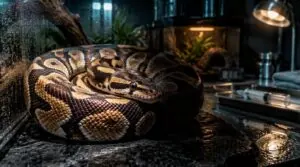
Owning high-end morphs means accepting real biological trade-offs. Some of the most visually striking genes come with neurological issues, lethal combination risks, and strict environmental demands that average keepers aren’t prepared for. Here’s what you need to know before the money changes hands.
Neurological Wobble Risks
Wobble syndrome doesn’t announce itself at birth. Signs emerge after early feeds, sometimes weeks later, and by then you’ve already invested heavily.
Neurological wobble ties directly to lineage, not husbandry. Certain recessive gene combinations spike the risk considerably. If you’re chasing high-end designer projects, audit the parentage carefully. Prioritize breeders tracking wobble-free status across multiple clutches, not just one hatch.
Lethal Genetic Combinations
Some breeders discovered entire clutches failing after combining recessive monsoon genes with piebald. Lethal genetic combinations aren’t theoretical.
- Pairing incompatible recessives can crash hatch rates badly
- Genetic testing before breeding prevents wasted seasons
- Homozygous lethal alleles often kill embryos pre-hatch
- Carrier hatchlings may show ocular or neural defects
Prioritize genetic compatibility and genetic stability before chasing any extreme designer combos.
Skin And Humidity Needs
Picture a scaleless morph mid-shed, skin pulling unevenly, with no scales to lock moisture in. That’s your humidity control failing in real time.
Scaleless and albino morphs demand tighter ball python husbandry than standard animals. Hit 60-70% during the snake shedding cycle, use breathable substrate, and ventilate consistently. Neglect this, and you’re risking chronic skin damage on a five-figure animal.
A dedicated ball python terrarium hygrometer takes the guesswork out of monitoring, so you catch dangerous dips before a shed goes wrong.
Ocular Defect Monitoring
Eye defects in Blue-Eyed Leucistic combos and other multi-gene projects are easy to miss. Solid eye monitoring changes that.
- Check eyes at day 0, 7, and 30.
- Flag asymmetry or cloudiness immediately.
- Use bright structured light to spot pupil issues.
- Track humidity and substrate as potential irritants.
Delayed detection always worsens outcomes. Your reptile health protocol needs this built in.
A dedicated reptile health monitoring kit gives you the structured tools to catch eye deterioration early, before minor cloudiness becomes a serious welfare concern.
Ethical Breeding Decisions
Your reputation is your most valuable morph. Prioritize documented lineage transparency and third-party welfare audits before any pairing. Avoid alleles with known lethal combinations.
Maintain genetic diversity through planned outcrossing; closed colonies breed defects, not prestige. Selective breeding demands accountability. Publish your hatch-rate targets.
Buyers who trust your ethics return. That loyalty builds a legacy no price tag can buy.
Buyer trust, built through ethical breeding, creates a legacy no price tag can buy
How to Verify, Value, and Buy Rare Ball Python Morphs

Knowing the risks is only half of what you need. You still need to confirm what you’re actually buying before any money moves.
Pedigree verification starts with demanding 3-4 generation lineage documentation. Reject any vague combo label without confirmed alleles, and never trust names you can’t trace. Registry checks expose unlicensed breeders fast. A dedicated reptile breeding record keeping log makes tracking lineage across multiple generations far easier than piecing together scattered notes.
Here’s what to nail down before you commit:
- Confirm morph identification using high-resolution side-by-side comparisons
- Request genetic testing results wherever they’re available
- Secure a written breeder guarantee that covers health and returns
- Cross-check collector demand and recent sale prices to filter market hype
- Inspect the animal’s condition during the physical arrival window
Documentation, contracts, and pedigree records outlast any pitch. Buy the paper trail, not the story.
Frequently Asked Questions (FAQs)
What’s the rarest ball python morph?
Chasing the rarest ball python morph is like hunting lightning in a dark room. The Lavender Albino Piebald Dreamsicle still dominates, stacking triple recessive alleles into a phenotype that ignites collector demand every single clutch.
What snake is worth $100,000?
No single snake has a fixed $100,000 price tag, but Lavender Albino Piebald combos have privately sold near that range when strong collector demand, elite breeder partnerships, and ultra-rare ball python morphs all align perfectly.
What is a holy grail ball python?
What separates legends from livestock? A holy grail ball python stacks Lavender Clown genetics across multiple recessive alleles, commanding six-figure prices.
Breeder reputation and collector demand make these elite ball python morphs genuine financial assets.
What are some fancy ball python morphs?
The top fancy ball python morphs to know right now include Sunset, Scaleless, Monsoon, premium Clown combos, and the Blue-Eyed Leucistic. These are the rare and expensive ball python morphs truly worth owning in
What is the rarest morph of ball python?
Want the crown? It belongs to the Sunset morph. A genetic bottleneck and founder-effect constraints keep supply critically low, while collector demand pushes prices skyward. That’s your holy grail ball python.
How to tell if a snake likes you?
Read the body language. Relaxed posture, slow tongue flicks, and calm exploration signal trust. No hissing or striking during handling? You’re winning. Consistent snake husbandry, gentle sessions, and predictable routines build lasting snake temperament.
What health issues affect scaleless ball pythons?
Roughly 30% of Scaleless Ball Python Morph hatchlings show skin complications early.
You’ll face shedding trouble, scale rot, abrasions, wobble syndrome, spinal kinking, and reptile health risks amplified by founder effect.
Diligent humidity control prevents most failures.
How long does breeding a designer morph take?
Most designer morph projects take two to four years minimum. You’re stacking female maturity, one clutch per year, and 54–60 day incubation. Recessive or multi-gene lines stretch longer; your breeding odds, selective breeding, and genetic testing decide the pace.
Can rare morphs breed with wild-type pythons?
Yes, and the cross usually works cleanly. Recessive genes hide in first-generation carriers, while dominant morphs show immediately. Genetic testing confirms what each parent carries, protecting your genetic purity and future breeding odds.
What permits are needed for breeding ball pythons?
Commercial breeding demands layered paperwork. Secure your State Breeder License, CITES Export Permits for international sales, and Lacey Act compliance for interstate shipping. Add business tax registration and careful recordkeeping requirements documenting every acquisition, hatch, and transfer.
Conclusion
The priciest snake you’ll ever buy is the cheap one. Skip verification, ignore genetics, and a $6,000 mistake hatches in your rack.
Rare and expensive ball python morphs reward patience, not impulse. Study the odds, demand lineage proof, and refuse wobble-prone combos.
Your collection becomes an asset when you treat breeding like a business and animals like investments. Buy slow, verify everything, and the market pays you back.