This site is supported by our readers. We may earn a commission, at no cost to you, if you purchase through links.

Few feeding mistakes are as easy to prevent as putting a cold, poorly sized mouse in front of a hungry snake. A meal that smells wrong, feels chilled, or bulges wider than the snake’s midbody can lead to refusal, injury, or regurgitation.
Frozen-thawed prey gives you control that live rodents never can: clean storage, dependable portions, and no teeth fighting back. The catch is that feeding depends on details, from freezer temperature to the warmth at the mouse’s center.
This guide to feeding frozen mice walks you from selecting the right size through thawing, tong-feeding, and monitoring digestion closely.
Table Of Contents
- Key Takeaways
- Why Feed Frozen Mice Instead of Live?
- Step 1: Choose Properly Sized Frozen Mice
- Step 2: Store and Thaw Mice Safely
- Step 3: Warm and Offer The Mouse
- Step 4: Monitor Feeding and Digestion
- Frequently Asked Questions (FAQs)
- Can you get hantavirus from frozen mice?
- How long should I let frozen mice thaw?
- How to feed frozen thawed mice to snakes?
- How long can I leave frozen mice in my snakes cage?
- How do you feed frozen mice?
- How do you get a snake to eat frozen mice?
- Are frozen mice safe for snakes & carnivorous pets?
- How do you thaw frozen mice?
- Do corn snakes eat frozen mice?
- Where can I buy frozen mice?
- Conclusion
Key Takeaways
- Frozen-thawed mice are safer than live prey because they prevent rodent-bite injuries, simplify hygiene, and provide consistent whole-prey nutrition.
- Choose prey no wider than your snake’s midbody and generally around 10–20% of its body weight, adjusting for species, age, and swallowing ease.
- Keep mice frozen at 0°F or colder, thaw them in sealed packaging in the refrigerator or cool water, never microwave or refreeze them, then warm them to about 95–100°F before feeding.
- Offer prey with long, clean tongs in a quiet secure enclosure, remove uneaten mice promptly, avoid handling after meals, and watch for regurgitation, swelling, or changes in body condition.
Why Feed Frozen Mice Instead of Live?
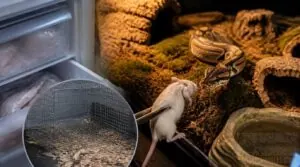
Frozen-thawed mice are the safer standard for most pet snakes. They give you more control over feeding while avoiding several common problems linked to live prey. Here are the main reasons to make the switch.
For a detailed feeding guide, see whether corn snakes can safely eat mice at every life stage.
Prevents Prey Bites and Injuries
Choosing frozen-thawed mice removes the most immediate feeding hazard: a live rodent can bite. Even a small mouse may injure a snake’s face, eyes, or body during a defensive struggle.
Frozen-thawed mice protect snakes from painful bites and injuries caused by live prey
Use long feeding tongs with a firm feeding tongs grip. Stainless steel feeding tongs material is easy to clean, while soft feeding tongs tip protection helps prevent accidental punctures. This feeding tongs safety step keeps your fingers well clear of a feeding strike.
A steady tong grip also keeps feeding tidy in tight spaces, and these feeding tongs for small apartment snake keepers make precise, mess-free placement easier.
Reduces Disease and Parasite Risks
Frozen-thawed prey also strengthens biosecurity. Reputable, well-managed feeder sources reduce exposure to parasites and contamination that can travel through blood, waste, and dirty handling surfaces.
Picture the difference:
- A clean, controlled feeder batch
- Disinfected tongs and surfaces
- No rodent feces in the enclosure
That helps with parasite prevention, bacterial growth prevention, feeding station hygiene, and dependable nutritional consistency.
Simplifies Storage and Feeding
Clean feeder batches are easier to manage once they reach your home. With freezer storage, you can organize frozen mice by prey size, label dates, and retrieve exactly what you need.
| Setup | Practical benefit |
|---|---|
| Labeled bins | Faster selection |
| Feeding tongs | Cleaner handling |
Reliable thawing techniques turn feeding into a calm routine, not a last-minute scramble. A data-centered reading approach can help students focus more closely on experimental figures.
Provides Consistent Whole-Prey Nutrition
Organized freezer stock also gives you consistent whole-prey nutrition. Frozen mice of the same prey size provide similar protein, fat, bone, organs, and moisture from meal to meal.
That predictability makes your feeding schedule easier to control. Use feeding tongs and reliable thawing techniques, and each mouse arrives as a complete, familiar meal rather than a nutritional guessing game.
Reduces Feeding Stress
Because live prey can thrash, bite, and trigger defensive behavior, it often turns a simple meal into a tense event. Gradual thawing and steady warming make scent and temperature predictable.
Use feeding tongs for calm prey presentation in a quiet feeding environment. Dim lights, limit movement, and give your snake space after it strikes. These snake calming methods reduce alertness and keep feeding controlled.
Step 1: Choose Properly Sized Frozen Mice
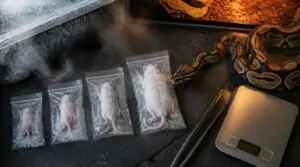
Choosing the right frozen mouse is the first step toward safe, reliable feeding. Size, life stage, and source all matter more than many keepers realize. Use the following checks to select prey that suits your snake.
For dependable options, consult this guide to safe frozen snake food brands with consistent sizing and quality control.
Match Mouse Width to Girth
Match Mouse Width to Girth behind your snake’s forelimbs, not at its widest point. Choose prey about as wide as this area, with no obvious bulge or slack.
A properly matched mouse stays stable during presentation and usually goes down smoothly, head first. Too wide can increase regurgitation risk. Too narrow may trigger repeated gripping and delayed swallowing. Use a supplier’s prey size chart to keep prey sizing consistent.
Follow Prey Weight Guidelines
Use prey weight as a second safety check for prey sizing. Aim for a prey-to-body ratio of 10–20% of your snake’s mass.
- Weigh your snake.
- Calculate 10–20%.
- Choose a mouse within that range.
- Reduce the meal if swallowing struggles.
- Recheck after growth or feeding schedule changes.
This helps steady meal portion control without overloading digestion.
Consider Species and Growth Stage
Species and age matter. A hatchling corn snake cannot safely take the meal an adult ball python grips. Let prey size, prey sizing, and the preytobody ratio reflect the animal in front of you.
| Snake stage | Best approach | Feeding frequency |
|---|---|---|
| Hatchling | Smallest prey | More often |
| Juvenile | Moderate portions | Regular |
| Subadult | Growth-focused meals | Adjust |
| Adult | Avoid excess fat | Usually less often |
Measure Snake and Prey Accurately
Accurate measurements prevent guesswork. Record snout-to-vent length and girth in millimeters when your snake is calm. Weigh. Weigh your snake and each mouse in grams, then log the preytobody ratio. A mouse about as wide as the snake’s widest point is usually appropriate. Photograph prey beside a ruler for reference. Never use feeding tongs to force a meal.
Use a stainless steel millimeter ruler for durable, repeatable length and girth measurements.
Choose Transparent, Ethical Suppliers
Ethical sourcing protects your snake and the animals used to feed it. Choose suppliers that can show humane euthanasia methods, strong biosecurity, and clear records for every batch. This reduces parasite transmission and zoonotic disease risk.
- Full farm or facility locations
- Audited welfare and safety certifications
- Transport and handling details
- Batch sizes, prices, and minimum orders
- A public labor and environmental code of conduct
Step 2: Store and Thaw Mice Safely
Safe storage and thawing protect both your snake and the quality of its food. A simple routine also makes feeding day cleaner and more predictable. Use the steps below to keep frozen mice safe from freezer to enclosure.
Freeze at 0°F or Colder

Keep frozen mice at 0°F or colder for reliable freezer storage. Stable temperature control slows spoilage, protects nutrients, and reduces freezer burn. A freezer thermometer is cheap insurance; check it regularly.
| Check | Target |
|---|---|
| Freezer | 0°F or colder |
| Thermometer | Check regularly |
| Door opening | Keep brief |
Deep-freeze prey promptly. This helps gradual thawing later and safer feeding without risking quality unnecessarily.
Label Size, Date, and Batch
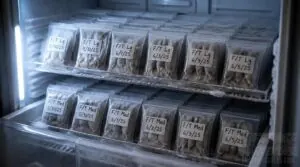
A stable freezer is only half the system. Use clear labeling on every bag of frozen mice: prey size, production date, and batch code.
Write dates as YYYYMMDD, such as 20260903. Place new stock behind older stock and use FIFO rotation first. Batch tracking lets you trace a quality concern quickly, while accurate labeling prevents forgotten prey from exceeding your planned storage duration.
Prevent Freezer Burn and Contamination
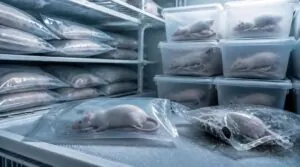
Labeling helps FIFO rotation, but packaging protects quality between feedings. Seal frozen mice in airtight freezer bags or rigid containers. Remove as much air as possible, and use vacuum sealing or double bags for long storage.
- Separate mothers and siblings.
- Store packages deep in the freezer.
- Avoid crushed or torn bags.
Air exposure causes freezer burn, while leaks can allow odors and bacterial contamination to spread.
Thaw Refrigerated or in Cold Water
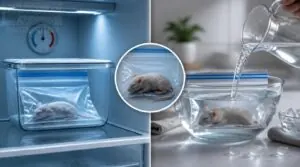
Use intact packaging to thaw frozen mice safely. For refrigerator thawing, place the mouse in a covered container at 35–40°F for several hours or overnight.
Need it sooner? Try cold water thawing. Submerge the leak-proof bag in water no warmer than 70°F, changing the water every 30 minutes. Thaw until pliable, with no ice crystals.
Use a waterproof instant-read food thermometer to verify the water stays below 70°F, especially if your tap runs warm.
Never Microwave or Refreeze Prey
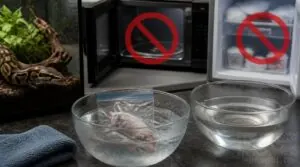
Never thaw or warm frozen mice in a microwave. Microwave feeder rodents heat unevenly, creating hot spots that can burn your snake’s mouth while leaving the center cold.
Once prey has thawed, don’t refreeze it. Temperature swings encourage bacterial growth and weaken tissue quality. Offer it promptly after safe thawing, or discard uneaten, warmed prey after the feeding attempt ends.
Step 3: Warm and Offer The Mouse

Once the mouse is fully thawed, warm it and present it in a way your snake can recognize safely. A calm, secure feeding setup helps prevent missed strikes and reduces stress. The following enclosure options can help you choose the approach that fits your snake.
Warm Prey to 95–100°F
A properly warmed mouse triggers a faster feeding response. After thawing, warm prey to 95–100°F. Use an infrared thermometer for feeder prey to quickly check the mouse’s surface temperature before offering it.
- Confirm the center temperature with an infrared temperature gun.
- Keep it within two degrees of target.
- Avoid direct heat or a hot spot temperature that cooks skin.
- Let prey rest briefly, then offer it with clean feeding tongs.
Use Long Feeding Tongs
When your snake strikes, ten- to twelve-inch feeding tongs keep your hand beyond its reach. Choose stainless-steel feeding tools with rubber tips for prey control and injury prevention.
| Feature | Benefit |
|---|---|
| Length | Safe distance |
| Rubber tips | Protects mouth |
| Steel construction | Easy cleaning |
| Curved design | Precise placement |
Clean tongs between meals. Dedicated tools support safe feeding, improve control, and keep snake feeding.
Mimic Natural Prey Movement
Make the mouse act alive, not frantic. With feeding tongs, give it two or three small twitches, then pause. Drag it slowly past the snake’s head, with a brief retreat and short burst forward.
This helps olfactory cues from scenting the mouse and presents a clear thermal signature. Avoid constant shaking. For reluctant feeders, drop feeding may work better.
Feed in a Secure Enclosure
Feed only in a secure enclosure. Close and latch every door before presenting prey with feeding tongs. An escapeproof environment prevents a startled snake from slipping out during a strong feeding response trigger.
Keep enclosure temperature within the species’ normal range. Avoid moving the snake to a separate tub, since handling before a meal can cause stress and missed strikes.
Remove Uneaten Prey Promptly
Remove Uneaten Prey Promptly. If your snake loses interest, take the mouse out within 10 minutes. This helps with safe feeding and lowers bacterial growth, scent buildup, and regurgitation risk during postfeeding care.
- Seal and label it with date and time.
- Discard prey showing spoilage or freezer burn.
- Clean the feeding area, while leaving eaten prey undisturbed and calm behavior afterward.
Step 4: Monitor Feeding and Digestion

Once your snake takes the mouse, the feeding process isn’t quite over. A calm, watchful approach helps you spot problems early and helps safe digestion. Use the checks below to monitor your snake after each meal.
Confirm Swallowing Without Interference
Once the mouse is taken, stay still and watch from a clear angle. Use feeding tongs only to release prey, never to guide it down.
| Watch for | Normal sign | Concern |
|---|---|---|
| Jaw motion | Smooth, steady walking | Gaping or resistance |
| Prey alignment | Centered in mouth | Sideways bending |
| Finish | Calm within 10 seconds | Regurgitation |
Stainless steel feeding tongs with rubberized tips reduce jaw injury. Persistent trouble may point to feeding refusal causes.
Avoid Handling During Digestion
After the mouse is swallowed, give your snake quiet, stable time to digest. Avoid Handling During Digestion for at least 24 hours, and longer for larger meals or cooler species.
- Leave the enclosure undisturbed.
- Use feeding tongs only at feeding time.
- Resume post feeding care after normal activity returns.
This helps digestive health and practical regurgitation prevention without stress afterward.
Watch for Regurgitation or Swelling
Quiet observation protects digestive health. After offering prey with suitable feeding tongs length, watch from outside the enclosure. Regurgitation, undigested food returning soon after a meal, needs attention; stop feeding attempts and seek a reptile veterinarian.
| What you see | What it means |
|---|---|
| Undigested prey | Regurgitation prevention: review prey size selection and thawing time estimation. |
| New neck swelling | Veterinary advice needed. |
Track Weight and Body Condition
A normal-looking meal does not always mean normal progress. Weigh your snake weekly, before snake feeding, on the same scale. Record to 0.1 pound or 0.05 kg, then compare weekly averages.
- Check rib visibility and spine shape.
- Feel for shoulder fat deposits.
- Note muscle tone and hydration.
Track this beside frozen mice, prey size, and thawing techniques for reliable snake health monitoring.
Adjust Size and Feeding Frequency
Reassess prey size as your snake gains weight. Choose frozen mice no wider than the snake’s midbody, and reduce size if swallowing looks difficult or leaves an excessive lump.
Young snakes often eat every 5 to 7 days. Adults usually need 10 to 14 days. After gradual thawing, record each snake feeding, then adjust slowly based on body condition and digestion.
Frequently Asked Questions (FAQs)
Can you get hantavirus from frozen mice?
Technically, yes, but the risk is very low with commercially sourced frozen mice. Hantavirus spreads through infected rodent waste and urine, not properly handled prey. Ethical sourcing and basic hygiene keep your exposure risk minimal.
How long should I let frozen mice thaw?
Most frozen mice need 3 to 8 minutes in warm water around 95 to 100°F. Smaller pinkies thaw faster, while adults take longer. Always do the squish test to confirm even warmth.
How to feed frozen thawed mice to snakes?
Think of it like serving a warm meal. Your snake won’t strike cold prey. Thaw frozen mice using gradual thawing in a sealed plastic bag, do the squish test, then use stainless steel feeding tongs.
How long can I leave frozen mice in my snakes cage?
Remove uneaten prey after 15 to 20 minutes. A thawed mouse left longer invites bacterial growth, stress-strike behavior, and contamination risk inside the enclosure.
How do you feed frozen mice?
Feeding frozen mice safely takes four clear steps: proper thawing, water temperature control, presenting prey with feeding tongs, and monitoring digestion afterward. Get these right, and every meal goes smoothly for both you and your snake.
How do you get a snake to eat frozen mice?
Slow and steady wins the race.
Start by thawing frozen mice completely, then warm to 95–100°F. Present with feeding tongs, mimicking natural prey movement. A calm, quiet space always helps your snake feed with confidence.
Are frozen mice safe for snakes & carnivorous pets?
Yes, frozen mice are a safe, reliable choice for snakes and other carnivorous pets. Proper thawing and warming actively protect snake health, lower disease risk, and support consistent nutrition at every feeding frequency you set.
How do you thaw frozen mice?
Think of thawing like easing someone awake. Place frozen mice in a dedicated thawing bowl in the fridge overnight, or use a cold water thaw, changing water every 30 minutes. Either way, respect the 48-hour rule.
Do corn snakes eat frozen mice?
Corn snakes do very well on frozen mice in captivity, and most accept them readily. The key is matching prey size to your snake’s girth and warming it fully after thawing for consistently safe feeding.
Where can I buy frozen mice?
You could scour every pet store within a hundred-mile radius, but ordering frozen mice online is far easier. Suppliers like RodentPro and local reptile expos carry vacuum-sealed packs with bulk pricing and reliable insulated shipping.
Conclusion
The moment a snake strikes cleanly, coils briefly, and swallows without hesitation, every single step in this guide to feeding frozen mice has quietly done its job. Right size, right temperature, right timing. Those aren’t coincidences. They’re the result of deliberate choices you made long before the tongs ever entered the enclosure.
Get these basics right consistently, and your snake stays healthy, calm, and well-conditioned for years. That one clean, efficient meal says it all.